You probably don’t realize how many everyday items you’re holding onto that are actually pretty gross. These things can build up bacteria, odors, or dirt without you even noticing.
Knowing which items to swap out or clean more often can make your home healthier and less smelly. It’s about being aware of what’s lurking in your space so you can keep things fresh.
Used kitchen sponges

Your kitchen sponge can get pretty gross fast. It traps bacteria from dishes, making it a breeding ground for germs.
Even if you rinse it well, bacteria can still hide inside. Microwaving your sponge might help, but it’s not a perfect solution.
Replacing your sponge every couple of weeks is a smart move. It helps keep your dishes cleaner and your kitchen healthier.
Old makeup brushes

Your makeup brushes can get pretty gross if you don’t clean them regularly. Oils, dead skin, and bacteria build up over time, which can cause breakouts or irritation.
If you haven’t washed yours in a while, it’s time to give them a good scrub. Using dirty brushes can also dull your makeup’s finish.
If a brush is really old or won’t get clean, it’s better to toss it and grab a new one. Keeping them fresh helps your skin and your look.
Dirty remote controls

Your remote control is one of the germiest items you touch daily. It collects bacteria from your hands, couch crumbs, and even food grease.
You probably don’t clean it as often as you should. Wiping it down regularly can stop germs from building up and keep it working better.
Using a soft cloth with a little rubbing alcohol is a simple way to deep clean your remote without damaging it.
Sticky light switches

Sticky light switches are surprisingly gross. Dirt, oils from your fingers, and dust build up over time, making them hard to use and unhygienic.
You can clean them with a contact cleaner spray or a small amount of WD-40 to get them working smoothly again.
If switches stay sticky, it might be worth replacing them with newer models, like ones with motion sensors or USB outlets, for both convenience and cleanliness.
Unwashed reusable water bottles
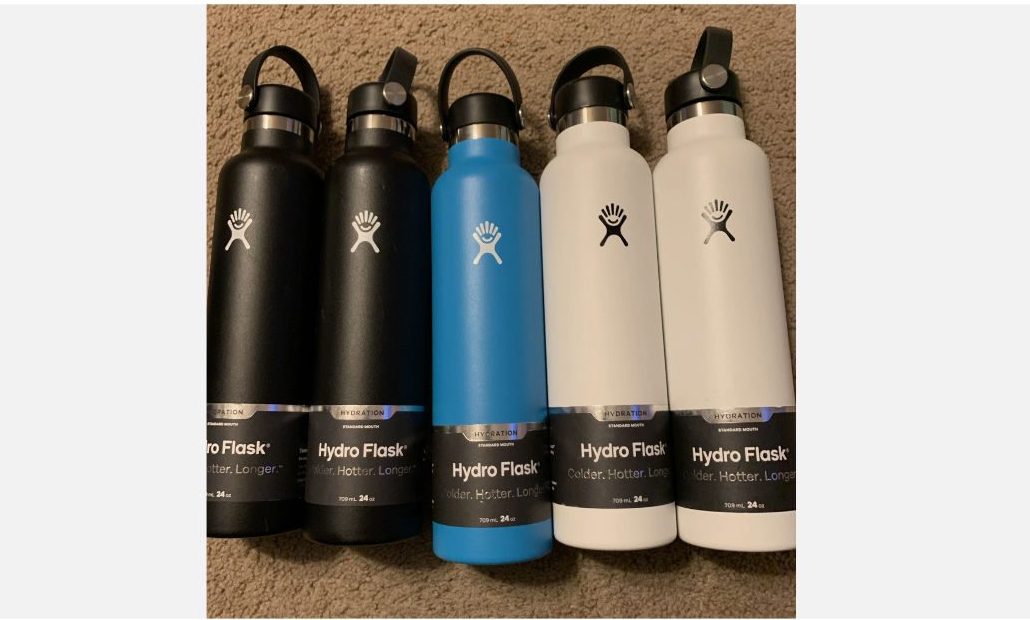
Your reusable water bottle might seem clean, but it can hide a lot of bacteria. If you don’t wash it regularly, mold and germs grow, especially around the lid and inside the seal.
Sugary drinks or protein shakes left inside can make things worse, encouraging bacteria to multiply. Even water bottles you use daily can get scratches that trap germs.
Make sure to clean your bottle thoroughly and often. A quick rinse isn’t enough to keep it safe and fresh.
Moldy shower loofahs
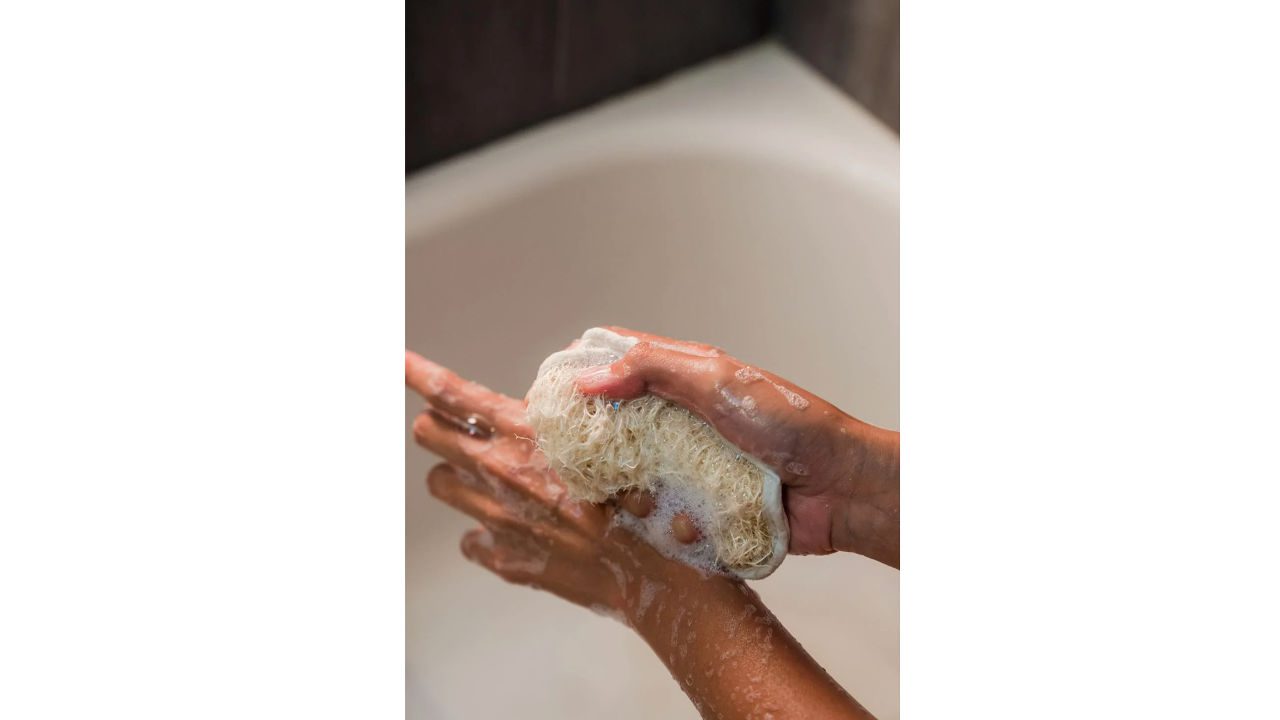
Your loofah stays wet for a long time, making it a perfect spot for bacteria and mold to grow. This can lead to skin irritation or infections if you keep using it too long.
You should wash your loofah at least once a week, either in the dishwasher or soaked in a bleach solution. Replace it every three months to keep things fresh and clean.
Expired makeup

You might be holding on to makeup past its expiration date without realizing it. Mascara, foundation, and creams can harbor bacteria after a while, which isn’t great for your skin or eyes.
Using expired makeup can cause breakouts, irritation, or infections. If your products smell off or have changed texture, it’s time to toss them. Keeping your makeup fresh helps avoid these risks and keeps your routine safe.
Dog chew toys left outside
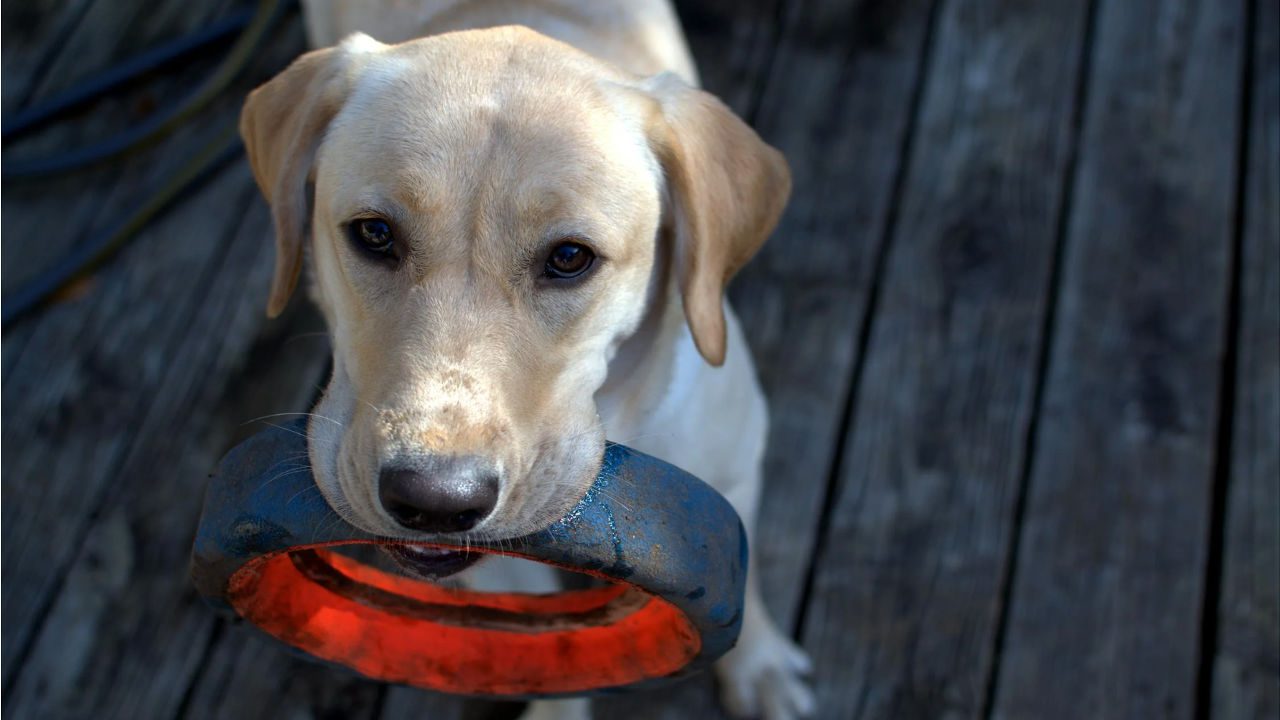
Leaving your dog’s chew toys outside might seem convenient, but they can get dirty quickly. Dirt, bacteria, and even mold can build up on the toys after rain or dew.
When your dog grabs a toy that’s been sitting outside, they’re also picking up all that grime. To keep things cleaner, bring the toys inside regularly and give them a good wash.
Tough chew toys made from rubber or nylon hold up better but still need cleaning. Don’t forget that outdoor exposure speeds up wear and tear, which can make toys unsafe over time.
Forgotten leftovers in the fridge

You probably have containers tucked away that you don’t even remember. Leftovers get pushed to the back and can spoil without you noticing.
Even if the food looks fine, bacteria could be growing. It’s smart to label leftovers with dates so you know when to toss them.
If you can’t remember when you made it, it’s safer to throw it out. Your fridge isn’t a storage closet for mystery meals.
Sweaty gym clothes in the hamper

Leaving sweaty gym clothes in the hamper is a breeding ground for bacteria and odor. If you just toss them in without drying, the smell will only get worse.
To avoid this, strain out excess sweat and let your clothes dry before putting them away. Using a hamper with good airflow can help reduce the funk between washes.
If that’s not possible, sun-drying your workout gear can also kill bacteria and keep your clothes fresher longer.
Dusty ceiling fans

Your ceiling fans collect dust faster than you might think. When they spin, they spread that dust all over your room, which isn’t great for air quality.
A simple way to clean them is by using an old pillowcase. Slip it over each blade and wipe—dust stays inside the pillowcase instead of falling everywhere.
Some fans even come with coatings that help repel dust, but regular cleaning is still important to keep things fresh.
Dirty smartphone screens
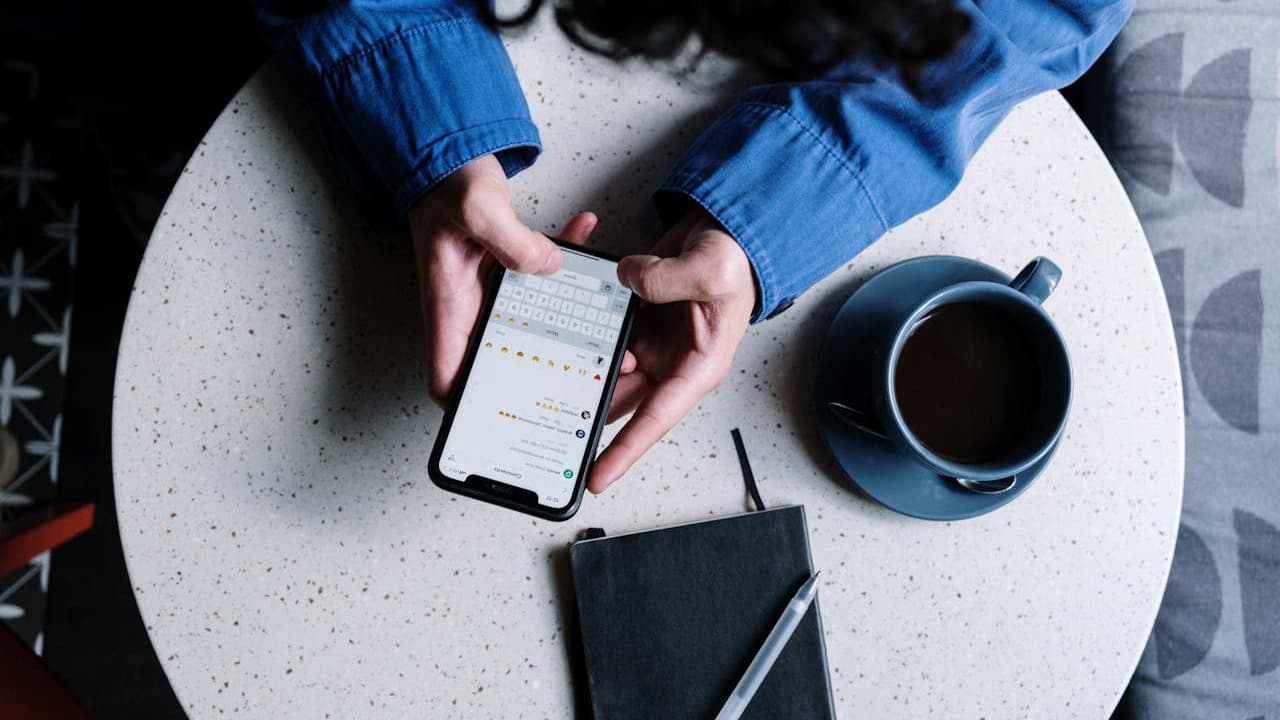
Your smartphone screen is probably way dirtier than you think. You touch it all day, and it collects bacteria from your hands, pockets, and surfaces.
Using disinfecting wipes helps, but they can damage your screen’s coating over time. A safer option is isopropyl alcohol, which evaporates quickly and kills germs without rinsing.
You can also use a UV sanitizer designed for phones. It kills 99.99% of bacteria and won’t harm your device. Cleaning your phone regularly keeps it healthier and less gross.
Pet hair-covered couch cushions

Your couch cushions might seem harmless, but pet hair collects dirt, oils, and allergens over time. This buildup can make your cushions pretty gross without you even noticing.
Brushing your pet regularly and vacuuming cushions often helps keep hair and dander down.
Using waterproof or washable couch covers designed for pets makes cleaning easier and protects your cushions from stains and fur.
Ignoring pet hair can lead to smelly, itchy cushions that affect your comfort.
Funky sports mouthguards

You probably don’t clean your sports mouthguard as often as you should. These things sit in your mouth, collecting saliva, bacteria, and leftover food bits.
If you leave it in your gym bag or on a shared shelf, it gets even grosser.
Even the slim-fit or clear ones need regular cleaning to avoid that funky smell and potential buildup. Just rinse and disinfect after every use to keep your mouthguard from turning into a bacteria playground.
Tarnished jewelry
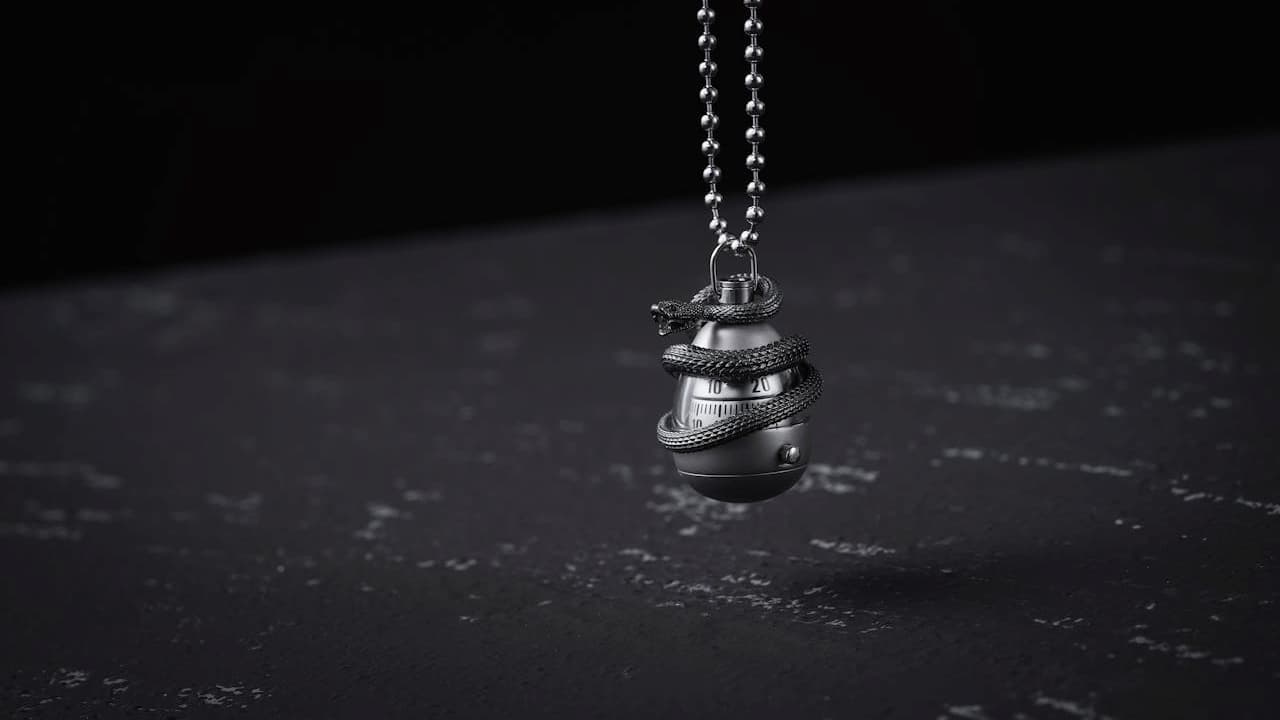
Your jewelry might look like just an old accessory, but tarnish on it can hold dirt and bacteria. Silver and lower-karat gold can darken over time, making them look less shiny and more grimy.
If you haven’t cleaned your pieces in a while, that buildup can get pretty gross. Boiling water with baking soda or a jewelry cleaning pen can help bring back the shine and get rid of some of the grime.
Cracked phone cases with grime
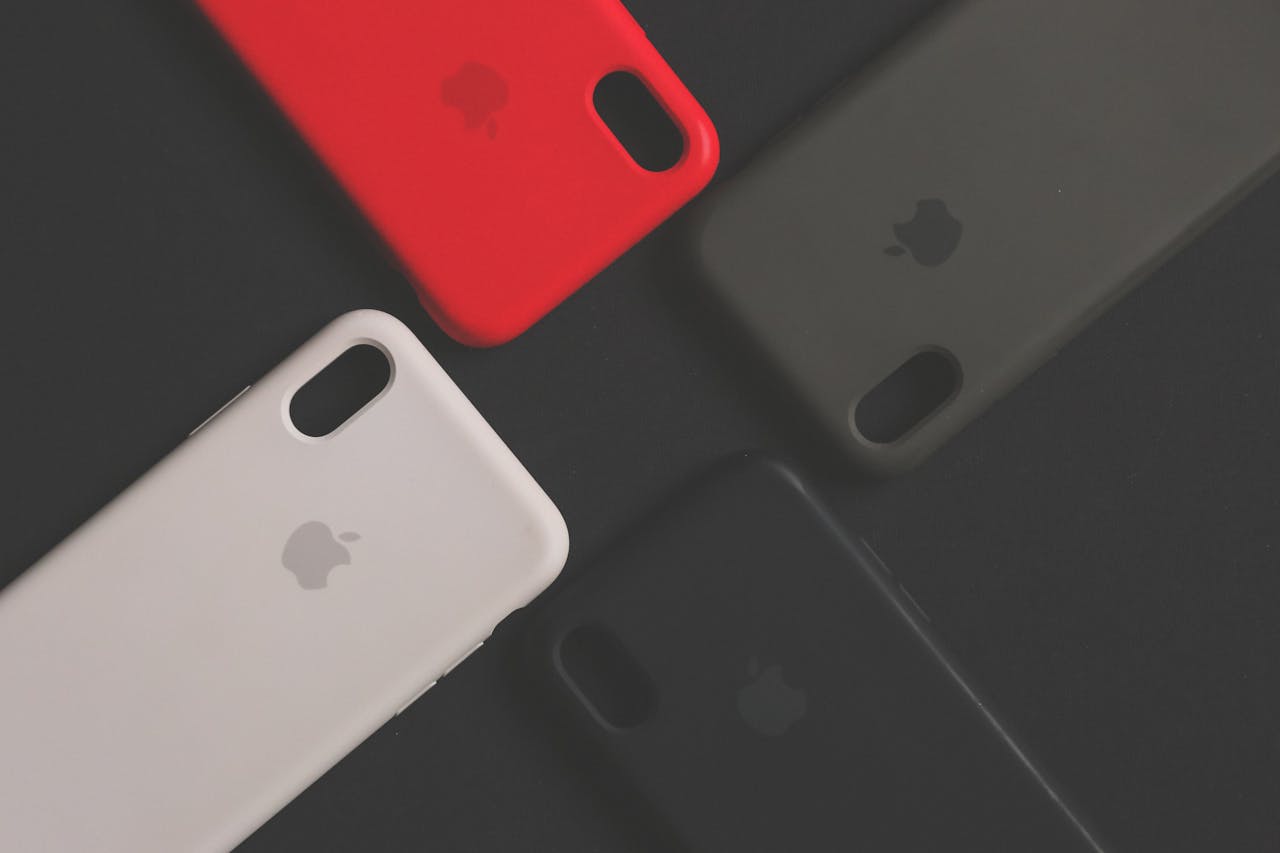
If your phone case has cracks, dirt and bacteria can easily hide in those crevices. Over time, this grime builds up and can transfer to your hands every time you use your phone.
Even if the case looks okay at first, germs might be lurking in places you can’t see. Cleaning cracked cases thoroughly is tough, so consider replacing them to keep things cleaner.