1. Buying Storage Before Decluttering

We often think that buying more storage solutions will solve our clutter problems. But the reality is, more storage can often lead to more clutter. Before you run to the store for more boxes and bins, take time to go through your items and declutter.
Instead of buying more storage, focus on minimizing your possessions.
Start with one area at a time, discarding items that are broken, outdated, or no longer serve you. Donate items that are still in good condition but no longer bring you joy. Only after you’ve decluttered should you assess your storage needs. You might find you need less than you think.
2. Keeping Things “Just In Case”

One of the biggest organization mistakes people make is keeping items “just in case” they need them in the future. This habit leads to unnecessary clutter and makes it harder to find the things you actually need.
Instead of holding onto items for hypothetical future scenarios, adopt a minimalist mindset. Keep only the essentials and items that you regularly use. If a “just in case” scenario arises where you need an item you’ve discarded, you can usually borrow, rent, or repurchase the item. You’ll find that these instances are less frequent than you’d think, and the clear, organized space is well worth it.
3. Not Having a Home for Everything

Every item in your space should have a designated home. Without this, clutter can quickly accumulate as items get left out or misplaced.
Take the time to assign a specific place for each item in your space. This not only helps keep your space tidy but also makes it easier to find things when you need them. If you find that an item doesn’t have a natural home, consider whether it’s something you really need or if it could be discarded or stored elsewhere.
4. Procrastinating on Putting Things Away

It’s easy to convince ourselves that we’ll put things away later. But later often turns into never, and before you know it, you’re surrounded by clutter.
Make it a habit to put things away immediately after using them. It takes less time than you think and helps maintain a clean, organized space. If you find this difficult, try setting a timer for 15 minutes at the end of the day to quickly tidy up. You’ll be surprised at how much you can accomplish in a short amount of time.
5. Not Regularly Purging

It’s not enough to declutter once and call it a day. Over time, we accumulate more items, and without regular purging, clutter can quickly build up again.
Make decluttering a regular habit. You could do a big purge once a year or smaller decluttering sessions more frequently. Consider the “one in, one out” rule: for every new item you bring in, discard or donate an old one. This helps keep clutter in check and ensures you’re only keeping items that serve you.
6. Not Using Vertical Space

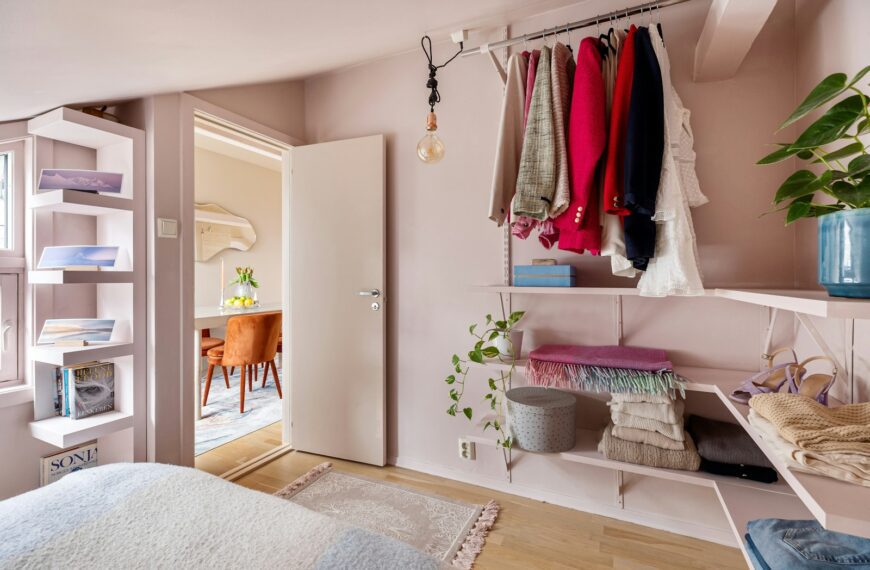
When organizing, we often forget to utilize vertical space. But this is a valuable real estate that can help keep your space clear and organized.
Consider adding shelves, hooks, or wall-mounted storage to take advantage of vertical space. This is particularly useful in small spaces or rooms with limited storage. Just be sure not to clutter these areas – remember, the goal is to create more organized space, not more storage for clutter.
7. Organizing Without a Plan

It’s tempting to dive right into organizing without a plan. But this can result in a haphazard process and less than optimal results.
Before you start organizing, take the time to create a plan. This should include which areas you’ll tackle first, what items you’ll declutter, and how you’ll arrange your remaining items. A clear plan will help keep you focused and make the organizing process more efficient.
8. Keeping Items Out of Sentiment

It’s natural to feel sentimental about certain items. But holding onto everything for sentimental reasons can quickly lead to clutter.
When decluttering, consider whether the sentimental value of an item outweighs its space cost. If an item brings you joy and you have space for it, by all means, keep it. But if it’s just collecting dust in a box, consider taking a photo of it and then letting it go.
9. Not Labeling Your Storage
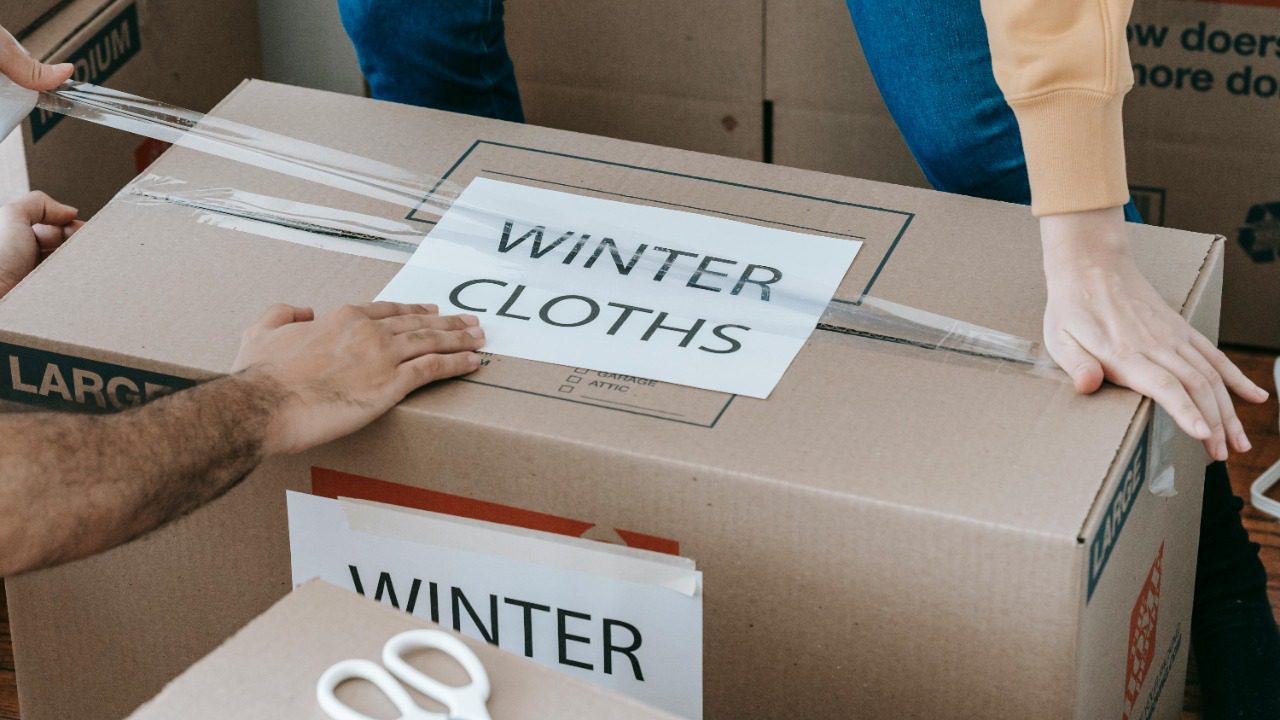
Labels might seem like an unnecessary step, but they can be a game-changer when it comes to staying organized.
Labeling your storage helps you remember where things go and makes it easier to find items when you need them. It’s especially useful for boxes and bins that aren’t transparent. You can use a label maker, or simply write on tape with a marker. The key is to make sure your labels are clear and easily visible.
10. Keeping Unnecessary Paperwork

In the digital age, there’s little need to keep piles of paperwork. Yet many of us still hold onto old bills, receipts, and documents “just in case”.
Consider going paperless wherever possible. Sign up for electronic statements and bills, and scan important documents to store digitally. For the paperwork you do need to keep, create a filing system to keep it organized and easy to find.
11. Not Using Storage Efficiently

Even if you have plenty of storage, it won’t do you much good if you’re not using it efficiently.
Think carefully about how you’re using your storage. Are you making the most of the space? Are items easy to access? If not, consider rearranging your storage or investing in storage solutions like drawer dividers or shelf risers to maximize space and accessibility.
12. Not Utilizing Off-Site Storage
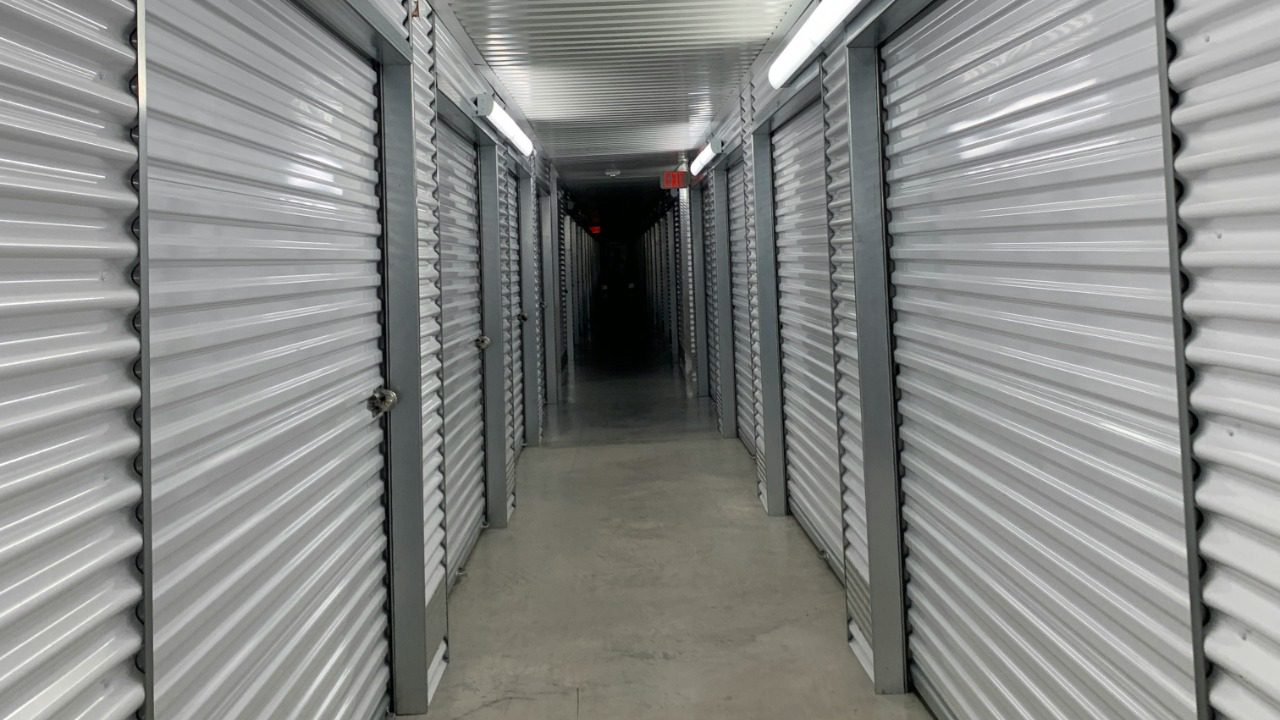
Sometimes, no matter how much we declutter and organize, we just don’t have enough space for everything.
If you’re in this situation, consider using off-site storage. This can be a great solution for items you don’t need to access regularly but aren’t ready to part with. Just be sure to keep your storage unit organized and regularly purge items to prevent it from becoming a dumping ground for clutter.
13. Not Asking for Help

Organizing can be a daunting task, especially if you have a lot of clutter or a large space to tackle. But you don’t have to do it alone.
Don’t be afraid to ask for help. This could be a friend, family member, or professional organizer. Having someone to help can make the process more manageable and even enjoyable. Plus, they can provide a fresh perspective and help you make tough decluttering decisions.
14. Ignoring Small Spaces

When organizing, it’s easy to focus on the big areas and ignore smaller spaces like drawers and closets. But these small spaces can be a source of hidden clutter.
Don’t neglect small spaces when organizing. Even if they’re out of sight, keeping them tidy can make a big difference in your overall sense of organization. Plus, you might be surprised at how much extra storage space you can find by decluttering and organizing these areas.
15. Keeping Things You Don’t Love or Need

One of the biggest organization mistakes is keeping items you don’t love or need. This can lead to clutter and make it harder to find and enjoy the items you do love.
Adopt the philosophy of only keeping items that bring you joy or serve a purpose. This mindset, popularized by Marie Kondo, can help you declutter and create a space that truly reflects you and your values.
16. Not Being Patient with the Process

Organizing isn’t a one-time task. It’s an ongoing process that requires patience and persistence.
Don’t get discouraged if your space doesn’t become perfectly organized overnight. It takes time to declutter, organize, and develop new habits. Celebrate small victories along the way and remember that any progress is good progress. Be patient with yourself and the process, and you’ll see results in time.