We all struggle with storage solutions from time to time. Whether it’s a tiny apartment with no closets or a sprawling suburban home that’s bursting at the seams, finding the right place for all of our stuff can be a challenge.
It’s easy to fall into the trap of trying out every storage solution that comes our way, only to find that it doesn’t quite work the way we had hoped. In this blog post, we’ll look at 16 storage ideas that, despite their popularity, are more trouble than they’re worth.
1. Storing Items in the Attic
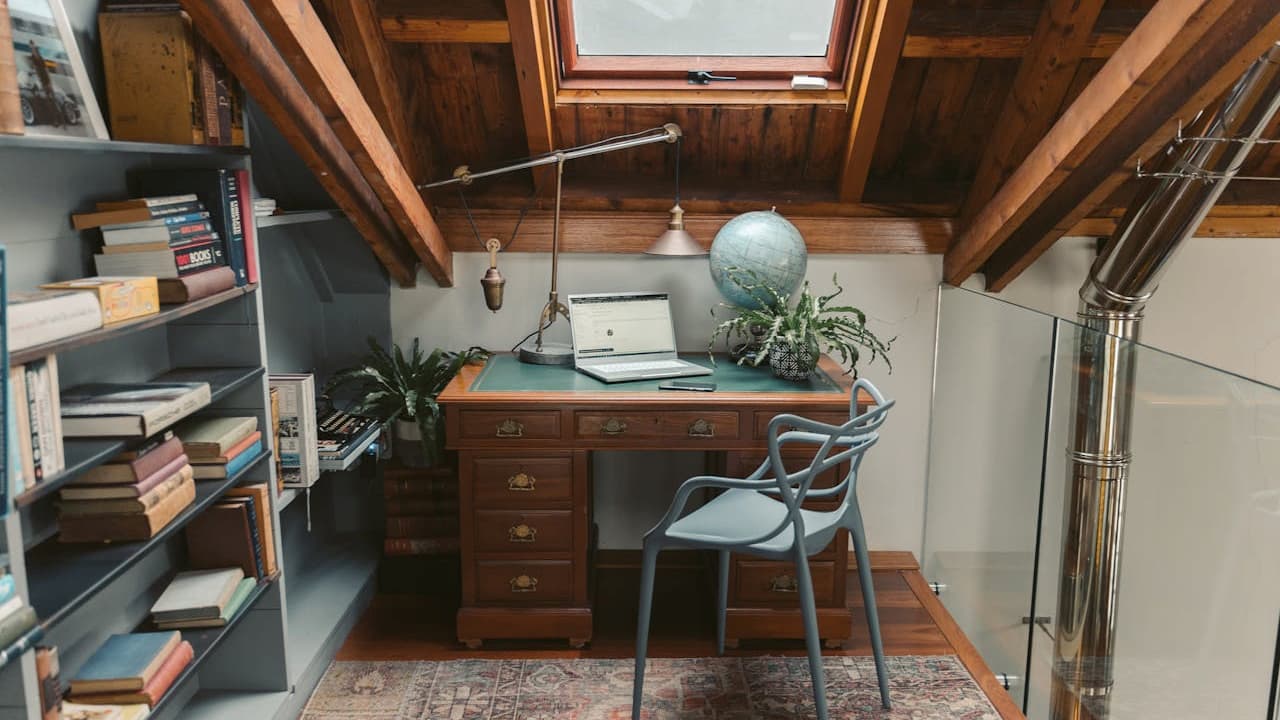
Storing items in the attic seems like an excellent way to get them out of sight and out of mind. However, the attic is often the least insulated part of the house, leading to extreme temperature fluctuations that can damage sensitive items. Furthermore, attics are generally hard to access, making it difficult to retrieve items when you need them.
In addition, attics are often filled with dust and other allergens that can infiltrate your stored possessions. This can be especially problematic for items like clothing, bedding, or anything else that might need to be cleaned before it can be used. Instead of relying on the attic for storage, consider investing in a climate-controlled storage unit or finding space within your living area where items can be easily accessed and properly maintained.
2. Using Plastic Bags for Clothes Storage

While plastic bags may seem like a convenient way to store clothes, they can actually do more harm than good. Plastic does not allow fabrics to breathe, which can lead to moisture build-up and mold growth. Plus, plastic bags can easily tear, leaving your clothes exposed to dust and insects.
Instead of using plastic bags, opt for breathable fabric bags or storage boxes. These will allow air to circulate around your clothes, preventing moisture build-up and mold growth. If you’re storing clothes for an extended period, be sure to wash and thoroughly dry them first to remove any lingering oils or dirt that could attract pests.
3. Overloading Closets
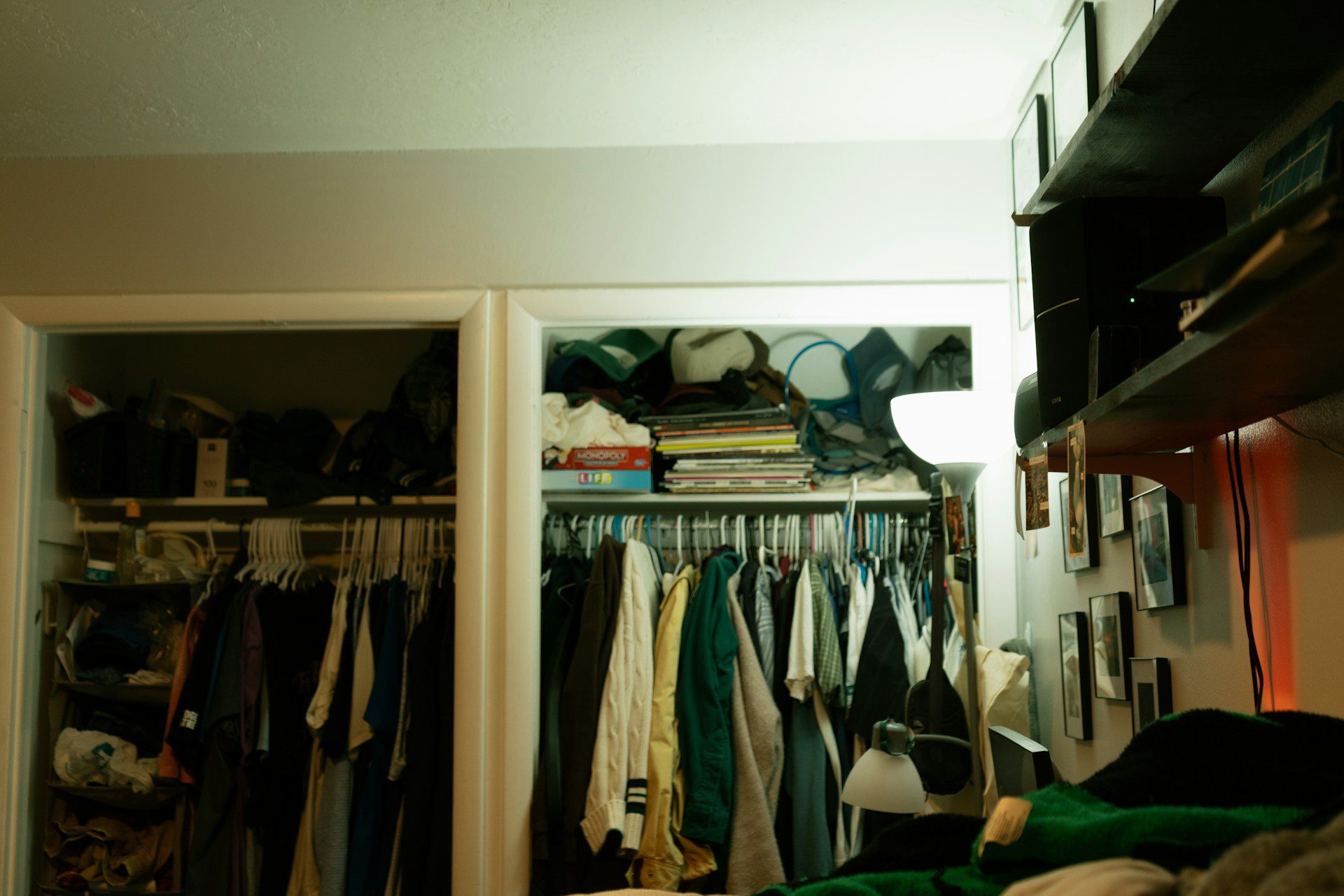
In a bid to save space, it’s tempting to stuff every closet in your home to the brim. However, overloading closets not only makes it difficult to find what you need, but it can also cause damage to your belongings and the closet structure itself.
Instead of cramming everything into the closet, try to keep it organized and avoid filling it beyond its capacity. Use closet organizers to make the most of the available space and regularly declutter your closet to get rid of items you no longer need. This will help you keep your closets manageable and your belongings in good shape.
4. Stacking Boxes to the Ceiling
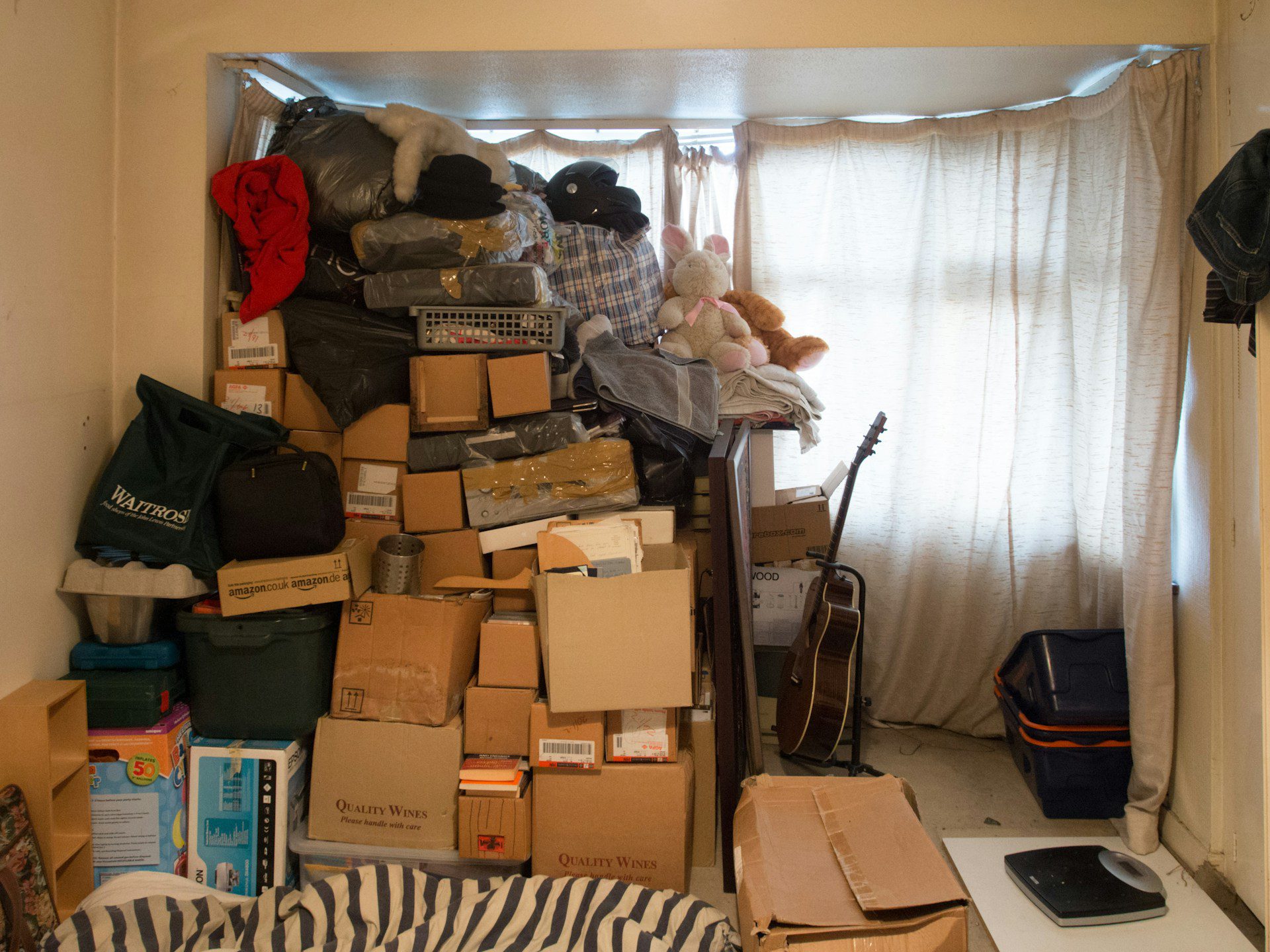
Stacking boxes to the ceiling might seem like a smart way to maximize storage space, but it’s actually a safety hazard. Boxes piled high can easily topple over, potentially causing injury and damaging your belongings.
Instead, store boxes at a reasonable height where they can be easily reached without a step stool or ladder. Also, make sure the heaviest boxes are on the bottom and the lightest ones on top. This will help prevent the stack from becoming unstable.
5. Storing Things in the Garage
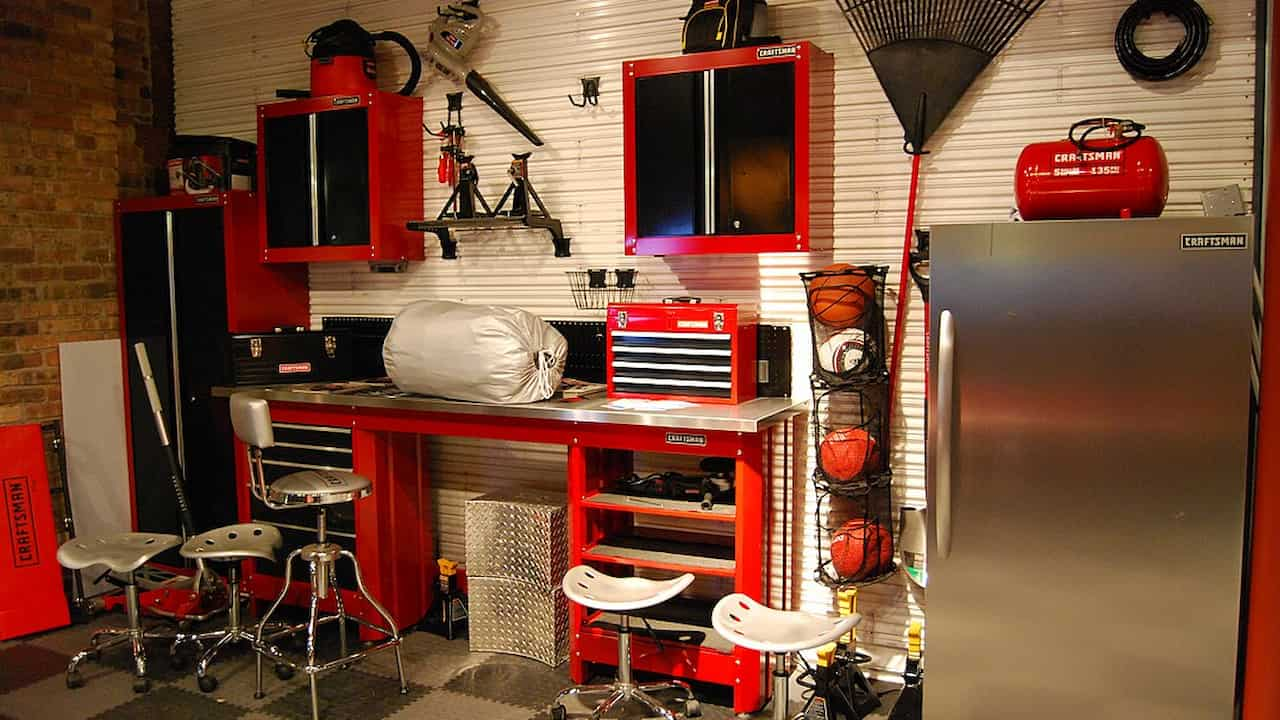
The garage is often seen as a catch-all storage space. However, garages are usually not climate-controlled, which can lead to damage from heat, cold, and humidity. Plus, they are often home to pests and can be a target for thieves.
Instead of using your garage as a storage area, try to keep it clear for its intended use – storing your car. For items that don’t fit in your home, consider a storage unit or a shed that’s designed for storage.
6. Using Cardboard Boxes

Cardboard boxes might seem like a cheap and convenient storage solution, but they have their drawbacks. They’re not very durable, they can easily get crushed, and they’re not waterproof. Plus, insects and rodents can easily chew through cardboard.
Consider using plastic bins for storage instead. They’re more durable, waterproof, and can keep pests out. Plus, they’re often clear so you can easily see what’s inside without having to open them.
7. Storing Perishables in the Basement

Basements can seem like a good place to store items like wine or canned goods because they’re cool and dark. However, many basements are damp, which can lead to mold growth and ruin your perishables.
It’s best to store perishables in a pantry or kitchen cabinet where you can control the temperature and humidity levels more easily. And if you’re storing wine, consider investing in a wine fridge or cooler that’s designed for that purpose.
8. Using a Self-Storage Unit Indefinitely

Renting a self-storage unit can seem like a good solution when you’re short on space. However, the cost can add up over time, and since the unit is out of sight, it’s easy to forget about the items you’re storing there.
If you find that you’re relying on a storage unit for an extended period, it might be time to declutter your home or consider other storage solutions. Keep in mind that the goal of storage is to make your life easier, not to hide clutter and delay making decisions about what to keep and what to get rid of.
9. Storing Important Documents in a Shoebox
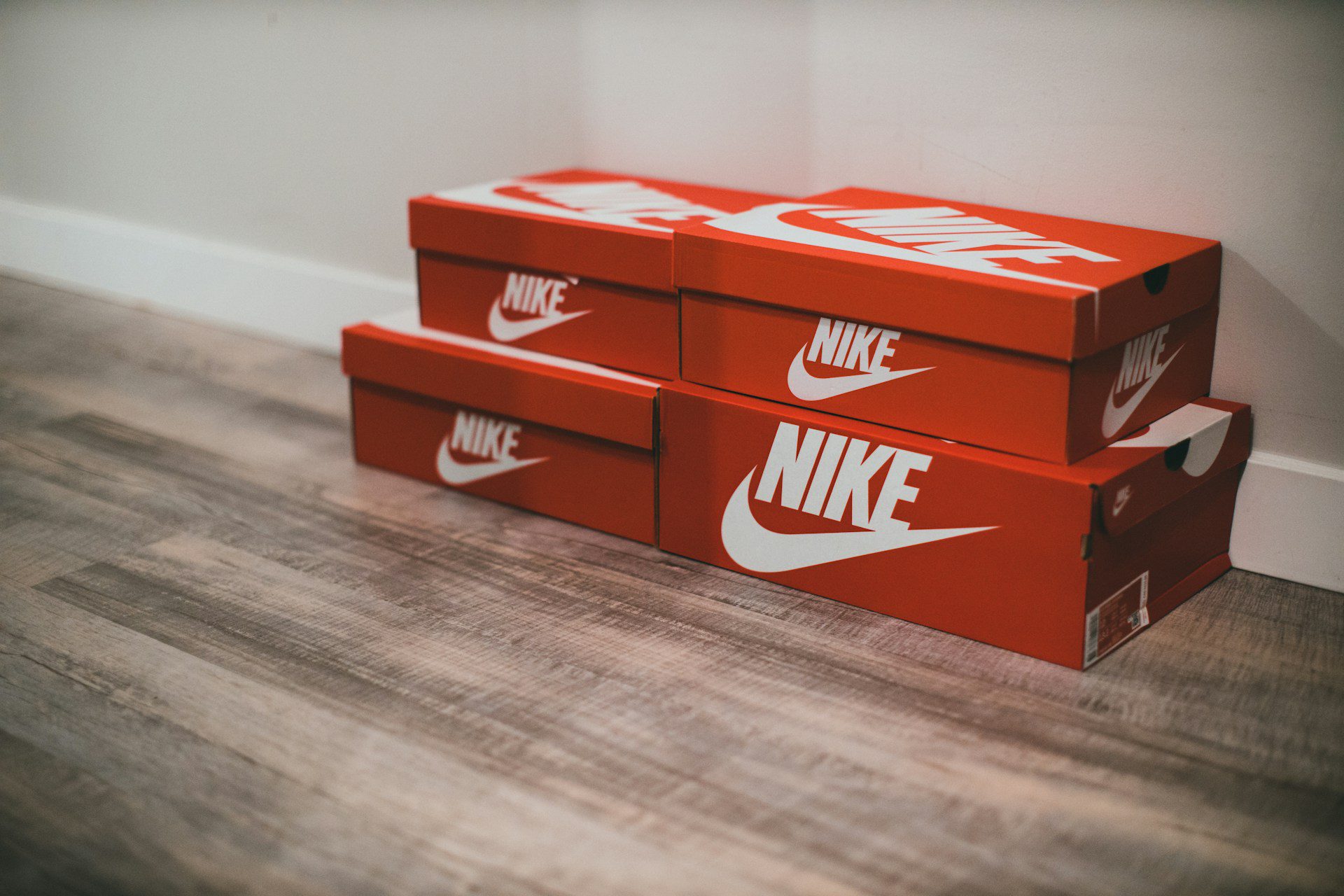
Keeping all your important documents in a shoebox might seem convenient, but it’s not the safest or most organized method. Such boxes are easily misplaced, and your documents are not protected from potential damage like water leaks or fire.
Instead, consider investing in a fireproof safe or a lockable filing cabinet for your important papers. This will help ensure they’re secure and easy to find when you need them.
10. Storing Items Under the Bed Without Protection

Using the space under your bed for storage can be a great way to save space, but it’s important to protect the items you store there. Dust, dirt, and bugs can easily find their way under your bed and into your belongings.
Consider using under-bed storage containers with lids. These will keep your items clean and safe, and they’re usually designed to fit perfectly in this space.
11. Using the Oven as Storage

Some people might find it tempting to use the oven for storage, especially in a small kitchen. However, this is a fire hazard and can lead to accidental burns if someone forgets there’s something stored there and turns on the oven.
Instead, try to make the most of your kitchen storage by using cabinet organizers, hanging pots and pans, or adding a kitchen island with storage.
12. Storing Cleaning Supplies in a High Cabinet

Storing cleaning supplies in a high cabinet can seem like a good way to keep them out of reach of children. However, it can also make them difficult to access when you need them. Plus, if a product leaks, it could damage everything underneath.
Consider storing your cleaning supplies in a lower cabinet with a child-proof lock. This will keep them secure but also easy to access when you need them.
13. Storing Books in Damp Areas

Books should never be stored in damp or humid areas, as this can lead to mold growth and damage to the books. This includes basements, garages, and even some attics.
It’s best to store books in a dry, cool, and dark place. If you’re short on shelf space, consider donating books you no longer need or want to read.
14. Storing Electronics in the Bathroom

Storing electronics like a phone or tablet in the bathroom might seem convenient, but the humidity from the shower can damage them.
Try to keep electronics out of the bathroom and other humid areas. If you must have them in the bathroom, consider using a waterproof case or bag to protect them.
15. Storing Items in a Garden Shed Without Proper Protection
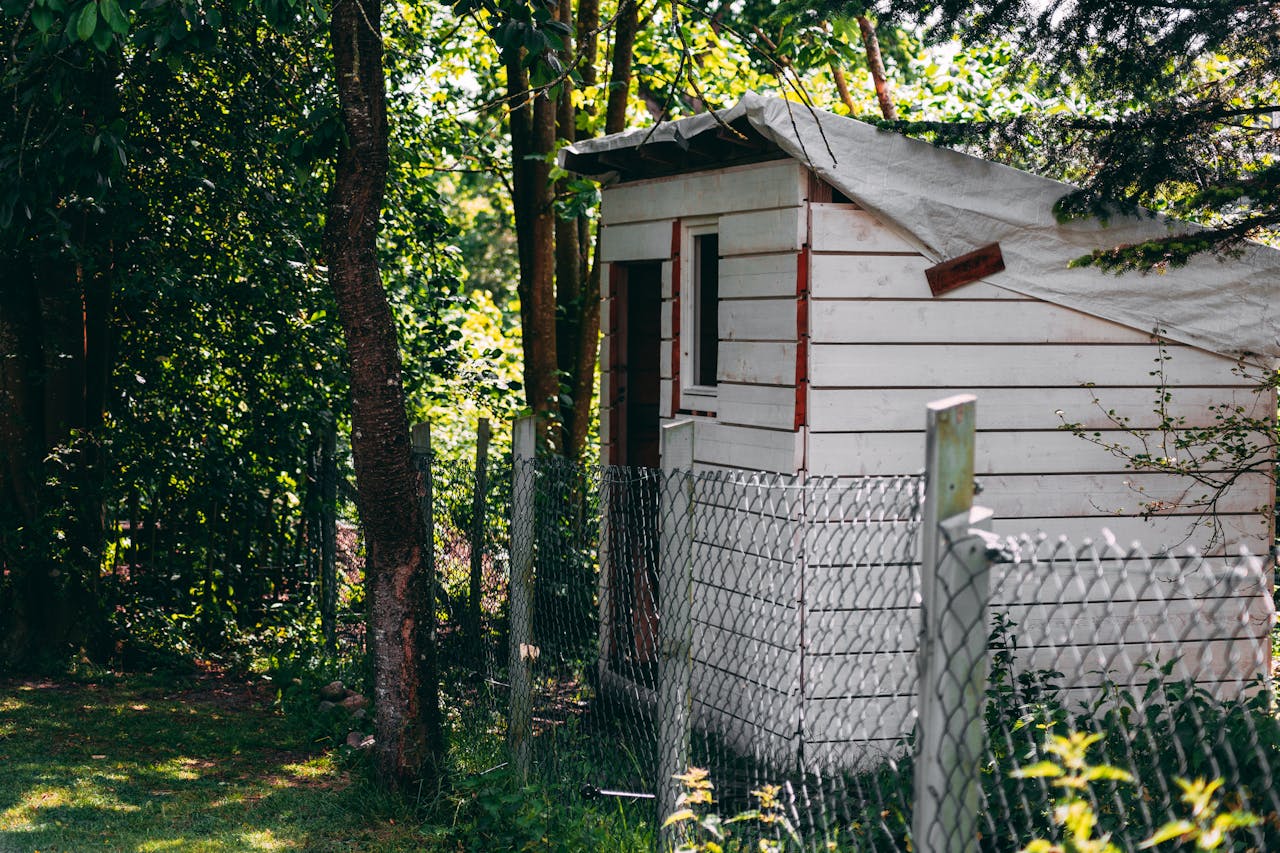
A garden shed can be a great storage space for outdoor items, but without proper protection, these items can be damaged by the elements, insects, or rodents.
Make sure your shed is weatherproof and secure. For added protection, store items in plastic bins instead of leaving them out in the open.
16. Using a Coffee Table with Storage for Clutter

A coffee table with storage can seem like a great way to hide clutter, but it’s easy to forget about what’s stored inside and let it become a mess of random items.
Try to use the storage in your coffee table for specific items like remote controls, magazines, or board games. Regularly declutter this space to keep it organized and useful.