Emotional clutter at home is not just about what you see, it is about how your surroundings quietly shape your mood, energy, and sense of control. Research and lived experience increasingly point to a simple pattern: when clutter builds up, you tend to feel worse about your home and yourself. These sixteen everyday trouble spots show how physical mess can translate into emotional weight, and how noticing that link is the first step toward relief.
1) Unorganized Kitchen Counters
Unorganized kitchen counters are often the first place you notice that clutter is making you feel bad. When every surface is covered with dishes, appliances, and unopened packages, the room that should nourish you instead signals chaos. Experts discussing whether clutter is making you feel bad highlight how a messy environment can drag down mood and increase stress. In a kitchen, that stress shows up as decision fatigue about what to cook, embarrassment about having guests, or a constant sense that you are behind on basic tasks.
Those emotional reactions matter because the kitchen is a shared hub, and tension there often spills into the rest of the home. When you feel overwhelmed by counters you cannot use, you may delay cooking, rely more on takeout, or snap at family members who add to the mess. Over time, that cycle can reinforce negative beliefs about your ability to manage daily life. Clearing even one small zone, like a coffee station or prep area, can interrupt that pattern and give you a visible win that lightens the emotional clutter.
2) Piles of Unread Mail
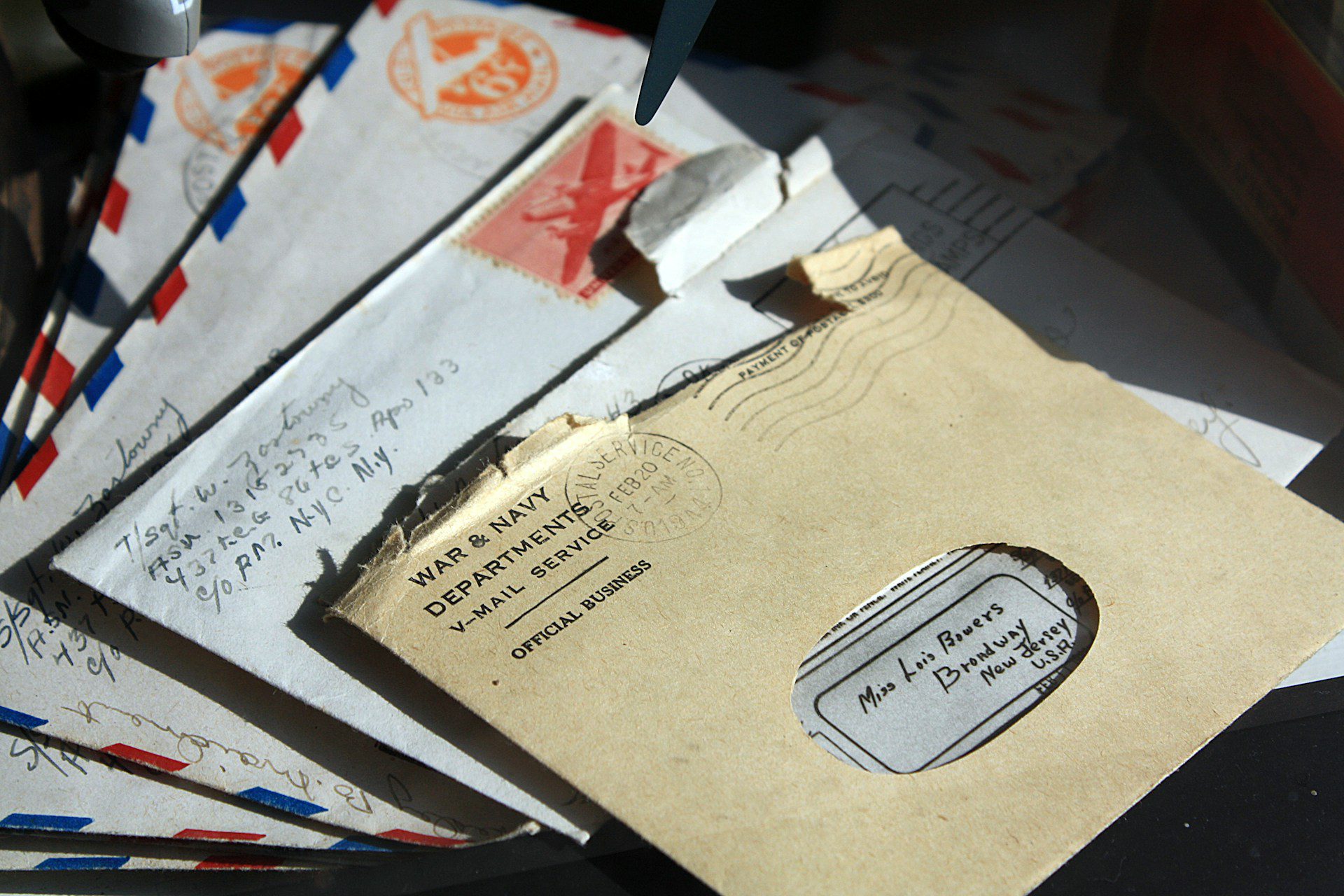
Piles of unread mail create a different kind of emotional clutter, one rooted in unfinished business and quiet dread. Each envelope can represent a bill, a medical notice, or a form you might be avoiding, so the stack becomes a physical reminder of everything you have not handled. People describing the clutter, depression, and anxiety cycle talk about feeling “sick that it’s piling up” and overwhelmed by what they have let slide. That same feeling often surfaces when you glance at a leaning tower of paperwork on the entry table.
The emotional cost is not just worry about money or deadlines, it is the constant background message that you are failing at basic adult tasks. That message can feed shame, which then makes it even harder to open the mail and sort it. For many people, setting up a simple system, such as a weekly ten-minute mail review or automatic bill pay, is less about organization and more about reclaiming a sense of competence. Reducing that paper clutter can ease anxiety and free up mental space for more meaningful parts of home life.
3) Scattered Children’s Toys
Scattered children’s toys can turn even a loving home into a source of stress, especially when every room feels like a playroom. Parents who confront toy overload often report that the clutter itself is what makes them feel bad, not the toys or the children. One parent describing toy clutter stress said they had to accept letting go of items they once thought were great because those objects were causing ongoing stress. That stress is compounded when you are constantly stepping on blocks or tripping over plastic cars.
The emotional stakes extend to kids as well. Research on the emotional toll of clutter on kids’ mental health has found that children in disorganized homes are more likely to experience heightened stress and anxiety. When toys are everywhere, children can struggle to focus on one activity, and parents may feel guilty for both the mess and the tension it creates. Creating clear limits on how many toys stay out, and involving kids in simple pick-up routines, can reduce that emotional clutter for the entire family.
4) Overfilled Closets
Overfilled closets are a classic source of emotional clutter, turning getting dressed into a daily stress test. When clothes are crammed together, you may struggle to find what fits or feels good, and the clutter itself can make you feel bad about your body or your past choices. People who describe feeling anxious around clutter often mention the sense of restriction and pressure that comes from spaces packed too tightly, similar to the anxiety discussed in a thread on spouse clutter and anxiety. A closet you cannot close easily sends the same message of being hemmed in.
That emotional weight shows up as decision fatigue, self-criticism, and even avoidance of social events because you “have nothing to wear” despite owning many items. Over time, the closet becomes a museum of regret, filled with sizes that no longer fit or impulse purchases that never suited you. Editing your wardrobe to what you actually use is not just a style upgrade, it is a mental health shift. A calmer closet can reduce morning stress, support a more stable self-image, and make your bedroom feel more like a retreat than a storage unit.
5) Dusty Bookshelves
Dusty bookshelves may look harmless, but they often carry a heavy emotional charge. Each unread novel, abandoned craft book, or outdated manual can represent a project you never finished or a version of yourself you did not become. When clutter makes you feel bad, as highlighted in discussions of how clutter affects mental health, it is often because those objects trigger guilt and self-judgment. A shelf coated in dust quietly reminds you that you have not had time or energy for the interests you once valued.
The stakes go beyond simple housekeeping. When you walk past those shelves every day, you may internalize the idea that you are someone who never follows through, which can sap motivation in other areas. Curating your books and decor to reflect what you genuinely enjoy now, rather than every aspiration you have ever had, can lighten that emotional load. Even choosing a small section to clean and reorganize can shift the narrative from “I never finish anything” to “I am actively shaping my space,” which supports a healthier relationship with your home and your time.
6) Unused Exercise Equipment
Unused exercise equipment sitting in a corner or doubling as a clothes rack is a potent source of emotional clutter. Every time you see a treadmill draped with laundry or a stationary bike gathering dust, you may feel a pang of failure. People caught in the connection between clutter and decreased well-being often describe how clutter leads to negative feelings about their home, and unused fitness gear adds a layer of self-criticism about health and discipline. The equipment becomes a physical reminder of goals you have not met.
That constant reminder can fuel a cycle of avoidance. You might avoid the room where the equipment sits, feel discouraged about starting any new routine, or compare yourself harshly to others. The emotional stakes are high because health is tied to identity and long-term hopes. Deciding whether to sell, donate, or intentionally use one piece of equipment can break that cycle. Turning the space into something you actually enjoy, such as a reading nook or a simple stretching area, can replace guilt with a sense of agency and reduce the emotional clutter tied to unrealistic expectations.
7) Cluttered Home Office Desk
A cluttered home office desk directly undermines focus and amplifies anxiety, especially when work and home life already blur together. When papers, cords, and random objects cover your workspace, it becomes harder to think clearly, and the mess itself can make you feel bad about your productivity. Discussions of how clutter contributes to stress and anxiety emphasize that visual overload can trigger mental overload. At a desk, that overload often shows up as procrastination, scattered attention, and a sense that you are constantly behind.
The implications reach beyond your to-do list. If you work from home, a chaotic desk can erode boundaries, making it feel as if work never really ends and rest never fully begins. That blurring can strain relationships and increase burnout. Clearing your immediate work zone, even if the rest of the room stays imperfect, can create a psychological cue that supports focus and calm. Simple habits like ending the day with a five-minute tidy or using trays for active projects can reduce emotional clutter and help you feel more in control of your workload.
8) Accumulated Digital Cables
Accumulated digital cables, chargers, and adapters may seem like minor clutter, but they quietly chip away at your sense of order. A basket overflowing with tangled cords or a drawer stuffed with mystery cables can make you feel bad every time you dig for the one you need. The broader pattern matches what experts describe when they ask if clutter is making you feel bad, because even small messes contribute to a background hum of irritation and stress. In living areas, that irritation often surfaces during already tense moments, like a low-battery warning before a video call.
Beyond annoyance, cable clutter signals how quickly technology accumulates and becomes obsolete, which can stir up frustration about waste and constant upgrades. When cords spill out of drawers or trail across floors, they also visually disrupt spaces meant for relaxation. Sorting cables by device, labeling what you keep, and recycling extras can transform a chaotic tangle into a manageable kit. That small act of control reduces emotional clutter by turning a recurring frustration into a solved problem, reinforcing the idea that you can shape your environment instead of being buried by it.
9) Forgotten Holiday Decorations
Forgotten holiday decorations stuffed into closets or garages carry a unique emotional weight. Boxes of tangled lights, broken ornaments, and outdated inflatables can make you feel bad not only about the mess but also about traditions that no longer fit your life. When clutter contributes to feelings of stress and anxiety, seasonal items are a common culprit, because they are used briefly and then ignored for most of the year. Opening those boxes can trigger a mix of nostalgia, regret, and dread about the work required to sort them.
The stakes are emotional as well as practical. Holiday clutter can turn what should be joyful rituals into logistical headaches, making you less likely to decorate or host gatherings. That, in turn, may leave you feeling disconnected from family traditions or guilty about not creating memories for children. Curating decorations to a manageable, meaningful collection can ease that pressure. Keeping only what you truly enjoy displaying, and storing it in clearly labeled containers, reduces the emotional clutter tied to past expectations and makes future celebrations feel lighter and more intentional.
10) Overflowing Pantry Staples
Overflowing pantry staples, from expired cans to half-used bags of flour, create a quiet but persistent form of emotional clutter. Every time you open a crowded pantry, you may feel bad about wasted food, forgotten ingredients, and money spent on items you never used. The pattern mirrors broader findings that clutter often causes stress and anxiety, because visual chaos in a practical space like the kitchen undermines your sense of competence. It becomes harder to plan meals, track what you have, or cook without frustration.
That frustration can ripple into family dynamics, especially when mealtimes are already pressured. You might snap at someone for putting groceries in the “wrong” place or avoid cooking altogether because the pantry feels unmanageable. Over time, the clutter can reinforce a story that you are disorganized or wasteful. A focused pantry reset, starting with checking dates and grouping similar items, can shift that narrative. Seeing clear shelves and accessible staples supports smoother routines and reduces the emotional clutter that comes from facing a small crisis every time you look for dinner ingredients.
11) Stacked Laundry Baskets
Stacked laundry baskets, whether full of dirty clothes or clean items waiting to be folded, are a visible symbol of unfinished work. When baskets linger in hallways or bedrooms, they broadcast a constant message that you are behind, which can make you feel bad about your ability to manage basic care. People who describe how clutter feeds depression and anxiety often mention the overwhelm of chores that never seem done. Laundry piles fit that pattern perfectly, turning everyday maintenance into a source of ongoing emotional clutter.
The stakes are not just about neatness. When laundry dominates shared spaces, it can fuel resentment between partners or family members, especially if one person feels they carry most of the load. That resentment can quietly erode goodwill and make home feel more like a workplace than a refuge. Establishing smaller, more frequent loads, or assigning clear roles for washing, folding, and putting away, can reduce both the physical and emotional backlog. Even designating a single, out-of-sight spot for baskets can help contain the visual noise and ease the sense of constant failure.
12) Miscellaneous Garage Items
Miscellaneous garage items, from half-empty paint cans to boxes of unknown contents, often represent the heaviest emotional clutter in a home. Garages easily become dumping grounds for postponed decisions, and every time you open the door, you may feel bad about projects you never finished or belongings you never sorted. When people talk about how clutter makes them very anxious, they frequently describe spaces that feel unusable and overwhelming, which is exactly how an overstuffed garage can feel.
The implications go beyond parking the car. A chaotic garage can prevent you from accessing tools, seasonal gear, or emergency supplies, which undermines your sense of preparedness and safety. It can also become a flashpoint in relationships if one person’s stored items crowd out everyone else’s needs. Tackling the garage in small, clearly defined zones, such as one shelf or one box at a time, can chip away at that emotional burden. Turning the space into a functional area, whether for storage, hobbies, or parking, restores a sense of control and reduces the background stress of knowing there is a whole room you avoid.
13) Crowded Bathroom Shelves
Crowded bathroom shelves lined with expired products, nearly empty bottles, and unused samples create daily emotional clutter in one of the most personal spaces in your home. Each time you reach for skincare or medication and have to dig through layers of stuff, you may feel bad about money wasted and routines abandoned. The broader pattern reflects how clutter can decrease well-being by turning simple tasks into small stressors. In a bathroom, that stress shows up first thing in the morning and last thing at night, bookending your day with frustration.
The stakes are intimate, because bathrooms are where you care for your body and health. When shelves are chaotic, you might skip self-care steps, forget important prescriptions, or feel embarrassed when guests see the mess. That embarrassment can feed a sense of being out of control in other areas. Streamlining products to what you actually use, and giving each category a clear home, can transform the space into a calmer, more supportive environment. A tidy shelf reinforces the idea that you are worth the time and attention it takes to maintain order, reducing emotional clutter tied to neglect.
14) Unpacked Moving Boxes
Unpacked moving boxes sitting for months in corners or spare rooms are a powerful symbol of emotional clutter. Each box holds items you have not yet decided how to integrate into your new life, and seeing them daily can make you feel bad about not being “settled.” The stress mirrors what people describe when clutter leads to decreased well-being, because the unfinished state of the home keeps you in a limbo mindset. Instead of feeling grounded, you may feel like a perpetual guest in your own space.
The implications are significant for how you connect to your home and community. When boxes block rooms or closets, you might delay inviting friends over or fully using the space, which can slow your sense of belonging. The clutter also complicates daily routines, as you hunt through cartons for items you need. Tackling one box at a time, starting with those that affect everyday life, can gradually shift the emotional tone from temporary to permanent. Each emptied box is a concrete sign that you are claiming the space, reducing the emotional clutter of an unfinished move.
15) Scattered Remote Controls
Scattered remote controls may seem trivial, but they contribute to emotional clutter by injecting small bursts of frustration into your downtime. When you cannot find the right remote for the TV, soundbar, or streaming device, relaxation quickly turns into irritation. That irritation fits the broader pattern in which clutter causes stress, because even minor disorganization can make you feel bad when it interrupts rest. In shared living rooms, the scramble for remotes can also spark petty arguments that feel disproportionate to the actual problem.
The stakes are subtle but real. Evenings are often the only time families have to connect, and repeated annoyances around simple activities can erode that limited window of calm. Over time, you may associate the living room with hassle rather than comfort. Consolidating controls with a universal remote, designating a specific tray or basket, or using wall-mounted holders can reduce those micro-stressors. When you remove the constant hunt for small objects, you protect your downtime from unnecessary tension and cut back on the emotional clutter that accumulates through repeated minor conflicts.
16) Excess Souvenirs on Display
Excess souvenirs on display, from vacation trinkets to sentimental gifts, can quietly shift from cherished memories to emotional clutter. When every surface is crowded with mementos, you may feel bad without fully understanding why, caught between nostalgia and the stress of visual overload. Some experts describe clutter as a tornado of distraction that can cause stress and affect emotional regulation, and a dense collection of souvenirs fits that description. Instead of highlighting a few meaningful pieces, the sheer volume can blur individual memories and make cleaning feel impossible.
The stakes are deeply personal, because these items often represent relationships, milestones, or places you love. Letting go can feel like erasing part of your history, which is why many people keep everything and then feel overwhelmed. A more intentional approach, such as choosing one or two items per trip or person to display prominently, allows your favorites to stand out while reducing the overall clutter. Storing or photographing the rest preserves the memories without crowding your space. That balance helps transform your home from a museum of the past into a place that supports how you want to live now, easing the emotional weight of too many reminders.