Your bathroom should be a place to reset, not a storage unit for expired, grimy, or unsafe clutter. Many everyday items quietly become ineffective or even hazardous long before you notice. By targeting a few specific categories, you can clear space, cut health risks, and make cleaning easier in a single sweep.
1) Expired Medications

Expired medications belong at the top of the toss list because their active ingredients can degrade, making them either ineffective or unexpectedly potent. Guidance on things to get rid of in a bathroom notes that keeping old prescriptions in a humid cabinet increases the chance that tablets crumble, capsules stick, and labels fade. That combination raises the risk of taking the wrong dose or confusing one drug for another, especially when containers look similar or are missing instructions.
There is also a safety issue for children, guests, or pets who might access half-used bottles that no longer match the original prescription. In an emergency, relying on expired pain relievers, inhalers, or antibiotics can delay proper treatment because you assume you are covered when you are not. Instead of flushing pills, use local take-back programs or pharmacy drop boxes so you protect both your household and your plumbing.
2) Old Makeup
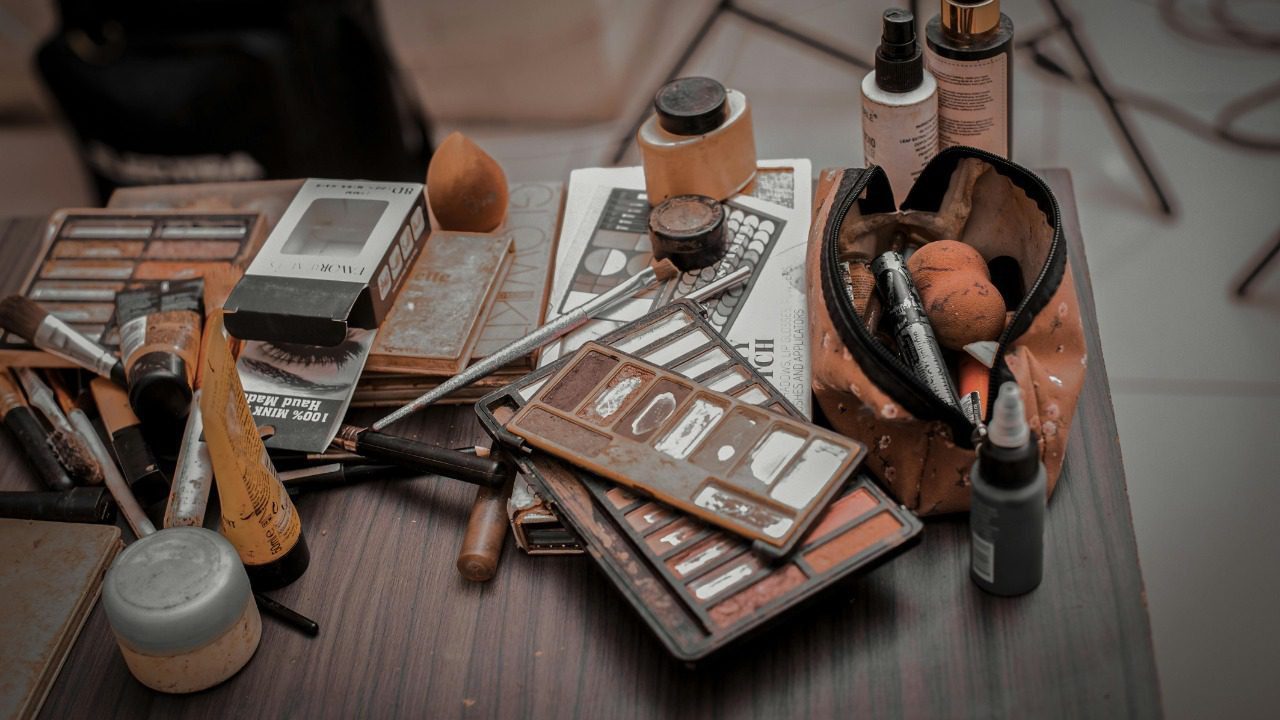
Old makeup is another bathroom staple that should not linger. Over time, products like mascara, liquid eyeliner, and foundation become breeding grounds for bacteria that thrive in warm, moist environments. Dermatology guidance on when to replace makeup and sunscreen explains that bacteria and mold can contaminate these items and lead to eye infections or skin conditions such as impetigo. Once preservatives break down, even powders can irritate sensitive skin or clog pores.
Health experts who focus on older makeup warn that expired products may trigger breakouts, redness, or more serious eye issues. Tubes that smell off, change color, or separate into layers are clear signs they should be tossed. Keeping a small marker in your vanity and writing the open date on each product helps you track when to replace it, reducing the chance that a forgotten tube of mascara undermines your skincare routine.
3) Dried-Out Toiletries
Dried-out toiletries, from solidified face creams to crusty hair gels, no longer deliver the benefits you bought them for. Advice on bathroom items to toss highlights that products exposed to repeated temperature changes and steam often separate, thicken, or form clumps. Once that happens, active ingredients may not spread evenly on your skin or hair, so you waste time applying something that cannot hydrate, protect, or style as intended.
These half-used jars and bottles also crowd shelves and drawers, making it harder to see what you actually use. That clutter encourages duplicate purchases and can hide fresher items behind a wall of expired ones. A quick test is to check texture and smell; if a lotion feels grainy or a serum has a rancid scent, it is safer to discard it than to risk irritation or a rash from degraded ingredients.
4) Rusty Razors
Rusty razors are a clear-cut candidate for the trash because rust can harbor bacteria and increase the chance of nicks that become infected. Guidance on 6 Things to Throw Away in Your Bathroom notes that throwing away worn-out razors helps you avoid discomfort and keep your skin healthier. When blades dull and oxidize, you tend to press harder, which scrapes the surface and leaves micro-cuts that bacteria can exploit.
Storing razors in a constantly damp shower caddy speeds up rust formation and encourages soap scum buildup between blades. That residue can trap skin cells and microbes, turning each shave into a potential source of irritation. Replacing cartridges regularly, drying razors after use, and keeping them away from direct spray reduces both waste and the risk of razor burn or folliculitis.
5) Worn-Out Toothbrushes
Worn-out toothbrushes with frayed bristles are another small item with outsized health consequences. Lists of Old Toothbrushes as clutter emphasize that once bristles splay outward, they cannot reach between teeth or along the gumline effectively. That means plaque and food particles stay behind, increasing your risk of cavities and gum disease even if you brush twice a day.
Old brushes also accumulate oral bacteria, especially if they are stored in a shared cup where heads touch. After an illness, continuing to use the same toothbrush can reintroduce germs into your mouth. Dentists typically recommend replacing manual brushes or electric heads every three to four months, or sooner if you notice visible wear, so your daily routine actually delivers the cleaning power you expect.
6) Empty Product Containers
Empty product containers may seem harmless, but they quietly eat up valuable bathroom real estate. Advice on kitchen things to throw away points out that packaging clutter in any room makes it harder to see what you have and to keep surfaces clean. The same logic applies to shampoo bottles with a single drop left, dried-up toothpaste tubes, and nearly empty soap dispensers that linger on your counter.
Holding on to empties also complicates restocking, because you cannot quickly tell which products are truly gone. Instead, decant what is left into one container if you must, then recycle or toss the extras. A small bin dedicated to items ready for the recycling pickup keeps them from drifting back into drawers, and it reinforces the habit of clearing packaging as soon as it stops serving a purpose.
7) Frayed Towels
Frayed towels that have lost their loops and softness are more than an aesthetic issue. Guidance that urges you to Take the opportunity to toss worn linens notes that thin, scratchy towels absorb less water and can make the whole space feel dingy. When fibers break down, they trap moisture instead of wicking it away, which encourages musty odors and mildew growth, especially in small, poorly ventilated bathrooms.
These aging textiles also shed lint and can leave fuzz on your skin or in the washing machine filter. Retiring them does not have to mean waste; many people cut old bath towels into cleaning rags or use them for pet care. The key is to remove them from your daily rotation so your bathroom feels fresher and dries faster after every shower.
8) Outdated Cleaning Sponges
Outdated cleaning sponges are another hidden hygiene problem. Once a sponge has been used repeatedly on sinks, toilets, and tile, it can become saturated with soap scum, skin cells, and bacteria. Lists of bathroom items to toss stress that these tools eventually stop scrubbing effectively and start spreading germs from one surface to another.
Because bathrooms are humid, sponges rarely dry completely between uses, which gives microbes more time to multiply. If a sponge smells sour, crumbles, or leaves streaks instead of lifting grime, it is overdue for replacement. Switching to washable microfiber cloths or assigning separate sponges for the toilet and sink can cut cross-contamination and make your cleaning routine more efficient.
9) Expired First-Aid Supplies
Expired first-aid supplies, including ointments, antiseptic wipes, and bandages, undermine your ability to respond quickly when someone gets hurt. Lists of Things You Should Toss From Your Basement highlight how old medical items stored for years can lose effectiveness, and the same principle applies to the bathroom medicine cabinet. Adhesive on bandages can dry out so they no longer stick, and creams may separate or lose potency.
In a real emergency, discovering that your only gauze pads are yellowed or that your antibiotic ointment has expired can delay proper care. That gap matters for infection control and for minor injuries that might otherwise heal quickly. A yearly check of expiration dates, paired with a simple checklist taped inside the cabinet door, helps ensure that what you reach for in a crisis actually works.
10) Unused Bathroom Gadgets
Unused bathroom gadgets, from novelty foot massagers to rarely touched hair tools, quietly consume storage space and collect dust. Professional organizers who discuss 10 things in your car to throw out ASAP often point out that items you never use make it harder to access what you truly need, and that logic translates directly to crowded vanities. When drawers are packed with single-purpose devices, you are more likely to forget about them and less likely to keep the area clean.
Dusty gadgets also complicate sanitizing surfaces, because you have to move and wipe around each object. In a damp bathroom, that dust can mix with moisture and form grime on cords and handles. A practical rule is to donate or discard any tool you have not used in the last year, freeing up space for everyday essentials like a reliable hair dryer or electric toothbrush.
11) Dental Floss
Dental floss itself is essential for oral health, but used strands should never go down the toilet or sink. Lists of Common Household Items You Should Never Flush explain that floss does not break down in water and can wrap around other debris in pipes, forming stubborn clogs. When flushed, it can tangle with hair, wipes, and other materials, creating rope-like masses that block drains and strain municipal systems.
Even small pieces tossed into the sink can accumulate in the trap, especially in older plumbing. Over time, that buildup may require professional cleaning or pipe replacement, which is far more expensive than simply using a trash bin. Keeping a small covered can near the toilet or vanity makes it easy to discard floss properly and protects both your plumbing and local wastewater infrastructure.
12) Stored Grease Jars
Stored grease jars in the bathroom might seem like a clever way to keep cooking fats out of the kitchen trash, but pouring that grease down the drain later is a serious mistake. Guidance on Things You Can Toss From Your Nightstand Today underscores how small, overlooked items can create clutter, and bathroom grease jars fit that pattern while also threatening your pipes. When hot grease cools, it solidifies on the inside of plumbing, narrowing the passage for water.
In combination with items like dental floss or hair, congealed fat can form hard blockages that are difficult to remove. Storing jars of grease in a humid bathroom also invites odors and can attract pests if lids are not tightly sealed. A safer approach is to let grease harden in a disposable container in the kitchen, then throw it in the trash instead of relocating the problem to your bathroom.
13) Damp Travel Toiletries
Damp travel toiletries that come home from a trip and land in your bathroom can quickly become mold magnets. Experts who outline what to do when you get home from vacation advise unpacking and drying items immediately, because sealed pouches and plastic bags trap moisture. When those damp bottles and bars sit in a warm bathroom, mold and mildew can grow on caps, seams, and fabric toiletry kits.
Using products contaminated with mold can irritate skin, especially in areas you shave or where the skin is already sensitive. It also spreads spores onto shelves and into drawers. After a trip, empty your toiletry bag, discard any leaky or nearly empty containers, and leave the bag open to air out so you are not reintroducing hidden moisture problems into an already humid room.
14) Faded-Label Products
Faded-label products, including shampoos, soaps, and skincare bottles, pose a quiet safety risk because you can no longer confirm what they are or when they expire. Lists of things to get rid of in a bathroom point out that unreadable labels make it easy to confuse similar containers, such as medicated creams and regular moisturizers. Without clear instructions, you might apply something too frequently, not often enough, or to the wrong part of the body.
There is also a risk for households with children or guests, who may assume any unmarked bottle is safe. If you cannot read the active ingredients, dosage, or expiration date, it is safer to discard the product than to guess. Going forward, consider labeling decanted products with simple waterproof stickers so you always know what is in each container and how to use it correctly.
15) Old Storage Bins
Old storage bins that once held bathroom supplies but now live in the basement can create problems of their own. Lists of Things You Should Toss From Your Basement describe how cardboard storage boxes and other containers attract pests and absorb moisture. When you stash extra toiletries or linens in warped, dusty bins, you risk bringing insects, mold spores, or dirt back into your bathroom the next time you retrieve something.
Plastic bins can also crack over time, leaving sharp edges and spilling contents onto damp floors. Instead of keeping every old container, sort through them and discard those that are stained, brittle, or smell musty. Investing in a few sturdy, sealable bins for overflow bathroom items protects what you store and keeps your main bathroom from becoming a revolving door for basement grime.
16) Misplaced Combs
Misplaced combs and other bathroom tools that migrate into the bedroom or living room may seem like a minor issue, but they can contribute to cross-contamination. Organizing advice on things you should toss from your bedroom ASAP notes that stray personal-care items clutter nightstands and collect dust. When you use a comb that has been sitting on a bedside table, you transfer bedroom dust, skin flakes, and possibly pet dander back to your scalp.
That cycle can aggravate dandruff or scalp irritation and spreads bathroom bacteria into spaces meant for rest. Keeping grooming tools corralled in the bathroom, ideally in a clean drawer or caddy, reduces that back-and-forth. If a comb or brush has spent months in another room, especially near food or on the floor, it is often easier to replace it than to risk lingering contamination.