In a world that’s increasingly hectic and chaotic, many of us crave simplicity, tranquility, and peace. The serenity we seek is often buried under piles of clutter in our homes and workplaces. Clutter, whether physical or mental, can be a major source of stress and can significantly impact our joy and happiness.
If you’ve ever felt overwhelmed by the chaos around you, then this blog post is for you. Here are 16 ways clutter blocks your joy and how you can reclaim your joy by decluttering.
1. Clutter Overwhelms Your Senses

Every item in your environment is information for your senses to process. When you’re surrounded by clutter, your brain has to work overtime to filter out the unnecessary stimuli. This can lead to feelings of overwhelm and exhaustion.
Studies have shown that clutter can increase feelings of anxiety and make it harder to relax. To bring back joy, try to keep your living and working spaces as clean and orderly as possible. Start small by decluttering one area at a time, and notice how much calmer you feel in a clutter-free environment.
2. Clutter Distracts Your Focus

Clutter is visually distracting. It can draw your attention away from what you should be focusing on, making it harder to concentrate and complete tasks. This can lead to decreased productivity and increased stress.
Research suggests that a cluttered environment can negatively affect your ability to focus and process information. To reclaim your joy, try creating a dedicated workspace free from clutter. You might be surprised at how much more productive and focused you feel.
3. Clutter Wastes Your Time

Clutter makes it harder to find what you need when you need it. The time spent searching for lost items can add up quickly, leading to unnecessary stress and frustration.
A study by the National Association of Professional Organizers found that the average person wastes up to an hour a day looking for misplaced items. To reclaim your joy, try organizing your belongings in a way that makes sense to you. Label things if necessary, and make sure everything has a home.
4. Clutter Encourages Procrastination

When faced with a cluttered space, it’s easy to feel overwhelmed and put off tasks. This leads to procrastination, which only adds to your stress and decreases your joy.
To overcome this, break down large decluttering tasks into small, manageable parts. Start with just five minutes a day. You’ll be amazed at the difference it makes, and you’ll feel a sense of accomplishment that can boost your mood and motivation.
5. Clutter Triggers Guilt and Embarrassment

Clutter can make you feel guilty or embarrassed, especially when you have guests over. This negative self-perception can greatly impact your joy and self-esteem.
Professional organizers suggest starting a decluttering routine to maintain a tidy space. This not only keeps your space clean, but also boosts your self-confidence and makes you proud of your home.
6. Clutter Creates Unfinished Business

Clutter is a constant reminder of tasks that need to be done, creating a sense of unfinished business. This can cause anxiety and prevent you from fully enjoying your downtime.
To address this, set aside specific times to declutter and organize. This way, you can enjoy your free time without the nagging feeling of unfinished tasks.
7. Clutter Costs Money

Clutter can lead to unnecessary expenses, such as late fees for misplaced bills or buying duplicates of items you can’t find. These expenses can cause financial stress and decrease your joy.
To avoid this, establish a system for managing paperwork and other important items. This will help you stay on top of your finances and avoid unnecessary expenses.
8. Clutter Makes Cleaning More Difficult
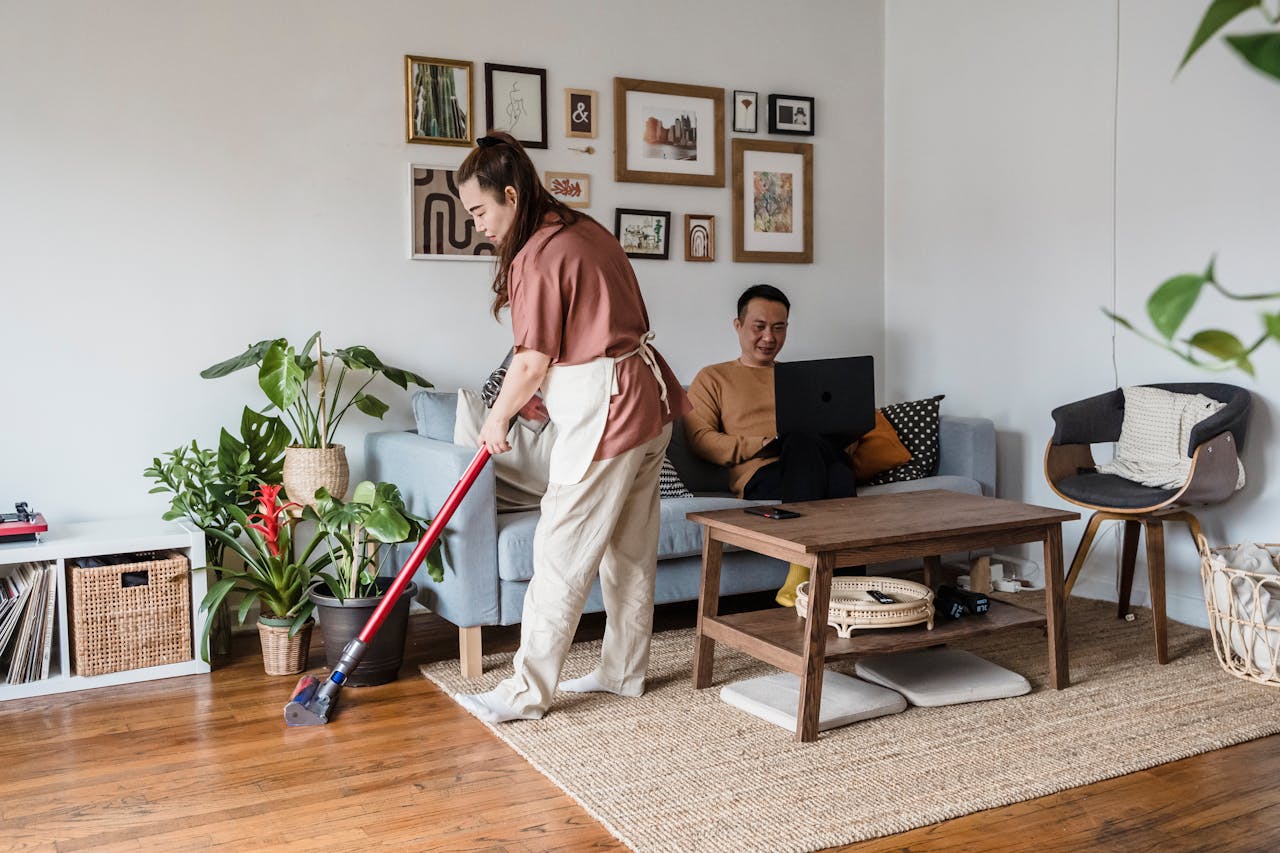
Clutter makes cleaning your home or office more difficult and time-consuming. When you have to move piles of stuff just to vacuum or dust, cleaning becomes a daunting task.
To make cleaning easier, try to keep surfaces clear and items organized. This will make your cleaning routine quicker, easier, and less stressful.
9. Clutter Can Harm Your Physical Health

Clutter can lead to dust accumulation and poor air quality, which can trigger allergies and other health issues. Plus, cluttered spaces can create safety hazards, such as tripping over items or having something fall on you.
To protect your health, make it a priority to maintain a clean, clutter-free environment. Regular decluttering can help reduce dust and improve air quality, making your space healthier and more enjoyable.
10. Clutter Can Negatively Affect Your Relationships

Clutter can cause tension and conflict in relationships, especially if one person is more tolerant of clutter than the other. Disagreements over clutter can lead to stress and decreased joy in your relationships.
To avoid this, communicate openly about your clutter habits and work together to find a solution that works for everyone.
11. Clutter Keeps You Stuck in the Past

Holding onto clutter can be a way of holding onto the past. This can prevent you from moving forward and fully enjoying your present life.
To let go of the past, consider why you’re holding onto certain items. If they don’t bring you joy or serve a purpose, it might be time to let them go.
12. Clutter Can Make You Feel Out Of Control

Having a cluttered home or workspace can make you feel like your life is out of control. This lack of control can lead to feelings of stress and dissatisfaction.
To regain control, start by decluttering one small area at a time. As you see progress, you’ll feel more in control and more satisfied with your environment.
13. Clutter Can Cause Decision Fatigue

Dealing with clutter means making countless decisions about what to keep, what to throw away, and where to put things. This can lead to decision fatigue, which can decrease your happiness and productivity.
To combat decision fatigue, try to make decluttering decisions when you’re fresh and rested. And remember, it’s okay to take breaks and pace yourself.
14. Clutter Can Overwhelm Your Children

Children can be overwhelmed by too much stuff, just like adults. A cluttered environment can make it harder for them to focus and can create unnecessary stress.
To help your children, teach them good organizing habits from a young age. Make decluttering a family activity and show them the benefits of a clutter-free environment.
15. Clutter Can Lead to Social Isolation

If you’re embarrassed by your clutter, you might avoid inviting people over, leading to feelings of isolation.
To overcome this, start by decluttering the areas of your home where you entertain guests. You’ll feel more comfortable inviting people over, which can lead to increased social interaction and joy.
16. Clutter Can Block Positive Energy
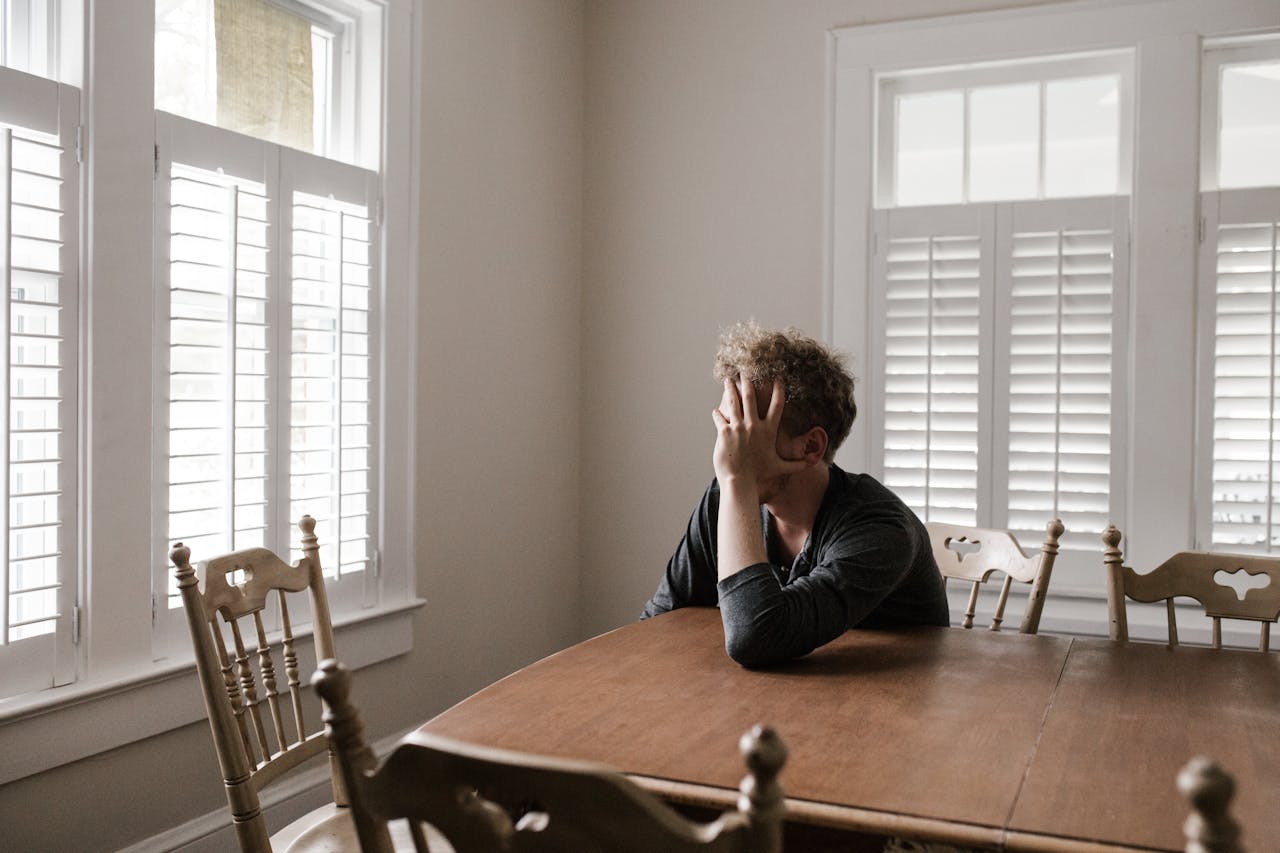
According to the principles of Feng Shui, clutter can block the flow of positive energy in your home. This can lead to feelings of stagnation and decrease your overall sense of well-being.
To enhance the positive energy in your home, try to keep your spaces clear and open. This can help to create a more peaceful and joyful environment.