Cleaning is an essential part of our everyday lives. However, there’s a thin line between cleaning effectively and wasting time doing needless tasks or using inefficient methods. We often fall into certain cleaning habits that, unbeknownst to us, are actually counterproductive and time-consuming.
This post will highlight 17 cleaning habits that are wasting your precious time and offer alternatives that will help you clean more efficiently, freeing up your time for more enjoyable activities.
1. Overusing Cleaning Supplies

Using excessive amounts of cleaning supplies doesn’t mean that your home will be cleaner. Instead, it leads to a wastage of products and time spent rinsing or wiping away the excess. For most cleaning tasks, a small amount of product is sufficient.
For example, when washing dishes, a few drops of dish soap can effectively clean a whole sink full of dishes. Similarly, when cleaning surfaces, a spritz or two of your cleaning product is usually enough. Overusing cleaning supplies can also potentially damage surfaces or leave residue that attracts dirt, meaning you’ll need to clean more frequently.
2. Cleaning With Dirty Tools

Cleaning with dirty tools is counterproductive, as you’ll only end up spreading dirt and bacteria around. This applies to everything from mop heads and vacuum filters to dish sponges and cloths.
Ensure that you regularly clean or replace your cleaning tools. For instance, you should replace your dish sponge every week and your vacuum filters every 3-6 months, depending on use. By doing so, you’ll reduce the spreading of germs and increase the effectiveness of your cleaning.
3. Not Cleaning Top to Bottom

When cleaning a room, it’s best to start from the top and work your way down. This method ensures that any dust or dirt that falls from higher surfaces will be cleaned up as you work your way down.
However, many people start cleaning at eye level and work their way around the room, only to find they have to re-clean lower surfaces because dust has fallen from above. Adopting a top-to-bottom cleaning strategy will save you time and effort.
4. Ignoring Small Messes Until They Become Big Ones
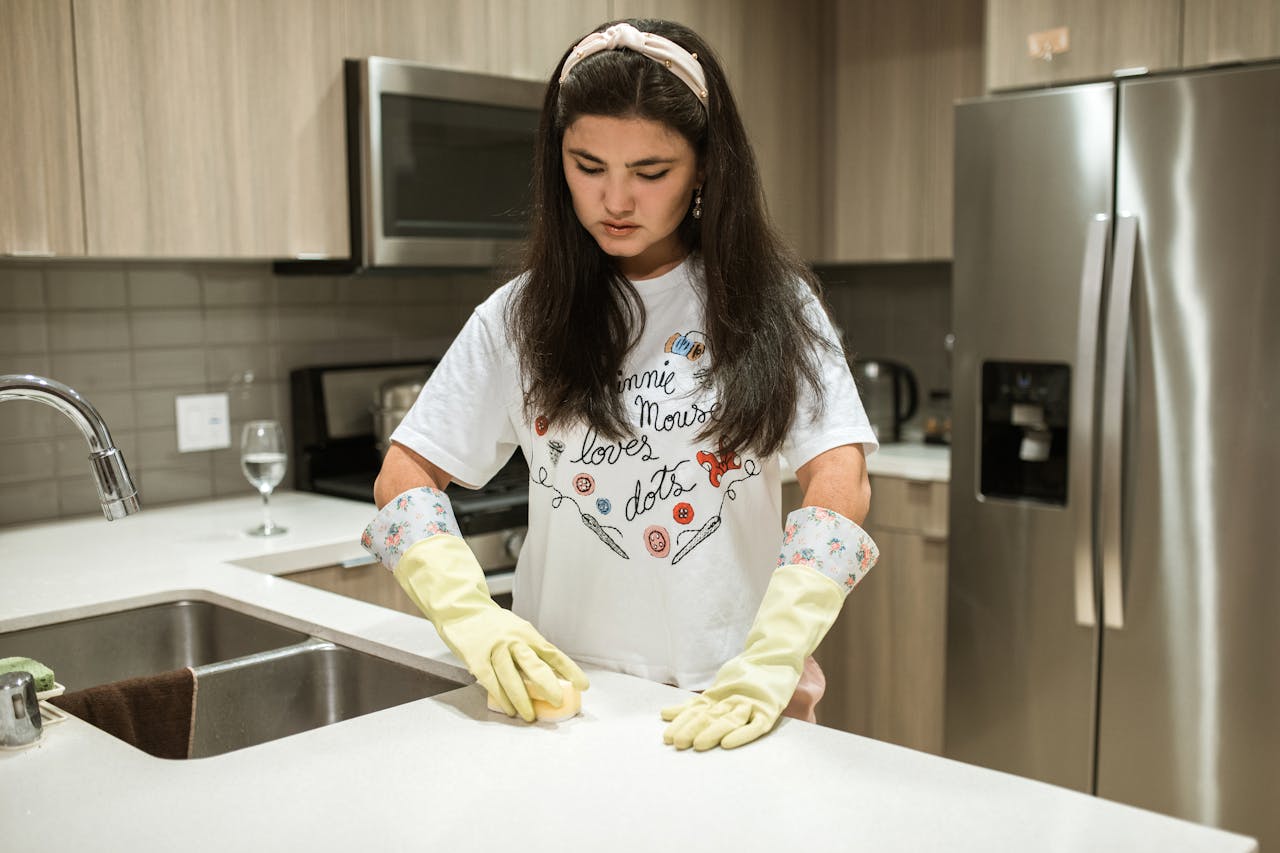
It’s easy to ignore a small mess and tell yourself you’ll clean it later. However, these small messes can quickly accumulate into bigger ones that take much more time and effort to clean.
For instance, if you spill something on your stove and don’t clean it immediately, it can harden and become much more difficult to remove later. By tackling small messes as they occur, you’ll prevent them from becoming bigger problems.
5. Not Sorting Laundry

Many people throw all their laundry into the washing machine without sorting it first. However, mixing colors, fabrics, and levels of dirtiness can lead to damaged clothes and ineffective cleaning.
Therefore, it’s worth taking a few extra minutes to sort your laundry. Separate whites from colors, delicate fabrics from durable ones, and heavily soiled items from lightly soiled ones. This will ensure your clothes get the appropriate care they need and save you time in the long run.
6. Not Using the Dishwasher Effectively

Overloading the dishwasher or not loading it properly can lead to dishes not being cleaned effectively, meaning you’ll have to re-wash them. This wastes water, energy, and your time.
To avoid this, make sure you’re loading your dishwasher correctly. Place dishes in the designated slots and avoid overloading it. Also, be sure to scrape off food remnants before loading dishes to prevent clogging.
7. Not Having a Regular Cleaning Schedule

Without a regular cleaning schedule, it’s easy for cleaning tasks to pile up. This can lead to hours-long cleaning marathons that could have been avoided with regular, shorter cleaning sessions.
Create a cleaning schedule that splits tasks over the week. This way, you’ll only need to spend a little time each day on cleaning, rather than having to dedicate a whole day to it.
8. Cleaning Windows on a Sunny Day

Cleaning windows on a sunny day might seem like a good idea, as the sunlight makes it easier to spot streaks. However, cleaning products dry quickly in the sun, often before you’ve had a chance to wipe them away, leading to streaks.
Instead, try to clean your windows on a cloudy day. This way, your cleaning solution will stay wet long enough for you to wipe it away properly.
9. Using Bleach for Mold

Bleach might seem like the perfect solution to get rid of mold, but it only bleaches mold white so it blends in with the surface, it doesn’t kill the mold. Therefore, you just end up wasting time and not really solving the problem.
Instead, use a product specifically designed to kill mold or a natural solution like vinegar. This way, you’ll effectively eliminate the mold instead of just hiding it.
10. Cleaning with the Wrong Tools

Using the wrong tools for cleaning can make your tasks much more time-consuming. For example, using a small brush to clean a large floor area will take much longer than using a mop.
Invest in the appropriate cleaning tools for the tasks you regularly undertake. This will make your cleaning chores much faster and more efficient.
11. Not Cleaning Your Cleaning Tools

Cleaning tools are only as good as the condition they’re in. If you don’t clean your tools after using them, they can harbor dirt and bacteria that can be spread around your home the next time you clean.
Therefore, it’s important to clean your tools after each use. Rinse out mops, empty vacuum cleaners, and wash cleaning cloths. This will ensure they’re ready to use the next time you need them and they won’t spread dirt and bacteria around your home.
12. Cleaning Without a Plan
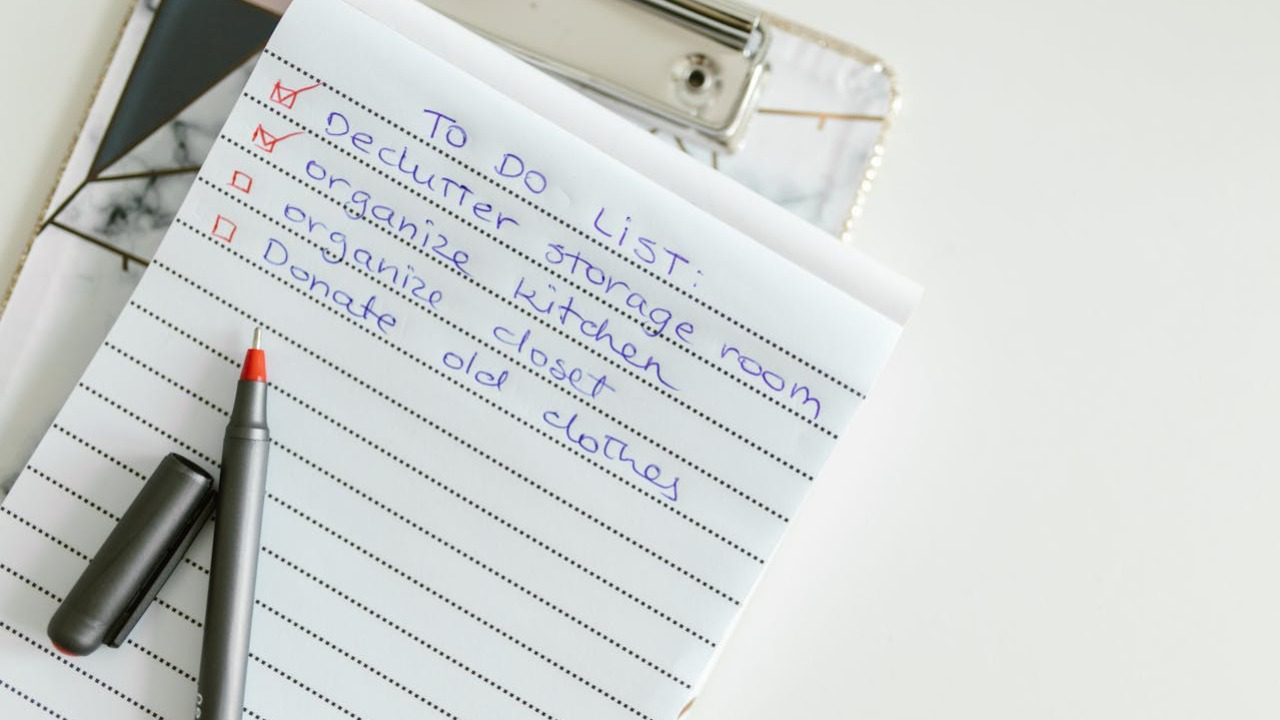
Cleaning without a plan can lead you to jump from one task to another without finishing the first one. This can result in a lot of started but unfinished tasks.
Before you start cleaning, make a plan. List all the tasks you need to complete and the order in which you’ll do them. This will help you stay organized and efficient.
13. Not Using Cleaning Products Properly
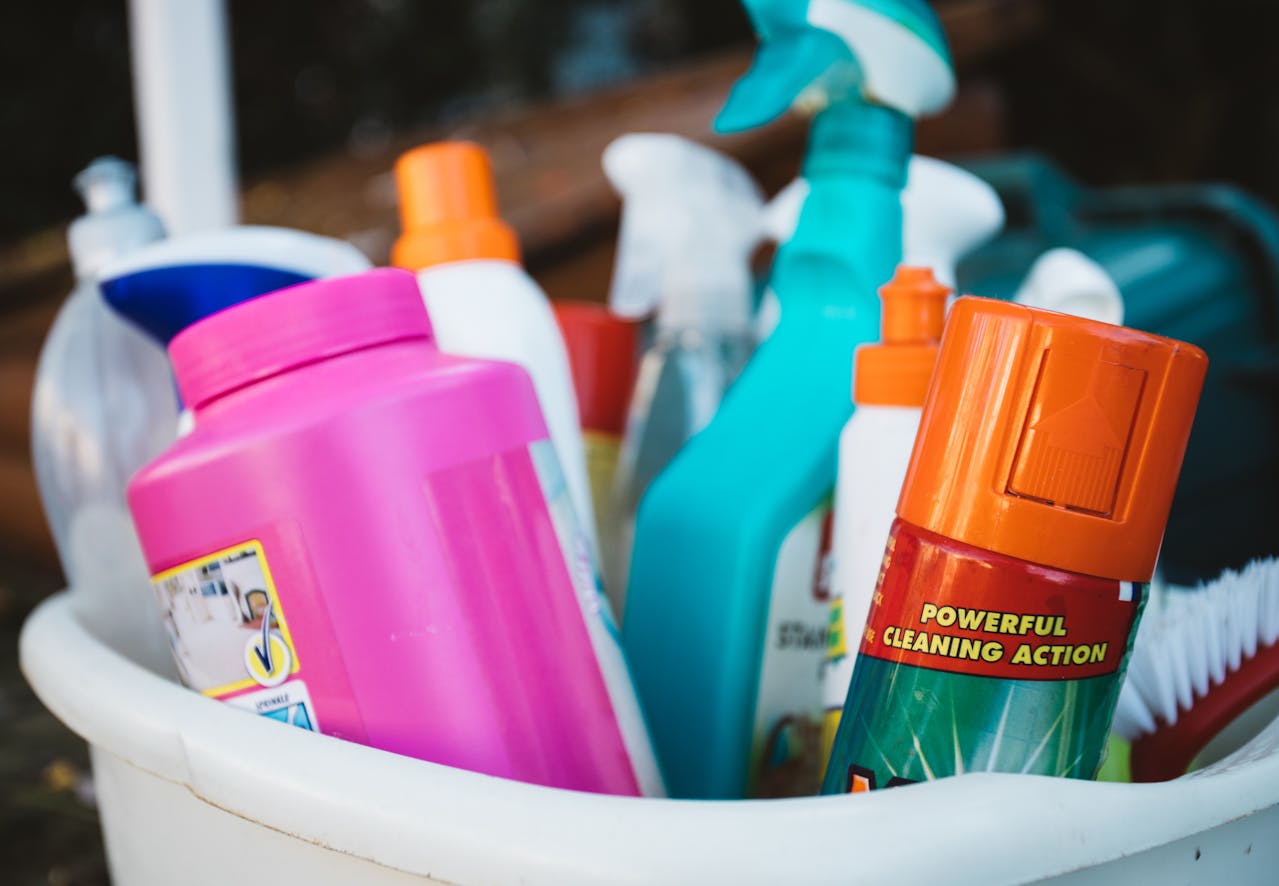
Not all cleaning products are created equal. Some need to be left on surfaces for a certain amount of time to be effective, while others can be wiped away immediately.
Always read the instructions on your cleaning products. This will ensure you use them correctly and get the maximum cleaning power from them.
14. Waiting to Take Out the Trash

Waiting until the trash is overflowing before you take it out can make the task more difficult and time-consuming. It can also lead to unpleasant odors in your home.
Instead, take the trash out regularly. This will prevent it from overflowing and will keep your home smelling fresh.
15. Not Multitasking

Cleaning is one area where multitasking can actually be beneficial. For example, you can load the washing machine and while it’s running, clean other areas of your home.
This type of multitasking can make your cleaning routine much more efficient. However, it’s important not to try to do too many things at once, as this can lead to mistakes and unfinished tasks.
16. Using Too Much Laundry Detergent

Using too much laundry detergent can actually make your clothes less clean. Excess suds can trap dirt and redeposit it on your clothes. It also makes your washing machine work harder, which can shorten its lifespan.
Use the recommended amount of detergent for your load size and water hardness. This will ensure your clothes get clean without wasting detergent or damaging your machine.
17. Not Cleaning as You Go

Leaving all your cleaning tasks until the end of the day or week can make them seem overwhelming. It can also lead to more time-consuming deep cleaning sessions.
Instead, try to clean as you go. Wipe up spills as they occur, put things away after you use them, and do a quick tidy of your living areas each evening. This will keep your home clean and tidy without requiring large chunks of cleaning time.