In a world where minimalism and tidiness are glorified, decluttering seems like the ultimate solution to achieve peace and order in our lives. However, not all decluttering habits are created equal. Some practices, while seemingly helpful, can actually sabotage your efforts to lead a clutter-free lifestyle. This blog post will highlight 17 decluttering habits that often fail, helping you to avoid these pitfalls and make your decluttering journey a successful one.
1. Setting Unrealistic Goals
cottonbro studio/Pexels
It’s easy to get inspired by decluttering shows or social media posts and decide to completely declutter your home in one day. However, this is often an unrealistic goal. Decluttering is a process that requires time, patience, and consistent effort. Instead of setting lofty goals, break the process down into manageable tasks. For example, start by decluttering one drawer or shelf at a time. Additionally, remember that decluttering isn’t a one-time event. It’s a lifestyle change. You’ll need to continually reassess your possessions and make decisions about what to keep and what to let go. Make decluttering a regular part of your routine, rather than a grand one-off event.
2. Buying Storage Solutions Before Decluttering
RDNE Stock project/Pexels
Many people make the mistake of buying storage solutions before they’ve decluttered. This often leads to overbuying and can actually contribute to the clutter problem. It’s better to declutter first, and then assess what storage solutions you actually need. In fact, one of the goals of decluttering is to reduce the need for storage. If you declutter effectively, you’ll find that you have more space and less need for additional storage solutions. Instead of spending money on storage, invest in experiences or quality items that will add value to your life.
3. Not Having a Plan
Suzy Hazelwood/Pexels
Decluttering without a plan can quickly lead to chaos. You might start off strong, tearing through closets and drawers, but without a clear plan, your efforts can quickly fizzle out. It’s important to have a plan that outlines what areas you’ll tackle, when, and how. Your plan doesn’t have to be overly complicated. Simply writing down what areas you want to declutter and scheduling time to do it can make a big difference. Having a plan will also help you stay focused and motivated, making your decluttering efforts more effective.
4. Keeping Items for ‘Just in Case’
cottonbro studio/Pexels
A common decluttering pitfall is keeping items for ‘just in case’ scenarios. While it’s sensible to keep some items for emergencies, many ‘just in case’ items are never used. This mindset can lead to unnecessary clutter and can make it difficult to let go of items. Instead of keeping things ‘just in case’, consider whether you’ve used the item in the last year. If not, it’s probably safe to let it go. Remember, if you do end up needing the item in the future, you can usually borrow, rent, or buy it again.
5. Not Considering the Value of Your Time
Image by Freepik
When decluttering, it’s important to consider the value of your time. Many people hold onto items because they believe they might use them in the future. However, if sorting, organizing, and storing these items is taking up a significant amount of your time, it might not be worth it. Time is a valuable resource, and it’s important to spend it on things that truly matter to you. If decluttering is taking up too much of your time, consider whether it’s worth it to hold onto items that you rarely use.
6. Decluttering Without Considering Your Lifestyle
Sarah Chai/Pexels
When decluttering, it’s important to consider your lifestyle and habits. If you force yourself to get rid of items that you use often or love, you’ll likely regret it later. Likewise, if you keep items that don’t fit your lifestyle, you’ll end up with unnecessary clutter. Consider your lifestyle, needs, and preferences when decluttering. This will help you make decisions that you’ll be happy with in the long run.
7. Not Dealing With Decluttered Items Immediately
RDNE Stock project/Pexels
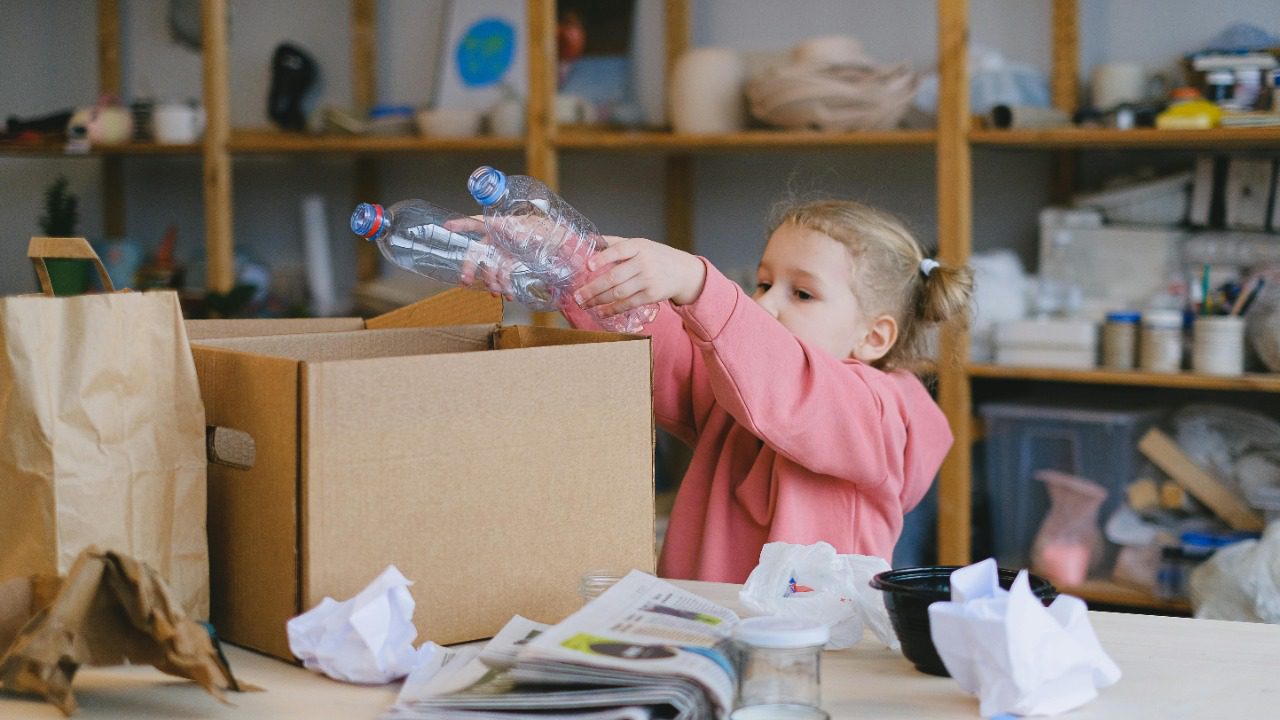
Once you’ve decided to get rid of items, it’s important to deal with them immediately. If you let decluttered items sit around, they can quickly become clutter again. Whether you’re donating, selling, or throwing away items, make sure to take care of it as soon as possible. This will help you keep your space clutter-free and will give you a sense of accomplishment.
8. Not Establishing a Regular Decluttering Routine
Polina Tankilevitch/Pexels
Decluttering is not a one-time event. It’s a regular habit that needs to be maintained. Without a regular decluttering routine, clutter can quickly build up again. Establish a regular decluttering routine that fits your schedule and lifestyle. This could be as simple as spending 15 minutes a day tidying up or doing a larger decluttering session once a month.
9. Decluttering When You’re Not in the Mood
Image by Freepik
If you try to declutter when you’re not in the mood, you’re likely to make poor decisions or give up quickly. Decluttering requires focus and energy, so it’s important to do it when you’re in the right mindset. Try to schedule your decluttering sessions at a time when you’re feeling motivated and energized.
10. Not Asking the Right Questions
Anna Shvets/Pexels
When decluttering, it’s important to ask the right questions. Simply asking whether you like an item or not is not enough. You need to consider whether the item adds value to your life, whether you use it regularly, and whether it fits your current lifestyle and needs. By asking the right questions, you’ll be able to make better decisions and declutter more effectively.
11. Not Getting Rid of Duplicate Items
cottonbro studio/Pexels
Many people end up with duplicate items without realizing it. While it’s sensible to have backups of certain items, having duplicates of everything can lead to unnecessary clutter. When decluttering, make sure to check for duplicate items and get rid of any extras that you don’t need.
12. Not Considering the Cost of Clutter
brett_jordan/Unsplash
When deciding whether to keep or get rid of an item, it’s important to consider the cost of clutter. Clutter can cost you time, energy, and even money. By considering the cost of clutter, you can make better decisions and avoid the trap of holding onto items that are costing you more than they’re worth.
13. Not Taking Before and After Photos
Image by Freepik
Taking before and after photos can be a powerful motivator when decluttering. It’s easy to underestimate how much progress you’ve made, but having visual evidence can help you see how far you’ve come. Remember to take before and after photos when decluttering. This can boost your motivation and help you stay on track.
14. Decluttering Without a Vision
cottonbro studio/Pexels
Decluttering without a vision or goal in mind can lead to aimless and ineffective efforts. It’s important to have a clear vision of what you want your space to look like and how you want it to function. By having a vision, you’ll be able to declutter more effectively and create a space that truly serves your needs and lifestyle.
15. Not Accepting That Decluttering Is a Process
Image by Freepik
Decluttering is not a quick fix. It’s a process that takes time, effort, and patience. If you go into it expecting immediate results, you’re likely to be disappointed. Accept that decluttering is a process and be patient with yourself. Celebrate your progress, no matter how small, and keep going.
16. Not Setting Boundaries
Image credit: Ketut Subiyanto / Pexels
Without boundaries, decluttering can quickly become overwhelming. It’s important to set boundaries for what you’ll declutter, when, and how much. By setting boundaries, you’ll be able to manage your time and energy more effectively and avoid burnout.
17. Not Celebrating Your Progress
Image by Freepik
Decluttering can be a challenging process, and it’s important to celebrate your progress along the way. Celebrating your progress can boost your motivation and make the process more enjoyable. Remember to celebrate your progress, no matter how small. Every item you declutter is a step towards a clutter-free life.