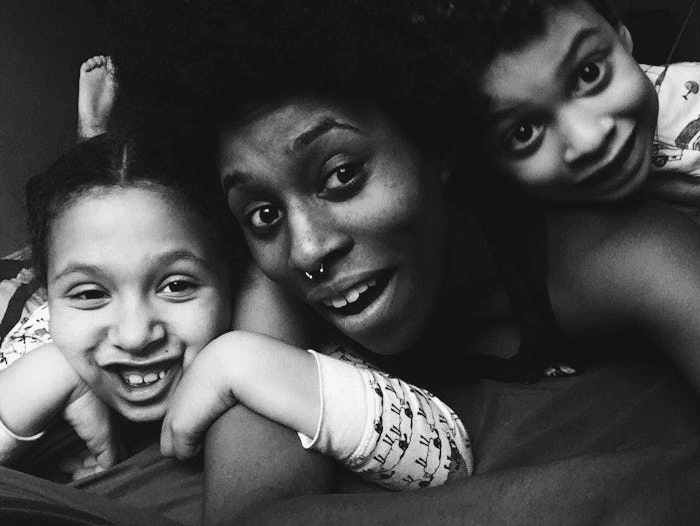
Moms are famous for holding onto things, but often it is less about clutter and more about obligation. You feel responsible for safeguarding memories, traditions, and proof that everyone in the family is growing up “on schedule.” These 17 items show how emotional duty, cultural expectations, and even formal record keeping can quietly pressure you to keep far more than you ever planned.
1) Children’s Baby Teeth

Children’s baby teeth are one of the strangest things you probably keep out of obligation. Once those tiny teeth start falling out around age 6 or 7, you may feel compelled to tuck each one into a jewelry box or envelope instead of throwing it away. The emotional logic is simple: those teeth mark the shift from babyhood to big kid, and discarding them can feel like discarding a whole phase of your child’s life.
That sense of duty often outweighs any practical reason to keep them. You might tell yourself they could be used for future science projects or DNA testing, but the real driver is the fear of regret. If you toss them, will you wish you had a physical reminder of that gap-toothed grin later? The obligation to preserve every milestone, even something as odd as a tooth, reflects how seriously you take your role as family archivist.
2) Handmade School Crafts
Handmade school crafts, from paper plate turkeys to lopsided clay bowls, are another category you hold onto because guilt gets in the way of decluttering. Surveys report that 68 percent of moms keep kids’ DIY projects specifically because they feel bad throwing away something their child proudly carried home. Each glued-on macaroni piece or glitter-splattered card represents time, effort, and a teacher’s attempt to build confidence.
Over time, those crafts can fill bins in the basement or the top shelf of a closet. You may sort them into “keep” and “maybe” piles, but actually discarding them can feel like rejecting your child’s creativity. The stakes feel higher than the object itself, because you are not just managing paper and paint, you are managing your child’s sense of being valued. That emotional calculus keeps the crafts around long after the glue has dried and the colors have faded.
3) Grandmothers’ Handwritten Recipes
Grandmothers’ handwritten recipes, like “Aunt Edna’s Apple Pie” or a carefully scripted meatloaf card, are often preserved verbatim as if they were legal documents. You may never cook every dish, but the handwriting, stains, and margin notes feel irreplaceable. According to food heritage research, families frequently treat these cards as primary records of cultural identity, keeping them exactly as written to honor the cook who came before.
The obligation here is about continuity. If you change the recipe or fail to pass it down, it can feel like breaking a chain that connects generations. Even when you digitize your collection, the original cards stay in a box because they carry emotional weight that a scanned file cannot match. For many moms, these recipes are proof that family traditions are still alive, and letting them go would mean letting a piece of that history disappear.
4) Moms’ Own Wedding Dresses
Moms’ own wedding dresses, especially gowns from 1985 with puffed sleeves and long trains, often live in closets for decades out of a sense of future obligation. You might tell yourself a daughter, niece, or granddaughter will want to wear or repurpose the dress, even if fashion has moved on. Bridal reporting notes that many women store these gowns carefully, sometimes professionally preserved, specifically for potential heirloom use.
That hope can make it hard to admit the dress may never be worn again. Instead of donating or selling it, you keep paying for storage space or lugging it from house to house. The dress becomes a symbol of your own story and a promise that your marriage and family history will be honored by the next generation. Even if no one ultimately claims it, the obligation to offer that option keeps the gown in its box.
5) Kids’ First Shoes
Kids’ first shoes, such as tiny size 3T sneakers or soft leather booties, are classic “obligation keepsakes.” They mark the moment your child went from crawling to walking, and developmental studies highlight how parents treat those first steps as a major milestone. Once those shoes are outgrown, tossing them can feel like erasing the evidence that your child conquered gravity and independence.
Some families even bronze the shoes or display them on a shelf, turning them into permanent decor. Even if you simply tuck them into a memory box, you may feel that you are required to keep at least one pair. The shoes are small, but the symbolism is huge: they represent your child’s first literal steps away from you. That emotional weight makes it easier to keep them than to confront the guilt of letting them go.
6) Elementary School Report Cards
Elementary school report cards from years like 2005 to 2010 often end up in folders or boxes because you feel obligated to track academic progress. Even when schools mail official transcripts and report cards after graduation, you still hang onto the originals from early grades. Each one documents not just grades, but teacher comments about behavior, effort, and social skills.
Those details can feel too important to discard, especially if you worry about future evaluations or want a record of how far your child has come. The habit mirrors institutional practices, where records are kept for years to protect students and schools. At home, that same instinct turns your filing cabinet into a mini archive. You may rarely reread them, yet the fear of losing proof of your child’s growth keeps every report card in place.
7) Birth Hospital Bracelets
Birth hospital bracelets, like the one inscribed “Baby Smith, 7 lbs 2 oz, July 15, 1998,” are among the most sacred items moms keep. Neonatal care research notes that parents often describe these bracelets as irreplaceable because they are the first official identifier linking baby, parents, and medical staff. The flimsy plastic and fading ink do not matter; what matters is that this band was on your newborn’s wrist.
Throwing it away can feel unthinkable, even if you have birth certificates, photos, and medical records. The bracelet captures a specific moment when your child’s life was measured in hours and ounces, not grades or achievements. For many moms, keeping it is a way of honoring the vulnerability of that day and the medical team that helped everyone through it. The obligation is not just to memory, but to the story of survival and arrival.
8) Outgrown Stuffed Animals
Outgrown stuffed animals, like a beloved “Mr. Bear” from age 4, tend to linger long after your child has moved on to video games and smartphones. Toy industry analysis shows that parents often keep these plush companions because they were central to bedtime routines and emotional regulation. You remember the nights when your child would not sleep without that bear, and tossing it can feel like betraying a former version of your family.
Even when the fur is matted and the seams are loose, you may quietly rescue Mr. Bear from donation piles. The toy becomes a stand-in for your child’s early fears and comforts, a reminder of the stories you read and the songs you sang. Keeping it is less about the object and more about honoring the emotional labor you both invested in those years. The obligation is to the bond, not the stuffing.
9) Prom Photos from Youth
Prom photos from 2002, featuring “Sarah in blue gown,” often survive multiple moves because you feel duty bound to preserve your teenager’s big night. High school memory surveys show that parents treat prom as a milestone on par with graduation, capturing not just outfits but friendships, first romances, and social status. Those glossy prints or early digital prints become a visual record of who your child was at a pivotal age.
Even if Sarah later cringes at the hairstyle or the date, you may still keep the photos carefully labeled. They serve as proof that you showed up, paid for the dress, and documented the event. The obligation here is partly social, since extended family may expect to see those images at future gatherings or slideshows. Letting them go can feel like erasing a chapter of your child’s coming-of-age story.
10) Baptismal Gowns
Baptismal gowns from a 1995 church ceremony at St. Mary’s are another item moms keep out of a deep sense of religious and family obligation. Studies on religious heritage note that families often preserve these gowns specifically so younger siblings, cousins, or even grandchildren can wear them. The gown is not just clothing; it is a physical link to a sacrament and a particular congregation.
Storing the gown carefully, sometimes wrapped in tissue or placed in a special box, becomes part of your role as guardian of faith traditions. Even if your child later drifts from the church, you may still feel compelled to keep the garment. The stakes feel spiritual as well as emotional, since the gown represents promises made in front of a community. Discarding it can feel like discarding those vows, so it stays, waiting for another ceremony.
11) Early Marriage Love Letters
Early marriage love letters, dated 1990 and written before text messages and email, often live in shoeboxes or nightstand drawers because you feel obligated to protect the foundation of your relationship. Relationship research notes that couples frequently describe these letters as “sacred,” using that word to signal how central they are to their shared history. The paper, ink, and even the envelopes carry memories of a time when every word felt weighty.
Even if your marriage has weathered conflict, those letters can serve as a reminder of why you chose each other. Throwing them away might feel like giving up on that origin story. For moms, there is also a quiet hope that children or grandchildren might one day read them and see a different side of you. The obligation is to the narrative of your partnership, preserved in your own handwriting.
12) Kindergarten Artwork
Kindergarten artwork, such as a crayon drawing titled “My Family” dated April 2006, is another category where obligation and affection collide. Art therapy research points out that these early drawings reveal how children see themselves and their relationships, which makes them feel too meaningful to toss. You may notice who is drawn largest, who is holding hands, or which colors your child chose for each person.
Because those details can hint at emotional states, you might keep the artwork as a record of your child’s inner world. Over time, the stack of drawings grows, but each one feels like a snapshot of development. The stakes are not just sentimental; you may worry that discarding them means ignoring important clues about your child’s well-being. That concern keeps even the most wrinkled pages tucked safely away.
13) Family Vacation Souvenirs
Family vacation souvenirs from a Disney World 2008 trip, including Mickey ears and plastic refillable cups, often survive long after the photos have been uploaded. Travel family research shows that parents keep these items because they embody the financial and logistical effort it took to organize the trip. Every time you see the ears, you remember saving for tickets, standing in line, and watching your child’s face light up during the fireworks.
Even when the souvenirs are dusty or broken, throwing them away can feel like disrespecting that investment of time and money. You may also feel pressure to keep them for future nostalgia, imagining your grown child laughing at how small the hat looks. The obligation here is to the story of “the big trip,” a narrative that often becomes a cornerstone of family identity. The souvenirs stay as physical proof that you made it happen.
14) High School Yearbooks
High school yearbooks from Lincoln High, class of 1987, with handwritten inscriptions, are classic long-term keepsakes that moms rarely question. Alumni data shows that these books serve as primary records of who was in which club, who played which sport, and how classmates looked before adulthood reshaped them. The signatures and notes, from “Never change!” to inside jokes, add another layer of personal history.
As a mom, you may feel obligated to keep not only your own yearbooks but also your children’s. They become reference tools for reunions, social media reconnections, and family storytelling. Discarding them can feel like erasing a whole network of relationships and experiences. The obligation is partly archival, since no one else is likely to preserve that specific slice of Lincoln High’s history if you do not.
15) Knitted Baby Blankets
Knitted baby blankets made by aunts in 1997 are often kept out of a strong sense of duty to the maker. Craft heritage reporting notes that handmade textiles carry the time, skill, and affection of the person who created them, especially when that person is an older relative. You may remember the baby shower where the blanket was gifted, along with the promise that it would keep your child warm.
Even if the blanket is stained or fraying, you might feel unable to part with it because it represents a relationship, not just an object. The obligation extends beyond your child to the aunt who spent hours knitting each stitch. Passing the blanket down, or at least preserving it, can feel like the only way to honor that labor. Letting it go can feel like letting go of the person, so it remains folded in a drawer or hope chest.
16) Old Holiday Cards
Old holiday cards from relatives, spanning 1990 to 2010, often accumulate in shoeboxes because you feel guilty recycling anything with a handwritten note or family photo. Industry reports on greeting cards highlight how these mailings are designed to reinforce social bonds, especially across distance. Each card represents someone taking the time to choose a design, write a message, and pay for postage.
As the years pass, those cards become a visual timeline of changing hairstyles, growing children, and shifting addresses. You may worry that throwing them away disrespects the senders or erases evidence of relationships that once mattered deeply. The obligation is social as much as sentimental, since the cards document who was in your circle at different stages of life. That record-keeping instinct keeps the boxes stacked in closets and attics.
17) First Communion Dresses
First communion dresses from 2003, white lace from Our Lady of Grace Church, are another example of obligation-driven storage. Studies on Catholic family traditions note that these dresses are often preserved with the expectation that younger relatives will reuse them or at least borrow veils and accessories. The dress is tied to a specific sacrament, parish, and moment when your child publicly affirmed their faith.
Because of that spiritual significance, you may feel that donating or discarding the dress is not an option. Instead, it is carefully cleaned, wrapped, and stored, even if no one has immediate plans to wear it again. The obligation here is to both faith and family lineage, as the dress becomes a symbol of belonging to a particular religious community. Keeping it feels like keeping that identity available for whoever comes next.
More from Decluttering Mom: