You might be surprised at how much daily life has changed over the years. Many items and habits that were once common have simply disappeared from your everyday experience.
This article shows you 17 things previous generations used every day that you’ve likely never encountered. It’s a chance to see how life was different and maybe appreciate how much has evolved since then.
Rotary dial telephones

You might find it hard to imagine using a phone without buttons or a touchscreen. Rotary dial telephones required you to turn a circular dial for each number. The dial would click back to its original position, sending pulses to connect your call.
These phones were common from the early 20th century until the 1980s. Many people today have never used one, as push-button and mobile phones replaced them. If you see one, it might feel like a puzzle to figure out how to make a call.
Typewriters

You might find it interesting that typewriters were once a daily essential. They didn’t need electricity, so you could use them almost anywhere.
Once you learned to type on one, it became a reliable tool that could last for decades with little maintenance. Using a typewriter required you to be precise since mistakes meant starting over or using correction methods.
Carbon paper

If you’ve never seen carbon paper, it was a simple way to make copies before printers existed. You placed a thin sheet coated with carbon between two pages.
When you wrote or typed on the top page, the pressure transferred the text onto the sheet below, creating a copy.
People used carbon paper daily for business forms, letters, and receipts. Today, it’s mostly replaced by digital copies, but it was once a handy tool in offices and homes.
Slide rules

You might never have used a slide rule, but it was once a daily tool for math and engineering. It’s a mechanical calculator made of sliding rulers that help you multiply, divide, and more.
Before calculators took over, you relied on your hands to slide parts and find answers quickly. Using a slide rule took practice, but it was essential for school and work.
8-track tapes
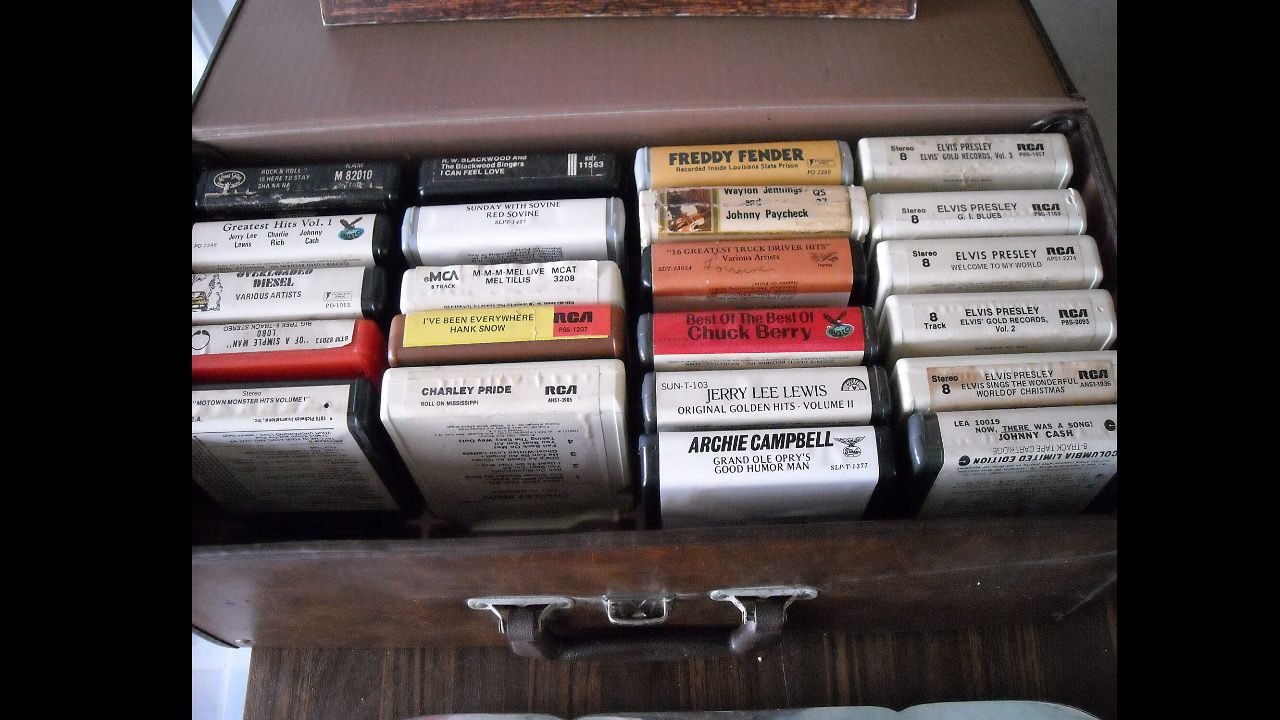
You might not have seen an 8-track tape before, but they were very popular from the mid-1960s to the early 1980s. These cartridges held magnetic tape that played music in a loop, making them great for cars.
Using an 8-track meant dealing with occasional jams or dirty rollers, which could stop the music. For many, these tapes were a key part of daily life before cassettes took over.
Film cameras

You used to carry film cameras everywhere to capture moments. Unlike digital cameras today, these needed rolls of film that had to be developed before you could see your pictures.
Using one meant you had to be careful with each shot because film was limited. You also often waited days to see how your photos turned out, which is very different from the instant previews you’re used to now.
Film cameras gave a distinct look and feel to photos, which some people still love, even as digital technology takes over.
Floppy disks

You might have seen the floppy disk icon on your computer but never used one. Floppy disks were thin squares of plastic that stored small amounts of data.
People used them to save documents, share files, or install programs. They were common before USB drives and the internet became widespread.
Using a floppy meant carefully handling it to avoid damage since data could easily be lost. Today, they are mostly a nostalgic piece of tech history.
VHS players

You might not have used a VHS player, but previous generations relied on them to watch movies at home. These devices played tapes that you had to rewind manually after watching.
If you grew up before DVDs became popular around 2007, you likely spent time flipping through clunky VHS cases. Some people even still own VHS players for old home videos and movies.
Polaroid instant cameras

You might remember when taking photos meant waiting to develop film. Polaroid instant cameras changed that by giving you a printed picture moments after snapping the shot.
While original Polaroid film was discontinued in 2008, these cameras have seen a comeback. Today, you can use new instant films and even modern models with features like Bluetooth control.
Using a Polaroid camera lets you hold a physical photo right away, which is different from most digital photos you take now. It’s a fun mix of old-school charm and new tech.
Manual can openers

You probably don’t use a manual can opener every day anymore. Yet, they were common in kitchens for decades, helping you open cans before electric models became popular.
Using one takes a bit of wrist effort, but many models made in the USA were built to last. They often featured sharp blades and easy-turn cranks to make your task smoother.
If you find one today, it can still be a reliable tool for opening cans without electricity. They remind you of a time when simple, durable tools ruled the kitchen.
Hand-crank egg beaters

You might not see hand-crank egg beaters in many modern kitchens, but they were once a common tool. These devices use a simple rotary mechanism, powered by turning a handle, to mix and beat ingredients.
Using a hand-crank egg beater gives you control over speed and effort. They are lightweight and don’t need electricity, making them handy for quick tasks without the noise of an electric mixer. Many vintage models, like those from the 1940s, are still fully functional and easy to use.
Ice cube trays with lids

You might not be familiar with ice cube trays that come with lids. These lids helped keep ice clean and prevented spills while stacking trays in the freezer.
Older trays often had locking lids or levers to release ice easily. You can still find modern versions that are dishwasher-safe and designed to avoid spills.
Cassette players

You probably haven’t seen cassette players used daily like older generations did. These devices played music stored on magnetic tape inside small plastic cases called cassettes.
Back then, you could record songs from the radio or make mixtapes for friends. Cassette players were portable, often worn with headphones, letting you enjoy music anywhere before digital devices existed.
Printed encyclopedias

You might find it hard to imagine, but before the internet, families kept large sets of printed encyclopedias at home. These books held a world of knowledge, all organized alphabetically for easy reference.
Whenever you needed information for a school project or just had a question, you flipped through pages instead of scrolling on a screen. Today, these bulky collections are mostly replaced by online sources, but they were once a daily resource in many homes.
Walkmans

You might find it hard to imagine carrying your music around on a bulky device. Walkmans were the first to make that possible in the 1980s.
With a Walkman, you could listen to cassette tapes privately using headphones. It was a big deal before digital music players existed.
Interestingly, some people today, especially younger generations, are rediscovering Walkmans and cassettes as a vintage way to enjoy music.
Carbon copies (NCR paper)

You might not recognize it, but carbonless copy paper was once a daily essential. Known as NCR paper, it let you make instant duplicates without messy carbon sheets.
When you wrote on the top sheet, the pressure transferred the writing onto the sheets below. This made record-keeping easy and fast for businesses and offices.
NCR paper was invented in the 1950s and quickly replaced traditional carbon paper. You probably don’t see it much now, but it shaped how people handled paperwork for decades.
Landline phone directories

You used to rely on bulky paper phone books to find numbers before the internet made everything digital. These directories were delivered to your doorstep regularly and included local listings for homes and businesses.
Flipping through pages to find a contact was a daily routine. Now, with smartphones and online search, physical phone books have mostly disappeared, and many people haven’t seen one in years.