Donating items feels good, but not everything you give is actually useful or welcome. Sometimes what you think is helpful ends up causing more hassle for the organization receiving it.
Knowing which items to avoid donating can save you time and frustration, and help your donations make a real difference. This article will guide you through common items people often regret donating so you can make smarter choices next time.
Old VHS tapes or DVDs

You might think donating old VHS tapes or DVDs is helpful, but many places don’t want them. Some charity shops sell them for very low prices or just recycle them.
If you have professional or rare copies, donating could make sense. Otherwise, consider recycling or digitizing them yourself before giving them away. This way, you keep what’s valuable and avoid cluttering donation centers with unwanted media.
Used clothing with stains or tears

If your clothes have stains or tears, think twice before donating them. Most thrift stores won’t accept items that are too damaged or dirty.
These pieces often end up thrown away or create extra work for the staff. It’s better to recycle or repurpose them at home instead.
Donating usable clothes helps more, so try to send items in good condition. It saves effort and keeps your donation useful for others.
Old magazines no one will read

You might think donating old magazines is helpful, but often, they just sit unread. Most places prefer recent issues, since outdated content isn’t useful.
Chances are, your old magazines will end up tossed rather than appreciated. If you hold on to them, you might regret giving away something you wanted later. Consider keeping the ones with real sentimental value instead.
Expired canned food

You might think canned goods last forever, but donating expired cans can cause problems. Food pantries usually reject these because they need to be safe for everyone.
If the can isn’t dented or rusted, it could still be okay for you to eat. But when it comes to donating, it’s better to stick to unexpired items to avoid waste and hassle.
Damaged electronics

Donating broken or damaged electronics might seem helpful, but it often creates more hassle. Many charities don’t have the resources to fix or recycle these items properly.
Your donation could end up being discarded or shredded, wasting your effort. It’s better to check the condition of your electronics before giving and consider recycling programs designed for old gadgets.
Worn-out shoes

You might think donating worn-out shoes helps someone in need, but often they end up tossed. Shoes with holes, broken soles, or heavy wear usually can’t be reused or repaired easily.
If your shoes are still salvageable, consider passing them to a recycling program instead. That way, they get a second life without cluttering donation centers or landfills.
Keep in mind, donating uncomfortable or damaged shoes can create extra work for charities and don’t always benefit the wearer.
Brittle books falling apart

If you donate brittle books, chances are they’re already falling apart. These old books often have fragile pages that crumble with just a touch.
You might think donating them is helpful, but many places won’t accept books that need serious repair or rebinding. It can cost money and effort to fix them, so they often end up discarded anyway.
Before donating, check if your brittle books are still in usable condition or if they need special care.
Outdated textbooks

You might think donating old textbooks is helpful, but sometimes it isn’t. Libraries and schools may only accept current editions, so your outdated books could end up in storage or be sold cheaply.
If you want to pass them on, consider selling or trading them first. That way, they find a person who really needs that specific edition. Otherwise, recycling them might be a better option than donating.
Broken toys missing pieces

Donating broken toys or ones missing pieces might seem like a quick fix, but it can cause more problems. The person getting the donation may not be able to use or repair them easily.
You might want to check if the brand offers replacement parts. Some companies, like Lego, sell or send missing pieces to help fix toys.
If you can’t fix the toy, it’s often better to recycle it properly than to donate it as-is.
Mismatched or single socks
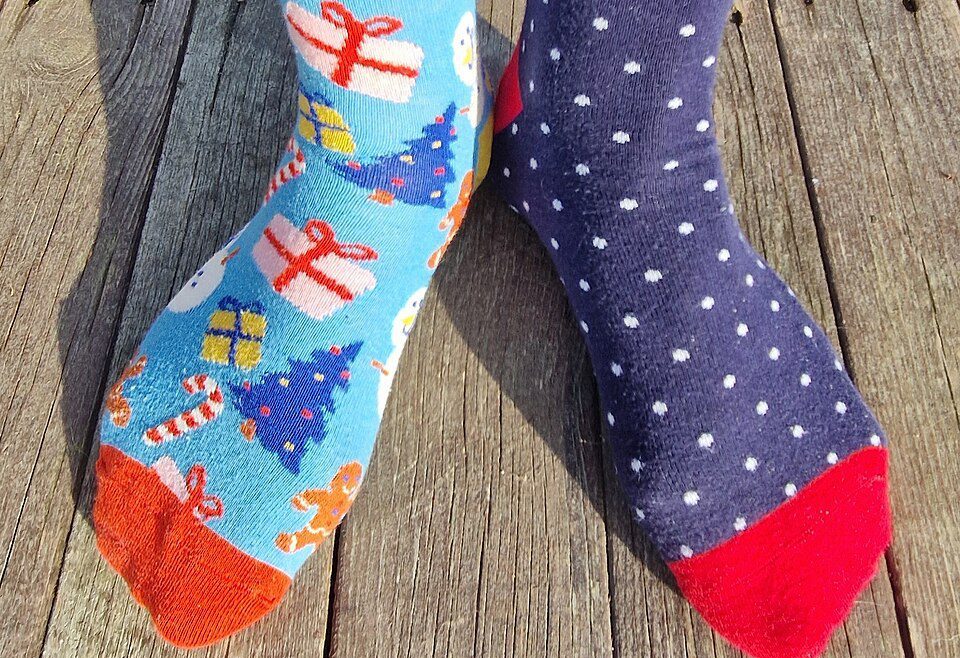
Donating single or mismatched socks might seem like a good idea, but most shelters and charities prefer pairs. Single socks often can’t be used or resold.
If you have odd socks, try donating them to organizations like The ODD Sock that accept unpaired socks specifically. Otherwise, it’s better to repurpose them at home instead of donating.
Used makeup products

Donating used makeup might seem like a good idea, but it can be tricky. Things like mascara or lip gloss with a wand can carry bacteria, making them less safe for others.
Cream products like foundation or blush get old fast and can cause skin reactions. It’s usually better to donate only unopened or lightly used items to avoid problems.
You might regret donating your favorite gently used products since replacements can be expensive or hard to find. Keep what you truly need.
Half-empty toiletries

You might think donating half-empty shampoo or lotion bottles is helpful, but it often isn’t. Many shelters and donation centers prefer unopened, full-size products for hygiene and safety reasons.
Partially used toiletries can also leak or spoil during transport. It’s better to donate full, sealed items or consider recycling the leftover product if possible. This way, what you give is actually useful and appreciated.
Expired medicine bottles

You might think donating expired medicine bottles is helpful, but it can actually cause confusion. Labels and expiration dates can be misleading or outdated, making it unsafe for others to use.
Plus, some places only accept clean, empty bottles without labels or residue. If you want to donate, make sure the bottles are properly cleaned and relabeled, or consider reusing them yourself for organizing small items around the house.
Cracked kitchenware
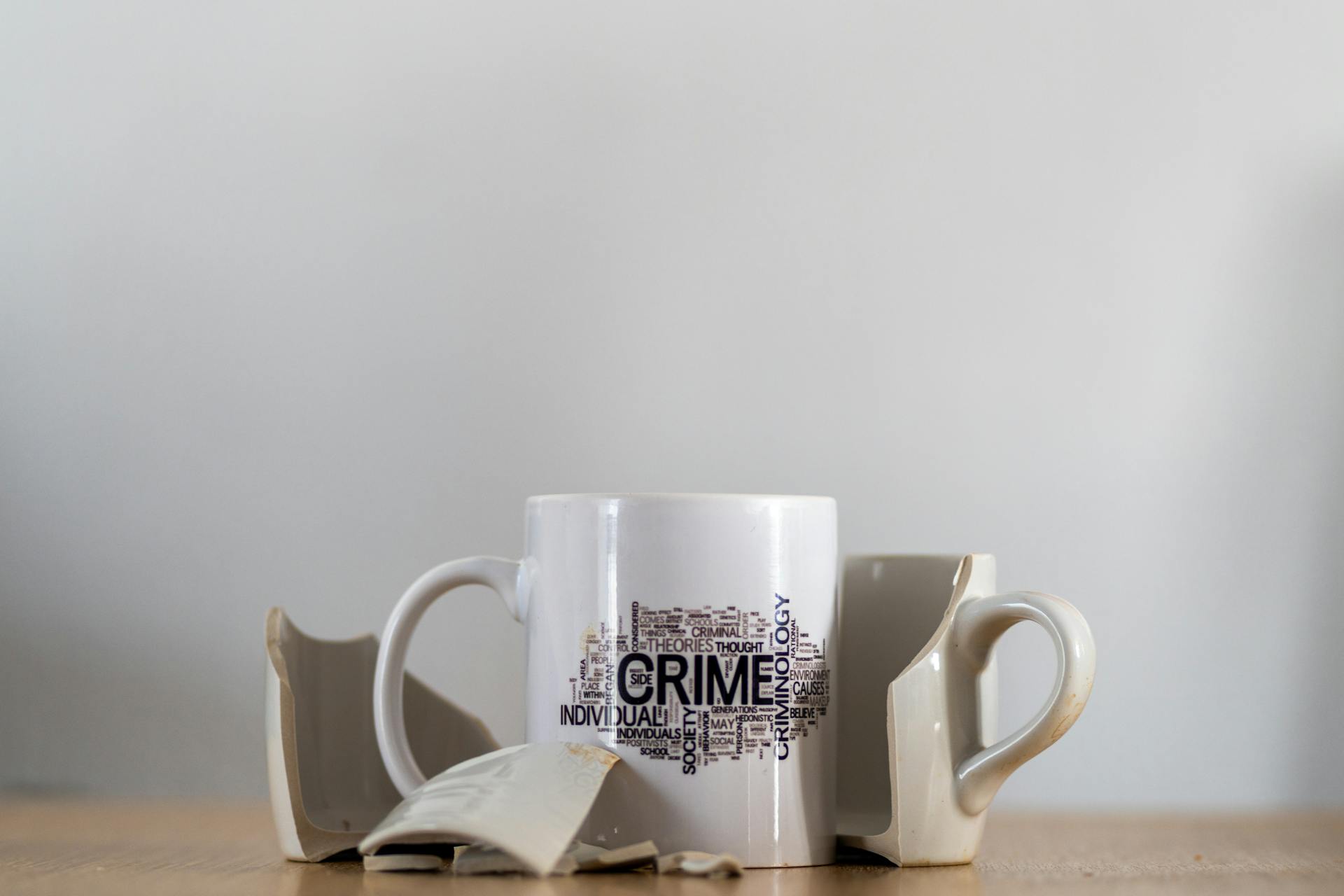
You might think cracked dishes or bowls are worthless, but hold on. Some cracked kitchen items can still be useful, like turning broken plates into quirky wall art or using chipped bowls for planters.
That said, you should avoid donating cracked cookware. Cracks can harbor bacteria or cause breakage during handling, making them a hassle for others.
If you decide to get rid of cracked kitchenware, consider repurposing them at home first instead.
Decor items out of style

You might think donating old decor is helpful, but some pieces just don’t get used. Trends change fast, so what once looked great can now feel outdated or tacky.
Don’t donate items that look worn or are clearly out of style, like dated holiday decorations or bulky knick-knacks. They often end up in the trash anyway.
Instead, try keeping only the decor that fits your current taste or that someone else would really want to use. This saves time for thrift store staff and keeps clutter down.
Dirty blankets or bedding

Donating dirty blankets or bedding can cause more harm than good. Most organizations won’t accept items that aren’t clean because they can’t ensure safety or hygiene for recipients.
If you have bedding to give, make sure it’s freshly washed and in good condition. Otherwise, it’s better to recycle or dispose of them properly, rather than donating something unusable.
Worn gym equipment
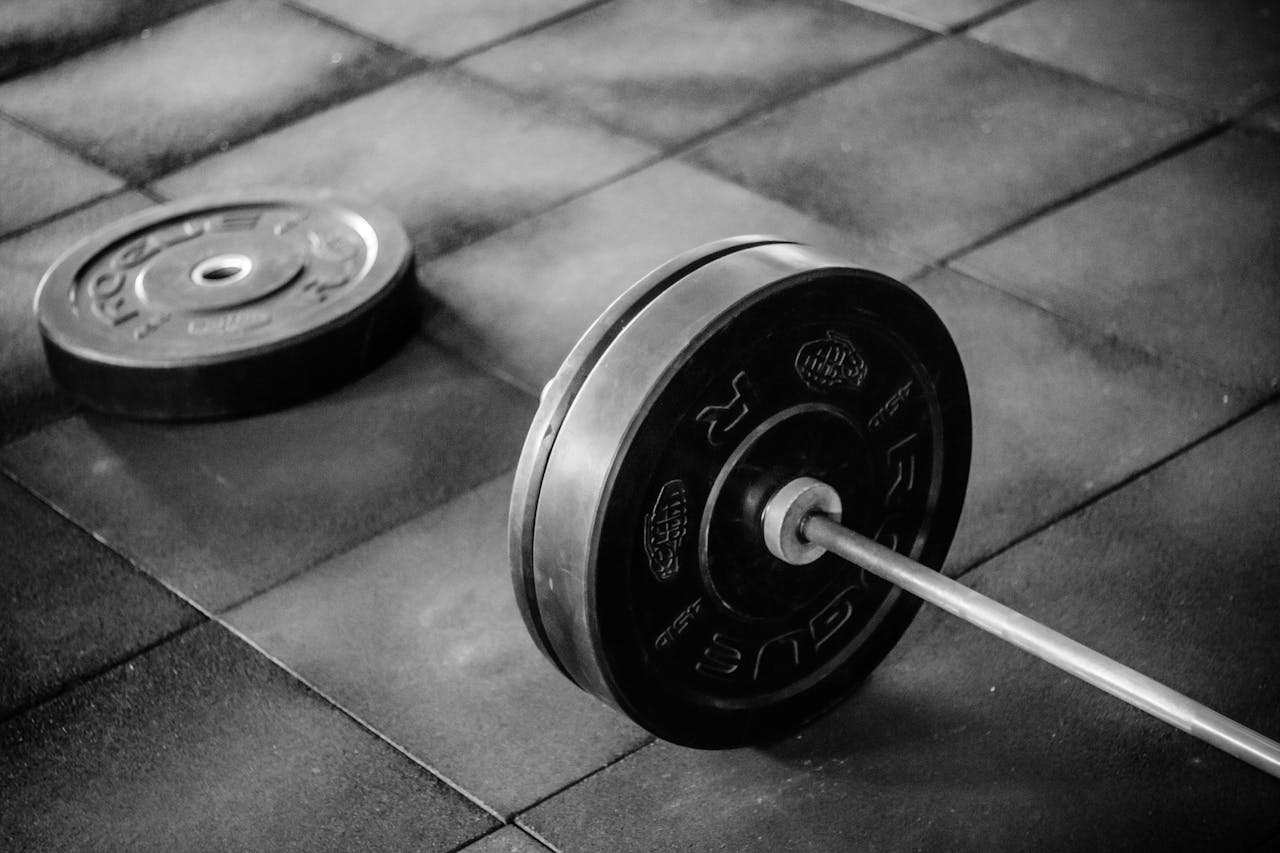
If you donate gym gear that’s seen better days, it often ends up just taking up space. Old weights, broken machines, or worn-out mats can be unsafe or unusable.
Charities usually don’t have the time or money to fix damaged equipment.
If your gym stuff has too much wear and tear, it’s better to recycle or properly dispose of it instead of donating.