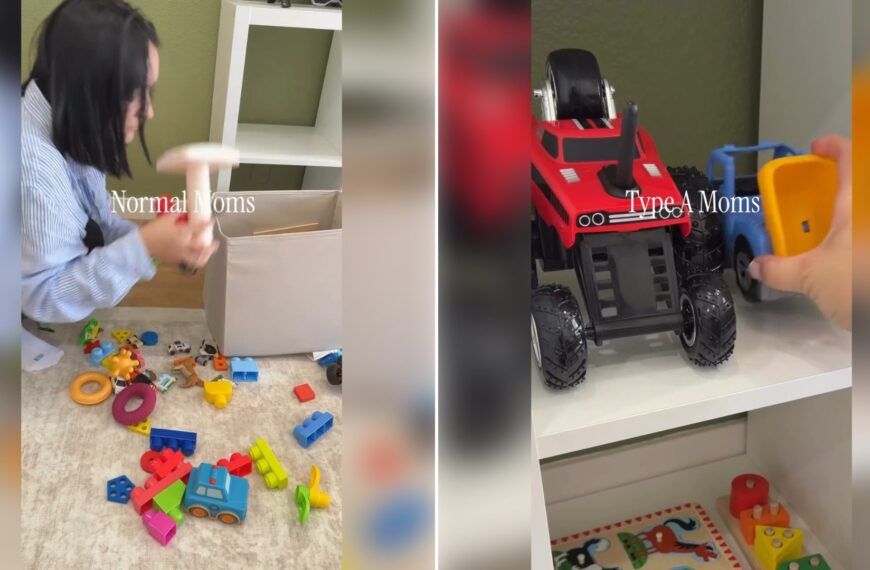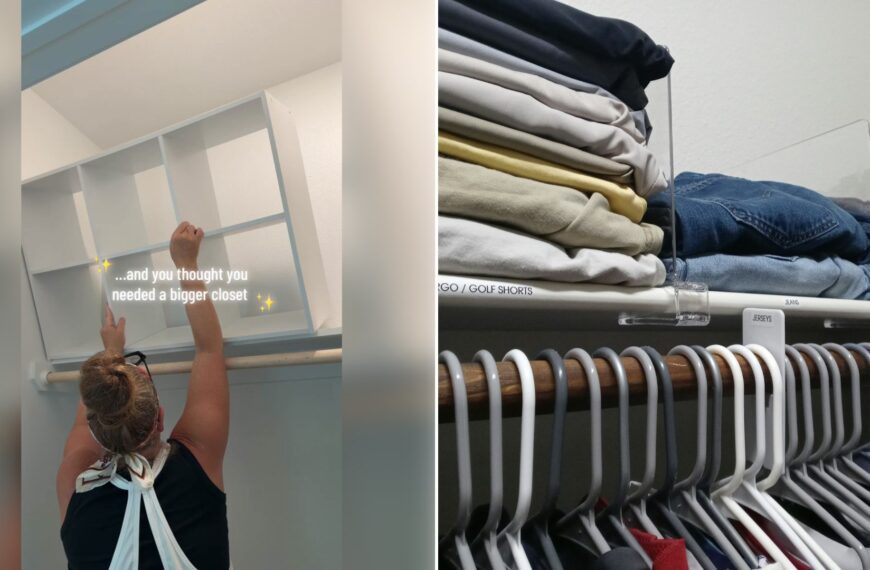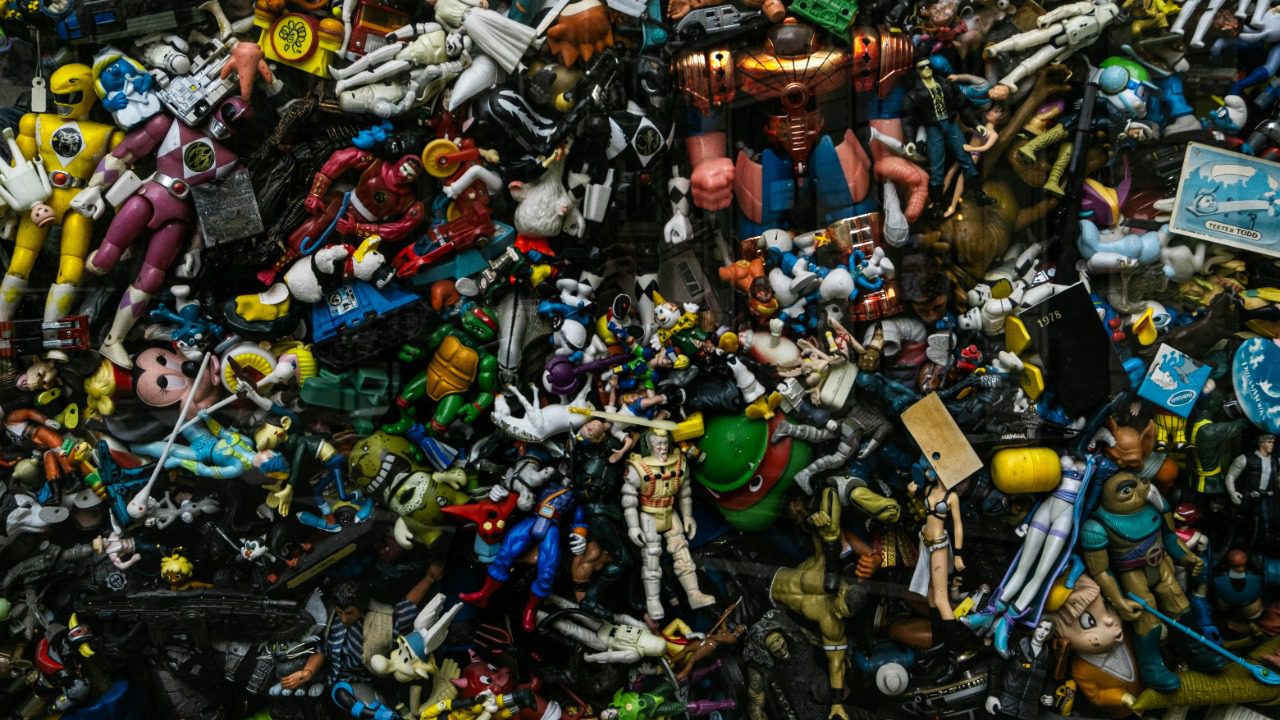
As parents, we’ve all been there. You walk into your child’s room or play area, only to be greeted by a sea of toys scattered everywhere. It’s a chaotic mess that not only looks disorderly but can also be a safety hazard.
If you’re tired of stepping on rogue Lego pieces and tripping over stuffed animals, it’s time to tame the toy chaos. Here are 17 practical tips to help you bring order to the play area and restore peace to your home.
1. Start with a Clean Slate

Before you can start organizing, it’s crucial to first clean up and declutter. Go through all the toys with your child and decide which ones to keep, donate, or throw away.
It can be hard to part with toys, especially if they hold sentimental value. However, children often outgrow their toys or lose interest in them over time. In such cases, it’s better to pass them on to someone who can make use of them. This decluttering process will not only make it easier to organize the remaining toys but also teach your child the importance of cleaning up and letting go.
2. Use Clear Storage Bins

Clear storage bins are a lifesaver when it comes to toy organization. They make it easy to see what’s inside without having to open each bin, thus saving time and effort.
Having clear bins also means your child can easily find what they’re looking for. To make things even more organized, consider labeling each bin according to its contents. For example, “Lego”, “Dolls”, “Cars”, etc. This system not only keeps the toys in order but also teaches your child to put things back where they belong.
3. Rotate Toys
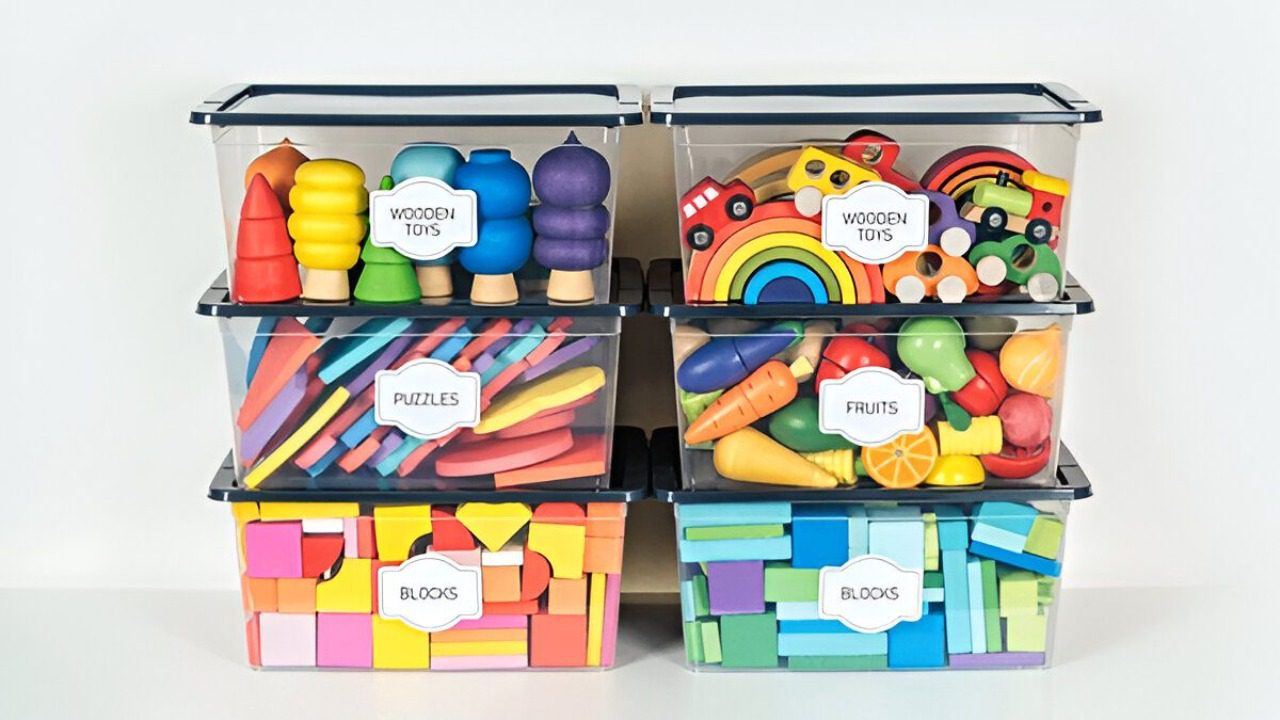
If your child has many toys, it might be a good idea to rotate them. This means keeping out a selection of toys for a certain period and then swapping them with others.
Rotating toys can keep your child’s interest alive and reduces the clutter in your living space. Moreover, it gives the impression of new toys every time you rotate, and your child will be more likely to play with them. You can set up a rotation schedule that works for you, like every month or every season.
4. Use Vertical Space
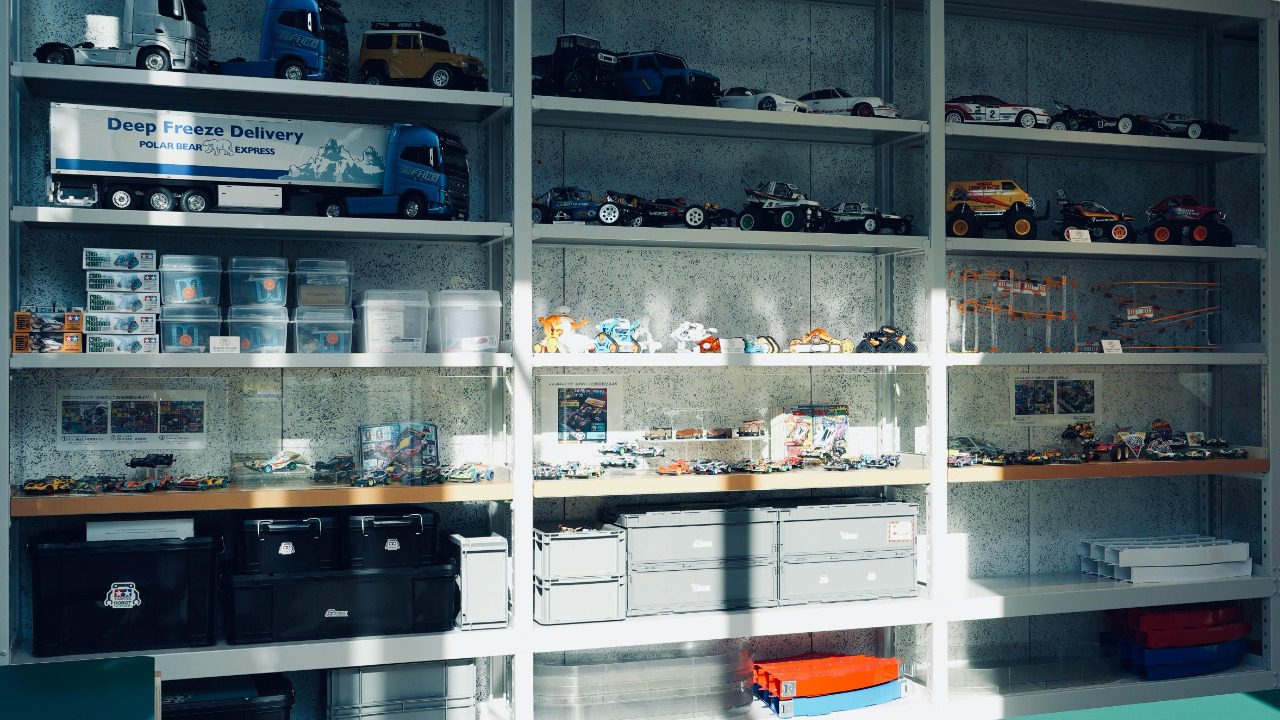
If floor space is limited, consider using vertical storage solutions. Shelves, hanging organizers, and wall-mounted baskets are great ways to keep toys off the floor and in their place.
Vertical storage not only saves space but also makes it easy for your child to see and reach their toys. Just be sure to keep the heavier items on lower shelves to avoid accidents. You can also use this space for displaying your child’s favorite toys or artwork, adding a personal touch to their play area.
5. Invest in Multi-purpose Furniture
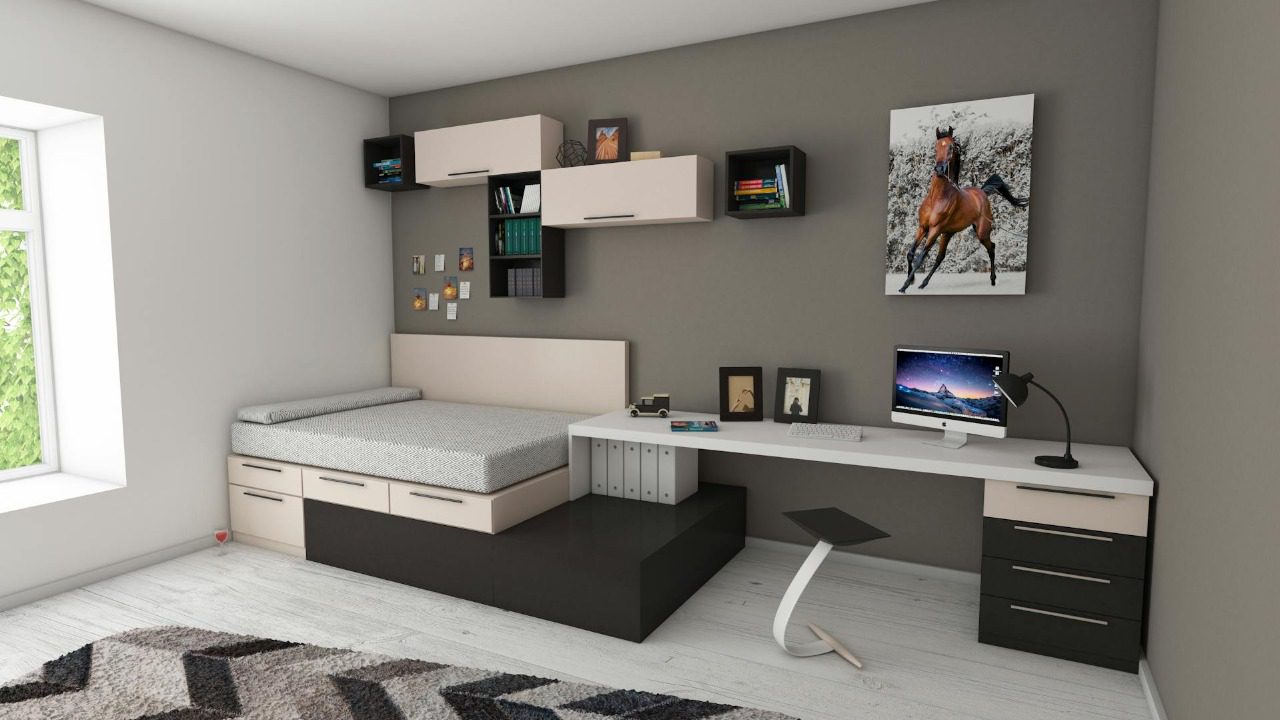
Multi-purpose furniture, like ottomans with storage space or beds with drawers, can provide extra storage for toys.
This type of furniture not only serves multiple purposes but also blends seamlessly into your decor. For instance, a storage ottoman can serve as a comfortable seat, a footrest, and a storage space for toys. Similarly, a bed with drawers can house your child’s toys, keeping them out of sight but within easy reach.
6. Use Toy Hammocks for Stuffed Animals
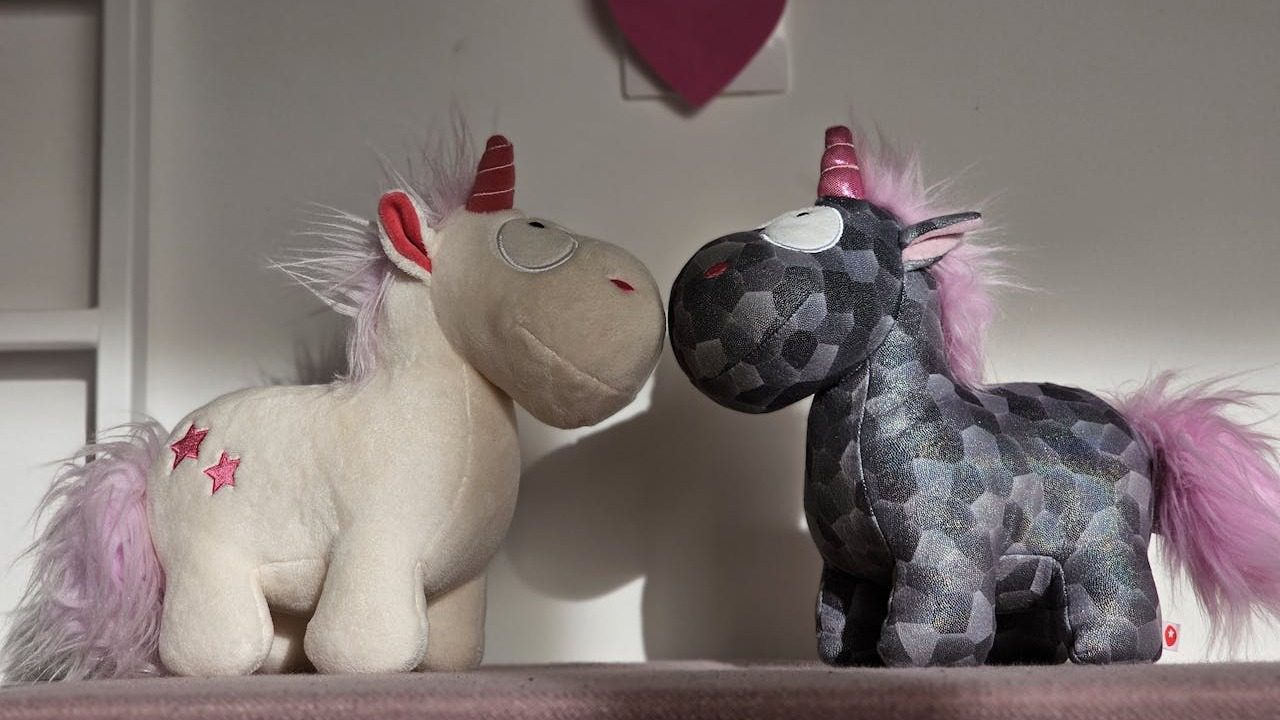
Stuffed animals can take up a lot of space. A fun and creative way to store them is by using toy hammocks.
Toy hammocks can be hung on walls or corners, making good use of unused spaces. They keep stuffed animals off the floor and are easy for kids to access. Plus, they can add a playful touch to your child’s room.
7. Implement a “One In, One Out” Rule

To prevent toy overload, consider implementing a “one in, one out” rule. This means that when a new toy comes in, an old one must go out.
This rule helps maintain a balance and prevents the accumulation of unnecessary toys. It also teaches children to value what they have and understand that they can’t keep accumulating toys without letting some go.
8. Have a Designated Play Area
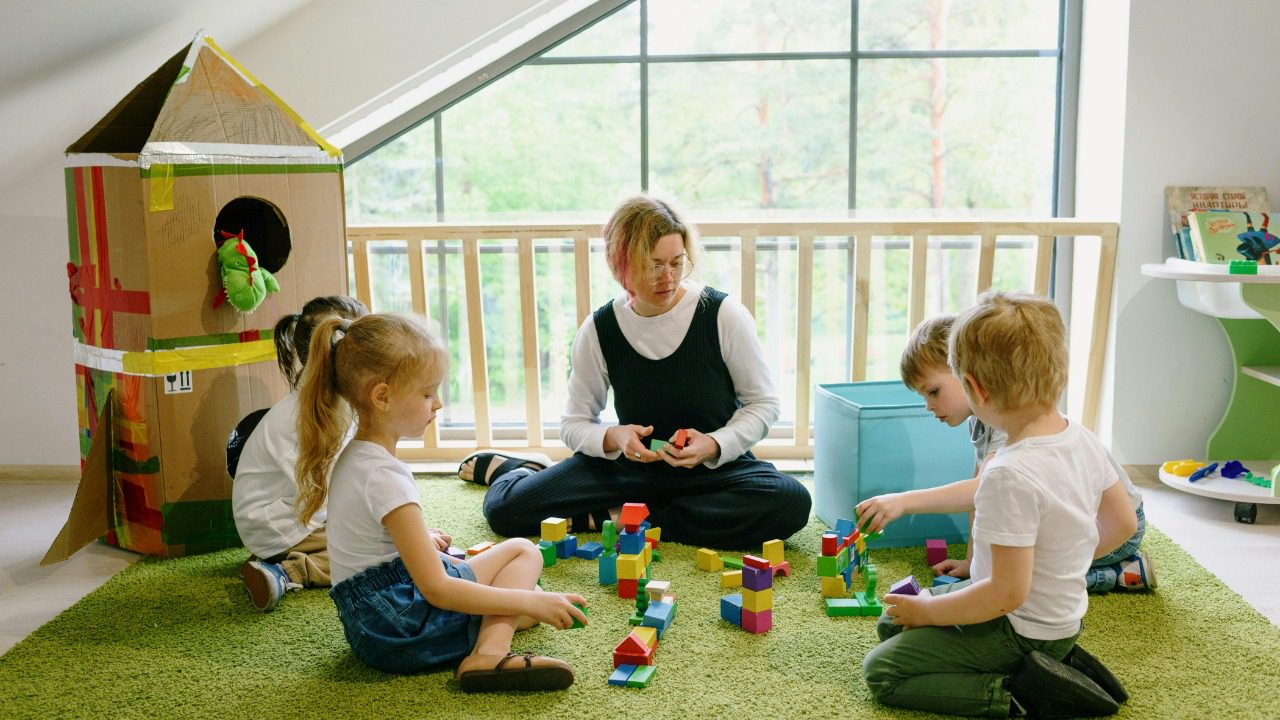
Having a designated play area can help contain the toy chaos. This area doesn’t have to be large – even a corner of your living room will do.
Having a specific spot for play can make clean-up easier, as all toys need to return to this area at the end of playtime. It also helps create a sense of responsibility, as your child knows that this is their space to maintain.
9. Use Toy Chests
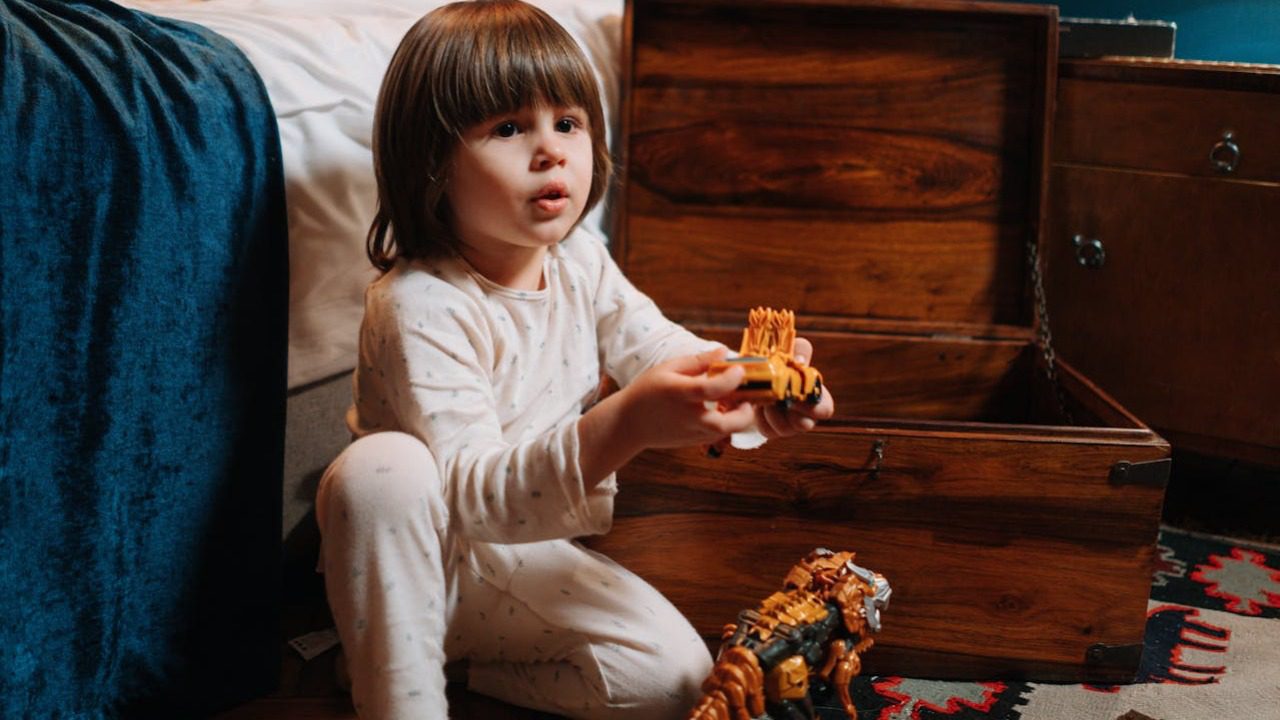
Toy chests are a classic solution for toy storage. They provide a large, centralized space to store a variety of toys.
Toy chests can be easily accessed by children, making clean-up time less of a chore. Plus, they come in various designs and sizes, so you can choose one that fits your space and decor.
10. Opt for Open Shelving
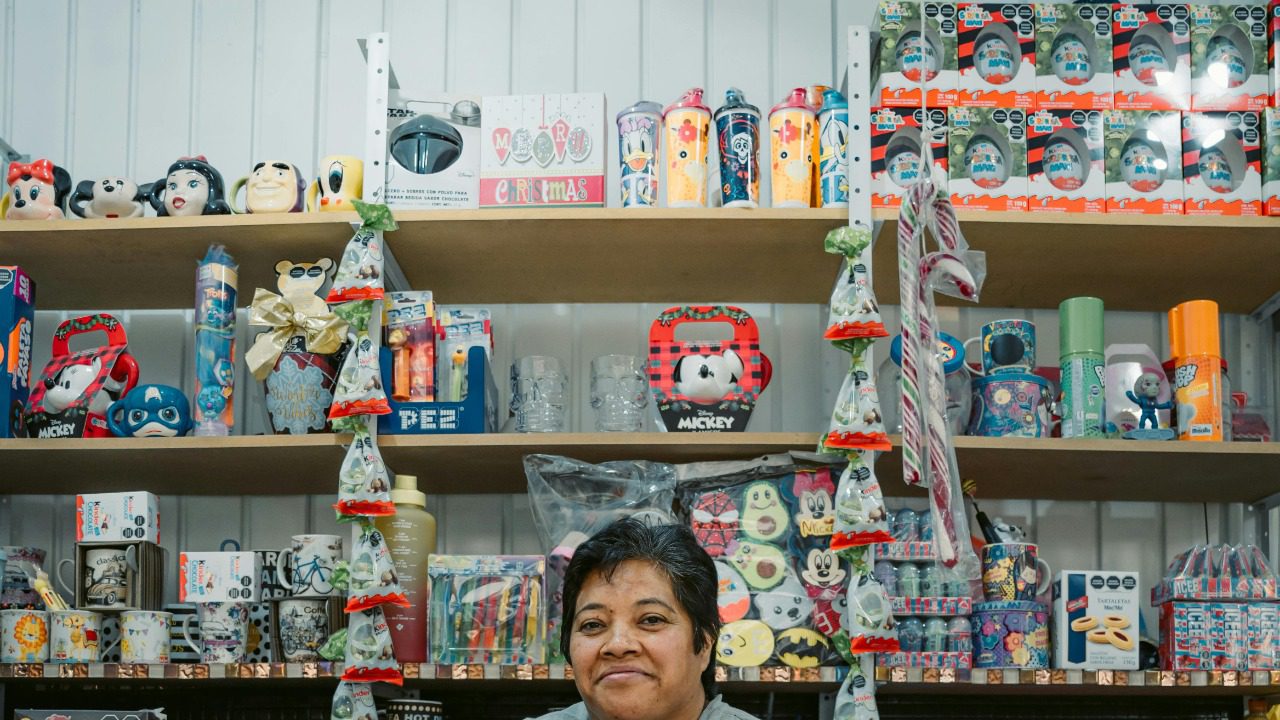
Open shelves are an excellent option for storing and displaying toys. They provide easy access and allow your child to see all their toys at once.
Open shelving can also encourage children to tidy up after themselves, as they can see exactly where each toy goes. Just be sure to secure the shelves to the wall to prevent them from tipping over.
11. Create a Library Corner

If your child has a lot of books, create a library corner. You can use a bookcase or install floating shelves to display the books.
Having a designated space for books not only encourages reading but also keeps the books organized and easy to access. Plus, it adds a cozy and educational touch to your child’s play area.
12. Use Under-bed Storage
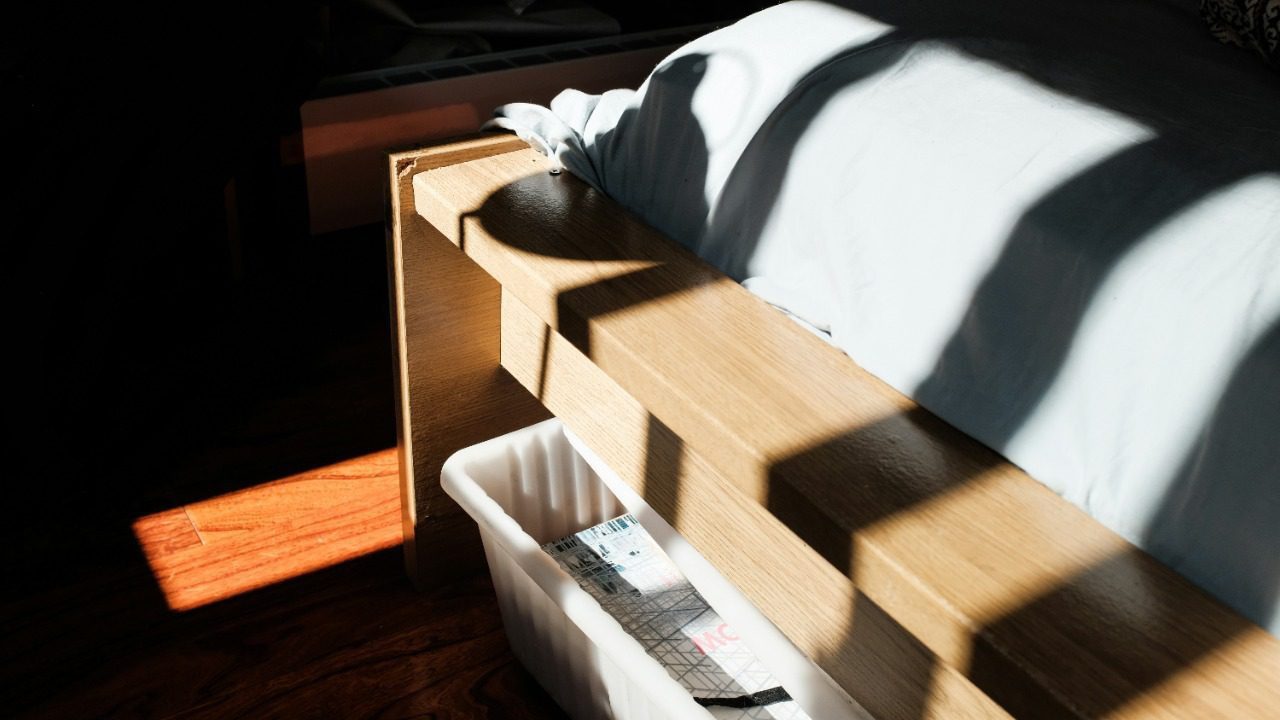
Under-bed storage is an often overlooked space that’s perfect for storing toys. You can use under-bed storage boxes or even repurpose old drawers.
This type of storage is hidden from view, keeping your child’s room looking neat and tidy. Plus, it’s easy for your child to access, making it a practical solution for toy storage.
13. Make Clean-up a Game
Make clean-up time fun by turning it into a game. Who can pick up the most toys in one minute? Who can put all the blue toys away first?
This not only makes clean-up less of a chore, but also encourages your child to participate. Plus, it’s a great way to teach them about colors, counting, and sorting.
14. Use Over-the-Door Shoe Organizers

Over-the-door shoe organizers are not just for shoes. They’re also perfect for storing small toys, craft supplies, and even Barbie dolls.
These organizers make great use of vertical space and keep small items contained and visible. Plus, they’re easy to install and can be hung on the back of a door or inside a closet.
15. Implement a Daily Clean-up Routine

Make cleaning up a part of your child’s daily routine. This could be before bedtime or after playtime.
Having a routine can make clean-up less overwhelming, as it becomes a regular part of the day. It also teaches your child responsibility and the importance of maintaining a clean and organized space.
16. Use Ziploc Bags for Small Pieces
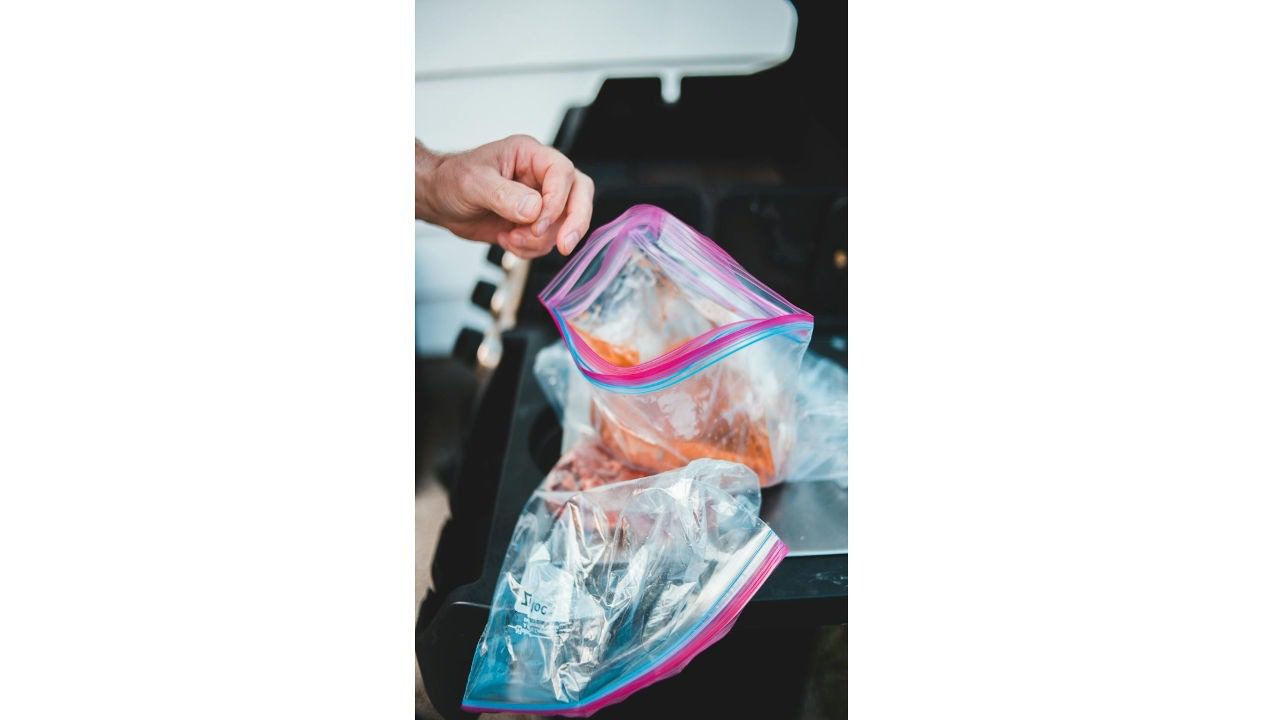
Small toy pieces, like Lego or puzzle pieces, can easily get lost or mixed up. Keep them organized by storing them in Ziploc bags.
This not only keeps small pieces contained but also makes them easy to find. You can even label each bag for extra organization.
17. Use a Toy Box on Wheels
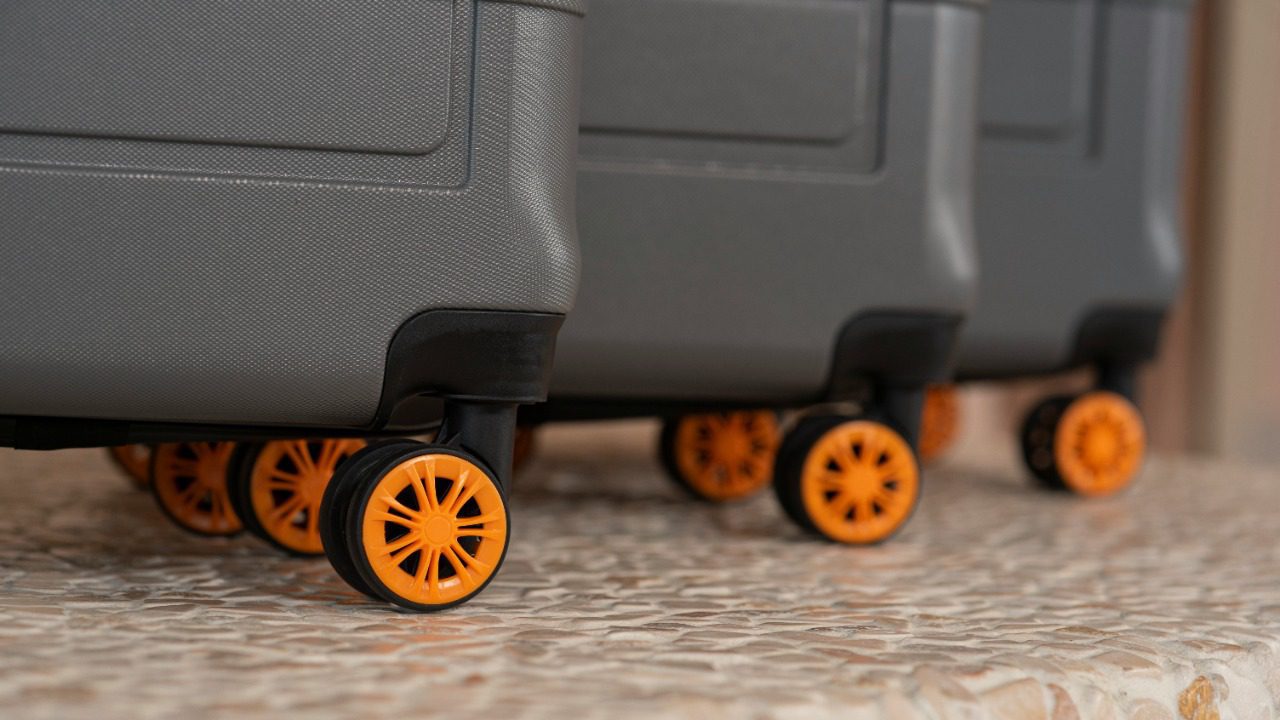
A toy box on wheels is a fun and practical way to store toys. Your child can easily wheel it around and take their toys wherever they want to play.
This not only provides easy access to toys but also makes clean-up a breeze. Simply wheel the box around and pick up all the toys. Plus, it adds a playful touch to your child’s room.
With these tips, you can finally tame the toy chaos and create a fun, organized space for your child to play. Remember, the key is to keep things simple and manageable, and involve your child in the process. Happy organizing!