Having a cluttered bedroom can significantly affect your quality of sleep. An unorganized and chaotic environment can create a sense of unease and stress, which can interfere with your ability to relax and fall asleep. On the contrary, a clean and organized space promotes tranquility and peace, setting the perfect environment for a good night’s sleep.
Here are 17 decluttering tasks you can undertake to create a serene bedroom environment and thereby, enhance your sleep quality.
1. Clear Your Bedside Table

Your bedside table should only hold the essentials such as a lamp, alarm clock, and perhaps a book you’re currently reading. Remove any unnecessary items like old magazines, jewelry, or random knick-knacks. The less clutter you have nearby, the less your mind will be distracted when it’s time for sleep.
Additionally, consider getting a bedside table with drawers where you can neatly store your essentials. This way, your bedside area appears clean and minimalistic, encouraging a calm and peaceful mindset conducive for sleep.
2. Organize Your Closet

Having a cluttered closet can make getting ready for bed or getting dressed in the morning stressful. Take time to sort through your clothes, accessories, and shoes. Donate or discard items you no longer use or need.
Invest in good quality hangers and storage boxes to keep your items neat and easy to find. Having a well-organized closet can reduce stress and make your bedroom more relaxing and inviting.
3. Limit Decorative Items

While it’s nice to have decorative items that showcase your personality, having too many can create a cluttered and chaotic environment. Limit these items and opt for minimalist designs that contribute to a calm and serene atmosphere.
Choose decorations with a purpose, such as a beautiful lamp that provides perfect reading light or a piece of art that brings you joy. This way, your room will still express your personality without overwhelming your senses.
4. Create a Relaxing Environment with Lighting

Lighting plays a crucial role in setting the mood for a good night’s sleep. Bright, harsh lights can make it difficult for you to unwind and relax. Opt for softer, warmer lights in the evening to signal your body that it’s time to prepare for sleep.
Invest in dimmable lights or lamps with warm tones. You can also consider getting blackout curtains or shades to block out any outside light during the night. Creating a relaxing environment with appropriate lighting can significantly improve your sleep quality.
5. Use Storage Boxes for Miscellaneous Items

We all have random items in our bedroom that don’t have a specific place. Instead of leaving them scattered around, use storage boxes or baskets to keep them organized.
These boxes or baskets can be stored under your bed or in your closet, keeping these items out of sight but still easily accessible. This solution not only declutters your room but also makes cleaning and tidying up much easier.
6. Create a Workspace Elsewhere
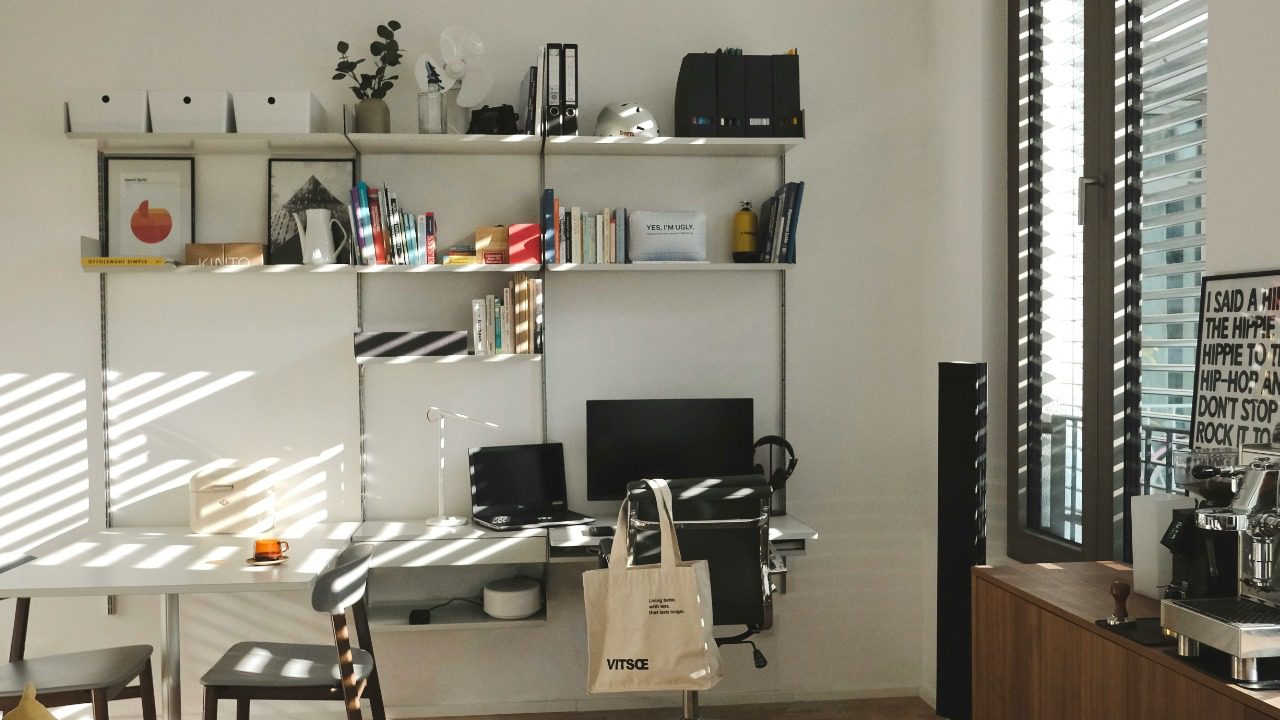
If possible, don’t mix your workspace with your sleeping space. Having your work reminders in your bedroom can increase stress and make it difficult to relax.
Find another spot in your home for your desk and work materials. If you must work in your bedroom, consider getting a room divider or screen to separate your workspace from your sleeping area. This physical separation can help create a mental separation, making it easier to unwind at the end of the day.
7. Regularly Clean Your Room

Regular cleaning can prevent clutter from building up. Make it a habit to clean your room once a week. This includes dusting, vacuuming, and wiping down surfaces.
This regular maintenance can help keep your room tidy and inviting. Plus, it’s much easier to relax and fall asleep in a clean and fresh environment.
8. Use Your Bed Only for Sleep

Your bed should only be used for sleep and intimacy. Using it for other activities such as eating, watching TV, or working on your laptop can make it difficult for your brain to associate your bed with sleep.
By limiting your bed’s use, you can strengthen the mental association between your bed and sleep, making it easier to fall asleep when you get into bed.
9. Get Rid of Electronics

Electronic devices can be a major source of clutter and distraction in your bedroom. The light from these devices can interfere with your body’s natural sleep-wake cycle, making it difficult for you to fall asleep.
Try to keep your bedroom a tech-free zone. If you must have electronics in your room, keep them neatly organized and out of sight as much as possible.
10. Keep Your Room Well Ventilated

A stuffy room can make it uncomfortable and difficult to sleep. Make sure your room is well ventilated and maintains a comfortable temperature.
Open your windows during the day to let in fresh air, and consider using a fan or air purifier at night. A well-ventilated room can help create a comfortable and relaxing environment for sleep.
11. Use Soothing Colors

The colors in your room can affect your mood and sleep quality. Opt for soothing and calming colors like blues, greens, or muted pastels.
Avoid bright and bold colors as they can be stimulating and make it difficult for you to relax. Using soothing colors can create a serene environment conducive to a good night’s sleep.
12. Keep Your Floors Clear

Having a cluttered floor can make your room feel chaotic and stressful. Make sure to regularly pick up items from your floor and put them in their proper place.
Consider investing in under-bed storage boxes for items you don’t use often. Keeping your floors clear can make your room feel more spacious and relaxing.
13. Organize Your Drawers

Just like your closet, your drawers can become a source of clutter and stress. Take time to sort through your drawers and get rid of items you no longer need or use.
Use drawer organizers to keep your items neat and easy to find. Having organized drawers can reduce stress and make your room feel more peaceful and inviting.
14. Limit Noise Disruptions

Noise disruptions can interfere with your sleep quality. If you live in a noisy neighborhood, consider using a white noise machine or earplugs to block out the noise.
If you have noisy pets or family members, set boundaries and create a quiet environment at least an hour before bedtime. Limiting noise disruptions can help create a calm environment conducive to sleep.
15. Use Relaxing Scents

Certain scents can promote relaxation and improve sleep quality. Consider using essential oils like lavender, chamomile, or ylang-ylang in your bedroom.
You can use an oil diffuser or scented candles to spread the scent throughout your room. Using relaxing scents can help create a soothing environment for sleep.
16. Keep a Sleep Schedule

Keeping a regular sleep schedule can help regulate your body’s natural sleep-wake cycle. Try to go to bed and wake up at the same time every day, even on weekends.
This consistency can improve your sleep quality and make it easier to fall asleep and wake up. Keeping a sleep schedule can help create a routine that promotes good sleep hygiene.
17. Practice a Bedtime Routine

A bedtime routine can signal your body that it’s time to wind down and prepare for sleep. This can include activities like reading a book, taking a warm bath, or practicing mindfulness meditation.
Stick to this routine as much as possible, even when you’re not feeling tired. Practicing a bedtime routine can help create a calming environment and prepare your body and mind for sleep.
By incorporating these tips into your lifestyle, you can transform your bedroom into a peaceful sanctuary that promotes restful sleep. Remember, decluttering is not a one-time task but an ongoing process. Make it a part of your routine, and enjoy a better night’s sleep in your serene and clutter-free bedroom.