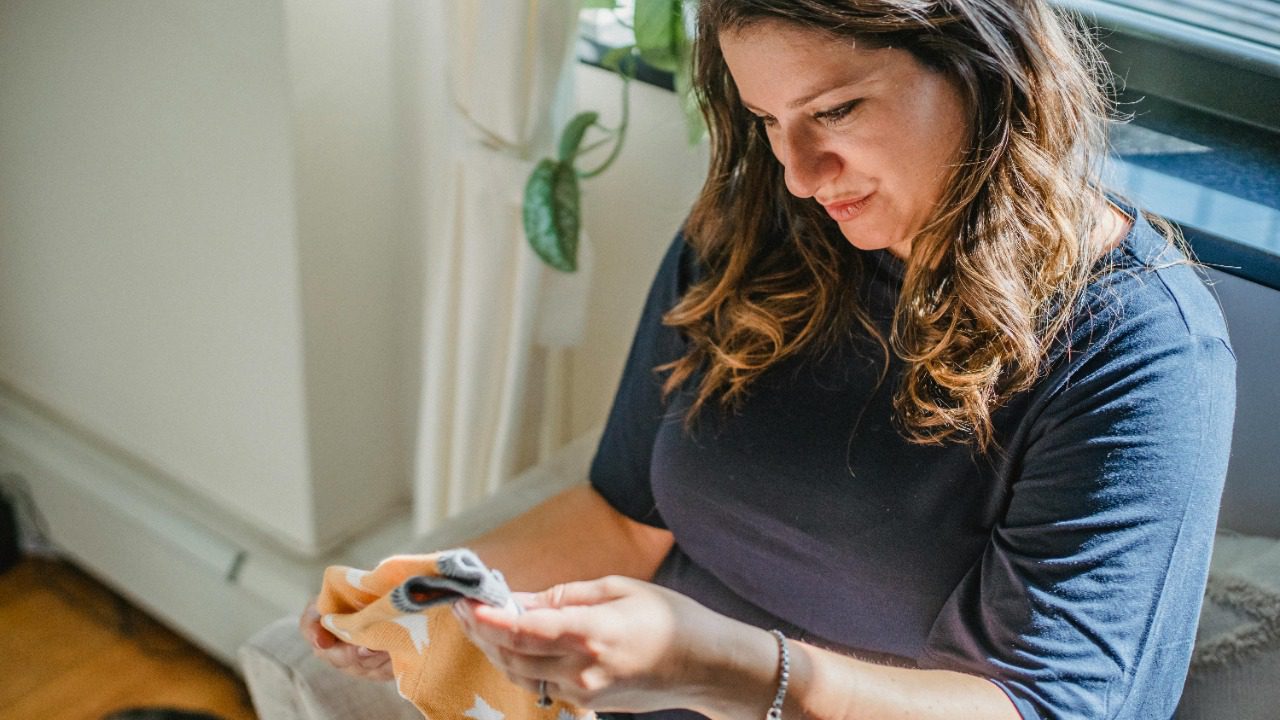
Being a mom is a beautiful journey filled with countless special moments and priceless memories. However, it also inevitably leads to a house brimming with sentimental clutter. Items like your children’s first pair of shoes, favorite storybooks, school projects, and old clothes all carry a special place in your heart, making it tough to let go. But living in a cluttered environment can cause unnecessary stress and take a toll on your mental health. Therefore, it’s crucial to declutter.
Here are 18 decluttering tips for sentimental moms that would make this process a bit easier.
1. Start Small
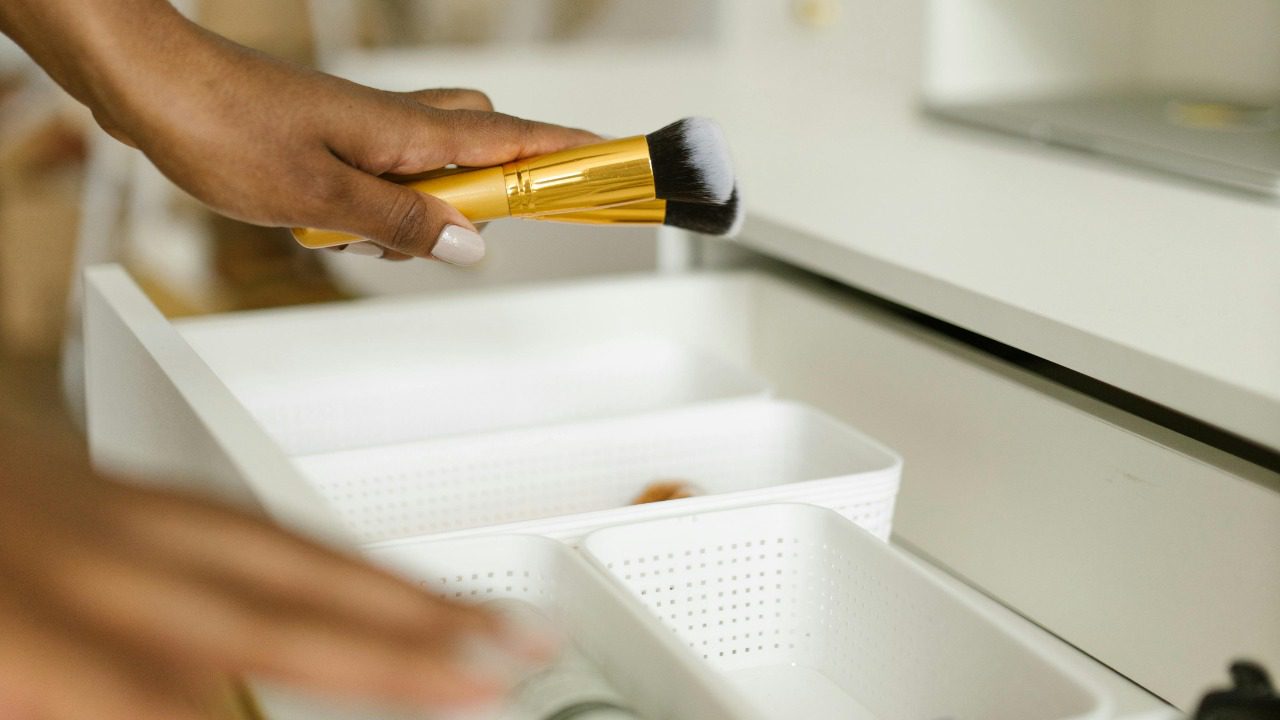
Starting the decluttering process can seem overwhelming, especially when it comes to sentimental items. Begin with a small, manageable area like a drawer or a section of a closet. This will give you a sense of accomplishment and boost your motivation to tackle larger areas. Remember, the goal is progress, not perfection, so don’t stress if everything isn’t perfectly organized immediately. Rome wasn’t built in a day, and neither will your decluttered home.
2. Set Time Limits
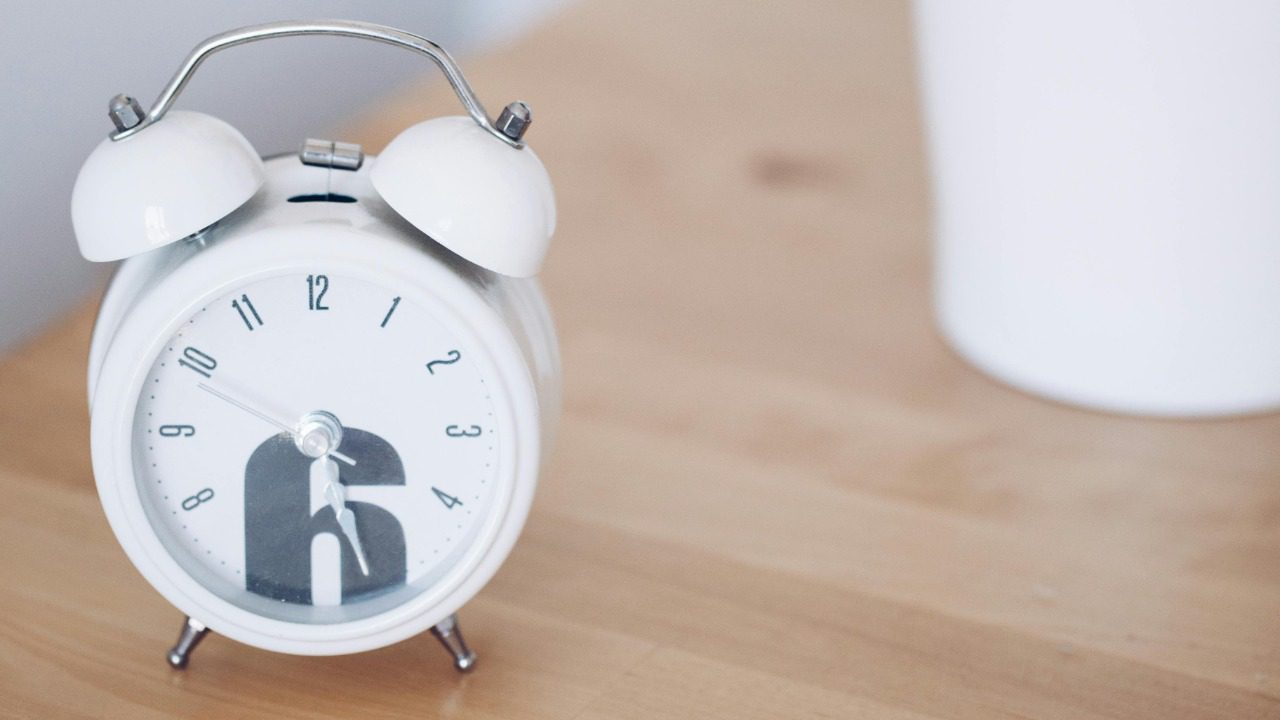
Set a timer for a specific amount of time, say 30 minutes a day, to focus on decluttering. This prevents you from getting overwhelmed and ensures you make consistent progress. When the timer goes off, stop and resume the next day. This approach allows you to break a large task into manageable chunks, making it less daunting.
3. Keep a Memory Box
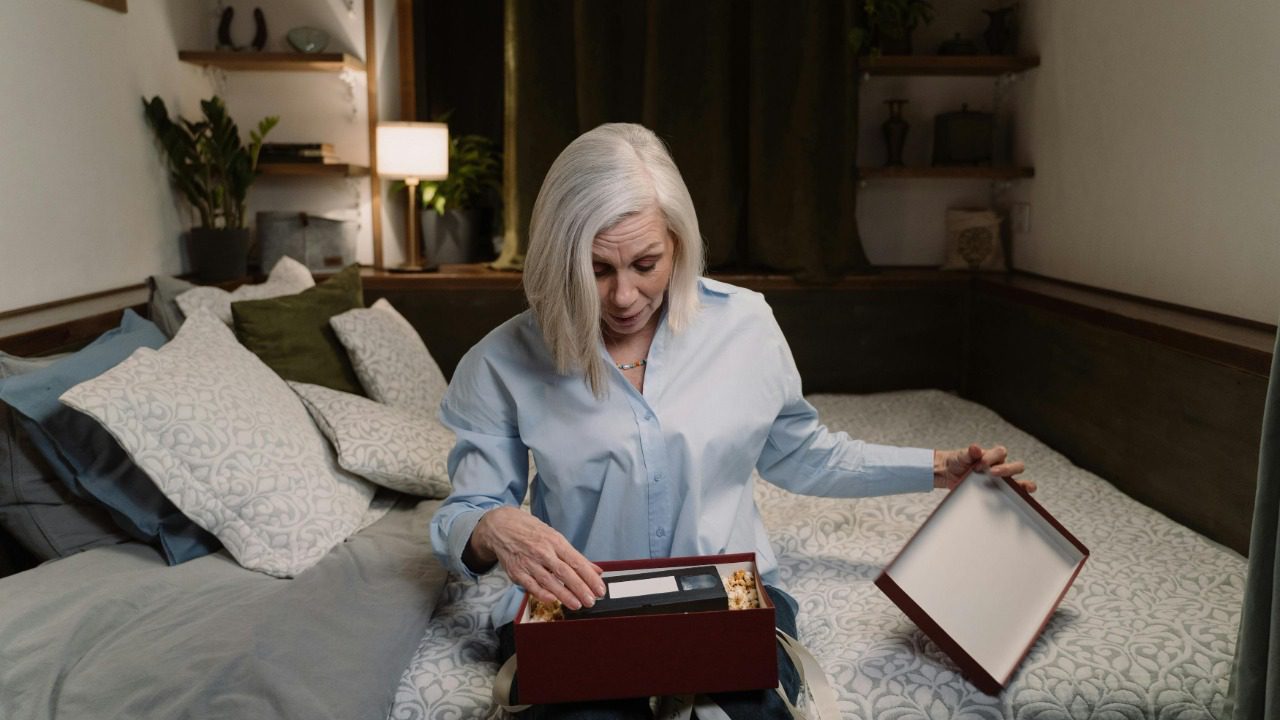
Designate a box for each of your children where you can store their most special keepsakes. This could include items like their first lock of hair, birth announcements, or precious hand-drawn pictures. This way, you’re able to keep some sentimental items without them taking over your house. Remember to be selective about what goes into the box to avoid it becoming another source of clutter.
4. Digitize Documents
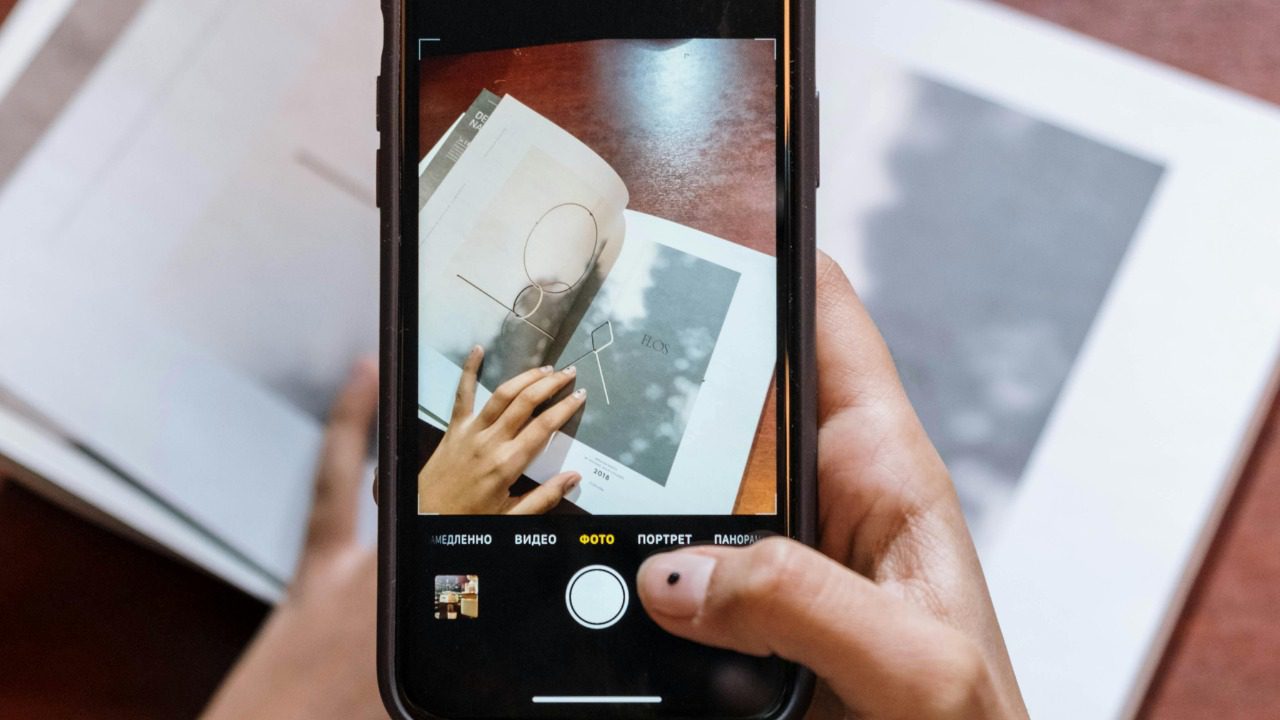
Convert paper items like report cards, artwork, and certificates into digital format. You can scan these items and store them in a cloud service or on a hard drive. This way, you can keep these cherished memories without taking up physical space. Plus, digital copies are less likely to degrade or get damaged over time.
5. Take Photos of Larger Items
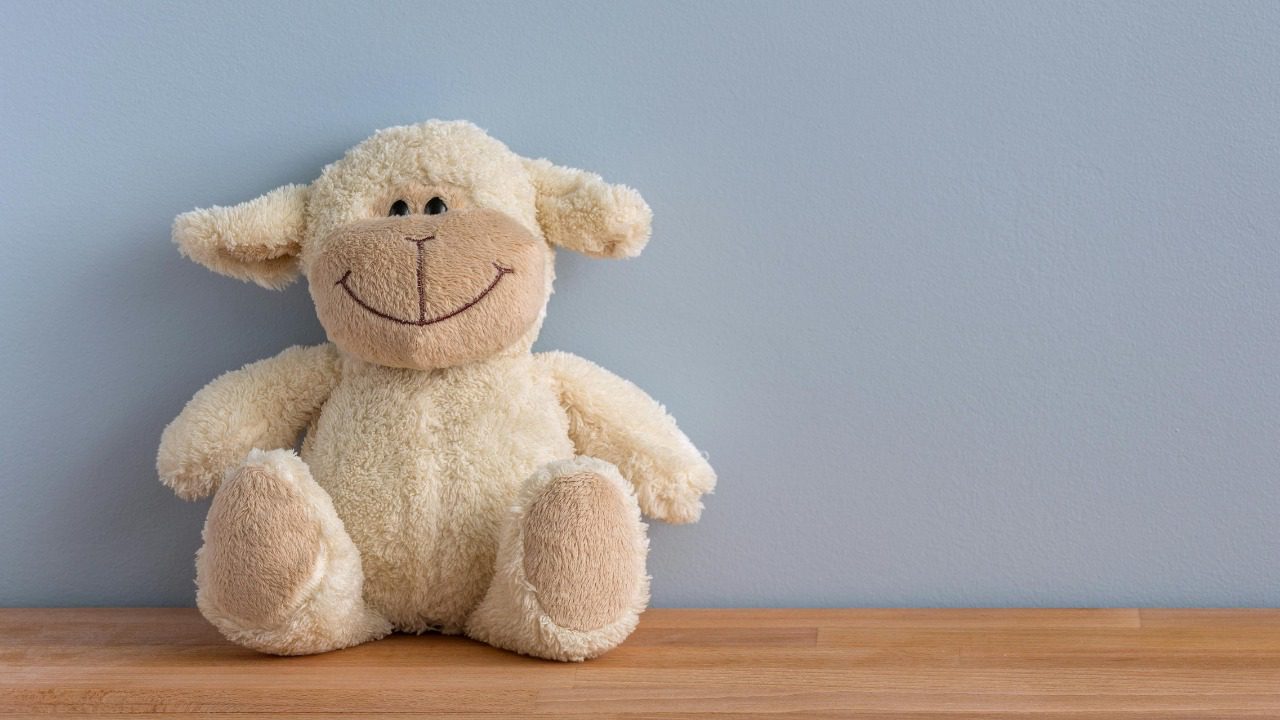
Large items like stuffed animals, toys, or baby furniture can take up a lot of space. Consider taking pictures of these items before giving them away or throwing them out. You can keep these photos in a special album or digital folder, preserving the memory without the physical clutter.
6. Use Items as Decor
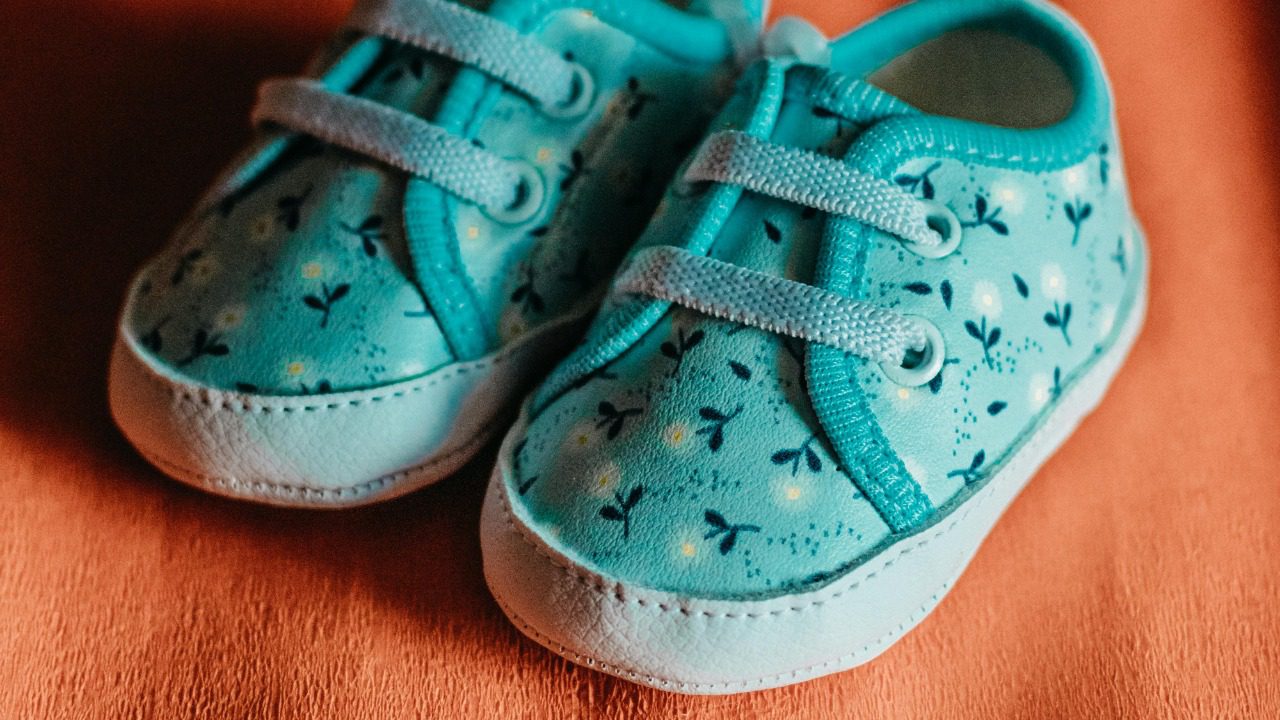
Some items can serve a dual purpose as both a memorable keepsake and a piece of decor. For example, your child’s first pair of shoes can be displayed in a shadow box on the wall, or a special blanket can be used as a throw on the couch. This way, you can keep and enjoy these items without them contributing to clutter.
7. Repurpose Old Clothes
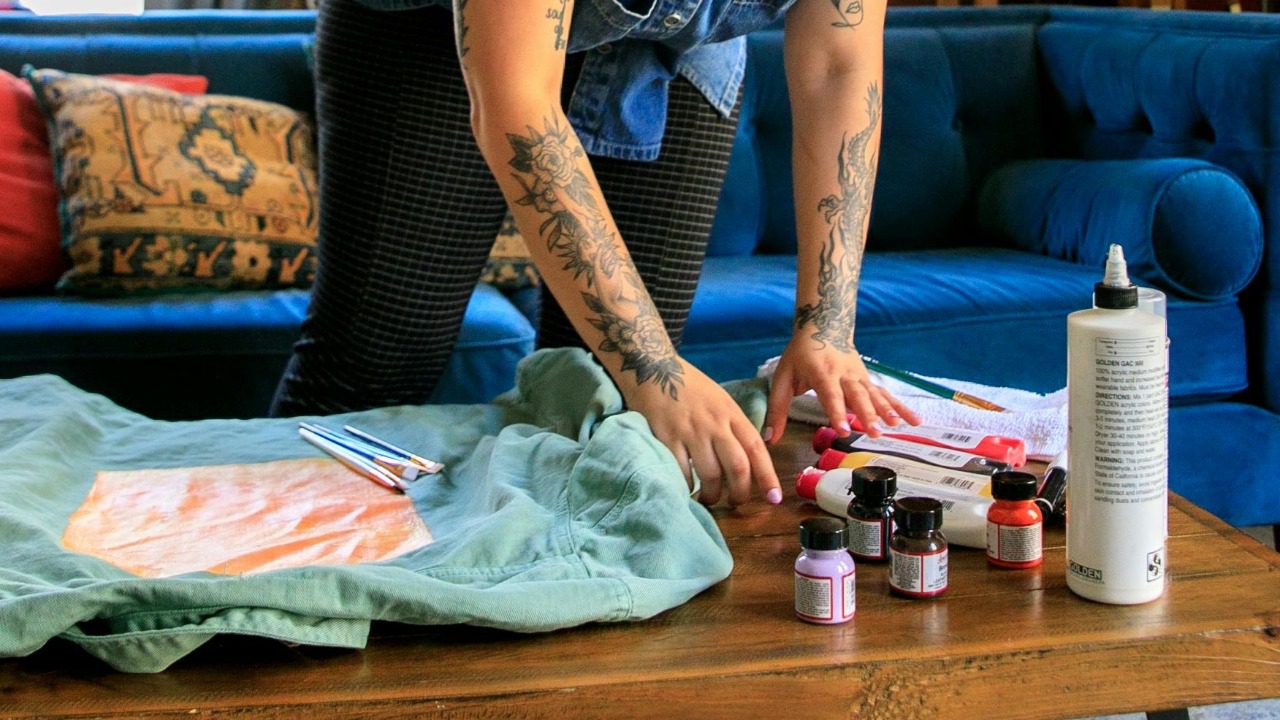
Old clothes can be transformed into something new and useful. For instance, baby clothes can be sewn into a quilt, or old t-shirts can be made into a rag rug. This not only declutters your space but also creates a new, sentimental item that you can use and enjoy daily.
8. Create a Rotating Display
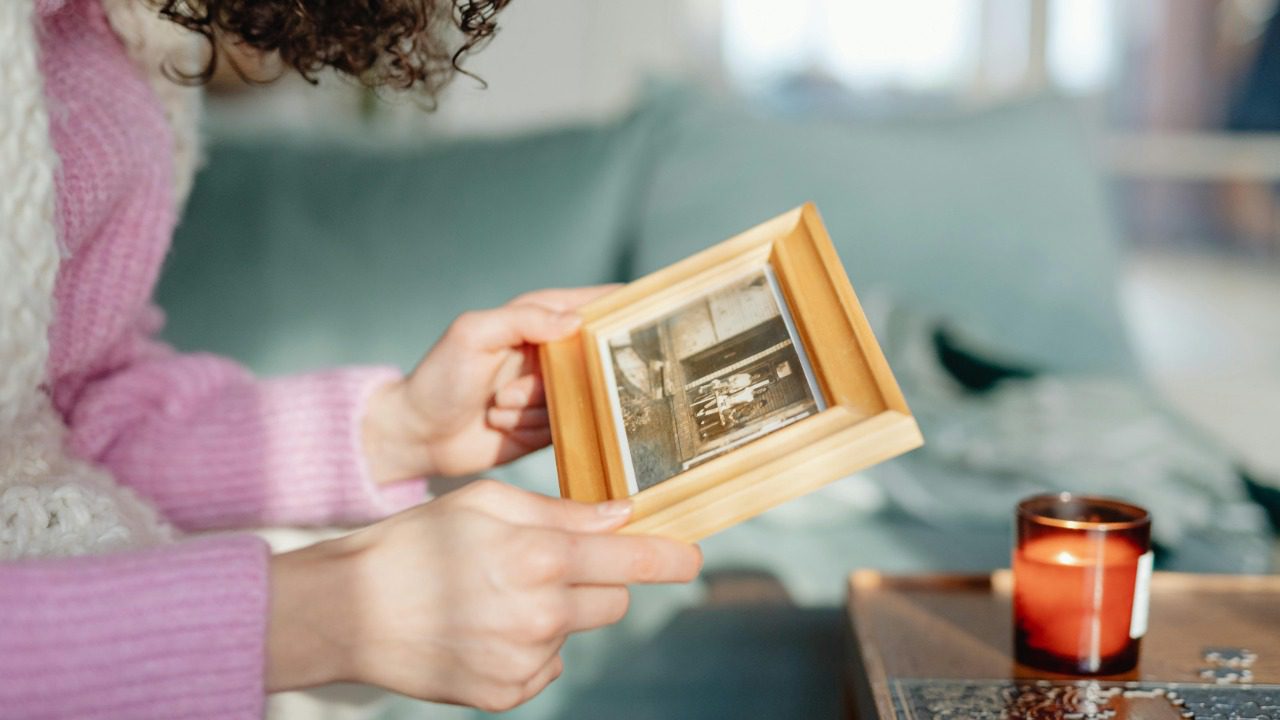
If you have many items you’d like to display, consider creating a rotating display. This could be a shelf or a picture frame where you alternate items every month or so. This allows you to appreciate all your keepsakes without them all being out at once and creating clutter.
9. Give Heirlooms to Loved Ones
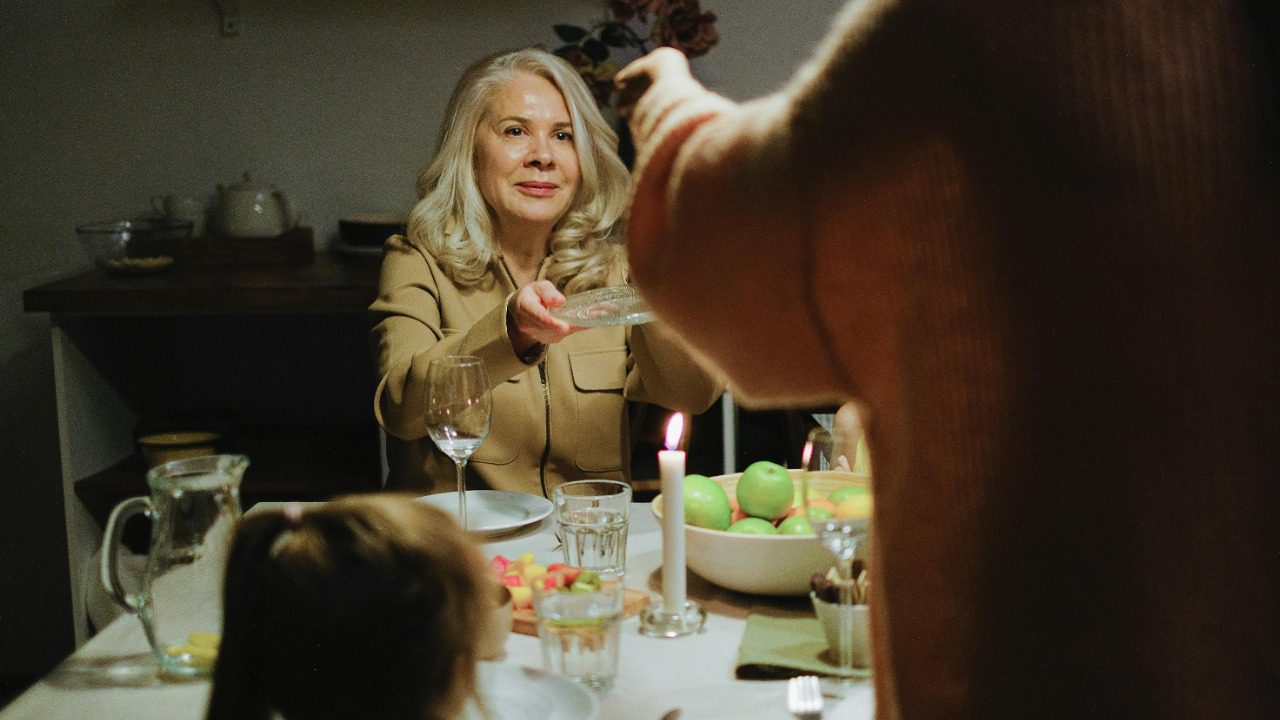
If you have heirlooms or family items that you don’t use but feel guilty about getting rid of, consider passing them on to a loved one who will appreciate them. This way, the item stays within the family and is being used and enjoyed, rather than gathering dust in your home.
10. Donate to a Good Cause
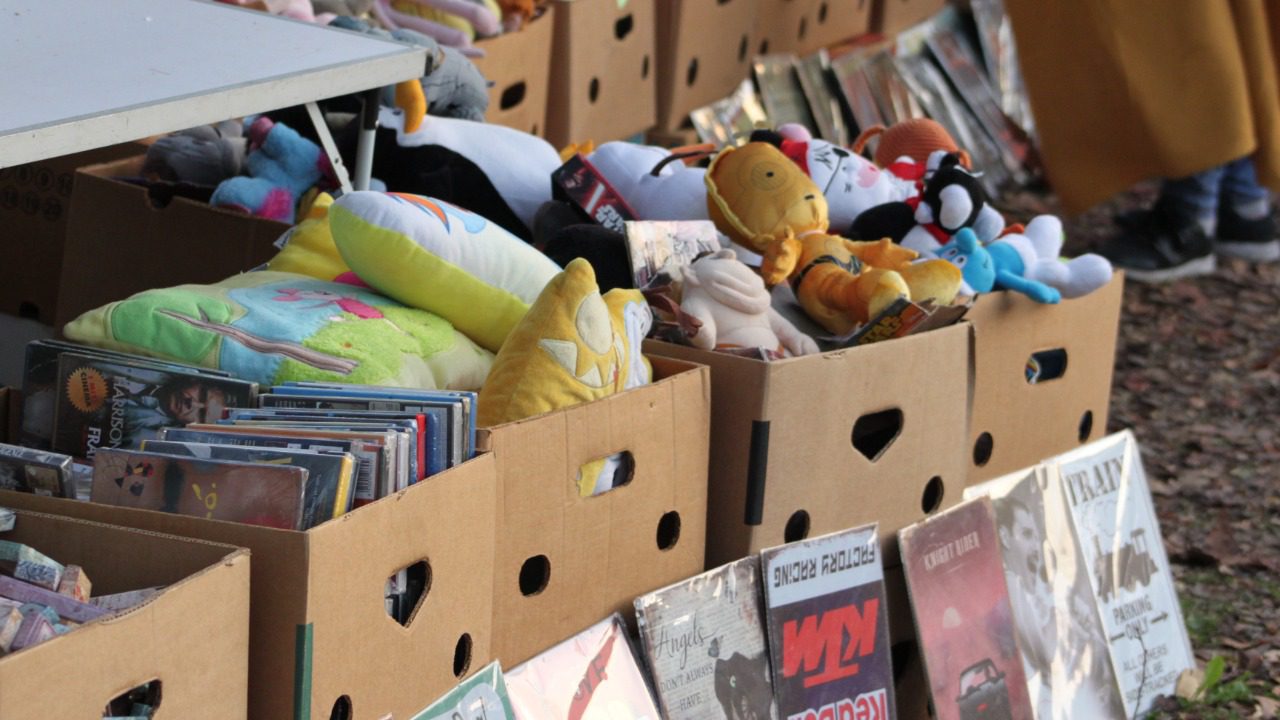
Knowing that your items are going to a good cause can make it easier to let go of them. Consider donating toys, clothes, and other items to charities or organizations that can use them. Not only are you decluttering your home, but you’re also helping those in need.
11. Keep Only What Brings Joy

Inspired by Marie Kondo’s method, keep only those items that spark joy. If an item brings you happiness and you have a place for it, keep it. If it doesn’t, thank it for the memories it gave you and let it go.
12. Create a Scrapbook
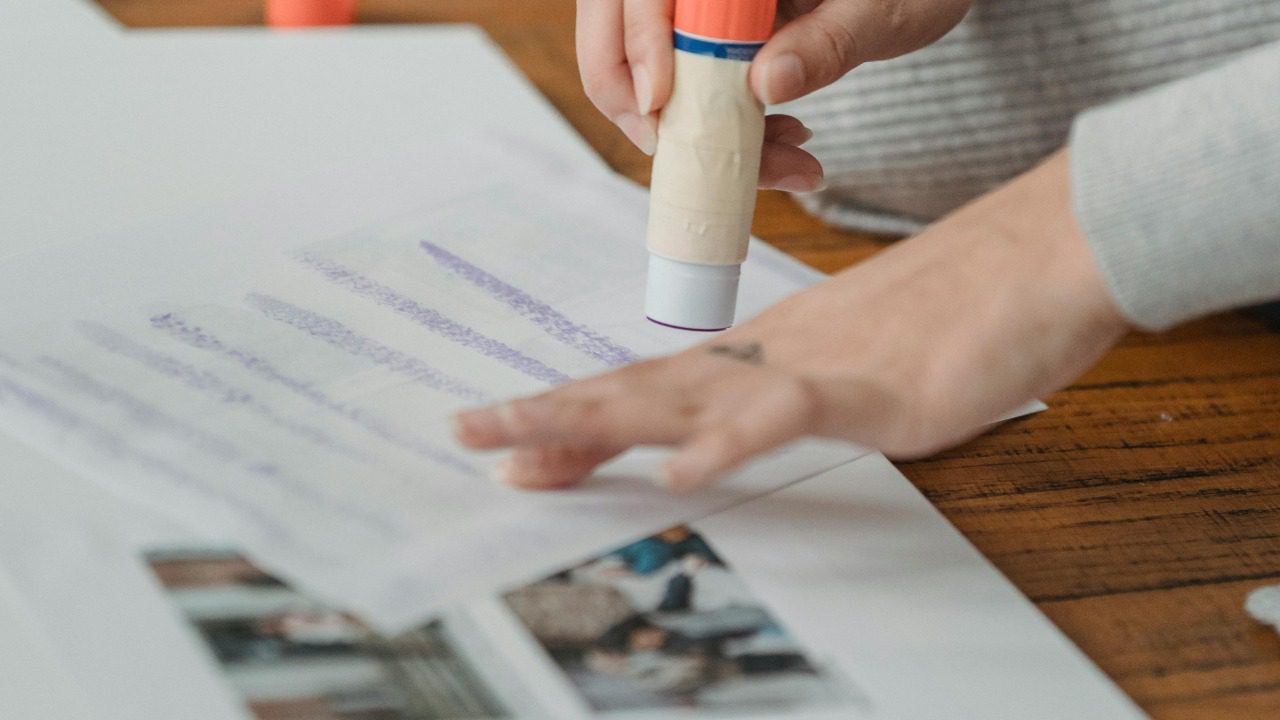
Compile photos, small mementos, and notes into a scrapbook. This is a great way to consolidate memories into a compact, organized format that you can enjoy flipping through. Plus, scrapbooking can be a therapeutic and creative outlet.
13. Make Use of Storage Furniture

Consider investing in furniture that doubles as storage, like ottomans or benches with hidden compartments. This can help keep sentimental items out of sight but still within reach.
14. Use Clear Storage Containers
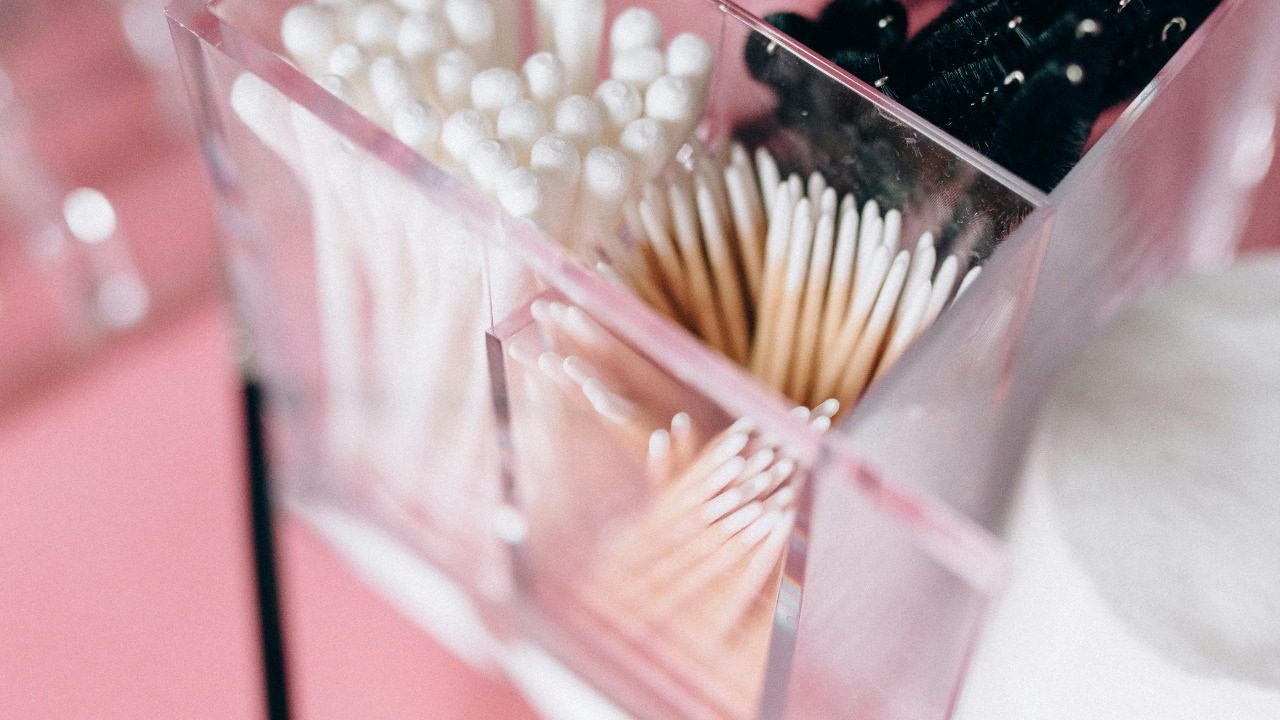
Using clear storage containers allows you to see what’s inside without having to open each one. This makes it easier to find what you’re looking for and prevents you from forgetting what you have.
15. Prioritize Items
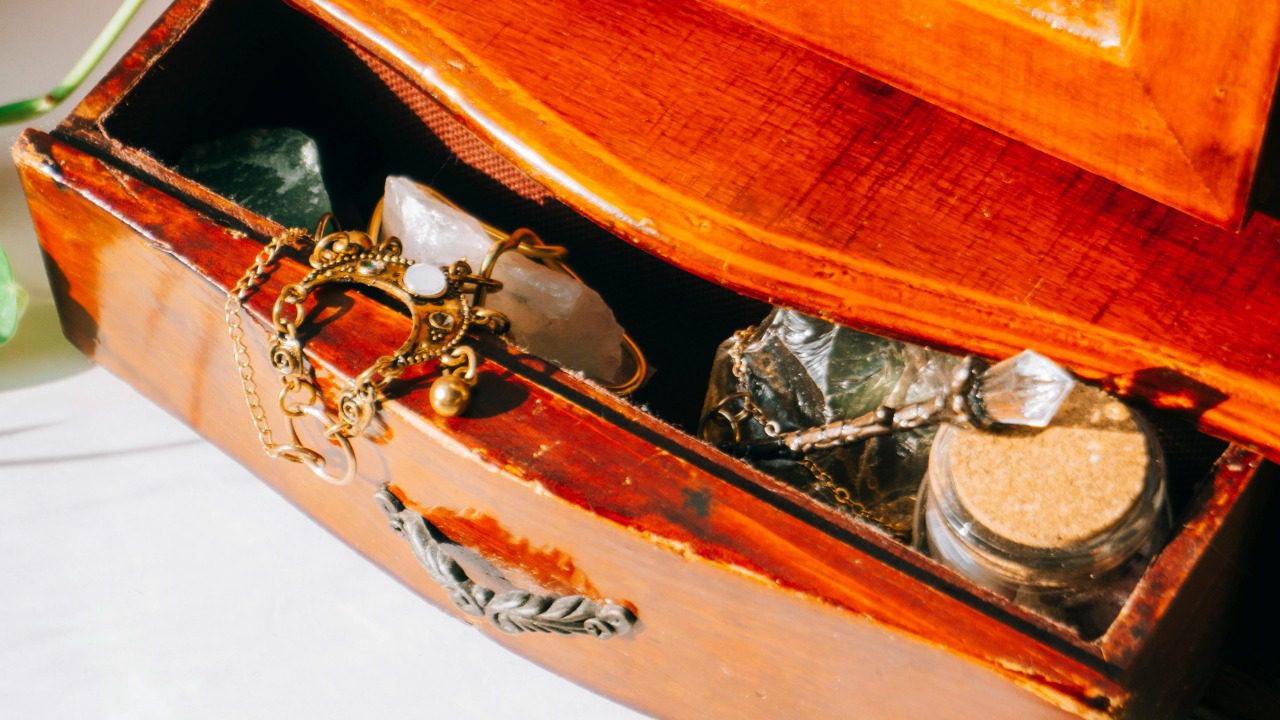
Not all sentimental items are created equal. Some hold more emotional value than others. Prioritize the ones that mean the most to you and let go of the rest.
16. Remember Memories Aren’t in Things
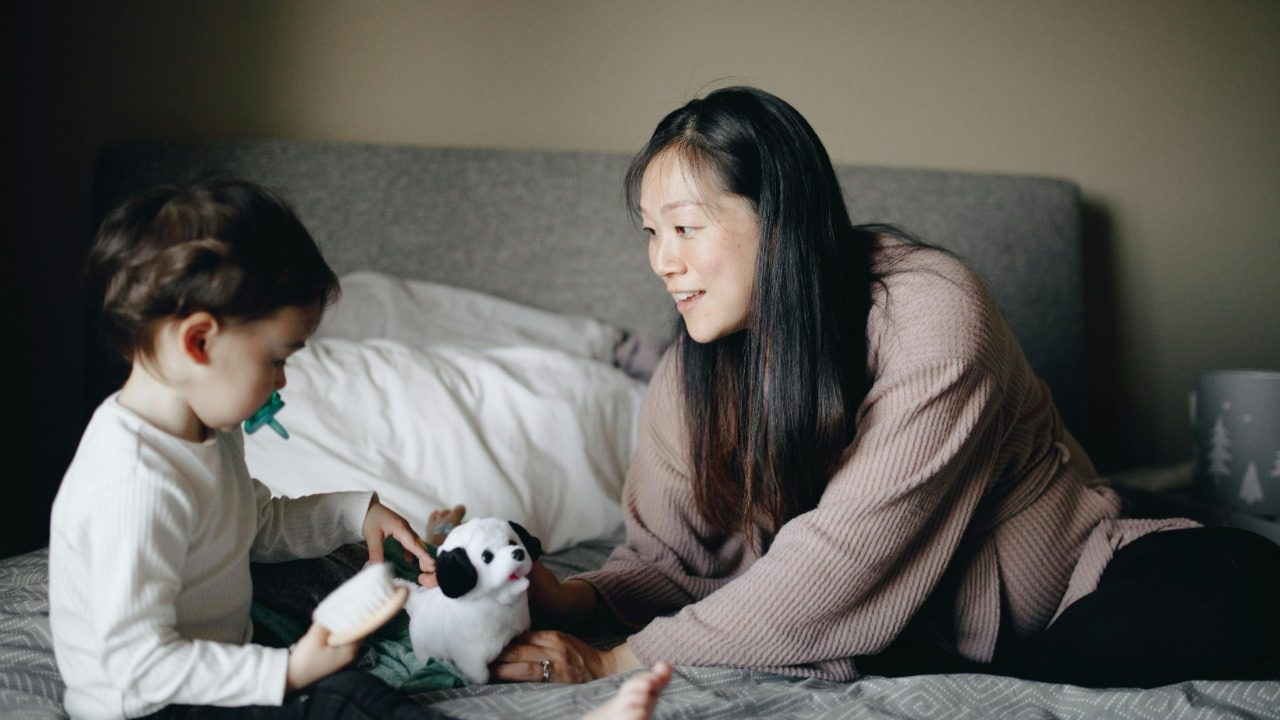
It’s important to remember that memories reside in our minds and hearts, not in physical objects. Letting go of a sentimental item doesn’t mean you’re letting go of the memory associated with it.
17. Get Support
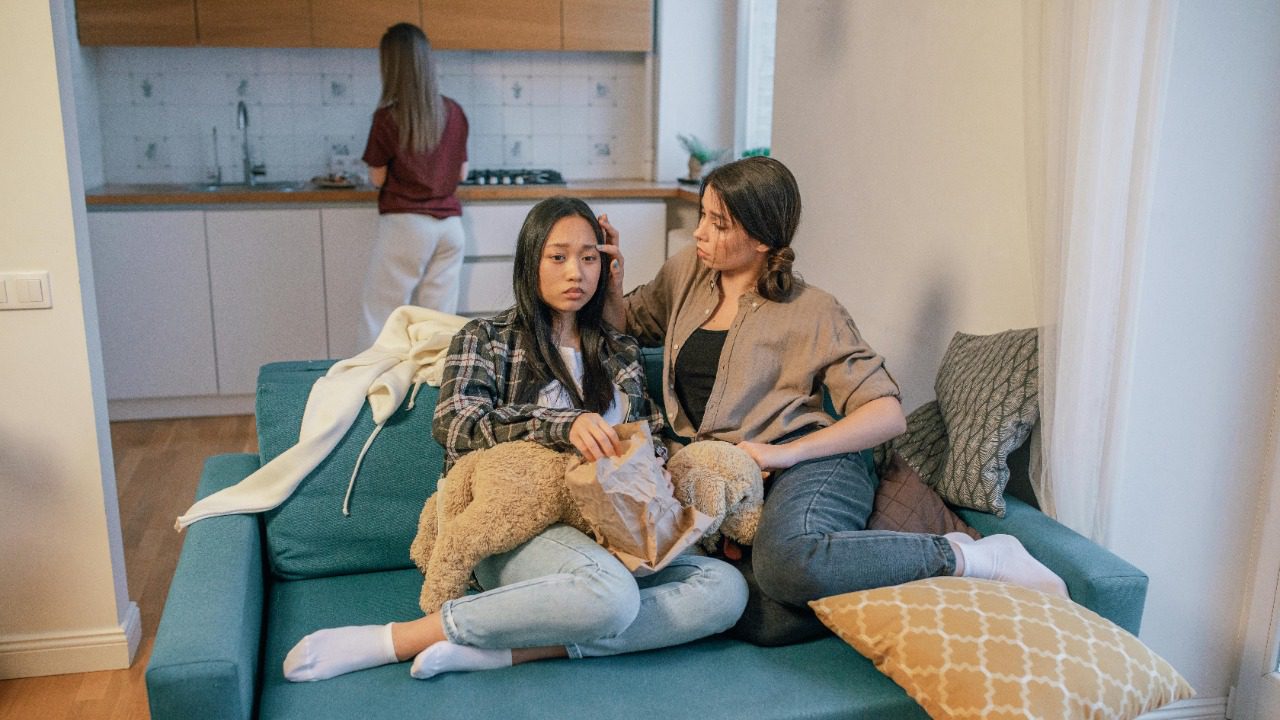
Whether it’s from a friend, family member, or professional organizer, getting support can make the decluttering process easier. They can provide a fresh perspective, practical assistance, and emotional support when you’re struggling to let go.
18. Be Patient with Yourself
Decluttering, especially when it involves sentimental items, is an emotional process. It’s okay to feel attached to these items and struggle with letting go. Be patient with yourself and remember that it’s okay to keep some things. The goal of decluttering is not to live with as little as possible but to make room for what truly matters.