Surely, you’ve heard of the saying, “A place for everything, and everything in its place.” Organization is key to maintaining order, reducing stress, and increasing productivity. Yet, there are countless myths about organization that not only cause chaos but also hinder us from achieving a well-structured and clutter-free environment.
Let’s debunk 18 myths about organization that, if believed, could do more harm than good.
1. Everything must be perfect

The idea that an organized space should look like a page ripped out of an interior design magazine is a myth. The purpose of organization isn’t about attaining aesthetic perfection, but functional efficiency.
A space is organized if it enables you to find what you need when you need it, not because it looks picture-perfect. For instance, your desk might appear messy to others, but if you know where everything is and it helps you work productively, then it’s organized for you.
2. You need expensive containers

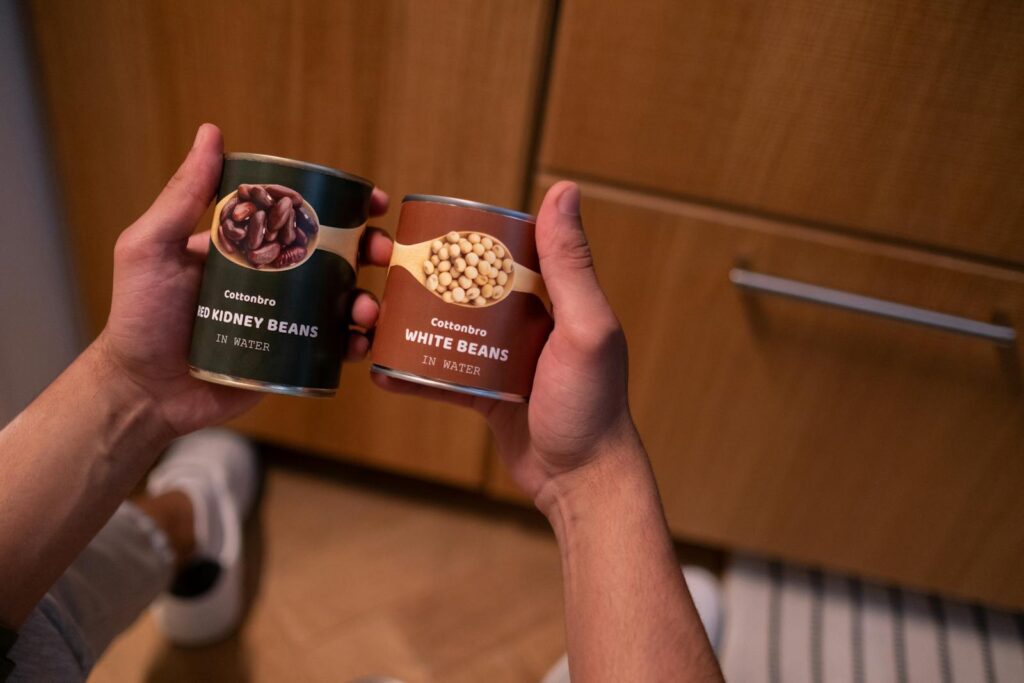
One of the biggest myths about organization is that you need to invest in expensive containers, storage solutions, or fancy furniture. While it’s true that having specific places for your things can help keep them organized, it doesn’t mean you have to break the bank for it.
Sometimes, simple solutions like shoe boxes, Mason jars, or even repurposed food containers can work just as well. Remember, what matters more is creating a system that works for you, not how much you spend on it.
3. Being organized means being minimalist
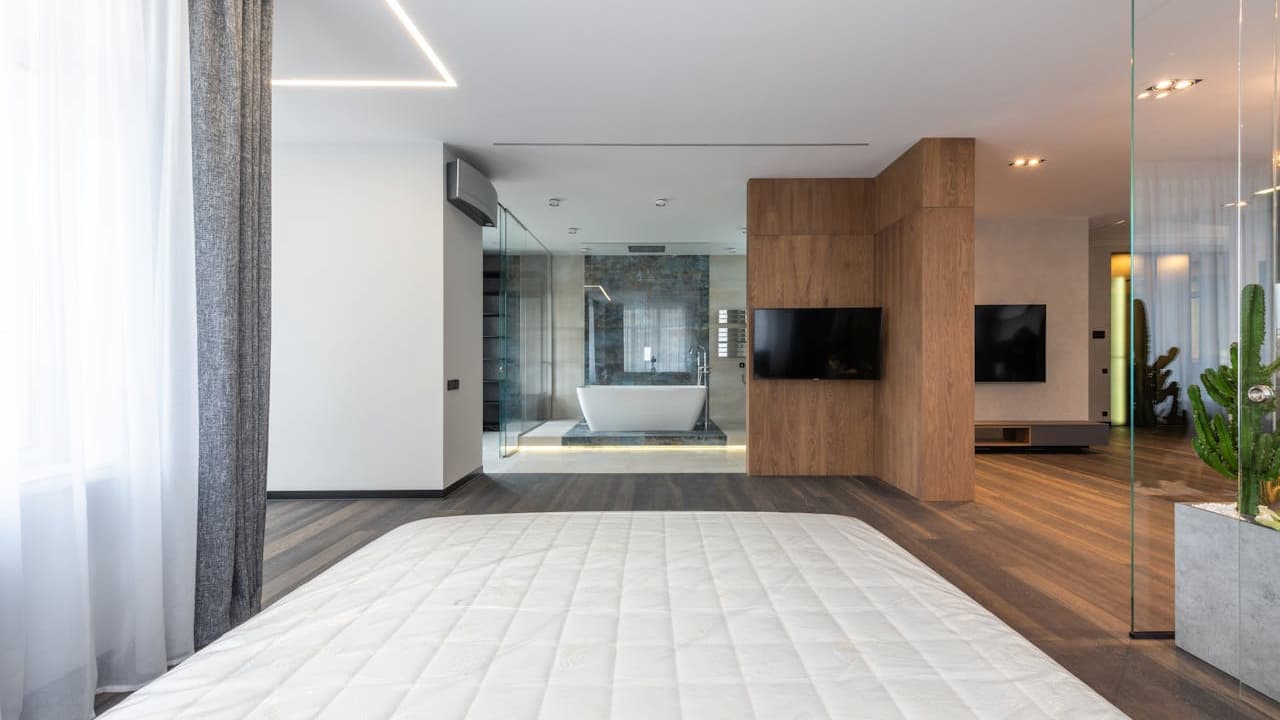
While minimalism can lead to a more organized lifestyle, one doesn’t automatically mean the other. You can have many possessions and still maintain an organized environment.
The key is to have a system that helps you keep track of everything, whether that means categorizing items, labeling storage spaces, or regularly decluttering to get rid of items you no longer need or use.
4. You must get rid of things you haven’t used in a year
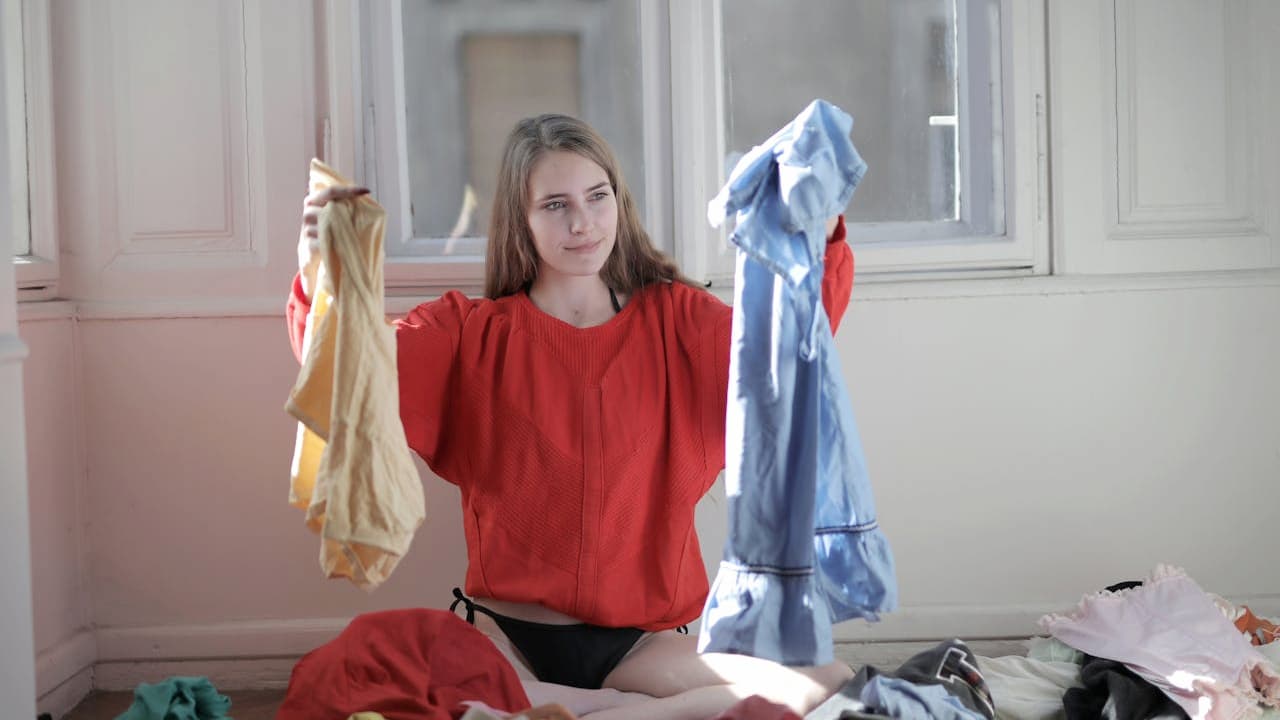
While it’s a good idea to regularly review and purge items you no longer need, the “one-year rule” isn’t a hard and fast rule. Some items, like seasonal clothing, camping gear, or holiday decorations, may not be used regularly but are still necessary. The key is to consider the function and value of each item and whether it contributes positively to your living or working space.
5. Once you’re organized, you’ll stay organized forever

Organization isn’t a one-time task, but a continual process. Your needs and circumstances change over time, and so should your organizational systems. It’s a good idea to periodically review and revise your organization strategies to ensure they’re still serving you well. This could mean reorganizing your home office as you transition to remote work, or decluttering your wardrobe as your style changes.
6. You can’t be organized if you’re a creative person

Creativity and organization are not mutually exclusive. In fact, many successful artists and creatives thrive in organized environments. Being organized can actually free up mental space for creative thinking and innovation. For example, having a designated workspace with all your art supplies neatly arranged can save you the hassle of searching for your materials, allowing you to focus more on creating.
7. You must organize everything at once

The thought of organizing everything at once can be overwhelming and discourage you from starting. Instead, tackle one area or category at a time. This makes the task more manageable and allows you to see progress more quickly, which can motivate you to continue.
8. Organizing is time-consuming

While setting up an organization system can take some time initially, it saves you time in the long run. Instead of wasting time searching for misplaced items or dealing with clutter, you can easily locate what you need and focus on more important tasks.
9. You don’t need to write things down if you’re organized

Even the most organized people can forget things. Writing things down, whether it’s a to-do list, appointment reminders, or important notes, can help ensure that nothing slips through the cracks.
10. Being organized means you’re a neat freak

Being organized isn’t about being overly tidy or obsessive about cleanliness. It’s about creating a functional and efficient system that helps you manage your time and resources better.
11. You don’t need to be organized if you live alone
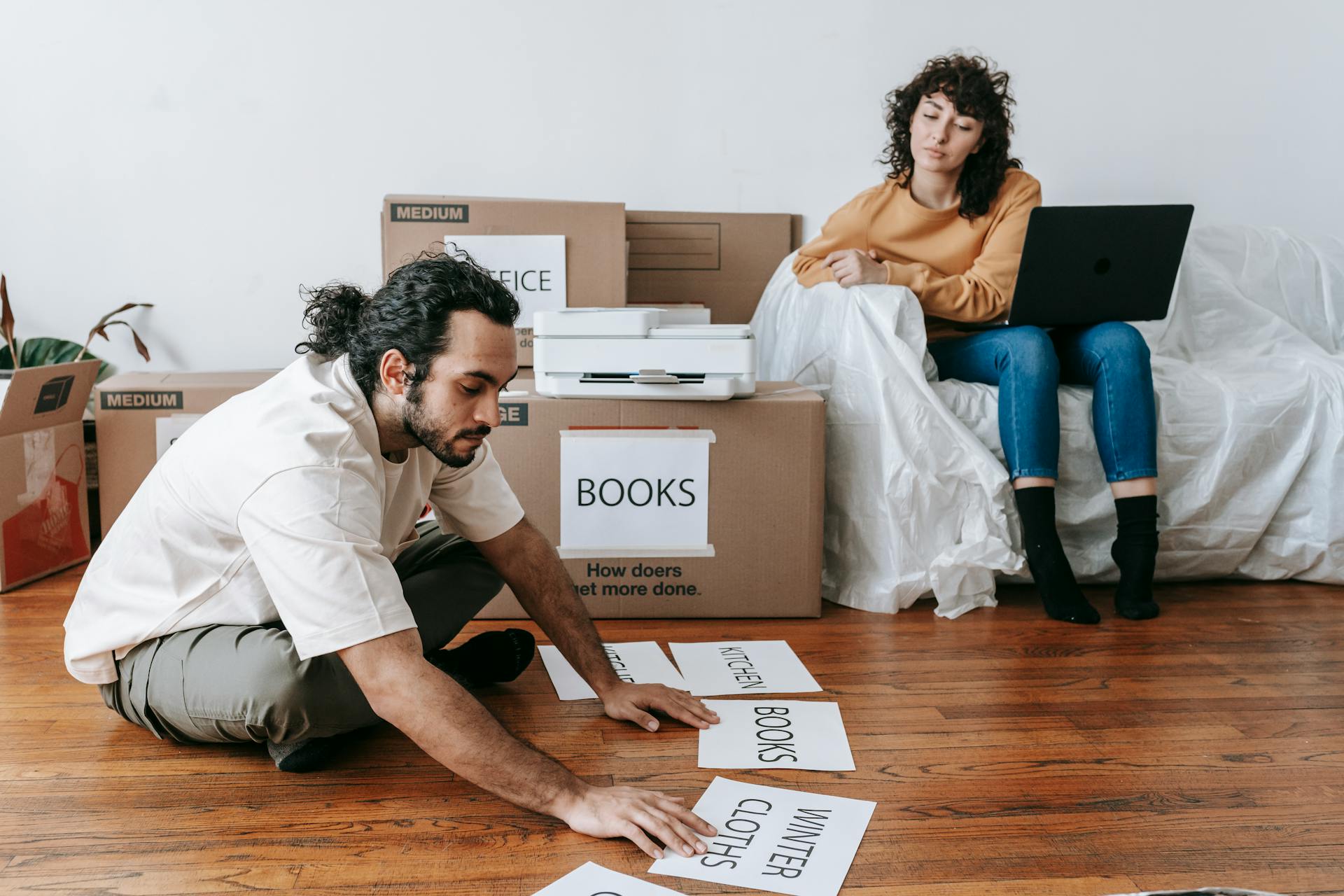
Whether you live alone or with others, being organized can help you manage your space and time more efficiently.
12. Organizing is boring

Organizing can be fun and satisfying, especially when you see the results of your efforts. It can also be a form of self-care, as a clean and organized environment can reduce stress and improve mental well-being.
13. You don’t need to organize digital files
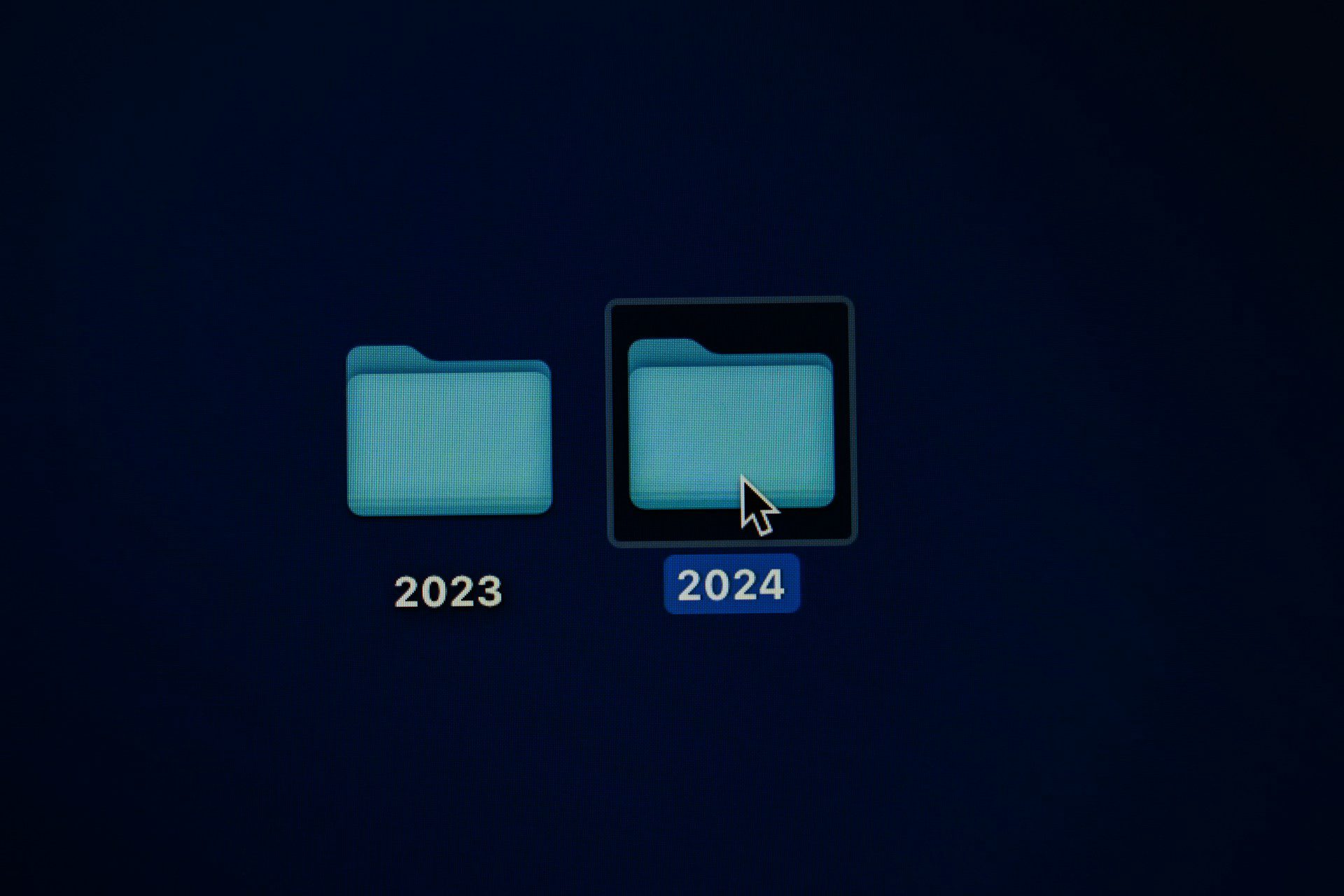
Just like physical clutter, digital clutter can also cause stress and frustration. Regularly organizing and decluttering your digital files can help you work more efficiently and avoid the frustration of not being able to find what you need.
14. You should keep items for sentimental reasons

While it’s natural to attach sentimental value to items, it’s important to remember that memories are not in things, but in us. Keeping a few meaningful mementos is fine, but don’t let sentimentality become a reason for clutter.
15. You have to do it all yourself

Getting organized doesn’t mean you have to do everything yourself. You can enlist the help of family members, friends, or professional organizers.
16. You can’t be organized if you have kids

While kids can generate a lot of clutter, it’s still possible to maintain an organized home. The key is to involve them in the process and teach them the importance of organization.
17. You can only start organizing at the start of the year

Any time is a good time to start getting organized. You don’t have to wait for a new year, month, or week to start.
18. Being organized is a personality trait

Being organized is not a personality trait, but a skill that anyone can learn and improve upon. It involves creating systems and habits that help you manage your time and resources more effectively.