
When it comes to staying organized, sometimes it feels like you’re in a constant uphill battle. Papers pile up, deadlines sneak up on you, and before you know it, you’re drowning in a sea of stress and clutter. But fear not, there are strategies to help you stay ahead of the game.
Here are 18 organization tips that you’ll wish you knew sooner. Implement these tips in your daily life and watch as your productivity soars and stress levels plummet.
1. One Minute Rule

Don’t delay tasks that can be done in a minute or less. This principle, popularized by Gretchen Rubin, author of The Happiness Project, can be a game-changer in maintaining a clean and orderly environment. It’s a simple concept: if a task will take less than a minute to complete, do it immediately instead of putting it off.
For example, if you’ve just finished a meal, take a minute to clean your dishes instead of letting them pile up in the sink. Or if you find a piece of trash on the floor, pick it up and throw it away instead of stepping over it. It’s surprising how much you can accomplish in a minute, and by following this rule, you’ll prevent small tasks from accumulating into a larger, more daunting problem.
2. The Eisenhower Box

Named after the 34th U.S. President, the Eisenhower Box is a time management strategy that can help you prioritize your tasks. The concept is simple: divide your tasks into four categories based on urgency and importance.
The four categories are: urgent and important (do these tasks immediately), important but not urgent (schedule these tasks for later), urgent but not important (delegate these tasks if possible), and not urgent or important (consider eliminating these tasks). This method helps you focus on what really matters and prevent you from getting overwhelmed by less important tasks.
3. Weekly Planning Session

Every week, set aside some time for a planning session. This could be an hour on Sunday evening or a few minutes each morning – whatever works best for you. During this session, look over your upcoming week and plan out your tasks and appointments.
This weekly review not only helps you stay organized, but it also allows you to anticipate potential problems and plan accordingly. For example, if you have a big project due on Friday, you can allocate more time to it earlier in the week to avoid a last-minute rush. Or if you have a busy day coming up, you can prepare your meals in advance to save time.
4. Use a Planner or Digital Tool

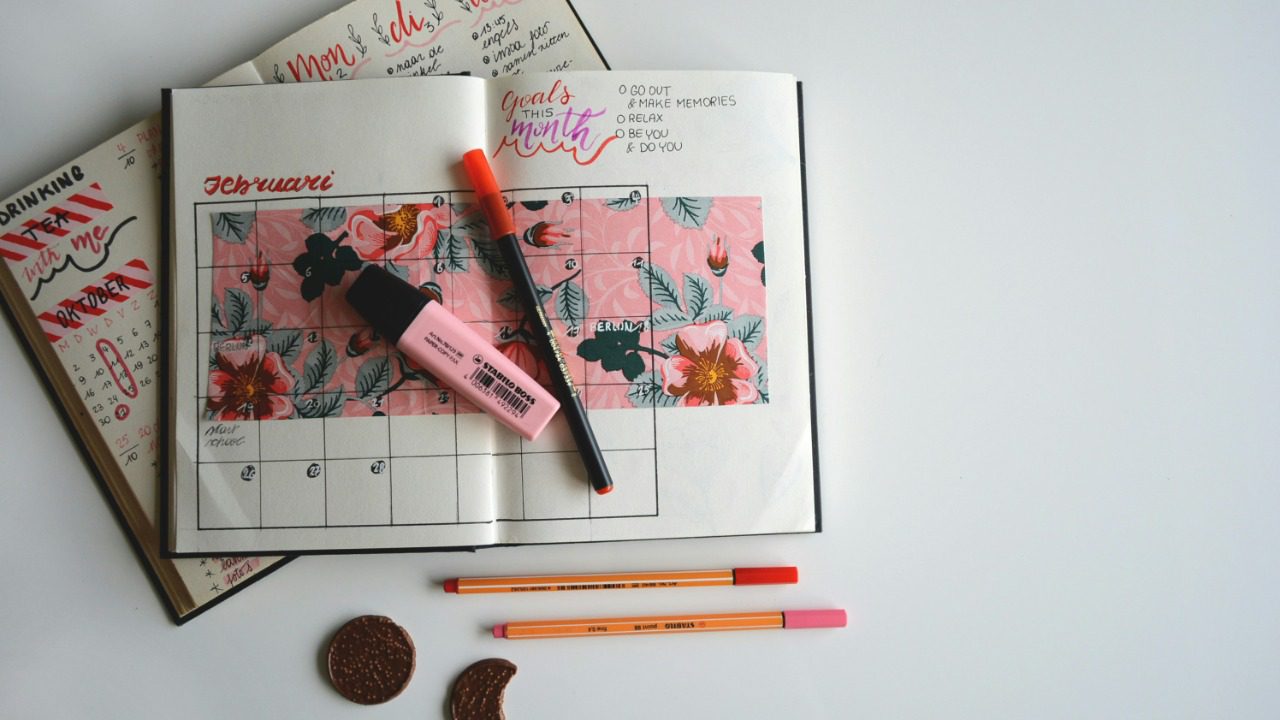
Whether you’re a fan of traditional pen and paper planners or prefer digital tools like Google Calendar, having a system in place to keep track of your tasks and appointments is a must. A planner can help you visualize your day, week, or month, making it easier to manage your time and stay organized.
For example, if you have a meeting at 10 AM, a lunch date at noon, and a deadline at 3 PM, seeing these events laid out visually can help you plan your day and ensure that nothing falls through the cracks. You can also use your planner to jot down notes, reminders, or to-do lists, making it a one-stop-shop for all your organizational needs.
5. Declutter Regularly

Clutter can be a significant source of stress and can make it harder to stay organized. Make it a habit to declutter regularly – whether that’s your workspace, your home, or even your digital files.
For example, at the end of each workday, spend a few minutes tidying up your desk. Clear off unnecessary items, file away important documents, and wipe down your surfaces. Not only will this make your space more pleasant to work in, but it will also make it easier for you to find what you need when you need it. Similarly, regularly go through your digital files and delete or archive anything you no longer need. This will help keep your computer running smoothly and make it easier for you to find your files when you need them.
6. Break Down Larger Tasks

When faced with a large task or project, it can be overwhelming to know where to start. One effective strategy is to break down the task into smaller, more manageable parts.
For instance, if you’re planning a big event, you could break it down into smaller tasks like selecting a venue, sending out invitations, and planning the menu. This makes the process less daunting, and you can tackle each task one at a time, making it much more manageable. Plus, there’s a certain satisfaction in crossing off tasks from your to-do list, which can motivate you to keep going.
7. Use Labels and Categories

Whether you’re sorting physical items or digital files, using labels and categories can help keep things organized and easy to find. This can be as simple as using different colored folders for different types of documents, or creating specific folders on your computer for different projects.
For example, if you have a lot of paperwork to deal with, you could use a red folder for urgent documents, a blue folder for ongoing projects, and a green folder for completed tasks. Similarly, on your computer, you could have distinct folders for different types of files – one for work documents, one for personal photos, and one for financial records. This way, when you need to find something, you’ll know exactly where to look.
8. Learn to Say No

One of the most important skills in staying organized is learning to say no. This may seem counterintuitive, but taking on too many commitments can lead to stress and disorganization as you struggle to juggle everything.
For example, if you’re already swamped with work and a colleague asks you to take on an additional project, it’s okay to politely decline. Or if a friend invites you to a social event but you’re feeling overwhelmed, it’s okay to say no and take some time for yourself. Remember, your time and energy are limited resources, and it’s important to manage them wisely.
9. Set Clear Goals

Having clear, well-defined goals can help you stay organized and focused. Whether it’s a big project at work or a personal fitness goal, having something to aim for can motivate you to stay on track and manage your time effectively.
For instance, if your goal is to run a half marathon, you could break it down into sub-goals like running a certain number of miles each week, or improving your time by a certain number of minutes each month. Having these smaller, measurable goals can help you stay organized and focused on your larger goal.
10. Prioritize Your Health

Staying organized isn’t just about managing your tasks and time – it’s also about taking care of your physical and mental health. Regular exercise, a balanced diet, and getting enough sleep can all have a profound impact on your ability to stay organized.
For example, regular exercise can help reduce stress and improve focus, making it easier for you to stay on top of your tasks. Similarly, a balanced diet can provide you with the energy you need to stay productive, and getting enough sleep can help ensure that you’re mentally sharp and ready to tackle your day.
11. Keep a Clear Workspace

A cluttered workspace can make it difficult to concentrate and stay organized. Make it a habit to keep your workspace clean and free of unnecessary items.
For example, at the end of each workday, take a few minutes to tidy up your desk. Remove any items that don’t belong there, file away important documents, and wipe down your surfaces. Not only will this make your workspace more pleasant to work in, it will also make it easier to find what you need when you need it.
12. Use a Filing System

A good filing system can make a world of difference when it comes to staying organized. This applies to both physical and digital files.
For physical files, consider using a filing cabinet or folders to categorize and store your documents. Similarly, for digital files, create specific folders for different types of files or projects. This way, when you need to find something, you’ll know exactly where to look.
13. Plan Your Meals

Planning your meals in advance can save you time, reduce stress, and help you maintain a healthy diet. Set aside some time each week to plan your meals, create a shopping list, and prep your food.
For example, you could prepare a batch of meals on Sunday and store them in the fridge or freezer for the week ahead. Not only will this save you time during the week, it can also help you avoid the stress and indecision of figuring out what to eat each day.
14. Use Reminders and Alarms

Whether it’s a deadline at work or a dentist appointment, setting reminders and alarms can help ensure that you don’t forget anything important.
For example, you could use your phone or digital calendar to set reminders for upcoming appointments or tasks. Or, if you’re working on a project that has multiple deadlines, you could set alarms to remind you when each one is approaching.
15. Keep a To-Do List

A to-do list can be a powerful tool for staying organized. It provides a clear overview of your tasks and can help you prioritize your time.
For example, each morning, you could write a to-do list for the day, listing your tasks in order of priority. As you complete each task, cross it off the list. Not only will this give you a sense of accomplishment, it will also help you stay focused and organized.
16. Delegate Tasks

If you’re feeling overwhelmed by your workload, consider delegating some of your tasks. This can help you manage your time more effectively and reduce stress.
For example, if you’re in a leadership position at work, delegate some of your tasks to your team members. Or, if you’re juggling a lot of household chores, consider asking other family members to help out.
17. Use Storage Solutions

Using storage solutions can help you keep your space organized and free of clutter. This could be anything from a bookshelf for your books, a filing cabinet for your documents, or storage boxes for miscellaneous items.
For example, you could use storage boxes to store items like winter clothing or holiday decorations when they’re not in use. Or, you could use a filing cabinet to organize your important documents. This will help keep your space clean and organized, and make it easier to find what you need when you need it.
18. Regularly Review and Adjust Your Systems
Staying organized is not a one-time task, but a continuous process. Regularly review your organizational systems and adjust them as needed.
For example, if you find that your current filing system isn’t working, try a different approach. Or, if your to-do list is becoming too overwhelming, consider breaking your tasks down into smaller, more manageable parts. Remember, the goal is to find a system that works for you, and it’s okay to experiment and adjust as needed.