
As we journey through life, we tend to accumulate a lot of stuff. From the sentimental keepsakes to the random knick-knacks, our homes often become filled with an excess of items. However, what many of us fail to realize is how much this stuff can add to our stress levels.
The clutter in our physical environment can often reflect and contribute to the clutter in our minds, leading to feelings of overwhelm, anxiety, and stress. Here are 18 ways our stuff adds to our stress, and some practical solutions to combat this often overlooked issue.
1. Clutter Overwhelms Our Senses

The clutter in our environment can contribute to feelings of stress by overwhelming our senses. Stacks of papers, piles of clothes, and a multitude of random items scattered around our homes can create visual chaos, which can lead to mental chaos. Our minds are constantly processing the information in our environment, and when that environment is cluttered, it can be exhausting and overwhelming.
For example, imagine coming home from a long day at work to a house filled with clutter. The sight of the mess alone can spike your stress levels. A practical solution to this would be to designate specific places for each of your items and ensure they return to their designated place after use. This can help to significantly reduce the amount of visual clutter in your home, making your environment more peaceful and less stressful.
2. Unfinished Projects Lead to Procrastination

Unfinished projects can be a major source of stress. They serve as constant reminders of tasks that need to be completed. When you see a half-finished painting or an unassembled piece of furniture, it can make you feel guilty or anxious, adding to your stress levels.
To combat this, try to avoid starting new projects until you’ve finished the previous ones. If you’ve already got several unfinished projects, make a list and prioritize them. Tackle one project at a time, breaking it down into manageable tasks if needed. Completing these projects will give you a sense of accomplishment and relief, reducing your stress levels.
3. Too Many Choices Can Paralyze Decision-Making

Having too many choices can be paralyzing and stressful. When we have too many clothes, for instance, deciding what to wear in the morning can become a daunting task. This problem extends to other areas of our lives where we have an excess of stuff, such as our kitchen cabinets, bookshelves, and even our digital devices.
To alleviate the stress associated with having too many choices, consider adopting a minimalist approach. Regularly decluttering and simplifying your possessions can make your daily decisions easier and less stressful.
4. Physical Clutter Can Lead to Mental Clutter

The physical clutter in our environment can often translate to mental clutter. When there’s a lot of stuff surrounding us, it can be hard to focus and think clearly. This can lead to feelings of anxiety and overwhelm, which add to our stress levels.
To combat this, try to keep your environment as clutter-free as possible. Regularly sort through your belongings and get rid of items you no longer need or use. This can help to create a more peaceful and calming environment, which can in turn help to reduce mental clutter and stress.
5. Difficulty Locating Items Can Cause Frustration

When our homes are cluttered, it can be difficult to find the items we need. This can lead to feelings of frustration and stress. For example, if you’re running late for work and can’t find your keys, this can add unnecessary stress to your morning.
To avoid this, try to keep your belongings organized. Have specific places for items you use frequently, and make a habit of returning them to their designated spots after use. This will make it easier to find what you need and reduce the stress associated with misplacing items.
6. Clutter Can Cause Embarrassment and Social Anxiety

A cluttered home can cause feelings of embarrassment and social anxiety. If you’re worried about what people will think of your home, you might avoid inviting them over, which can lead to feelings of isolation and stress.
To alleviate this, try to keep your home as clutter-free as possible. Regularly tidy up and get rid of items you no longer need or use. This will help to make your home more inviting and reduce the stress associated with social situations.
7. Clutter Can Waste Your Time
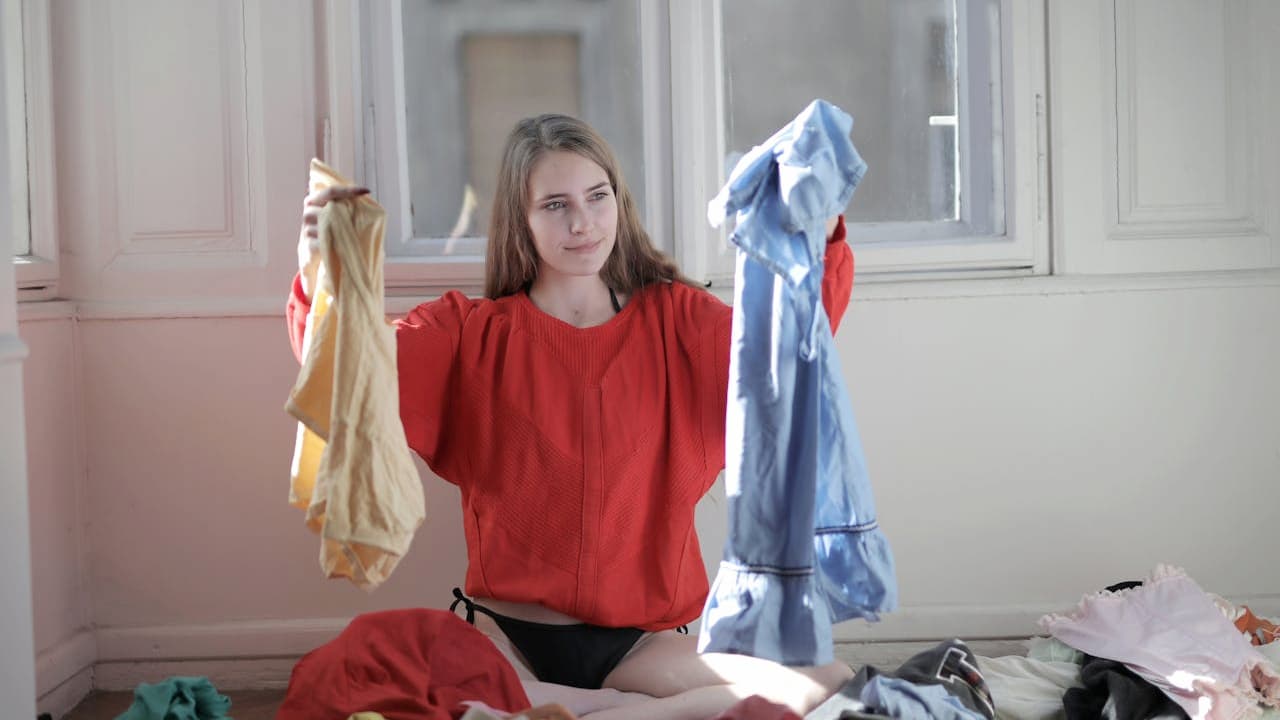
When your home is cluttered, it can take longer to accomplish even the simplest tasks. For example, it might take you longer to get ready in the morning if you have to dig through piles of clothes to find what you want to wear. This can make you feel rushed and stressed.
To avoid this, try to keep your belongings organized and declutter regularly. This will make it easier to find what you need and can help to save you time, reducing your stress levels.
8. Clutter Can Lead to Financial Stress

Clutter can also lead to financial stress. If you’re constantly buying new things, your bills can quickly add up. Additionally, if you have a lot of clutter, you might lose track of what you have and end up buying duplicates, which is a waste of money.
To combat this, try to be mindful of what you’re buying. Ask yourself if you really need the item and if you have a place for it in your home. Also, regularly sort through your belongings and sell or donate items you no longer need or use. This can help to reduce clutter and financial stress.
9. Clutter Can Affect Your Self-Perception

The state of our homes can often reflect how we feel about ourselves. If our homes are cluttered and disorganized, it can make us feel like our lives are out of control. This can lead to feelings of low self-esteem and stress.
To combat this, try to keep your home as clutter-free as possible. Regularly tidy up and get rid of items you no longer need or use. This can help to create a more peaceful and organized environment, which can in turn help to improve your self-perception and reduce stress.
10. Clutter Can Distract You from Important Tasks

Clutter can be a major distraction. If you’re trying to focus on a task but your mind keeps wandering to the mess in the next room, it can be difficult to get anything done. This can lead to feelings of frustration and stress.
To avoid this, try to keep your environment as clutter-free as possible. Regularly tidy up and get rid of items you no longer need or use. This can help to create a more focused and productive environment, reducing your stress levels.
11. Clutter Can Trigger Allergies and Other Health Issues

Believe it or not, clutter can also impact your physical health. Dust, mold, and pet dander can accumulate on and around your stuff, potentially triggering allergies and other health issues. This can add to your stress levels, particularly if you’re already dealing with health concerns.
To combat this, make sure to regularly clean and dust your belongings. If you’re dealing with a lot of clutter, it may be worth investing in an air purifier to help improve the air quality in your home.
12. Clutter Can Make Moving More Difficult

If you’re planning to move, having a lot of stuff can make the process much more stressful. You’ll have to pack and transport all of your belongings, which can be a daunting task if you have a lot of items.
To make moving less stressful, try to declutter before you start packing. Get rid of items you no longer need or use. This will make packing and moving easier and less stressful.
13. Clutter Can Make Cleaning More Difficult

A cluttered home can be more difficult to clean. You’ll have to move items around to clean under and around them, which can be time-consuming and frustrating.
To make cleaning easier and less stressful, try to keep your home as clutter-free as possible. Regularly tidy up and get rid of items you no longer need or use. This will make it easier to clean your home and can help to reduce your stress levels.
14. Clutter Can Create Safety Hazards

Clutter can also create safety hazards in your home. Items left on the floor can be tripping hazards, and piles of stuff can fall and injure someone. This can add to your stress levels, particularly if you have young children or elderly family members in your home.
To ensure your home is safe, make sure to regularly tidy up and keep walkways clear. This will reduce the risk of accidents and can help to alleviate stress.
15. Clutter Can Make it Hard to Relax

When your home is cluttered, it can be hard to relax. You might feel like you should be tidying up instead of relaxing, which can add to your stress levels.
To make your home a more relaxing space, try to keep it as clutter-free as possible. Regularly tidy up and get rid of items you no longer need or use. This can help to create a more peaceful environment, making it easier to relax and reduce stress.
16. Clutter Can Cause Tension in Relationships

Clutter can also cause tension in relationships. If one person is more clutter-prone than the other, it can lead to arguments and resentment. This can add to your stress levels.
To avoid this, try to communicate with your partner about your clutter habits. Work together to create a system for keeping your home tidy. This can help to reduce tension and make your home a more peaceful place.
17. Clutter Can Make it Hard to Let Go of the Past

Sometimes, our stuff can hold emotional baggage. We might hold onto items that remind us of past events or people, even if these memories are painful. This can make it hard to let go of the past and move forward, which can add to our stress levels.
To combat this, try to be mindful of the emotional attachments you have to your stuff. If an item is causing you pain, it might be time to let it go. This can help to reduce your stress levels and make it easier to move forward.
18. Clutter Can Make it Hard to Enjoy Your Home

Lastly, clutter can make it hard to enjoy your home. If you’re constantly surrounded by mess, it can be hard to feel comfortable and at ease in your own space. This can add to your stress levels.
To make your home a place you love to be, try to keep it as clutter-free as possible. Regularly tidy up and get rid of items you no longer need or use. This can help to create a more enjoyable environment, reducing your stress levels.