1. Establish a routine

One of the best ways to create calm in a kid-filled home is to establish a routine. When kids know what to expect, they feel more secure and less anxious. This can significantly lower the overall stress levels in your home.
For example, in the morning, you could have a routine that includes getting dressed, eating breakfast, and doing a quick tidy up before leaving for school. In the evening, you could have a routine that includes homework, dinner, bath, and bedtime stories. The key is to be consistent so that your kids know what to expect each day. This consistency can provide a sense of comfort and calm for both you and your children.
2. Create a peaceful environment

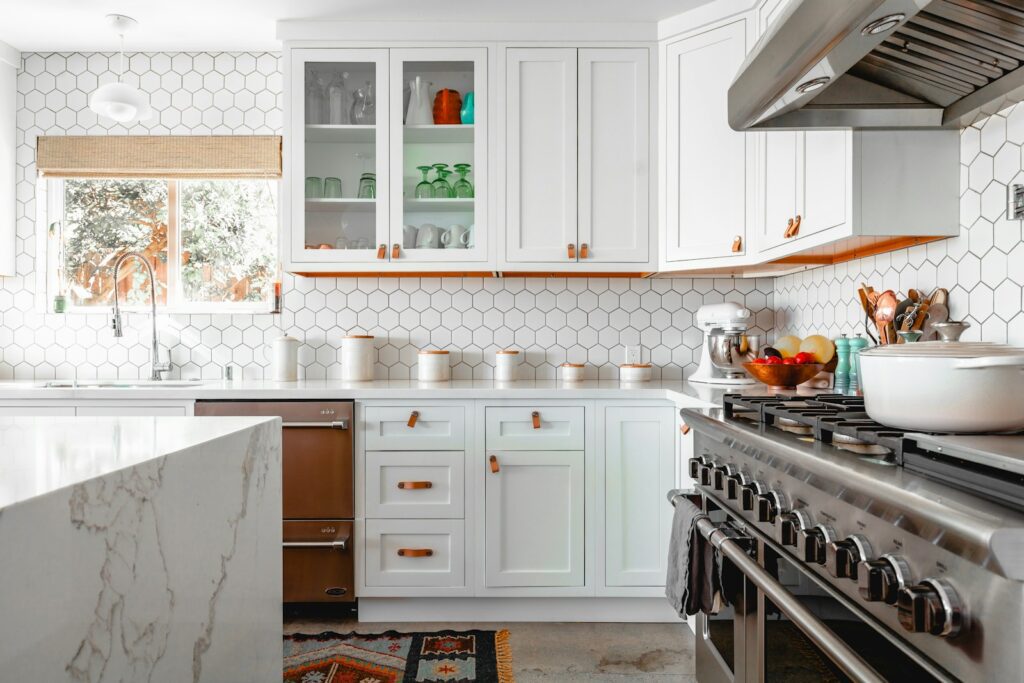
The environment in your home can have a big impact on the overall mood. A cluttered, noisy, or chaotic environment can lead to feelings of stress and overwhelm. On the other hand, a clean, peaceful, and organized environment can promote feelings of calm and relaxation.
Consider decluttering your home and organizing your spaces in a way that feels calming and inviting. This could mean using calming colors in your decor, creating designated spaces for certain activities (like a quiet reading nook), and minimizing noise and distractions whenever possible. You could also incorporate elements of nature, like houseplants or a fish tank, which have been shown to reduce stress and promote calmness.
3. Prioritize downtime

In today’s fast-paced world, it’s easy to get caught up in the hustle and bustle and forget to take a breather. However, downtime is essential for our well-being and can significantly contribute to a calmer home environment.
Make sure to schedule in some downtime each day for you and your kids. This could be as simple as reading a book, taking a walk, or just sitting quietly for a few minutes. Not only can this help to reduce stress and anxiety, but it can also provide an opportunity for you and your kids to connect in a calm and relaxed setting.
4. Practice mindfulness

Mindfulness is a powerful tool for promoting calmness and relaxation. It involves being fully present in the moment and paying attention to your thoughts, feelings, and sensations without judgment.
Encourage your kids to practice mindfulness by incorporating simple activities into your daily routine. This could include mindful eating (paying attention to the taste, texture, and smell of your food), mindful walking (noticing the sensation of your feet hitting the ground), or mindful breathing (taking slow, deep breaths and paying attention to the sensation of your breath). Practicing mindfulness can help to reduce stress, improve focus, and create a sense of calm in your home.
5. Encourage physical activity

Physical activity is not only great for our physical health, but it can also significantly contribute to our mental well-being. Regular physical activity can help to reduce stress, improve mood, and promote better sleep, all of which can contribute to a calmer home environment.
Encourage your kids to engage in physical activity each day. This could be through organized sports, outdoor play, or even just dancing around the living room. The key is to make it fun and enjoyable so that your kids will want to participate.
6. Limit screen time

While technology can certainly be beneficial, too much screen time can contribute to feelings of stress and anxiety. It’s important to set boundaries and limit screen time for both you and your kids.
Consider setting specific times during the day for screen-free activities. This could be during meals, for an hour before bedtime, or during designated family time. Not only can this help to promote better sleep and reduce stress, but it can also provide an opportunity for you and your kids to connect and engage in meaningful activities together.
7. Nurture relationships

Strong, positive relationships can significantly contribute to a calmer home environment. When we feel connected and supported, we are better able to manage stress and navigate challenges.
Make time each day to connect with your kids. This could be through a shared activity, a meaningful conversation, or even just a hug. Also, encourage your kids to nurture their relationships with their siblings, friends, and other family members. Having strong, positive relationships can provide a sense of security and stability, which can promote a sense of calm in your home.
8. Model calm behavior

Kids are like little sponges, and they often pick up on our behaviors and emotions. If you are constantly stressed and frantic, your kids are likely to pick up on this and mirror your behavior.
Make a conscious effort to model calm behavior for your kids. This could include practicing deep breathing when you’re feeling stressed, speaking in a calm and gentle voice, and handling challenges with grace and patience. By modeling calm behavior, you can help to create a more peaceful and relaxed home environment.
9. Set clear expectations

Uncertainty can often lead to stress and anxiety. By setting clear expectations, you can help to minimize uncertainty and promote a sense of calm in your home.
Make sure your kids know what is expected of them in terms of behavior, chores, homework, etc. This doesn’t mean being overly strict or rigid, but rather providing clear guidelines and boundaries. Also, be sure to communicate these expectations in a calm and respectful way, and be open to discussion and negotiation.
10. Create a calm bedtime routine

Sleep is crucial for our well-being, and a calm bedtime routine can significantly contribute to better sleep for both you and your kids.
Consider creating a calm bedtime routine that includes activities such as reading a book, taking a warm bath, or listening to soft music. Try to keep this routine consistent each night, as this can provide a sense of security and predictability, which can promote better sleep and contribute to a calmer home environment.
11. Practice gratitude

Practicing gratitude can have a powerful impact on our mood and overall well-being. It can help to shift our focus from what’s wrong to what’s right, and this can significantly contribute to a calmer home environment.
Encourage your kids to practice gratitude by incorporating simple activities into your daily routine. This could include writing in a gratitude journal, sharing something they are grateful for at the dinner table, or creating a gratitude jar. Practicing gratitude can help to foster a positive mindset and create a sense of calm in your home.
12. Encourage open communication

Open and honest communication can significantly contribute to a calmer home environment. When we feel heard and understood, we are better able to manage stress and navigate challenges.
Encourage open communication in your home by creating a safe and non-judgmental space for your kids to express their thoughts, feelings, and concerns. This could involve regular family meetings, one-on-one conversations, or even just casual chats during everyday activities. By encouraging open communication, you can help to foster a sense of understanding and respect, which can contribute to a calmer home environment.
13. Plan ahead

Planning ahead can significantly reduce stress and contribute to a calmer home environment. When we know what’s coming, we are better able to prepare and manage our time effectively.
Try to plan your days and weeks in advance, taking into account school schedules, work commitments, and other activities. Also, involve your kids in the planning process. This can help them to feel more involved and in control, which can contribute to a sense of calm and stability in your home.
14. Practice patience

Patience is a virtue, especially when it comes to creating a calm home environment. Kids can be challenging and unpredictable, and it’s easy to lose your cool in the heat of the moment.
Make a conscious effort to practice patience with your kids. This could involve taking a few deep breaths before reacting, giving yourself a timeout when needed, or even just reminding yourself that your kids are still learning and growing. By practicing patience, you can help to create a more peaceful and relaxed home environment.
15. Limit multitasking

While multitasking may seem like a necessary part of parenthood, it can often lead to feelings of stress and overwhelm. By focusing on one task at a time, you can help to reduce stress and promote a sense of calm in your home.
Try to limit multitasking as much as possible. If you’re helping your child with homework, for example, try to focus solely on that task and put away any distractions. By being fully present in the moment, you can help to create a more calm and focused environment for both you and your child.
16. Keep meals relaxed

Meal times can often be a source of stress, especially if you’re dealing with picky eaters or trying to juggle multiple schedules. However, keeping meals relaxed can significantly contribute to a calmer home environment.
Try to make meal times a stress-free zone. This could involve planning meals in advance, involving your kids in the cooking process, or even just sitting down together as a family to enjoy your meal. By keeping meals relaxed, you can help to foster a sense of calm and togetherness in your home.
17. Use positive reinforcement

Positive reinforcement can be a powerful tool for promoting calm behavior in your kids. By acknowledging and rewarding positive behavior, you can encourage more of the same and create a more peaceful home environment.
Consider using positive reinforcement strategies, such as praise, rewards, or even just a simple smile or hug. Be sure to be specific in your praise, and acknowledge the effort as well as the outcome. By using positive reinforcement, you can help to foster a positive and calm atmosphere in your home.
18. Take care of yourself

Last but certainly not least, taking care of yourself is crucial for creating a calm home environment. If you’re stressed, tired, or overwhelmed, it’s likely that your home environment will reflect this.
Make sure to prioritize self-care and do things that nourish your body, mind, and soul. This could involve taking a hot bath, reading a book, going for a walk, or even just taking a few minutes each day to relax and breathe. By taking care of yourself, you can ensure that you’re in the best possible state to take care of your kids and create a calm and peaceful home environment.