Your living space can slowly lose its comfort and harmony without you even noticing. Everyday items you’ve collected over time might quietly contribute to clutter and disrupt the flow of your home.
Knowing which accumulated things silently deteriorate your living space can help you create a more peaceful and organized environment. Paying attention to these often-overlooked items is a simple way to improve how your home feels and functions.
Excessive decorative items

You might think decorations add personality to your home, but too many can clutter your space. When surfaces are crowded, it becomes harder to clean and relax.
Having a few meaningful pieces is better than filling every corner with items that don’t add value. Try rotating decorations to keep your space fresh without overwhelming it.
Too many small items can distract from the overall look and make your home feel busy. Simplifying your decor helps create a calm and inviting atmosphere.
Overflowing mail piles

You might not notice how quickly mail can take over your counters and tables. Piles of letters, bills, and junk mail add up before you realize it.
This clutter does more than just take up space. It can cause mental stress and make your living area feel chaotic.
Try sorting your mail regularly to keep piles from growing. Delete unwanted items promptly, and create a simple system to handle what you need to keep.
Stacked old newspapers and magazines

You might think holding onto old newspapers and magazines is harmless. However, they can silently take over your space and create unnecessary clutter.
These stacks can gather dust and make your home feel cramped. Letting go of them can refresh your environment and improve your focus.
If you worry about losing useful information, consider scanning or saving only what’s important. Otherwise, recycling old papers frees up room for what really matters to you.
Unused kitchen gadgets

You probably have kitchen gadgets tucked away that you rarely use. These items take up space and add to clutter without offering much value.
Think about specialty tools like waffle makers or pasta machines that only come out once a year. If you don’t reach for something regularly, it might be time to let it go.
Keeping just the essentials can make your kitchen feel more open and easier to navigate. It also helps you focus on the tools you actually enjoy using.
Expired pantry items

Your pantry can hide expired food that takes up space and risks your health. Things like canned goods, spices, and snacks might seem fine but can lose quality or spoil over time.
Check expiration dates regularly. Mark new or kept items clearly to avoid confusion.
When in doubt, it’s safer to toss expired items rather than risk eating them. This small step helps keep your kitchen fresher and less cluttered.
Worn-out clothes in the closet

Your closet can quickly become overwhelmed with clothes that no longer serve you. Holding onto worn-out items clutters your space and makes it harder to find what you actually wear.
When you clear out old clothes, you create physical and mental space. Letting go can feel tough, but focusing on what you love and use makes organizing easier. Regularly reviewing your wardrobe prevents buildup and keeps your closet manageable.
Unpaired shoes scattered around

You might not notice, but unpaired shoes spread around your home can make your space feel cluttered. They create a sense of disorder, even if everything else is tidy.
When shoes are left out of place, it’s harder to keep the entryway clean. Putting pairs together in a designated spot helps you find them faster and keeps your home looking cared for.
Broken electronics kept “just in case”

You might keep broken gadgets around thinking they’ll be useful someday. It’s easy to believe you’ll fix them or need parts later.
However, these items often just take up space and add to the clutter. If they haven’t worked in months, it’s unlikely they will again.
Try sorting through your electronics and decide what truly has repair value. Let go of the rest to clear your space and mind.
Junk drawers filled with random bits

You probably have a junk drawer hiding all kinds of small items. It might hold batteries, spare screws, or odd bits that don’t have a proper place.
While it’s easy to toss things there, this drawer can become a clutter hotspot. Over time, it makes finding useful items harder and takes up space you could use better.
Try sorting through it regularly. Keeping only things you actually need helps keep your space clearer and your life simpler.
Old receipts and bills

You might hang on to old receipts and bills longer than needed. Generally, keeping receipts for about seven years is enough for taxes or warranty claims.
Bills and utility records can usually be discarded once you’ve confirmed payment on the next statement. Holding onto outdated paper only adds clutter and takes up space in your home.
Review your stack periodically, and toss anything no longer useful. This simple step clears room and helps you stay organized.
Leftover craft supplies

You might have craft supplies scattered around, waiting for a project that never starts. These leftovers take up space and can make your area feel cluttered.
Try grouping supplies into project bags with only what you need. This helps you actually use what you have instead of letting it pile up.
Let go of dried-up glue, empty pens, or duplicates. Clearing these out makes your creative space easier to enjoy and keeps things tidy.
Empty containers and jars
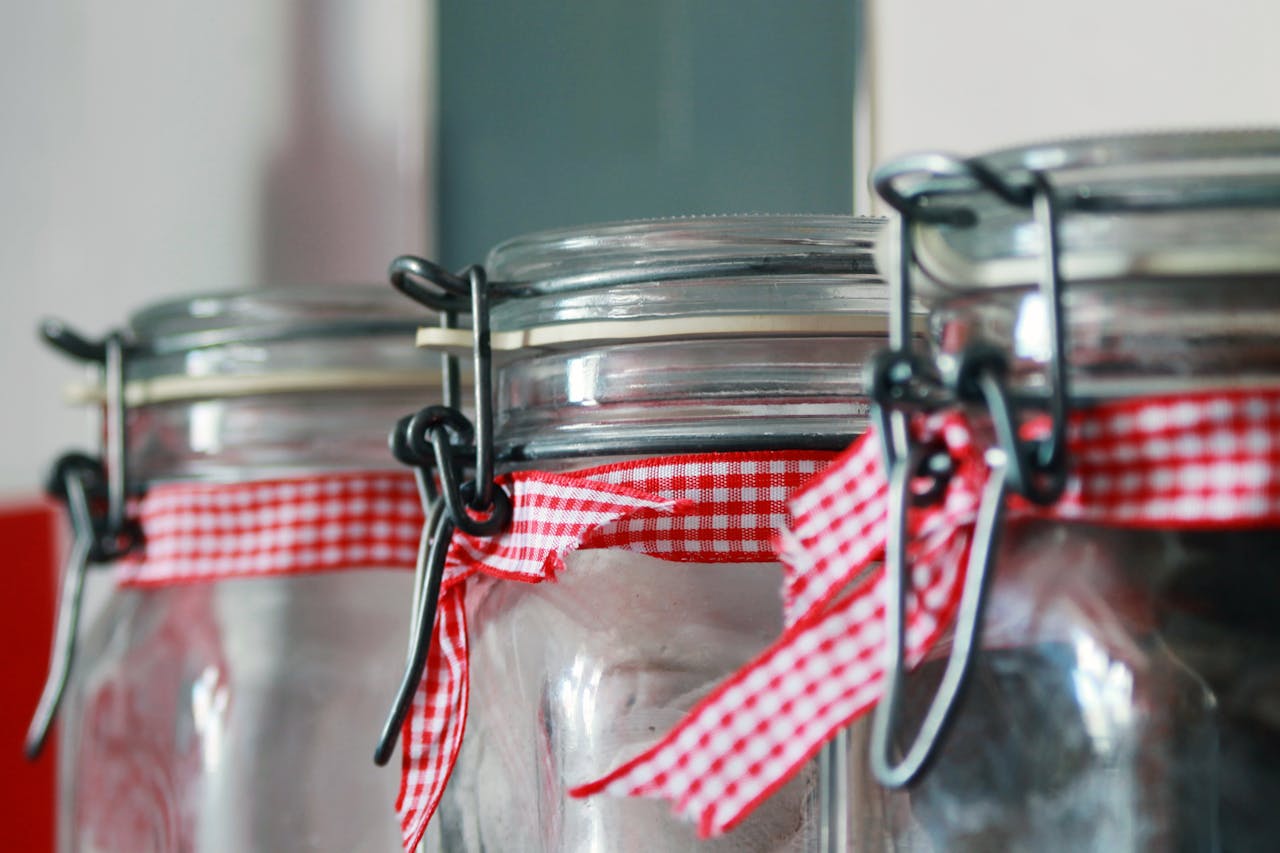
You might keep empty containers and jars thinking they’ll be useful later. However, they often take up space without serving a purpose.
If you don’t have an immediate use for them, it’s okay to let them go. Keeping only containers you actively use helps keep your space clear and organized.
Remember, containers should help reduce clutter, not add to it. Prioritize those that are practical and bring value to your storage needs.
Excess furniture blocking pathways
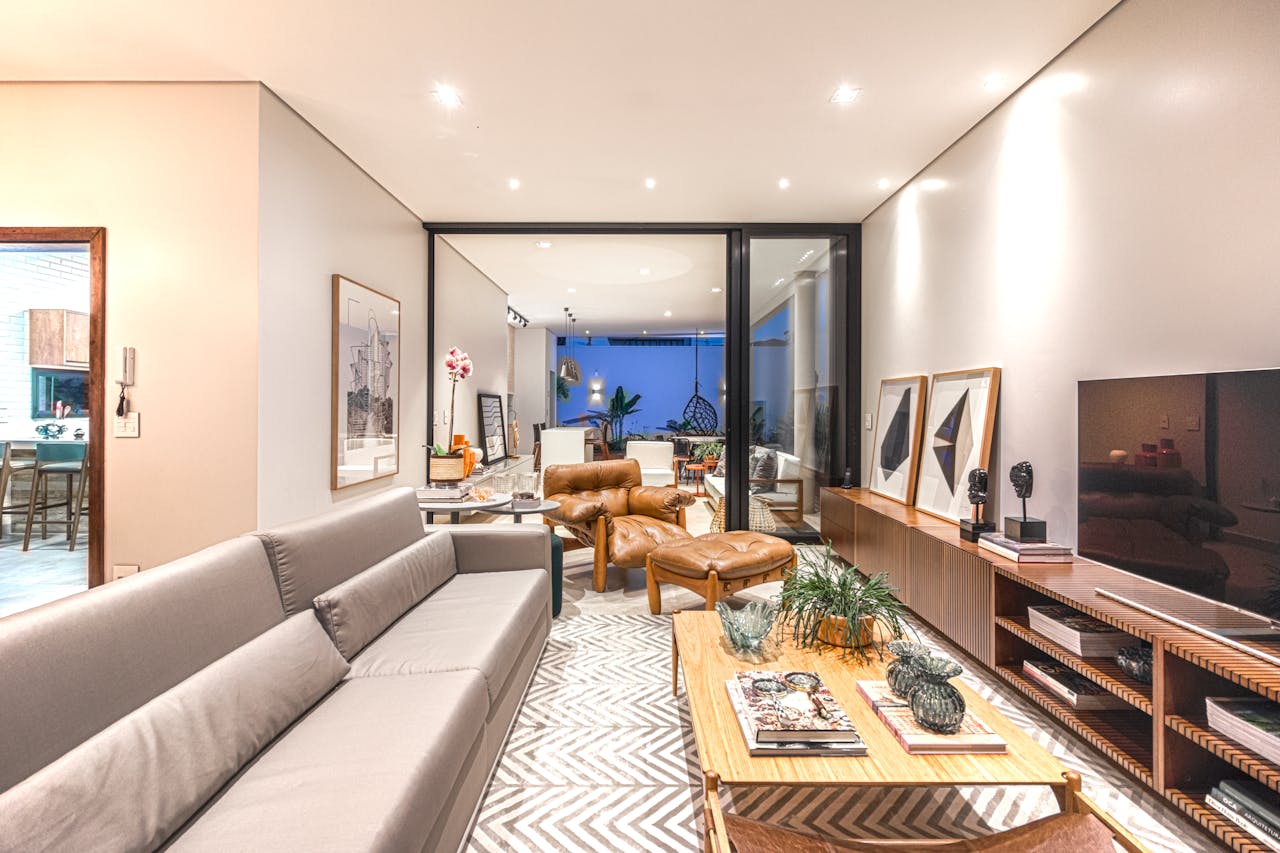
You might not realize it, but too much furniture can make your living space feel cramped. Narrow pathways limit your movement and make rooms less inviting.
When pieces block walkways, it’s harder to navigate comfortably. This can create frustration daily and reduce the overall flow in your home.
Try evaluating each room and see if any furniture can be removed or rearranged. Clearing space helps open up pathways and makes your home feel more spacious.
Unsorted paperwork and files

You might not realize how much unsorted paperwork can quietly clutter your space. Bills, receipts, and documents tend to pile up when you don’t have a clear system.
Taking a few minutes to organize papers into categories like bills, taxes, and insurance helps you keep track.
Using simple tools like folders or a filing cabinet makes managing paperwork easier. When you stay on top of it, your space feels calmer and more organized.
Unused sports equipment
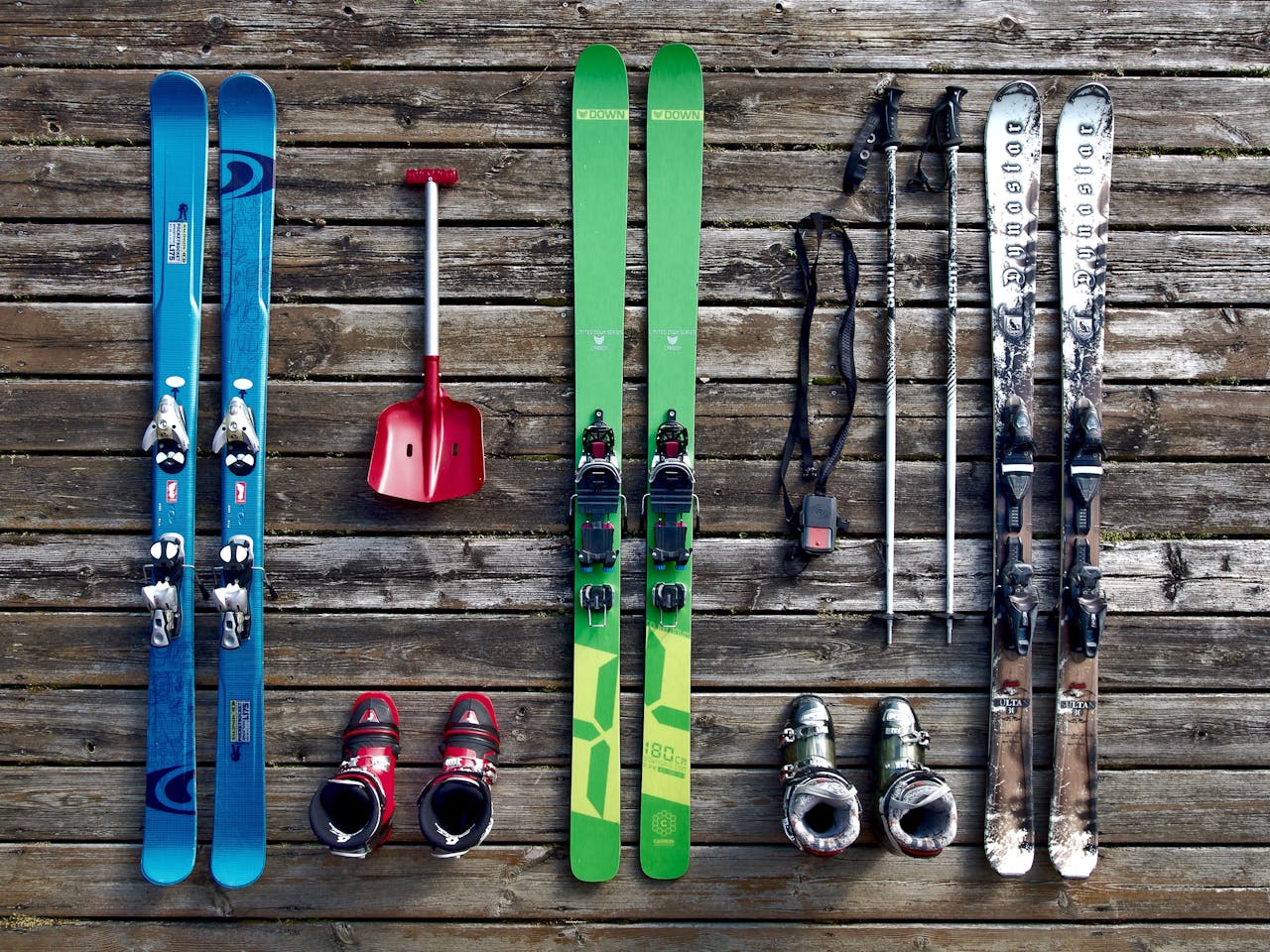
You might have sports gear tucked away that you no longer use. This equipment can take up valuable space and add to clutter without serving a purpose.
Consider sorting through what you have and deciding what to keep, donate, or sell. Clearing out unused items can make your living space feel more open and organized.
Keeping only what you regularly use allows for easier access and reduces the visual noise in your home. It also makes room for new activities or gear you actually need.
Expired medications

You likely have expired medications hidden in your bathroom, kitchen, or bedroom. These medicines lose effectiveness over time and can clutter your space.
Checking your medicine cabinet every six months helps you spot and safely dispose of old or unused medications. Clearing them out reduces clutter and keeps your home safer.
Follow local guidelines for disposal, like take-back programs, to avoid harming the environment. It’s a simple step that makes a difference in your living space.
Old toys collecting dust

You might find old toys hidden in corners or forgotten boxes. These items quietly gather dust and add to clutter without you realizing it.
Holding onto every toy can make your space feel crowded and harder to clean.
Consider sorting through the toys and keeping only those with real value or meaning. This frees up room and makes your home feel more open.
Random plastic bags piled up

You might not notice how quickly plastic bags accumulate around your home. They often end up stuffed in drawers, closets, or car trunks, taking up space without any real use.
These bags are hard to recycle and can last for hundreds of years if thrown away. Try to reduce your collection by reusing them or switching to reusable bags. This simple change can free up space and help the environment.
Multiple sets of keys for lost locks

You might think keeping extra sets of keys is practical, but having too many can create clutter. Those unused keys often pile up, taking space and adding to the mess.
If a lock is lost or changed, holding on to old keys can lead to confusion. It’s a good idea to sort through and clear out keys you no longer need.
Keeping only the keys you use regularly helps simplify your daily routine and reduces disorganization.