Cleaning is a crucial part of our lives. A clean and organized environment not only contributes to our physical health but also impacts our mental well-being. However, sometimes, despite our best intentions, we make cleaning mistakes that not only fail to get the job done but can even make things worse.
The following are 19 common cleaning mistakes that can backfire, along with some tips on how to avoid them.
1. Using the Same Cleaning Cloth Everywhere

Many of us are guilty of using the same cleaning cloth to dust off different areas in our home. This practice can spread germs and dirt from one place to another. Make sure to use different cloths for different areas of your home. For instance, don’t use the same cloth for cleaning your kitchen countertop and your bathroom. Furthermore, regularly wash and dry your cleaning cloths to ensure they are not harboring bacteria.
2. Overloading the Dishwasher

It’s tempting to cram as many dishes as you can into the dishwasher, especially after a big meal. However, doing so can prevent the dishwasher from cleaning effectively. The dishwasher’s sprayer needs room to reach all surfaces of your dishes.
If dishes are too tightly packed, they may not get cleaned properly and you may end up having to wash them by hand. To avoid this, arrange your dishes in such a way that allows water and detergent to reach all surfaces.
3. Neglecting the Vacuum Cleaner

A vacuum cleaner can’t do its job properly if it’s not maintained. Dirt and dust can accumulate in the filter, reducing the vacuum’s suction power. To keep your vacuum performing at its best, regularly clean out the filter and replace it if necessary. Additionally, empty the vacuum bag or canister regularly to ensure optimal performance.
4. Using Too Much Cleaning Product
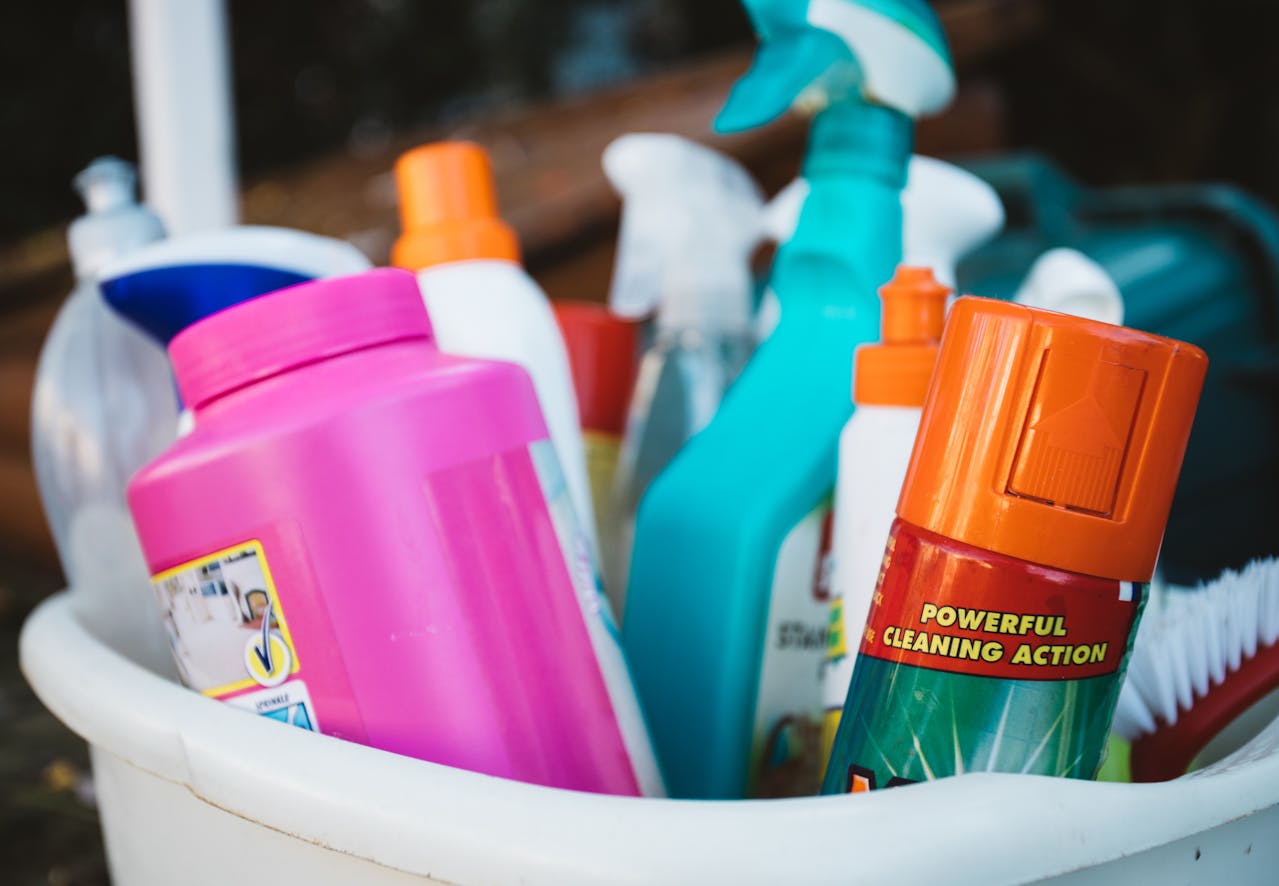
It’s a common misconception that using more cleaning product will result in a cleaner surface. However, this is not the case. Overusing cleaning products can leave a residue that attracts more dirt and grime.
Always follow the manufacturer’s instructions on how much product to use. If a surface is particularly dirty, it may be more effective to clean it multiple times rather than using a large amount of product at once.
5. Not Reading Cleaning Product Instructions

Many of us are guilty of not reading the instructions on cleaning products. However, these instructions are there for a reason. They provide important information about how to use the product safely and effectively. Failure to follow these instructions can result in damage to surfaces or even personal injury. Always take the time to read and follow the instructions on cleaning products.
6. Cleaning in the Wrong Order

When cleaning a room, it’s important to clean from top to bottom. This is because dust and dirt from higher surfaces will fall onto lower ones. If you clean the lower surfaces first, you’ll just end up having to clean them again. Start by dusting higher surfaces, then move on to lower ones. Finally, vacuum or mop the floor to pick up any dust or dirt that has fallen.
7. Ignoring Small Messes

It’s easy to ignore small messes and tell yourself you’ll clean them up later. However, these small messes can quickly add up and become overwhelming. To avoid this, try to clean up messes as soon as they happen. This will not only keep your home cleaner, but it will also make your regular cleaning tasks easier.
8. Using the Wrong Cleaning Tools

Using the wrong tools for a cleaning job can be ineffective and may even cause damage. For example, using a rough scrub brush on a delicate surface can cause scratches. Always choose the right tool for the job. If you’re unsure, do some research or consult with a professional.
9. Not Allowing Cleaning Products to Sit

Many cleaning products need time to work effectively. If you spray a surface and immediately wipe it off, the product may not have enough time to fully dissolve the dirt or kill germs. Always follow the instructions on the product label for how long to let the product sit before wiping it off.
10. Forgetting About the Washing Machine

Your washing machine is responsible for cleaning your clothes, but have you ever thought about cleaning it? Over time, soap scum, dirt, and bacteria can build up in your washing machine, causing odors and potentially affecting the cleanliness of your clothes. To keep your washing machine clean, run an empty cycle with a washing machine cleaner every few months.
11. Not Cleaning High-Touch Areas

Areas in your home that are frequently touched, like door handles and light switches, can harbor a lot of germs. However, many of us forget to clean these areas. Make it a habit to regularly wipe down high-touch areas with a disinfectant cleaner to keep germs at bay.
12. Using Feather Dusters

Feather dusters may look fancy, but they often just spread dust around rather than picking it up. Instead, use a microfiber cloth or a damp rag to truly capture and remove dust.
13. Not Cleaning Your Cleaning Tools

Your cleaning tools can’t clean effectively if they’re dirty. Regularly clean and disinfect your cleaning tools to ensure they’re able to do their job.
14. Rubbing Stains

When faced with a stain, many of us instinctively start to rub at it. However, this can actually push the stain deeper into the material. Instead, blot at stains with a clean cloth to lift them out.
15. Not Changing Your HVAC Filters

Your HVAC system’s filters trap dust, allergens, and other airborne particles. If these filters aren’t changed regularly, they can become clogged, reducing your system’s efficiency and potentially affecting your indoor air quality.
16. Using Vinegar on Everything

Vinegar is a popular natural cleaning product, but it’s not suitable for all surfaces. Vinegar is acidic and can damage natural stone surfaces like marble and granite. Always do your research before using a new cleaning product.
17. Not Cleaning Behind Appliances
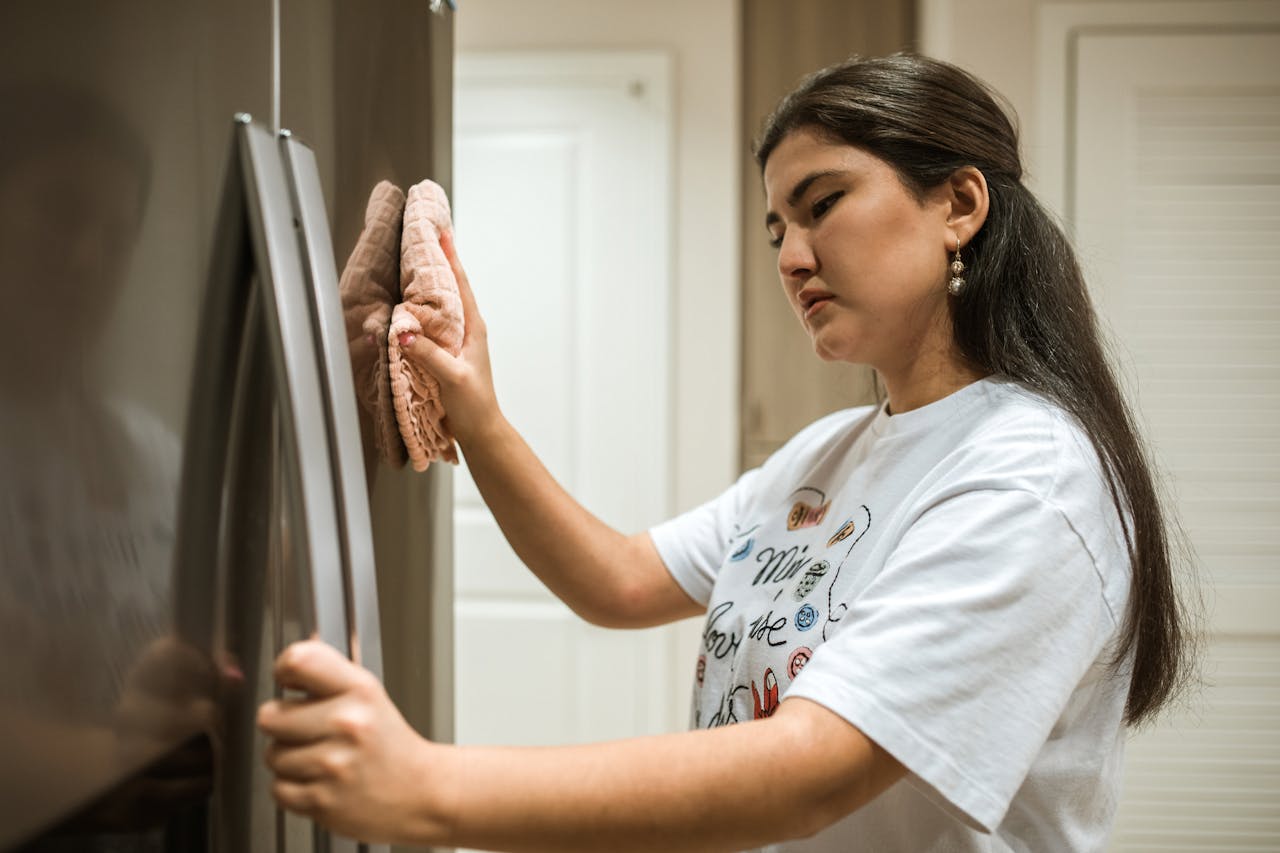
Dust, dirt, and grime can accumulate behind and underneath appliances like your stove and refrigerator. While it can be a hassle, moving these appliances and cleaning behind them every now and then can prevent this buildup.
18. Using Dirty Mops
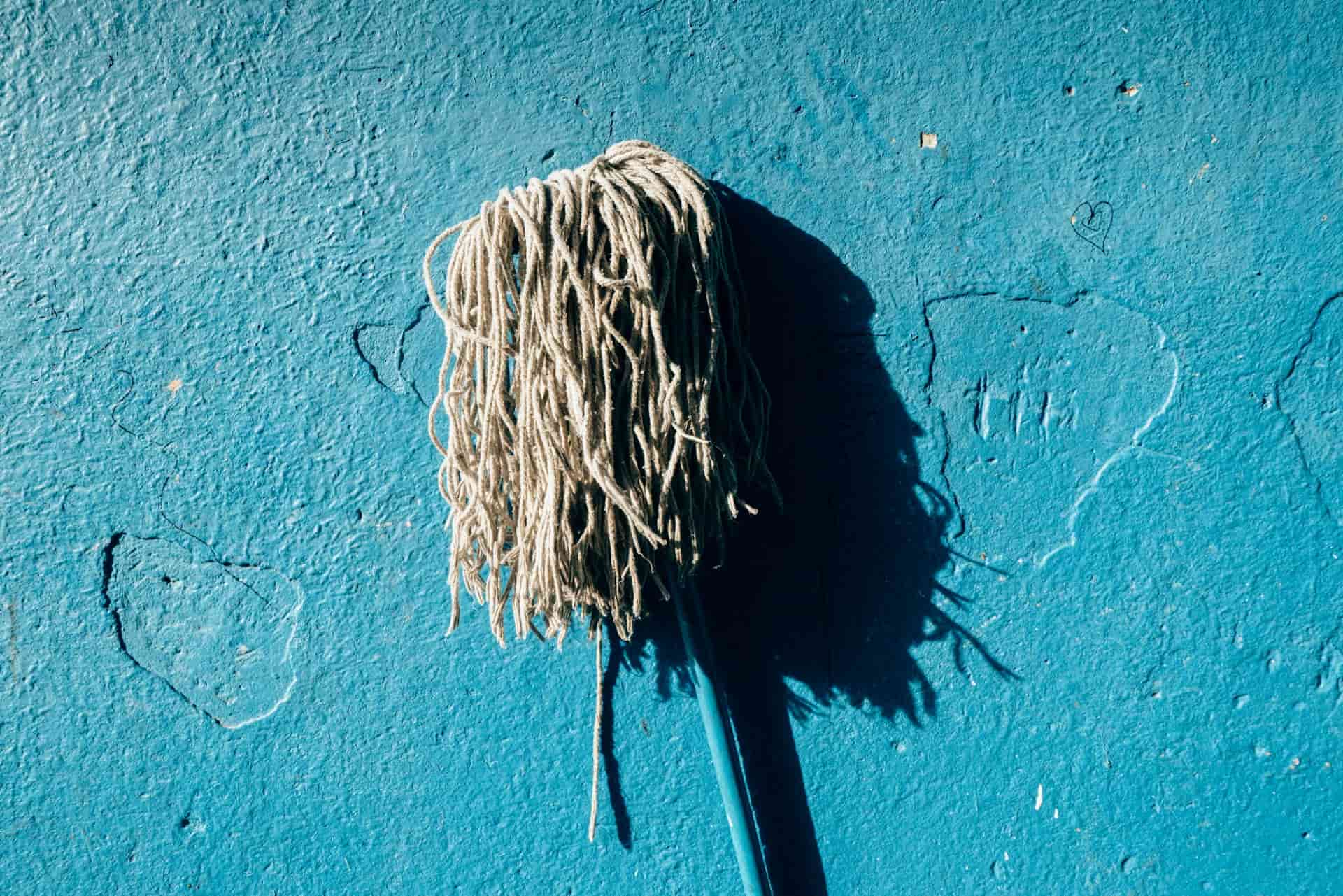
Mops can hold onto a lot of dirt and grime. If you don’t clean your mop after using it, you’ll just be spreading this dirt around the next time you mop. Rinse your mop thoroughly after each use and replace the mop head regularly.
19. Not Cleaning Your Cleaning Supplies
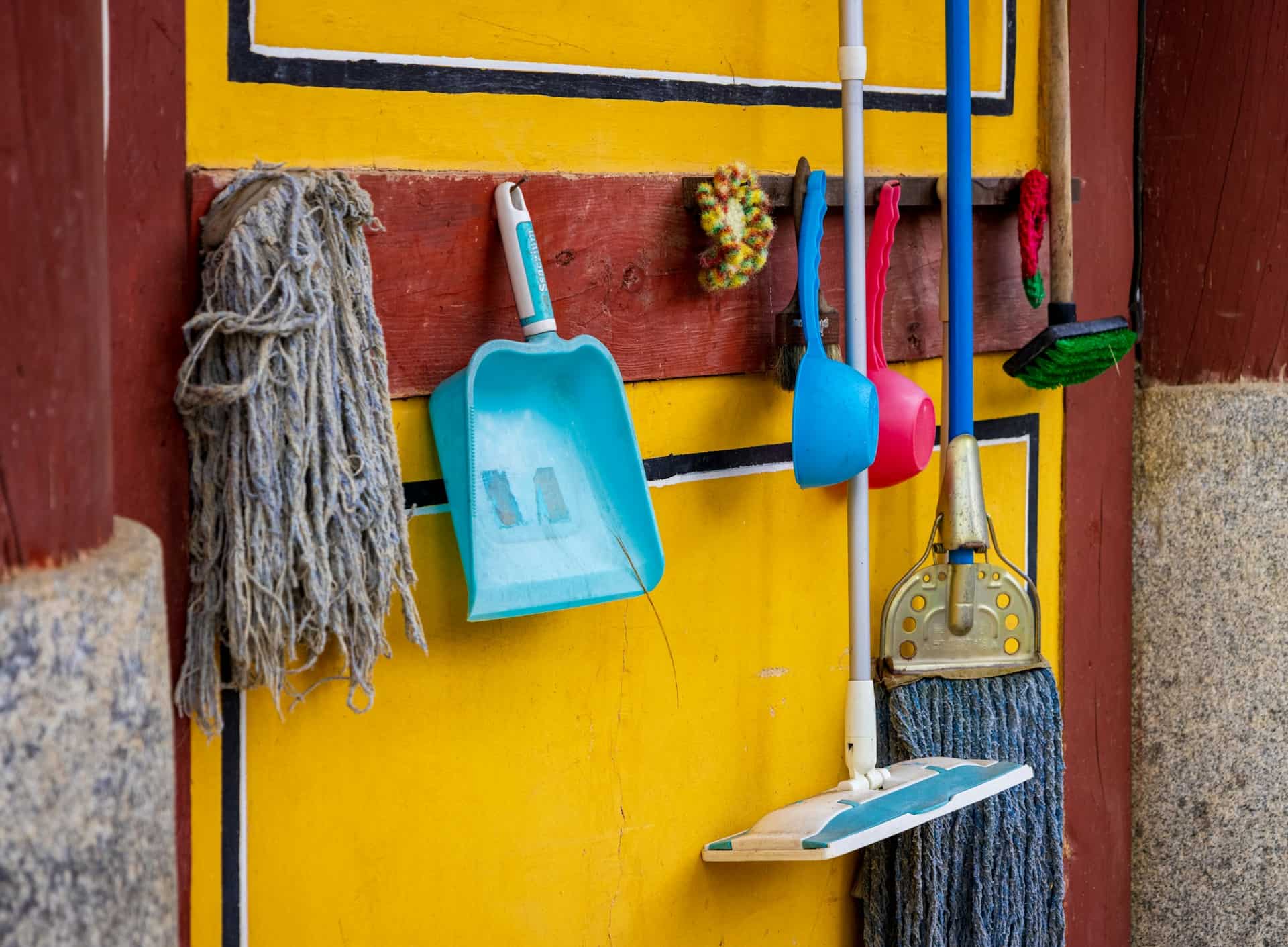
Last but not least, remember to clean your cleaning supplies. Brooms, mops, and scrub brushes can harbor dirt and germs if not cleaned properly. After each cleaning session, take some time to clean and dry your cleaning tools to ensure they’re ready for the next use.