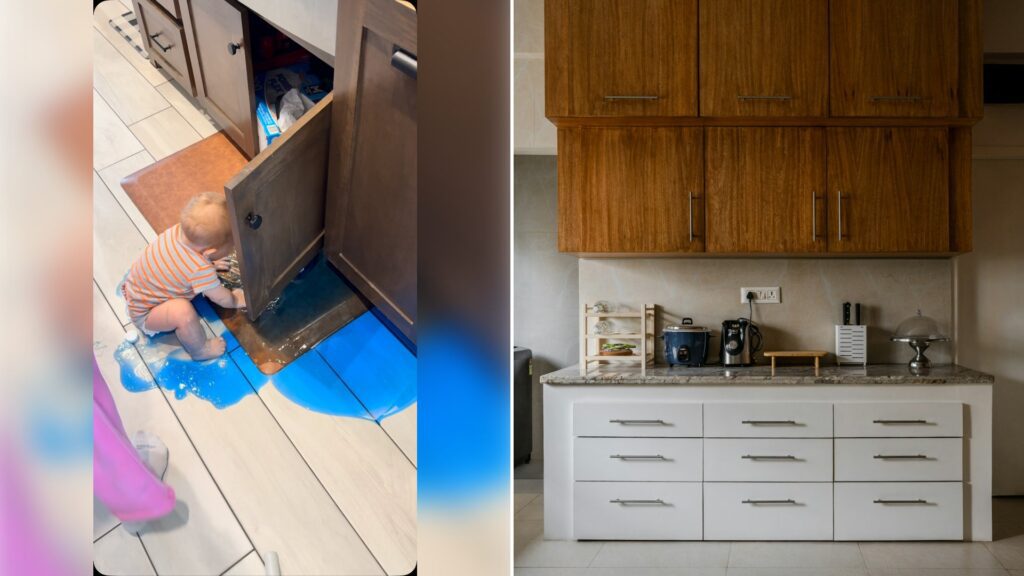
In today’s fast-paced world, we are all in search of ways to save energy and be more efficient in our daily routines. One of the key areas where we unknowingly expend a lot of energy is when we are dealing with clutter, whether it’s physical clutter in our homes or digital clutter on our devices.
Today we’ll explore 19 habits related to clutter that are wasting your energy and how you can address them. Understanding these habits can help you declutter your life, save energy, and reduce stress.
1. Holding onto Unnecessary Items

We often hold onto things we don’t need or use, either for sentimental reasons or because we think we might need them someday. This not only takes up physical space but also mental space and energy as we need to maintain, clean or simply navigate around these items.
Start by identifying items that you haven’t used in a long time. Ask yourself if they are truly necessary or if you are simply holding onto them out of habit. Consider donating, selling, or recycling items that are no longer serving a purpose in your life.
2. Not Having a Place for Everything
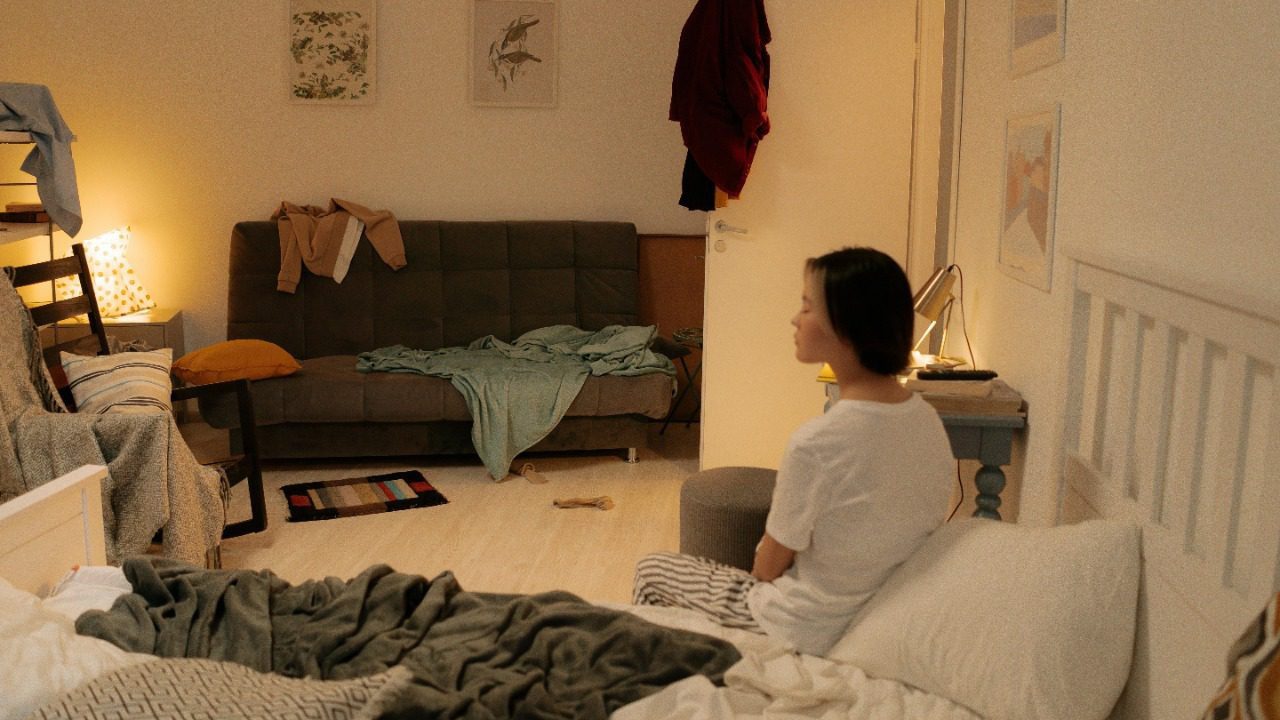
When everything has its place, you save time and energy by not having to search for items. It also makes it easier to clean and maintain your home.
Start by designating specific spaces for different categories of items. For example, all books could go on one shelf, while all stationery could be stored in a specific drawer. This way, you’ll always know where to find things and where to put them away.
3. Keeping Excess Digital Files
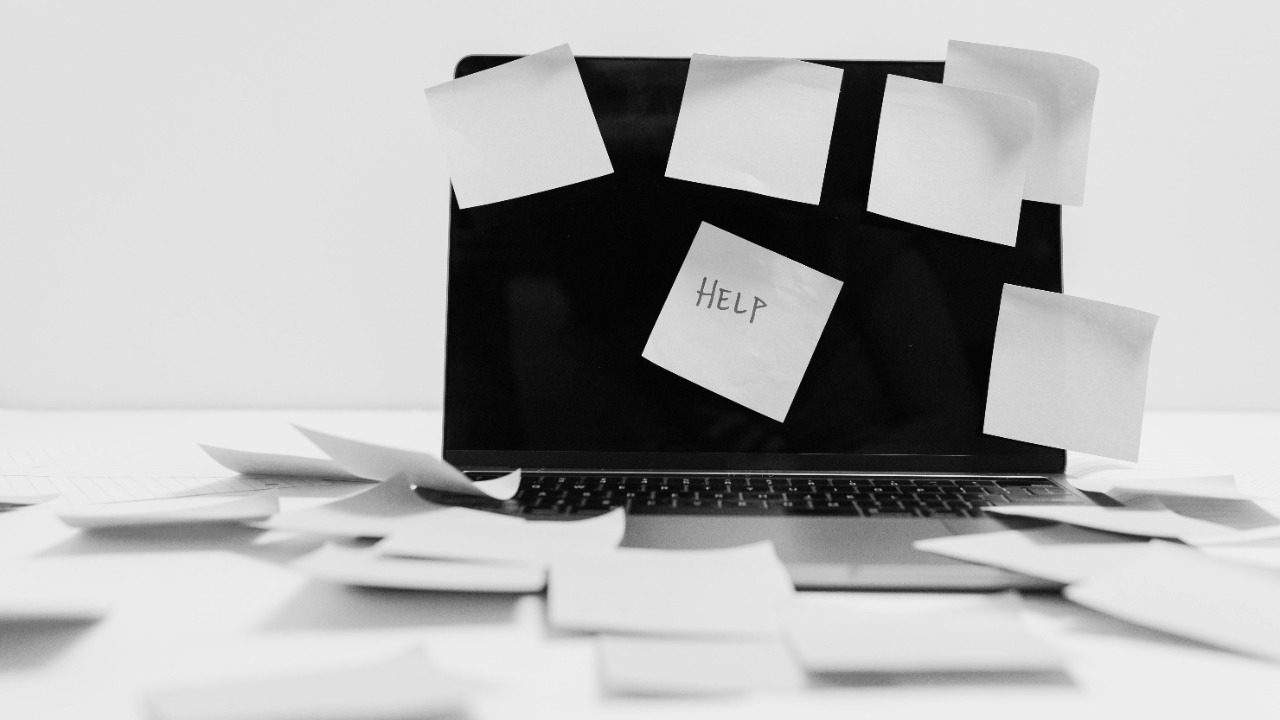
Just like physical clutter, digital clutter can also drain your energy. If your computer or phone is filled with unnecessary files, apps, or photos, it can slow down your devices and make it harder to find the files you need.
Regularly review your digital files and delete unnecessary items. Consider using cloud storage for files you don’t regularly use but still want to keep. This can help free up space on your devices and make it easier to find the files you need.
4. Not Using Storage Solutions

Storage solutions are great for keeping your home organized and reducing clutter. However, if they are not used effectively, they can end up adding to the clutter.
Try to use storage solutions that fit your space and your needs. For example, if you have a small kitchen, consider using hanging storage or stackable containers to make the most of your space. Remember, the goal is to make your space more functional and easier to navigate.
5. Overstuffing Drawers and Closets

Overstuffing drawers and closets not only makes it hard to find things but also consumes energy as you struggle to open and close them.
Try to keep only the items you regularly use in your drawers and closets. For items you don’t use often, consider storing them in a different location.
6. Not Regularly Decluttering

Decluttering is not a one-time task. It’s something that needs to be done regularly to maintain an organized and clutter-free space.
Set aside time each month to go through your belongings and declutter. This regular practice will save you energy in the long run as it will keep your space organized and manageable.
7. Not Having a System for Mail and Bills

Having a system for managing your mail and bills can save you time and energy. Without a system, you can end up with piles of unopened mail and missed bill payments.
Consider setting up a mail station in your home where you can sort and store your mail. For bills, consider setting up automatic payments or using a bill management app to keep track of due dates.
8. Keeping Unnecessary Emails
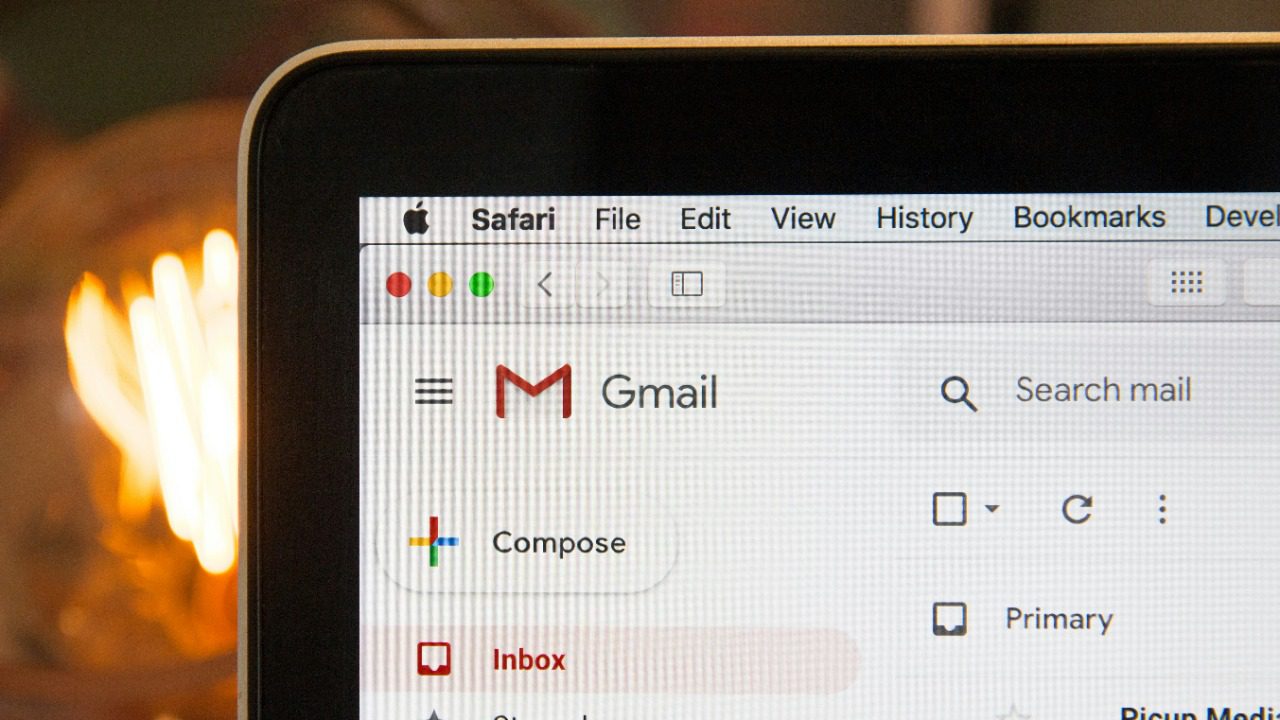
Just like physical and digital clutter, email clutter can also drain your energy. Having a cluttered inbox makes it harder to find important emails and can be a source of stress.
Try to delete unnecessary emails as soon as you read them. Consider setting up folders for different types of emails to keep your inbox organized.
9. Not Planning Your Meals

Meal planning can save you time and energy by reducing the number of trips you need to make to the grocery store and reducing the amount of food waste.
Try to plan your meals for the week ahead. Make a shopping list based on your plan and stick to it when you go grocery shopping.
10. Buying in Bulk

While buying in bulk can save money, it can also lead to clutter if you don’t have a plan for how to use or store the items.
Before buying in bulk, consider whether you have the space to store the items and whether you’ll be able to use them before they expire.
11. Keeping Unfinished Projects

Unfinished projects can take up space and be a source of stress. If you’re not going to finish them, it’s better to let them go.
Consider whether the project is still important to you. If it’s not, consider donating the materials or recycling them.
12. Not Using a Calendar or Planner
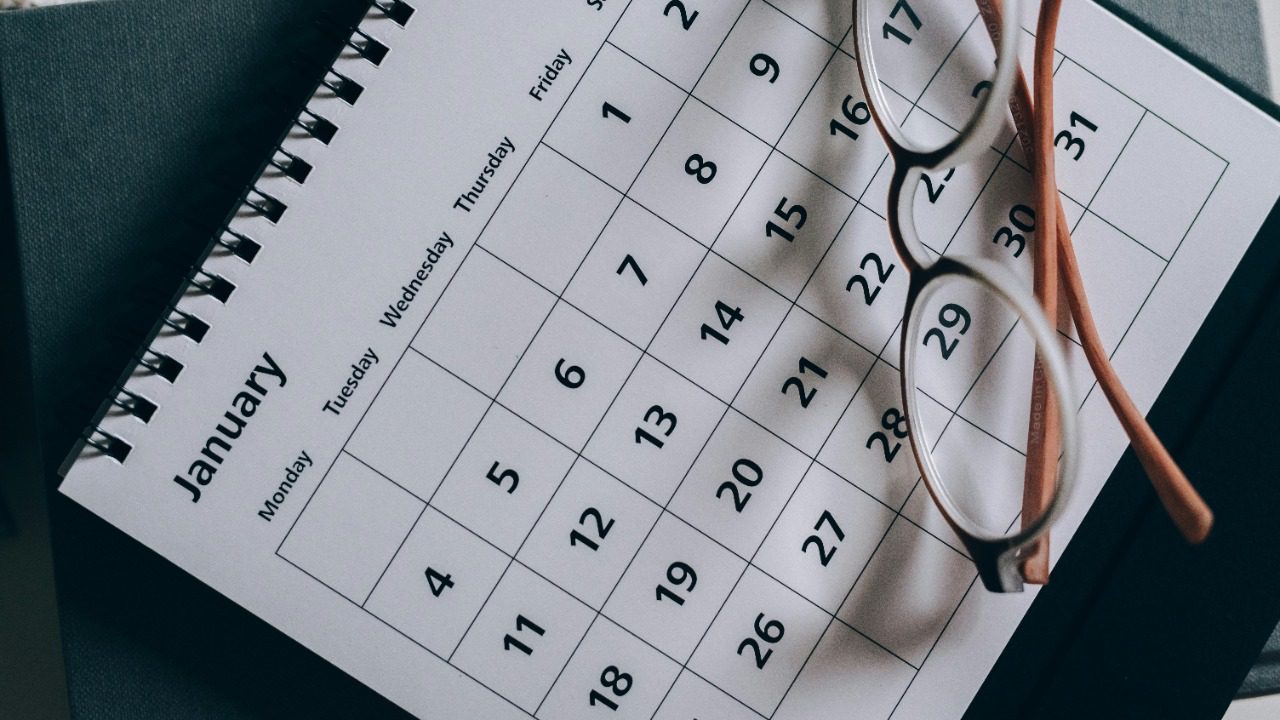
Using a calendar or planner can save you time and energy by helping you keep track of your tasks and appointments.
Consider using a digital calendar or planner that can be accessed from any device. This can help you stay organized even when you’re on the go.
13. Not Prioritizing Your Tasks

Trying to do everything at once can be overwhelming and can waste energy. By prioritizing your tasks, you can focus your energy on the most important tasks first.
Start by making a list of all your tasks. Then, rank them in order of importance. Focus on completing the most important tasks first.
14. Multitasking

While it might seem like multitasking is saving you time, it actually wastes more energy as it requires you to switch your focus back and forth between tasks.
Try to focus on one task at a time. This will allow you to complete the task more efficiently and with less stress.
15. Not Asking for Help

Trying to do everything yourself can be overwhelming and can waste energy. Don’t be afraid to ask for help when you need it.
Whether it’s asking a friend to help you declutter your home or hiring a professional organizer, getting help can save you time and energy.
16. Not Using Technology to Your Advantage

Technology can be a great tool for saving time and energy. From apps that help you organize your tasks to devices that automate your home, technology can make your life easier and more efficient.
Explore different apps and devices to see how they can help you save time and energy. Remember, the goal is to make your life easier, not more complicated.
17. Not Taking Breaks

While it might seem like working non-stop saves time, it actually wastes energy as it can lead to burnout.
Make sure to take regular breaks to rest and recharge. This can help you maintain your energy levels and improve your productivity in the long run.
18. Not Getting Enough Sleep

Not getting enough sleep can waste energy as it can make you feel tired and unproductive.
Make sure to get enough sleep each night. This can help you maintain your energy levels and improve your overall health.
19. Not Taking Care of Your Health

Neglecting your health can waste energy as it can lead to illness and fatigue.
Make sure to eat a healthy diet, exercise regularly, and take time to relax and destress. This can help you maintain your energy levels and improve your overall health.