Everyone dreams of a tidy, well-organized house where everything is in its place. But let’s face it, life gets busy and clutter can pile up faster than we’d like. But don’t worry, decluttering doesn’t have to be a daunting task. With a few clever strategies and a bit of effort, you can transform your space into a clutter-free sanctuary.
Here are 19 decluttering ideas for every room in your home that can make this process easier and more enjoyable.
1. Use Drawer Organizers
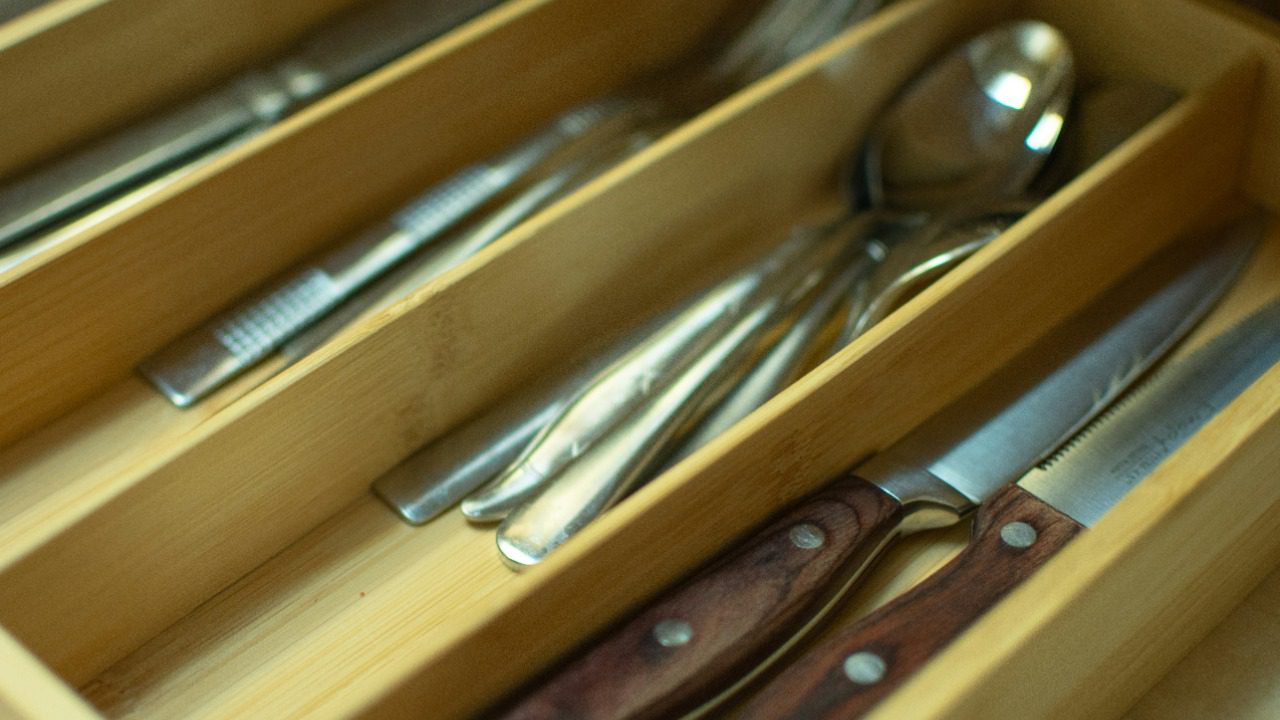
Drawer organizers can be a game-changer when it comes to decluttering. They create designated spaces for items, preventing them from ending up mixed together in a messy pile. You can use them in your kitchen for utensils, in your bathroom for toiletries, or in your bedroom for clothes.
For example, use a cutlery tray in your kitchen drawer to separate forks, spoons, and knives. In your bathroom, use smaller containers to organize make-up items, hair accessories or toiletries. And in your bedroom, drawer dividers can be used to neatly separate socks, underwear and other small clothing items. The possibilities are endless and the result is a clear, organized space where you can easily find what you need.
2. Utilize Wall Space

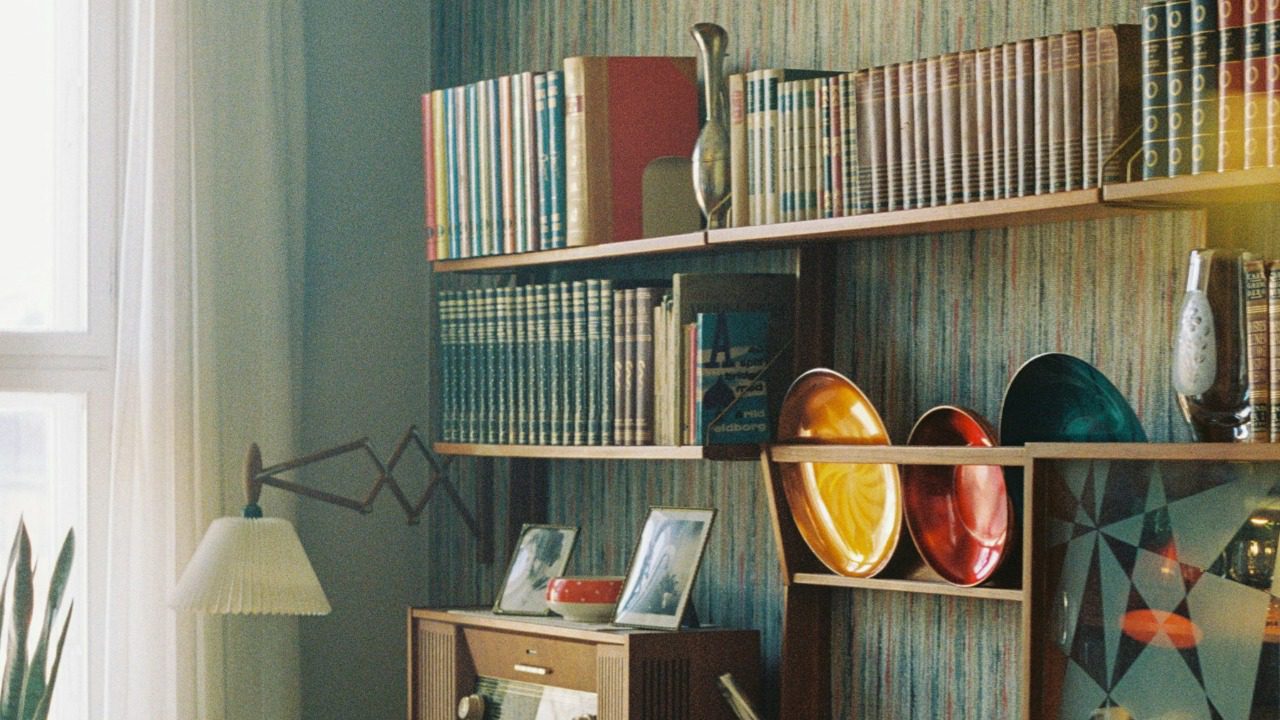
When decluttering, don’t forget about your wall space. Shelves, hooks, and wall organizers can be used to store and display items, freeing up valuable floor and counter space.
For example, in your living room, consider installing floating shelves to display books, photos, or decorative items. In your kitchen, use a wall rack to hang pots and pans. In your bathroom, a wall-mounted organizer can hold toothbrushes, toothpaste and other essentials. Not only does this help declutter your space, it also adds a decorative element to your room.
3. Use Multipurpose Furniture
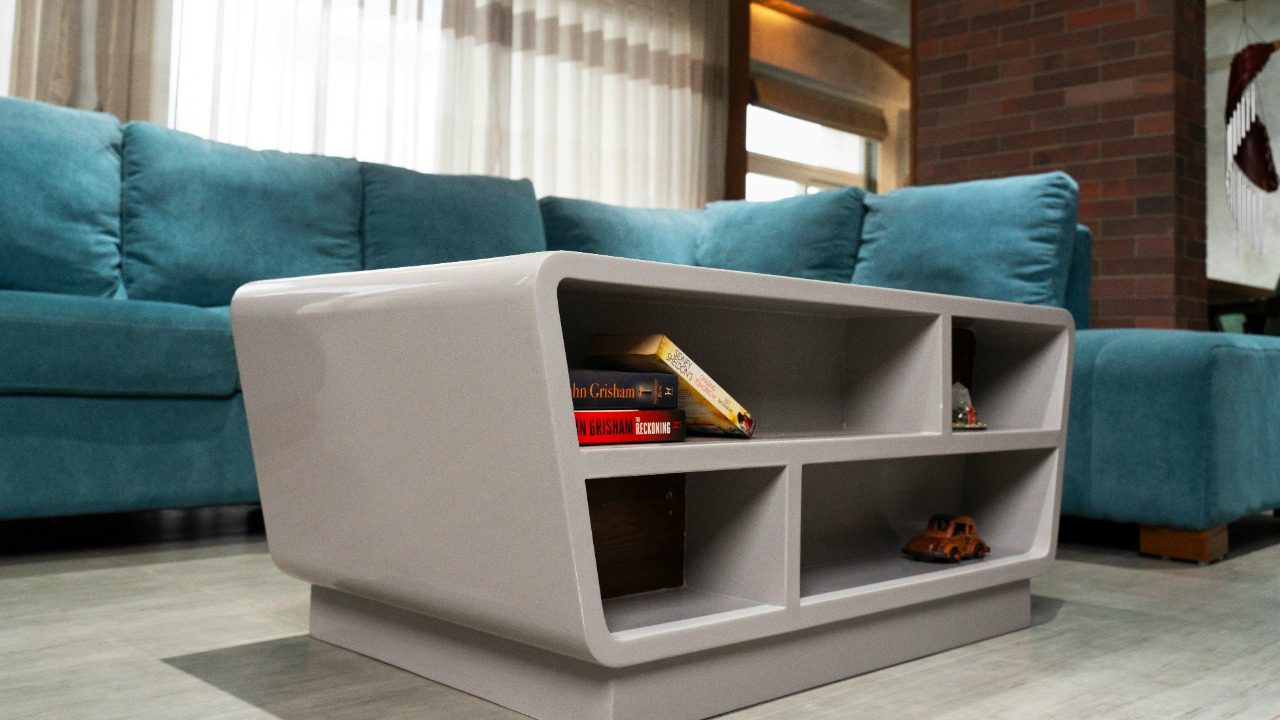
Multipurpose furniture can be a godsend for small spaces. These are pieces of furniture that serve more than one function, providing storage solutions while also serving their primary purpose.
Consider using a storage ottoman in your living room. It can serve as a footrest or extra seating, while also providing a place to store items like blankets or magazines. In your bedroom, consider a bed frame with built-in drawers. These can be used to store clothes, shoes, or other items, freeing up space in your closet.
4. Store Items Vertically
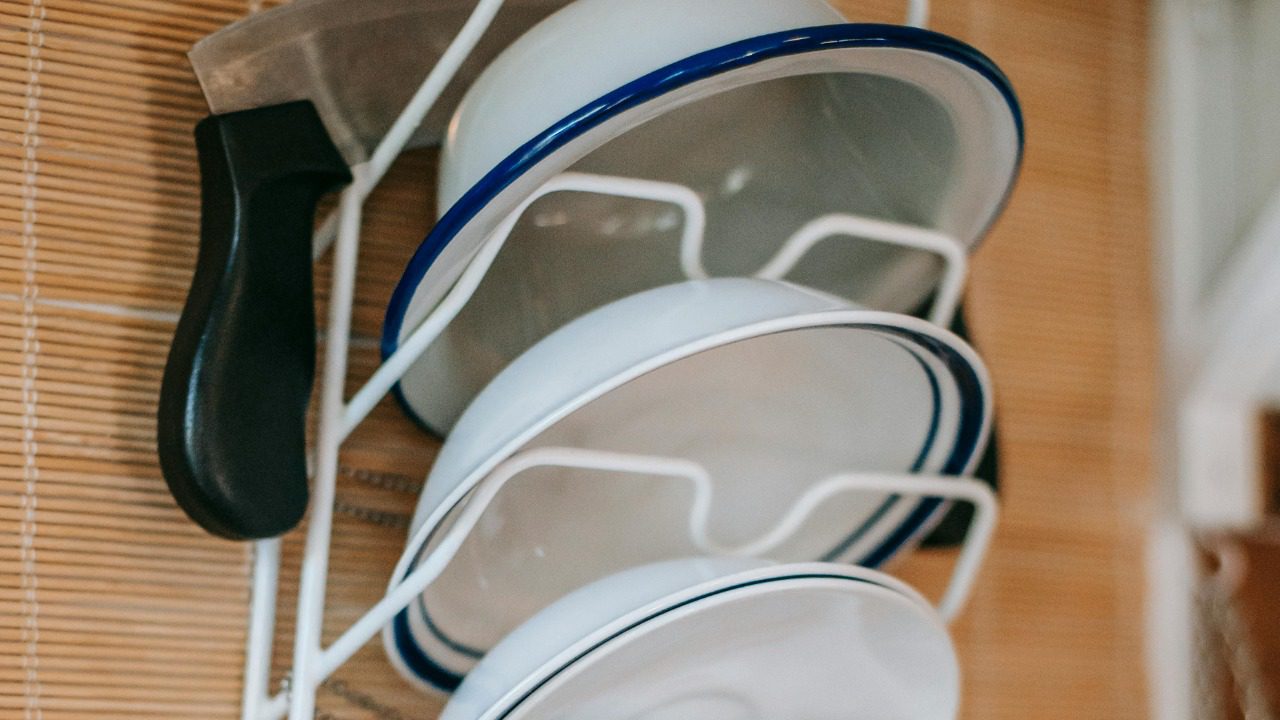
Storing items vertically is another useful strategy for decluttering. This is especially helpful in small spaces, where horizontal space is limited.
In your kitchen, for example, a vertical plate rack can be used to store plates, freeing up valuable cabinet space. In your bathroom, a tall shelving unit can be used to store towels, toiletries and other items. And in your bedroom, consider using a vertical shoe rack to store shoes. This can free up floor space and make it easier to find the pair you’re looking for.
5. Use Baskets and Bins

Baskets and bins are a decluttering staple. They provide an easy way to gather similar items together, making it easier to find what you’re looking for.
In your living room, use a large basket to store blankets and pillows. In your kitchen, use bins to organize pantry items. And in your bedroom, use baskets to store accessories, scarves, or hats. By grouping similar items together, you reduce the time spent searching for things and create a tidier, more organized space.
6. Declutter Regularly

Decluttering is not a one-time event, but a continuous process. Regular decluttering sessions can help you maintain a tidy, organized home.
Set aside time each week or month to go through your rooms and declutter. This doesn’t have to be a full day event. Even 15 minutes spent decluttering a room can make a big difference. Regular decluttering sessions prevent clutter from building up and make the task more manageable.
7. Use the One In, One Out Rule
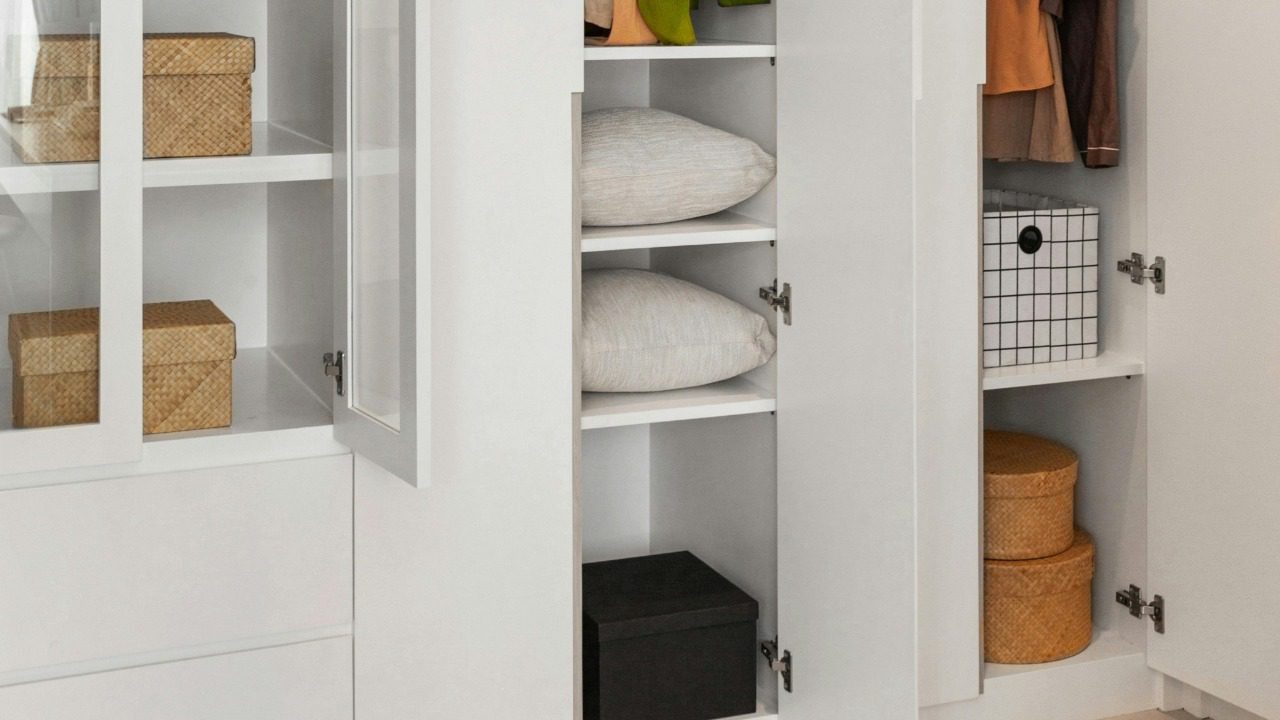
Another effective decluttering strategy is the one in, one out rule. This means that for every new item you bring into your home, one item must go.
This rule is especially useful in wardrobes, where clothes can quickly pile up. For every new piece of clothing you buy, consider donating or selling an old one. This rule keeps your home from becoming overcrowded and encourages you to be mindful of what you bring into your home.
8. Store Items Where You Use Them

This may seem like a no-brainer, but storing items where you use them can greatly help with decluttering.
For example, store pots and pans near the stove, store your coffee maker and coffee supplies together, keep your toothbrush and toothpaste near the sink, etc. This makes your daily routines smoother and helps prevent items from ending up in the wrong place.
9. Use Closet Organizers

Closet organizers can be a lifesaver when it comes to decluttering. They provide designated spaces for clothes, shoes, and accessories, making it easier to find what you’re looking for.
Consider using hanging organizers for shoes or accessories, shelf dividers for folded clothes, and boxes or bins for smaller items. By using closet organizers, you can make the most of your closet space and keep your wardrobe tidy and organized.
10. Use Under-Bed Storage
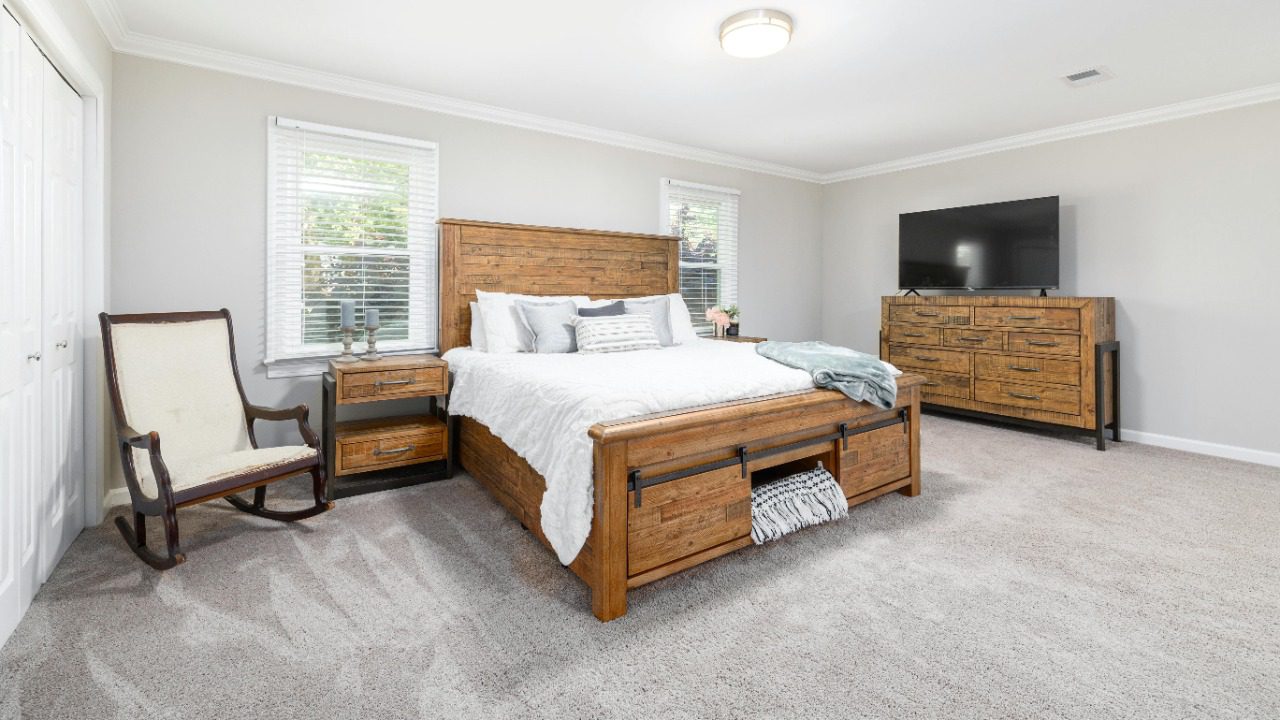
Another clever decluttering strategy is to use under-bed storage. This is often overlooked space that can be used to store items that you don’t use daily.
Consider using under-bed storage boxes to store off-season clothes, shoes, or bedding. This frees up space in your closet and keeps these items out of sight but easily accessible.
11. Use Over-the-Door Organizers

Over-the-door organizers are another useful tool for decluttering. They provide extra storage space without taking up floor or counter space.
Use an over-the-door organizer in your pantry to store spices, in your bathroom to store toiletries, or in your bedroom to store accessories. They are easy to install and can make a big difference in your home’s organization.
12. Label Everything
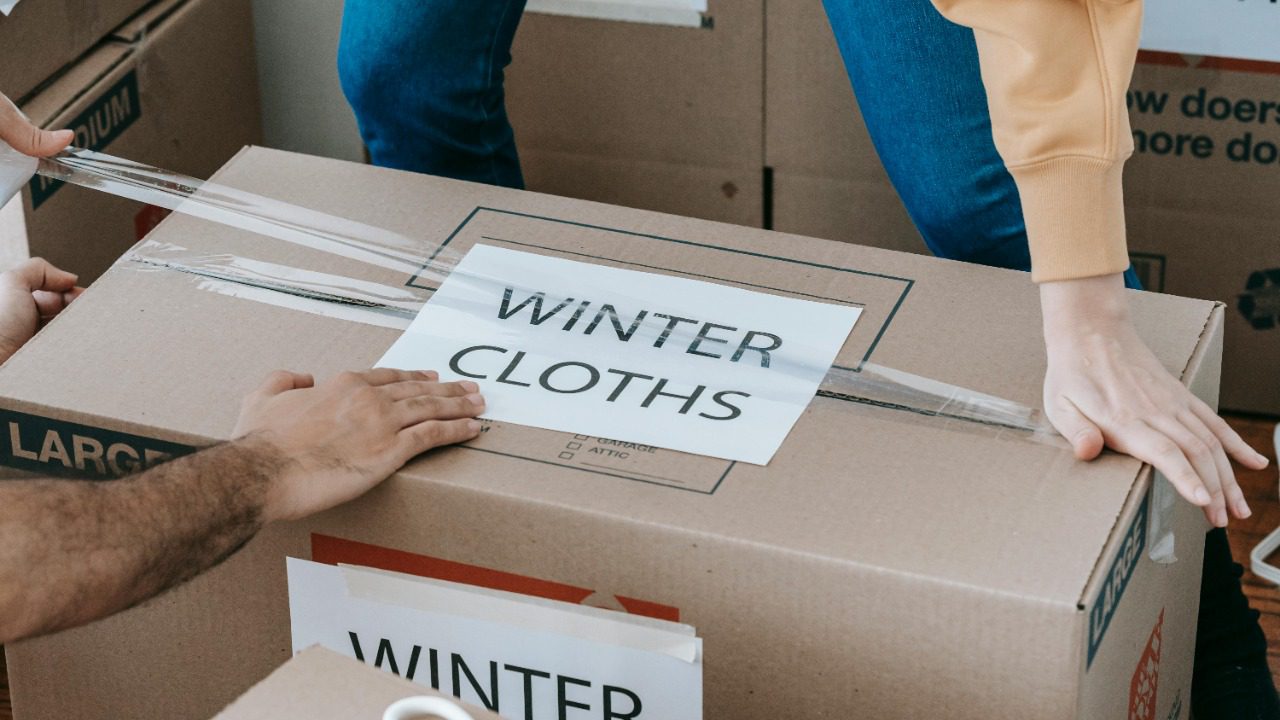
When it comes to decluttering, labels can be your best friend. They help you quickly identify what’s inside boxes, bins, or jars, making it easier to find what you’re looking for.
In your kitchen, use labels to identify pantry items. In your bathroom, label bins or jars that contain toiletries. And in your office, use labels to identify files or documents. Labels not only help with organization, they also give your spaces a neat, tidy look.
13. Use a Paper Shredder
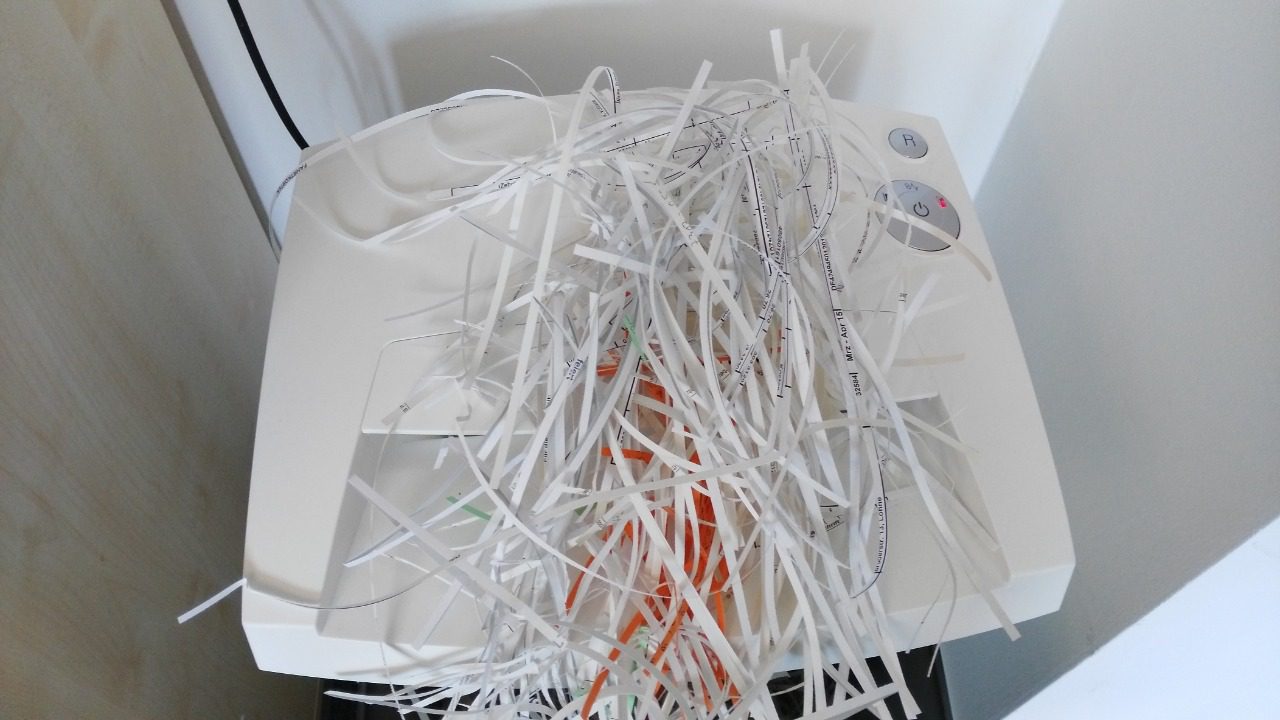
A paper shredder can be a useful tool in your decluttering process. It allows you to get rid of unnecessary papers quickly and securely.
Use a shredder to get rid of old receipts, bills, or documents that you no longer need. This can significantly reduce the amount of paper clutter in your home and help you keep your spaces tidy.
14. Use Digital Storage
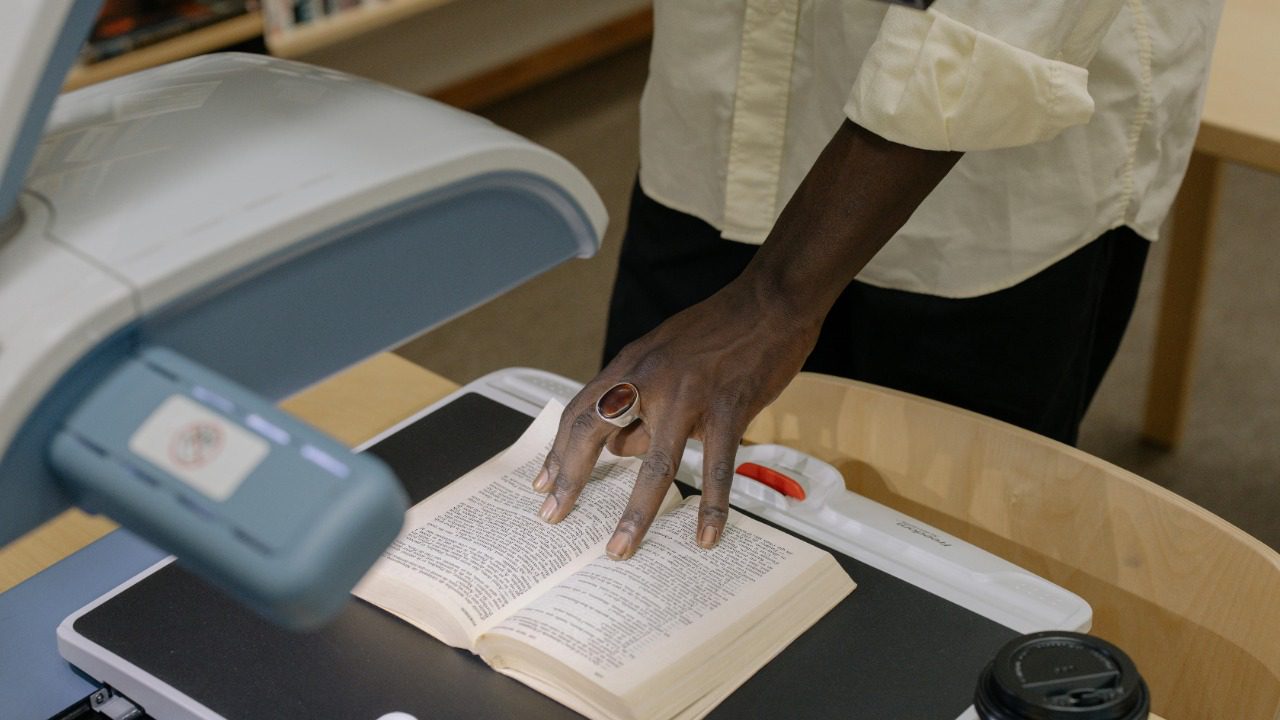
In our digital age, a lot of clutter can come from papers, CDs, DVDs, and other physical media. Consider using digital storage to declutter these items.
For example, digitize your photos and store them on a cloud service, convert your CDs and DVDs to digital files, or use e-books instead of physical books. Not only does this reduce physical clutter, it also makes your items more accessible and easier to find.
15. Use a Junk Drawer

Despite your best decluttering efforts, there will always be small items that don’t have a designated place. That’s where a junk drawer comes in.
Use a junk drawer to store small items like batteries, spare keys, or miscellaneous office supplies. Just remember to go through this drawer regularly to prevent it from becoming a source of clutter.
16. Use a Donation Box

A donation box can be a useful tool in your decluttering process. It provides a place to put items that you no longer need or want.
Keep a donation box in a convenient location and regularly add items to it. When the box is full, take it to a local charity or donation center. This can help you declutter your home and help others in the process.
17. Use the Four-Box Method
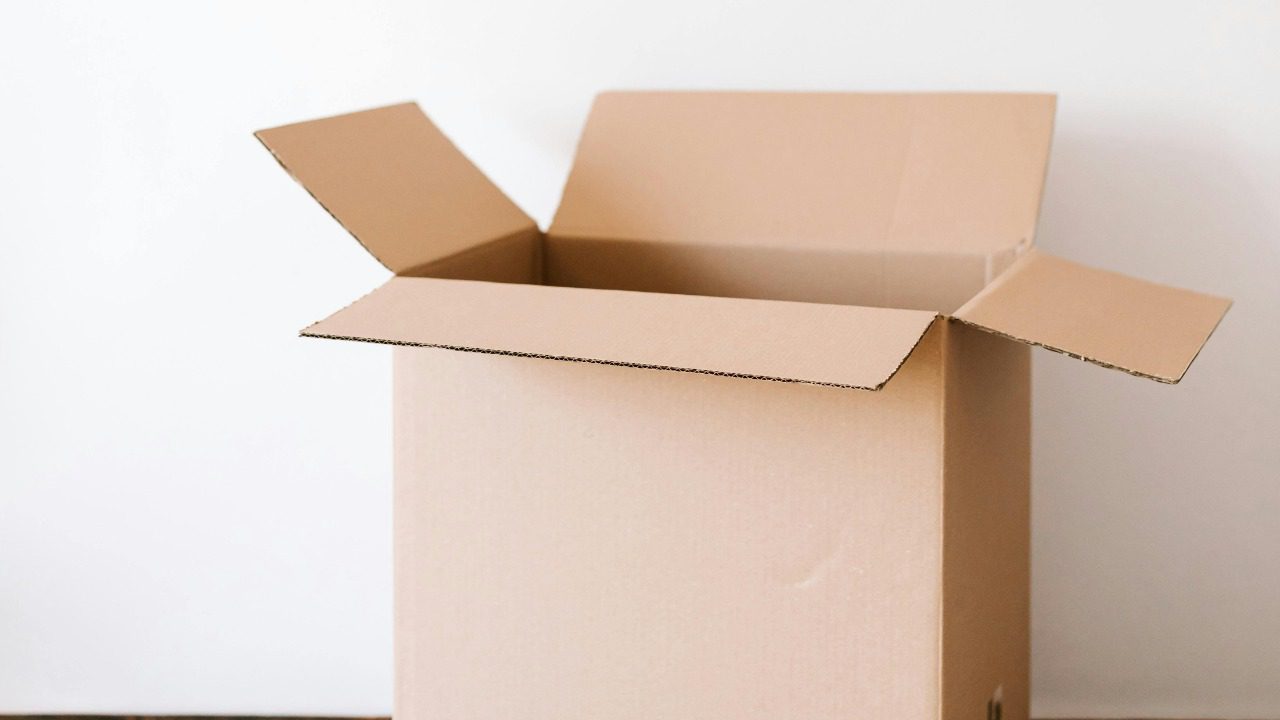
The four-box method is a popular decluttering strategy. This method involves four boxes: keep, donate, trash, and relocate.
Go through your items and decide which box each item belongs in. The keep box is for items you want to keep, the donate box is for items you want to give away, the trash box is for items that need to be thrown away, and the relocate box is for items that need to be moved to a different location in your home. This method can make the decluttering process more structured and manageable.
18. Use a Decluttering Checklist

A decluttering checklist can be a useful tool in your decluttering process. It can help you stay focused and keep track of your progress.
Make a list of all the rooms or areas in your home that need to be decluttered. Then, break each room down into smaller tasks. For example, in your kitchen, you might have tasks like “declutter pantry” or “organize utensils”. As you complete each task, check it off your list. This can give you a sense of accomplishment and motivate you to keep going.
19. Get Family Members Involved
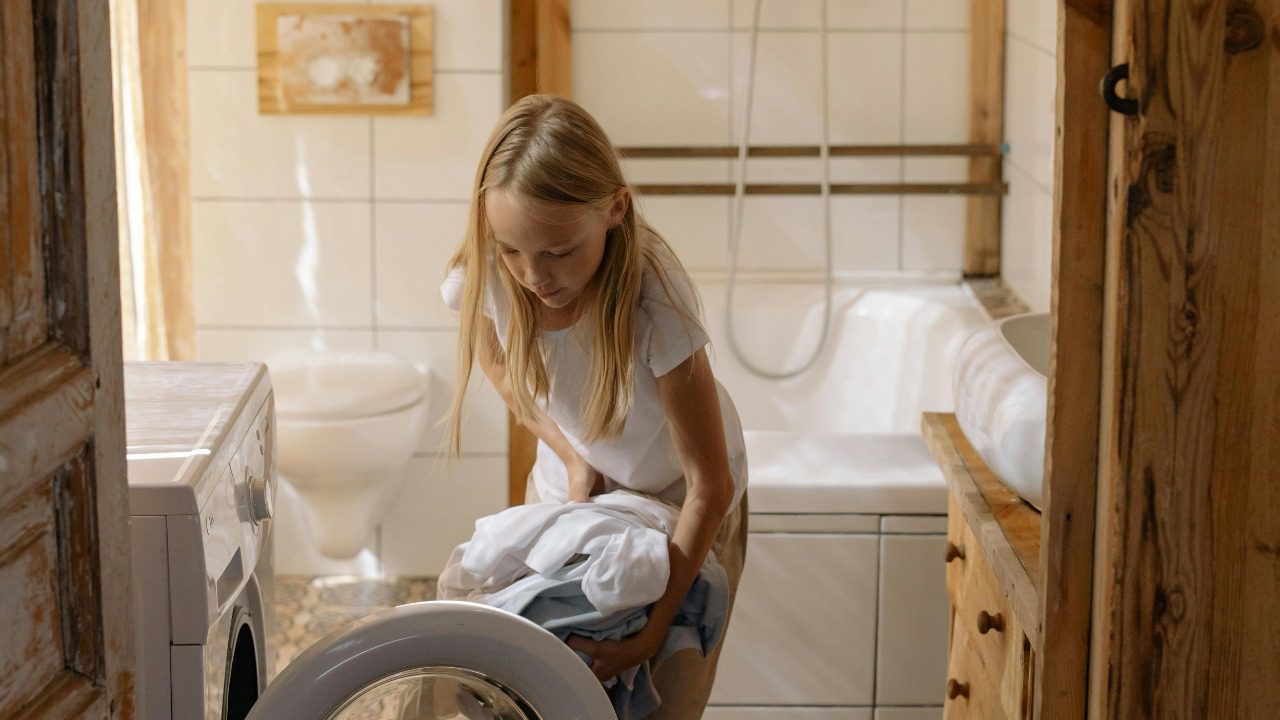
Last but not least, get your family members involved in the decluttering process. Not only can this make the task more enjoyable, it can also make it go faster.
Assign each family member a room or area to declutter. Or, make it a family event and work together to declutter a room. This can also be a good opportunity to teach children about the importance of organization and tidiness.