Every year, most of us aim to declutter and organize our homes. However, did you know that decluttering your home can also help save you money? Indeed, it’s not just about creating a peaceful and orderly living space. The process of decluttering can also help you save money by realizing what you really need, what you can sell, and what you can do without. In this post, we will reveal 19 declutter moves that not only help you tidy up your space but also keep your wallet happy.
1. Sell What You Don’t Need
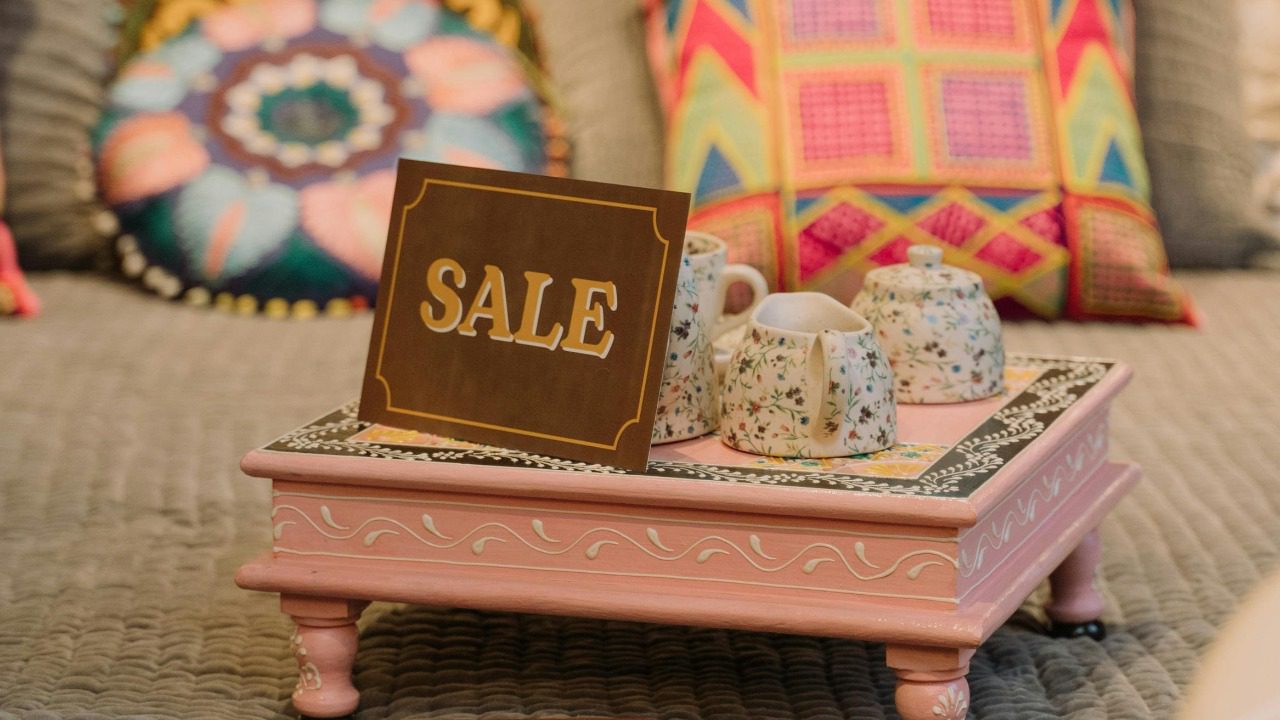
When you start to declutter, you’ll probably come across items that you no longer need but are still in good condition. Rather than throwing them out, consider selling them. There are numerous online platforms like eBay, Facebook Marketplace, and Craigslist where you can sell your unwanted stuff.
This way, you’re not only eliminating clutter in your home but also making some extra money. Depending on what you’re selling, you could make a significant amount of money. For instance, designer clothing, electronics, and furniture usually sell well. Remember to clean and present your items well for the best results.
2. Cancel Unused Subscriptions

As you declutter your home, also take time to declutter your finances. Review your bank and credit card statements to identify any subscriptions or memberships that you no longer use. Are you still paying for a gym membership even though you prefer working out at home? Or a magazine subscription for a publication you never read?
You could be wasting hundreds of dollars each year on such unused subscriptions. Cancelling them could result in substantial savings. If you’re worried about forgetting to cancel before the trial period ends, consider setting a reminder on your phone or using apps that monitor and help you cancel unwanted subscriptions.
3. Cook More at Home

Kitchen decluttering might reveal numerous unused cooking utensils, appliances, and ingredients. Rather than letting them gather dust, use them more often to cook meals at home. Dining out or getting takeout regularly can be expensive.
Cooking at home is generally healthier and less costly. With your newly decluttered kitchen, you’ll be more motivated to whip up your meals. Plus, you can make use of those spices and ingredients you found while decluttering before they expire. If you’re new to cooking, start with simple recipes and gradually explore more complex ones.
4. Swap or Borrow Instead of Buying

Do you have a friend who loves reading as much as you do? Or maybe a neighbor who also enjoys DIY projects? Instead of buying new books or tools, consider swapping or borrowing.
This practice can save you a ton of money and also help you declutter. For instance, once you and your friend are done reading a book, you can swap. This way, you get to read a new book without spending money or adding clutter to your home. The same goes for tools. Borrowing what you need for a one-time project is more economical and space-saving than buying and storing them.
5. Reuse and Repurpose

Decluttering can reveal items that can be reused or repurposed. For instance, jars can be used for storing spices or making overnight oats. Old t-shirts can be turned into cleaning rags.
Repurposing not only reduces clutter but also saves you money since you don’t have to buy new items. Plus, it’s good for the environment as it minimizes waste. It’s surprising how with a little creativity, what was once considered clutter can become useful again.
6. Maintain a Shopping List

One of the best ways to keep clutter and unnecessary spending at bay is by maintaining a shopping list. Whether you’re shopping for groceries, clothes, or home decor, always have a list and stick to it.
Impulse buying often leads to clutter and wasted money. But with a list, you’re more likely to buy only what you need. As you declutter and organize your home, keep a list of what you need to replace or buy. This way, you’ll avoid buying duplicates or unnecessary items.
7. Buy Quality, Not Quantity
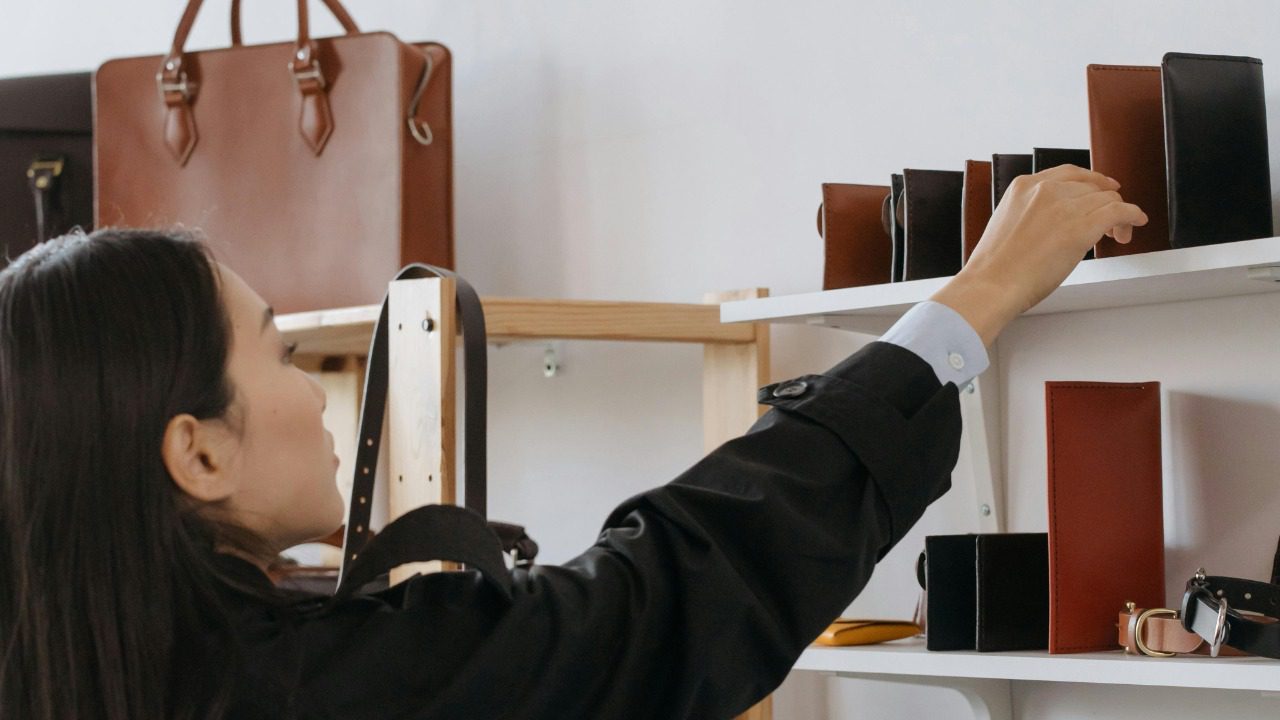
As the saying goes, “Buy cheap, buy twice.” When decluttering, you might notice some items wear out quickly because they’re of poor quality. To save money and reduce clutter, consider buying fewer but high-quality items.
Quality items may cost more upfront, but they last longer, providing better value for your money. Plus, they’re less likely to end up as clutter since they’re useful for a longer time. Whether it’s clothing, electronics, or furniture, choose quality over quantity.
8. Create a Budget

Just like decluttering, budgeting helps you identify what’s necessary and what’s not. By creating and sticking to a budget, you can avoid unnecessary spending which often leads to clutter.
A budget provides a clear picture of your income, expenses, and financial goals. It helps you allocate money for what’s important and eliminate unnecessary expenses. If you’ve never budgeted before, there are numerous apps and tools that can help you get started.
9. Use Libraries and Rental Services

Do you love reading or watching movies? Instead of buying books and DVDs, consider using libraries or rental services.
Libraries offer a wide range of books, magazines, and DVDs for free. There are also online platforms like Kindle Unlimited for books and Netflix for movies. These services allow you to enjoy your favorite pastimes without spending a lot of money or adding clutter to your home.
10. Learn to Repair
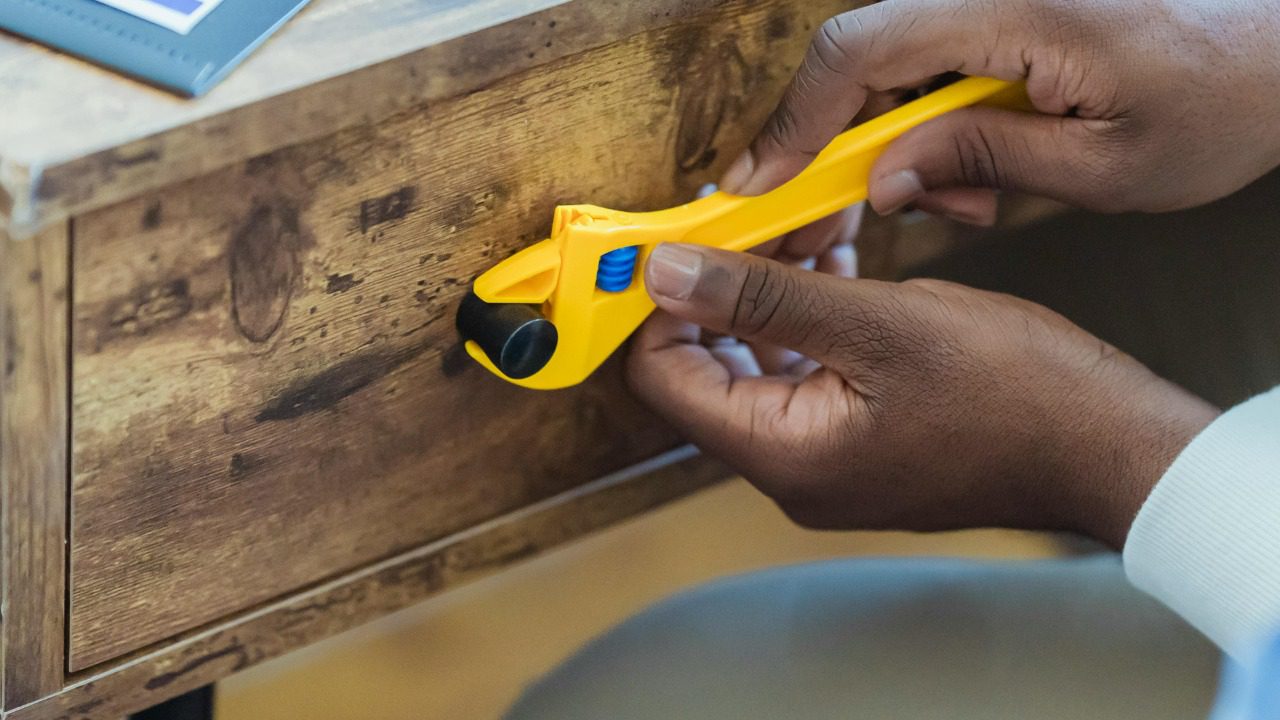
While decluttering, you might come across items that are broken but can be repaired. Instead of throwing them out and buying new ones, learn to repair.
There are numerous online tutorials that can teach you how to fix almost anything. Repairing not only saves you money but also extends the life of your items. Plus, it’s a great way to reduce waste and declutter.
11. Shop Secondhand

Next time you need something, consider shopping secondhand before buying new. Secondhand items are usually cheaper and just as good.
Thrift stores, yard sales, and online platforms like eBay are great places to find secondhand items. You can find anything from clothing to furniture to electronics. Shopping secondhand not only saves you money but also helps reduce waste and clutter.
12. Donate
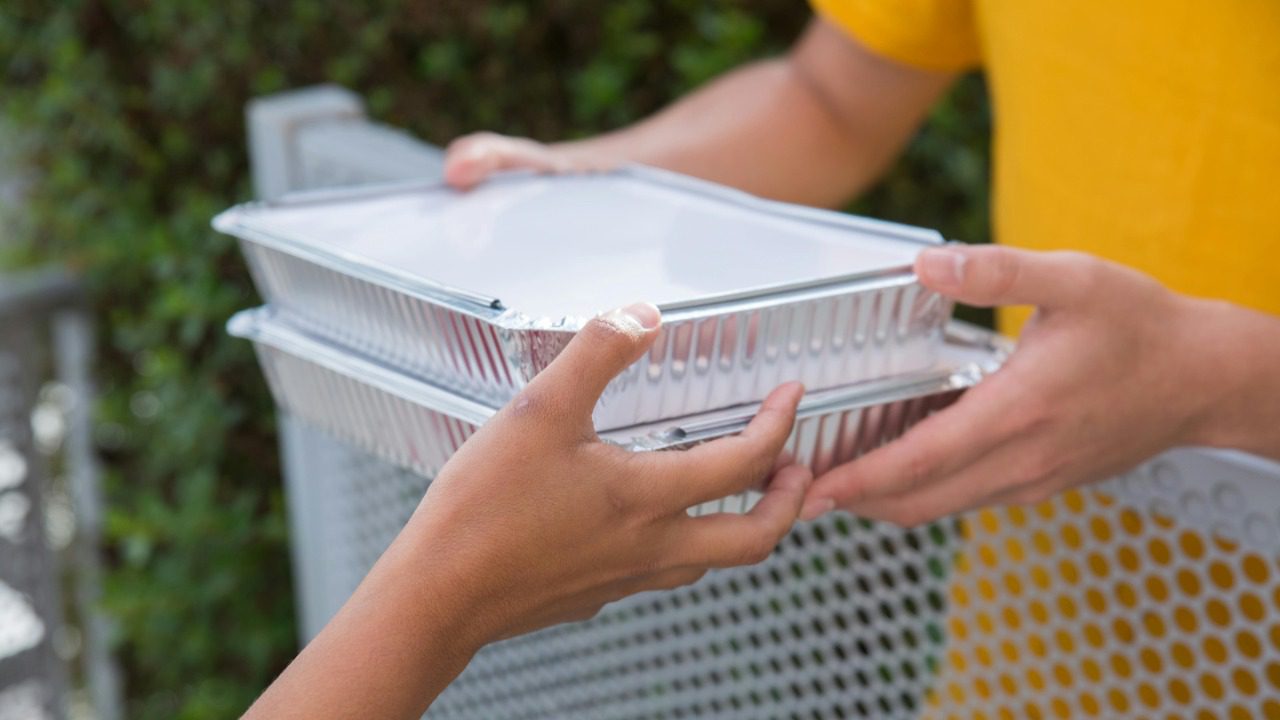
If you have items that are still in good condition but you no longer need, consider donating. Many charities accept donations and some even offer free pick-up services.
Donating not only helps declutter your home but also provides a sense of satisfaction knowing you’re helping others. Plus, in many countries, you can claim tax deductions for donated items, saving you money.
13. Go Paperless
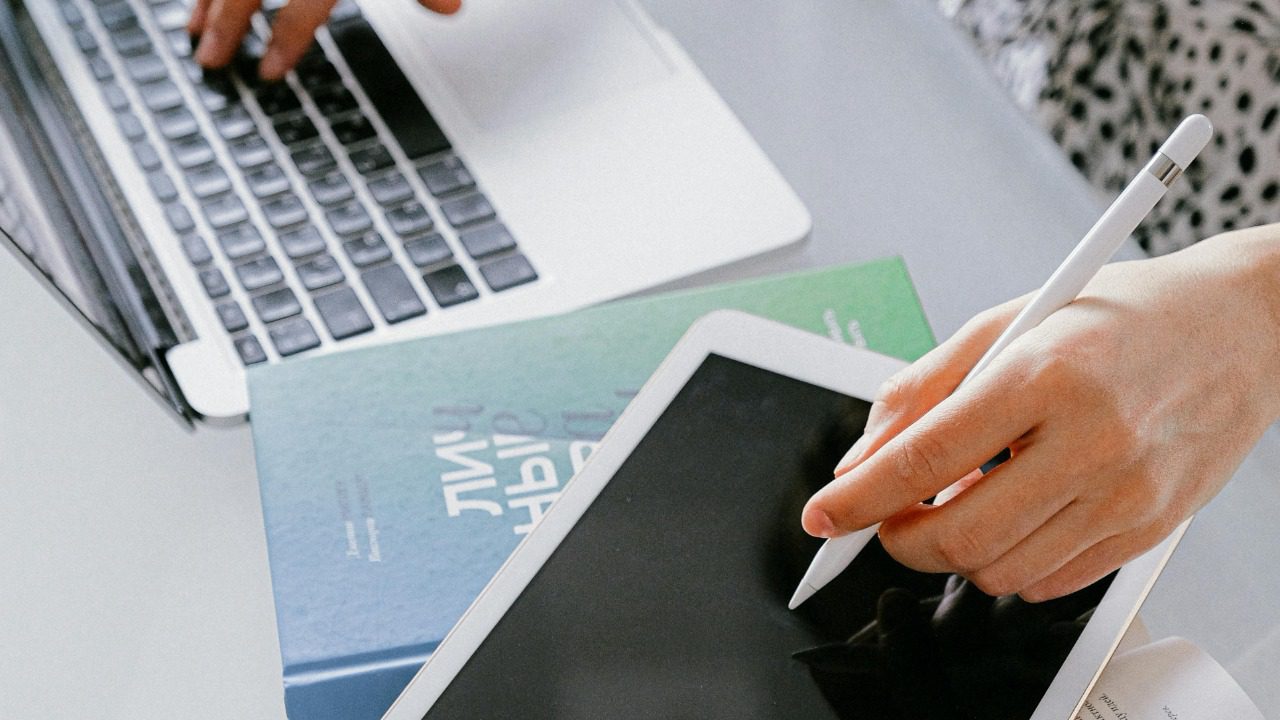
Going paperless not only declutters your home but also saves you money. Many service providers offer discounts for choosing paperless billing.
Plus, going paperless is good for the environment. It saves trees and reduces waste. And with everything digital, you don’t have to worry about losing important documents or cluttering your home with paper.
14. Grow Your Own Food

Gardening can be a great way to save money and declutter your space. Grow your own herbs, vegetables, or fruits instead of buying from the store.
Not only will this save you money, but it also ensures you have fresh, organic produce at your disposal. Plus, gardening can be a relaxing and rewarding hobby.
15. Share More

Sharing is caring, and it can also save you money and declutter your space. Consider sharing items that you don’t use often with friends, neighbors, or family.
This can be anything from power tools to party decorations. By sharing, you reduce the need to own and store everything, saving money and space.
16. Plan Your Meals

Planning your meals can save you money and reduce kitchen clutter. By knowing what you’re going to eat, you can buy exactly what you need and avoid wasting food.
Plus, meal planning can help you eat healthier and save time. There are numerous apps and tools that can help you plan your meals and create shopping lists.
17. Use Multi-Purpose Items
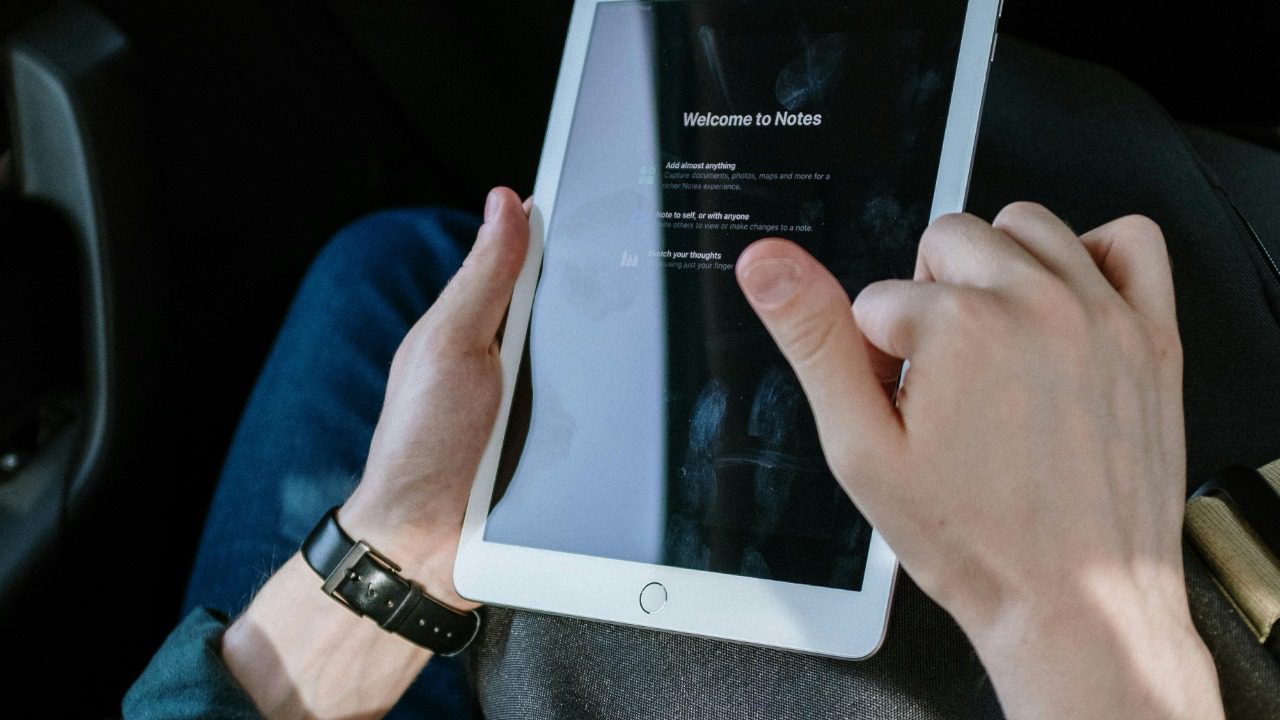
Multi-purpose items save you money and reduce clutter. Instead of having multiple items for different tasks, consider using one that can do multiple things.
For instance, a smartphone can be a camera, a music player, a map, a note-taking device, and more. A sofa bed can serve as seating during the day and a bed at night. By using multi-purpose items, you save money and space.
18. Buy in Bulk
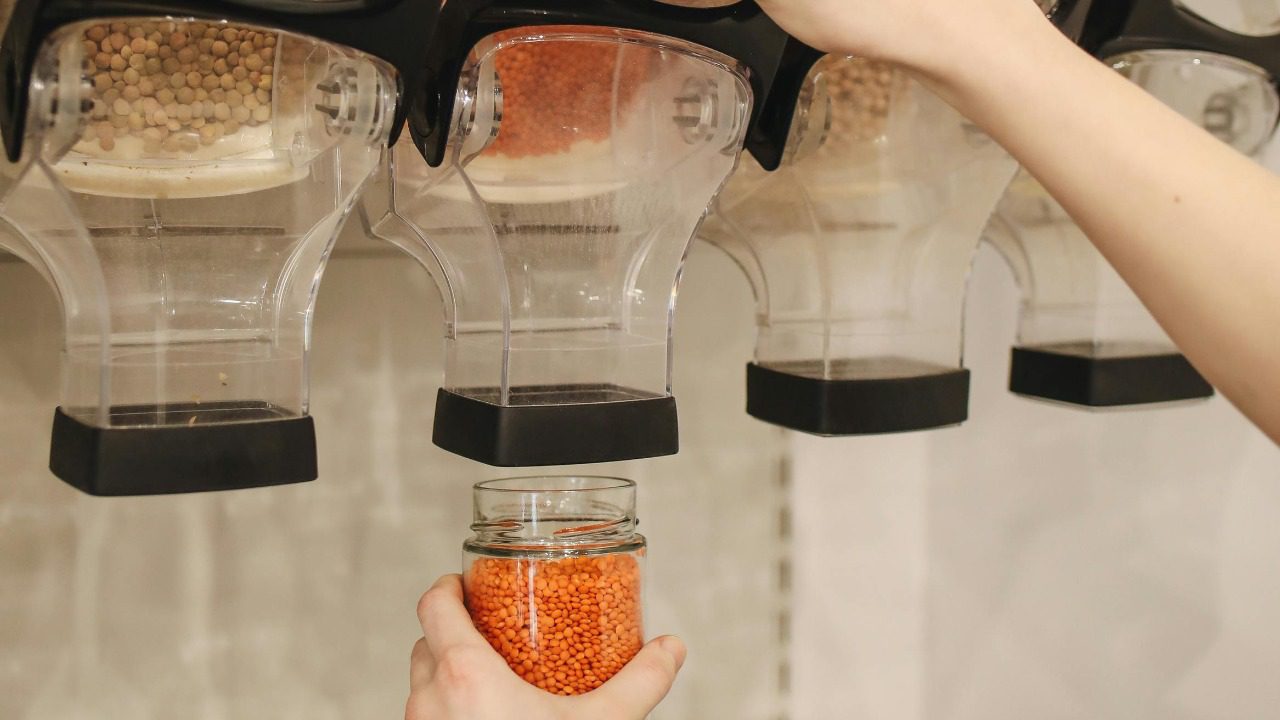
Buying in bulk can save you money and reduce packaging clutter. However, only buy in bulk if you’re sure you’ll use all of it before it expires.
Things like toilet paper, detergent, and canned goods are great to buy in bulk. Just make sure you have enough storage space and a plan to use them.
19. Be Mindful

Last but not least, be mindful. Mindfulness can save you money and reduce clutter. Before you buy anything, ask yourself if you really need it.
Consider the cost, the space it will occupy, and if you already have something similar. By being mindful, you can avoid unnecessary purchases and keep your space decluttered.
Remember, decluttering is a journey, not a destination. It’s about making small, consistent changes to create a home and a lifestyle that reflect what’s truly important to you. Here’s to a decluttered and financially savvy life!