In today’s fast-paced world, we often find ourselves surrounded by clutter. It’s in our homes, our workspaces and even in our digital lives. Yet, there’s a growing myth that decluttering is a daunting, time-consuming task that requires strict discipline and sacrifice.
The truth is, decluttering can be simple, liberating and even fun when approached with the right mindset. In this article, we debunk 19 common decluttering myths that might be holding you back from achieving a cleaner, more organized, and more peaceful environment.
1. Decluttering is All or Nothing

The first myth we need to debunk is the misconception that decluttering must be an all-or-nothing endeavor. In reality, decluttering is a process, not a one-time event. You don’t have to tackle your entire home in one go, and trying to do so can often lead to overwhelm. Instead, take it room by room or category by category. Start small and gradually work your way up.
For example, start by decluttering your desk, then move on to your wardrobe, then your kitchen cabinets, and so on. This approach is much more manageable and helps you build momentum. Remember, even small progress is still progress. Don’t let perfectionism prevent you from making a start.
2. You Must Be Minimalist to Declutter
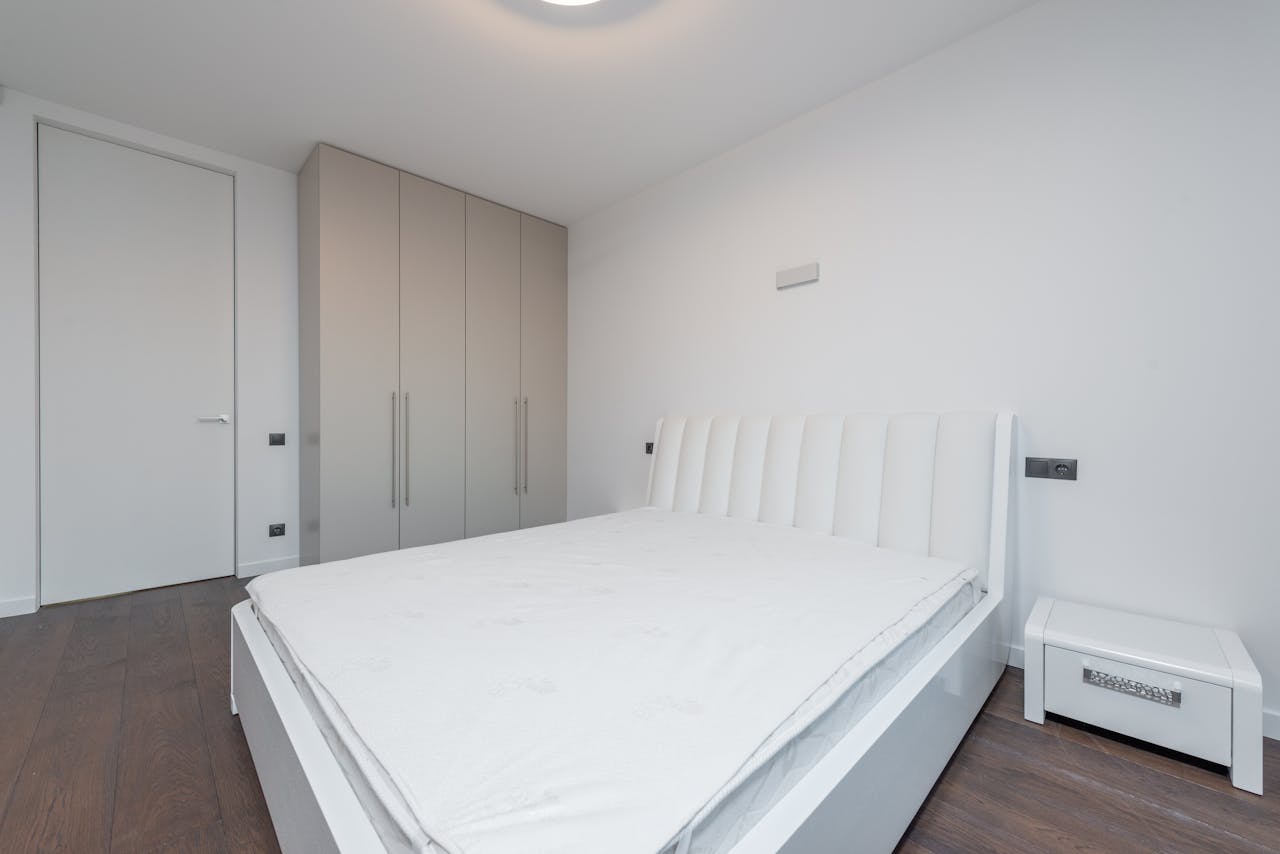
Another common myth is that decluttering means becoming a minimalist. While minimalism can be a useful tool for some people, it’s not a requirement for decluttering. Decluttering simply means removing the excess so that you can better appreciate and use what you have.
You can still have a fully stocked kitchen, a closet full of clothes you love, and a home filled with items that bring you joy. The key is to ensure that everything you own serves a purpose or brings you happiness. If it doesn’t, it might be time to let it go.
3. Decluttering is Expensive

Many people believe that decluttering will involve buying expensive storage solutions or hiring professional organizers. While these can certainly be helpful, they’re not necessary. In fact, one of the key principles of decluttering is to make do with less, not to buy more.
Instead of buying new storage, try to repurpose items you already have. For instance, you can use shoe boxes for storing small items or jars for organizing your pantry. Additionally, there are many free resources online, such as blogs and YouTube videos, that can guide you through the decluttering process step by step.
4. You Can Declutter in One Day

This myth is likely fueled by popular TV shows that depict entire houses being transformed in a matter of hours. While these shows can be inspiring, they’re not a realistic representation of the decluttering process. Decluttering takes time and patience.
In reality, decluttering is a gradual process that involves assessing each item you own and making a decision about whether to keep it, donate it, sell it, or throw it away. This takes time. Instead of trying to do it all in one day, set aside a specific amount of time each day or week for decluttering. This will make the process more manageable and less overwhelming.
5. Decluttering is Just About Getting Rid of Stuff

While decluttering certainly involves getting rid of unnecessary items, it’s about much more than that. At its core, decluttering is about creating a space that supports your goals, values, and well-being. It’s about making room for the things that truly matter to you.
When you declutter, you’re not just removing items from your space; you’re also making room for new opportunities and experiences. You’re creating a space where you can thrive. So, instead of focusing on what you’re losing, focus on what you’re gaining. This shift in mindset can make decluttering a much more positive and rewarding experience.
6. Decluttering is Wasteful

Some people avoid decluttering because they believe it’s wasteful to throw away perfectly good items. However, keeping items you don’t need or love isn’t saving them from waste; it’s just delaying it.
Instead of throwing away unwanted items, consider other options. Could you sell them, donate them, or give them to a friend? You could also look into recycling or upcycling options. Remember, decluttering isn’t about creating waste; it’s about finding the best home for each item, whether that’s with you or with someone else.
7. Decluttering Means Living with Less Comfort

Many people fear that decluttering will make their lives uncomfortable. They worry that they’ll miss the items they’ve let go or that they’ll have to live without certain luxuries. This is a misconception.
In reality, decluttering often leads to greater comfort. By removing unnecessary items, you create more room in your home for the things you truly love and use. This can make your space more functional, enjoyable, and comfortable.
8. Decluttering Requires Constant Maintenance

While it’s true that decluttering involves some maintenance, it doesn’t have to be a constant struggle. Once you’ve decluttered a space, it becomes much easier to keep it tidy.
One of the keys to maintaining a decluttered space is to be mindful of what you bring into it. Before purchasing a new item, ask yourself if it’s truly necessary and if it will add value to your life. By being more intentional about what you own, you can prevent clutter from accumulating in the first place.
9. Decluttering is Only for Messy People

This is a myth that needs to be debunked. Decluttering isn’t just for those living in chaos; it’s for anyone wanting to create a more organized, peaceful, and efficient space.
Even the tidiest people can benefit from decluttering. It’s not just about tidying up; it’s about eliminating unnecessary items and creating a space that supports your lifestyle and goals. So, regardless of how tidy or messy you are, decluttering can benefit you.
10. Decluttering Means Letting Go of Sentimental Items

Many people believe that decluttering means parting with sentimental items. However, this isn’t necessarily the case. While decluttering does involve letting go of unnecessary items, it doesn’t mean you have to part with things that hold sentimental value.
The key is to find a balance between keeping sentimental items and maintaining a clutter-free space. If an item brings you joy and you have room for it, keep it. If you’re keeping it out of guilt or obligation, consider letting it go.
11. You Have to Declutter Alone

While decluttering is often a personal journey, it doesn’t mean you have to do it alone. In fact, having support can make the process easier and more enjoyable.
You can declutter with a friend, a family member, or even hire a professional organizer. Sharing the process with someone else can provide motivation, accountability, and emotional support.
12. Decluttering is a One-Time Thing

Another common myth is that decluttering is a one-off event. However, decluttering is an ongoing process.
As our lives change, so do our needs and priorities. This means that the items we need and love may change over time. Regularly reassessing your belongings and decluttering as needed can help you maintain a clutter-free space.
13. Decluttering Will Cure All Your Problems

While decluttering can certainly improve your quality of life, it’s not a magic bullet. It won’t automatically solve all your problems or make you happy.
However, decluttering can provide a solid foundation for other positive changes. By creating a clutter-free space, you can reduce stress, improve focus, and make room for the things that truly matter to you.
14. You Need to Follow a Specific Method to Declutter

There’s no one-size-fits-all approach to decluttering. Different methods work for different people.
Some people may thrive with the KonMari method, while others may prefer the four-box method or the minimalist game. The key is to find a method that resonates with you and suits your lifestyle.
15. Decluttering is Only About Physical Objects

While decluttering often involves physical items, it’s not limited to them. You can also declutter your digital space, your schedule, and even your relationships.
Just like physical clutter, digital clutter and mental clutter can drain your energy and create stress. By decluttering these areas, you can create more space, time, and energy for the things that truly matter to you.
16. Decluttering Means You Can’t Collect Things

Many people avoid decluttering because they fear they’ll have to give up their collections. However, decluttering doesn’t mean you can’t have collections.
The key is to be intentional about what you collect and to ensure that your collections add value to your life. If your collections bring you joy and you have room for them, there’s no reason to give them up.
17. Decluttering is Just a Trend

While decluttering has certainly gained popularity in recent years, it’s not just a trend. In fact, the principles of decluttering have been around for centuries.
Decluttering is about more than just tidying up; it’s about creating a space that supports your lifestyle and goals. This is a timeless principle that will never go out of style.
18. Decluttering is Time-Consuming

While decluttering can certainly take time, it doesn’t have to consume your life. By breaking the process down into manageable chunks and setting aside specific times for decluttering, you can make the process more manageable.
Remember, decluttering is a journey, not a destination. It’s about progress, not perfection. So, don’t rush the process; take the time you need to declutter effectively.
19. Decluttering is Stressful

While decluttering can sometimes be challenging, it doesn’t have to be stressful. In fact, decluttering can actually reduce stress by creating a more organized, peaceful, and efficient space.
The key is to approach decluttering with the right mindset. Instead of viewing it as a chore, view it as an opportunity to create a space that supports your goals, values, and well-being. By shifting your perspective, you can turn decluttering into a positive and rewarding experience.