We all have been there, trapped in a home filled with stuff we don’t need or use, struggling to find the things we actually need. The truth is, clutter can have a profound impact on our mood and stress levels. Understanding why we accumulate so much stuff can be the first step towards decluttering and living a more organized, peaceful life.
In this post, we will delve into 19 reasons why you might be drowning in stuff and offer some practical solutions to help you regain control.
1. You’re Buying More Than You Need

One of the main reasons we end up with too much stuff is simply because we buy more than we need. There’s a thrill that comes with purchasing something new, whether it’s a novel gadget, a trendy piece of clothing, or even a new kitchen appliance. However, the excitement often fades away quickly, leaving us with items we don’t really use.
Consider practicing mindful shopping. Before you make a purchase, ask yourself if you really need the item and how often you’ll use it. This can help prevent impulse purchases and reduce the amount of unnecessary stuff in your home.
2. You’re Holding on to Things “Just in Case”

A lot of us keep things we don’t need or use “just in case” we need them in the future. This can lead to a lot of clutter, as we end up storing items we might never use again.
Try to be realistic about the likelihood of needing these items in the future. If it’s something that’s easily replaceable or that you haven’t used in years, it’s probably safe to get rid of it. Remember, the goal is to only keep things that serve a purpose in your life right now.
3. You’re Attached to Items for Sentimental Reasons

We often hold on to items because they have sentimental value. While it’s perfectly fine to keep a few special items, keeping everything can quickly lead to clutter.
Try to limit the number of sentimental items you keep. For example, instead of keeping all your child’s artwork, choose a few favorite pieces to save. You can also take photos of items before getting rid of them, so you can still look back on them without them taking up physical space.
4. You Don’t Have a Proper Organizational System

Without a proper organizational system, it’s easy to accumulate clutter. Items without a designated place end up scattered around the house.
Investing in storage solutions and creating an organizational system that works for you can go a long way in reducing clutter. Remember, it’s not just about buying storage containers. It’s about creating a system where every item has a designated place.
5. You’re Not Regularly Decluttering

Decluttering is not a one-time thing. To keep your home clutter-free, you need to regularly evaluate what you have and get rid of items that are no longer serving you.
Make decluttering a habit. You can set aside a few minutes each day or a few hours each month to go through your stuff and decide what to keep and what to get rid of.
6. You’re Not Making Use of Vertical Space

When it comes to storage, many of us only think horizontally, neglecting the vertical space in our homes. This can lead to clutter, especially in small spaces.
Making use of vertical space can significantly increase your storage capacity. Consider installing shelves, using stackable storage containers, or investing in furniture that has built-in storage.
7. You’re Not Making Use of Digital Solutions
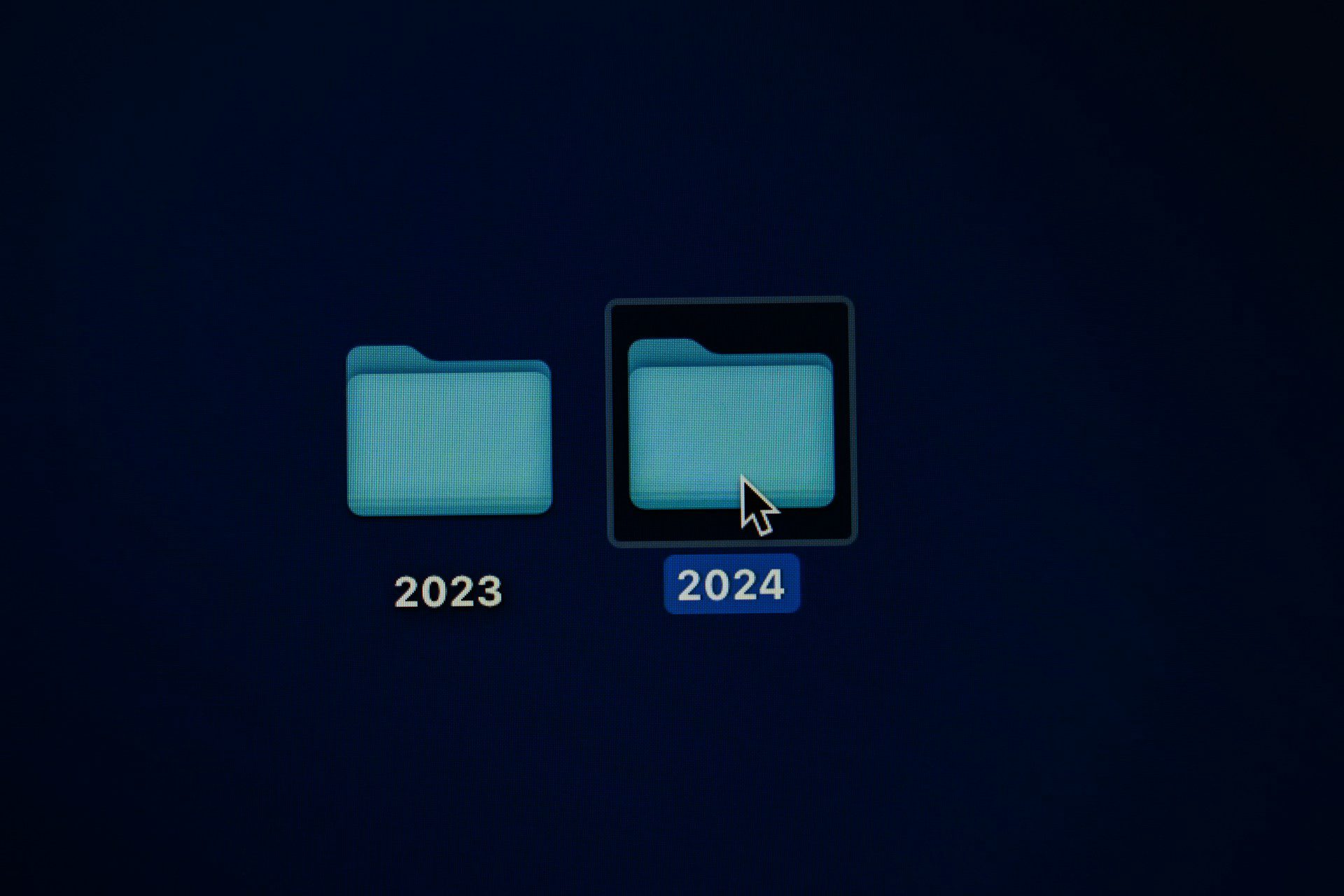
In the digital age, there’s no need to keep physical copies of everything. Yet many of us still do, leading to piles of paper and other clutter.
Consider going digital. You can digitize documents, photos, and other items, reducing the need for physical storage. Plus, digital items are often easier to organize and find when you need them.
8. You’re Not Utilizing The One In, One Out Rule

If you’re constantly bringing new items into your home without getting rid of anything, it’s easy to end up with too much stuff.
The one in, one out rule can help prevent this. The rule is simple: for every new item you bring into your home, get rid of an old one. This can help keep your stuff in check and prevent clutter from building up.
9. You’re Keeping Unfinished Projects

Unfinished projects can take up a lot of space and add to the sense of clutter in your home.
Instead of keeping all your unfinished projects, try to focus on one or two at a time. Once you finish a project, you can start a new one. This can help keep your space more organized and reduce the amount of clutter.
10. You’re Keeping Items Out of Guilt

Sometimes we keep items not because we need or love them, but because we feel guilty getting rid of them. This could be a gift from someone, or an item you spent a lot of money on but never use.
Try to remember that the value of an item is not determined by how much you paid for it or who gave it to you. If an item is not serving you, it’s okay to let it go.
11. You’re Not Asking for Help

Decluttering can be a daunting task, especially if you have a lot of stuff. Sometimes, it can be helpful to ask for help.
You can enlist the help of a friend or family member, or even hire a professional organizer. Having someone else there can make the process less overwhelming and more enjoyable.
12. You’re Not Donating or Selling Unwanted Items

Many of us have items we no longer want or need, but we keep them because we don’t know what to do with them.
Consider donating or selling unwanted items. Not only does this clear out space in your home, but it can also benefit others.
13. You’re Buying in Bulk

Buying in bulk can save money, but it can also lead to clutter if you’re not careful.
If you’re going to buy in bulk, make sure you have a plan for how you’re going to store the items and that you’re going to use all of them before they expire.
14. You’re Not Setting Limits

Without limits, it’s easy to accumulate too much stuff. This can be especially true with items like books, clothes, and collectibles.
Setting limits can help prevent this. For example, you could decide to only have enough clothes to fill your closet, or to only keep the books that fit on your bookshelf.
15. You’re Not Taking Advantage of Multi-Purpose Items
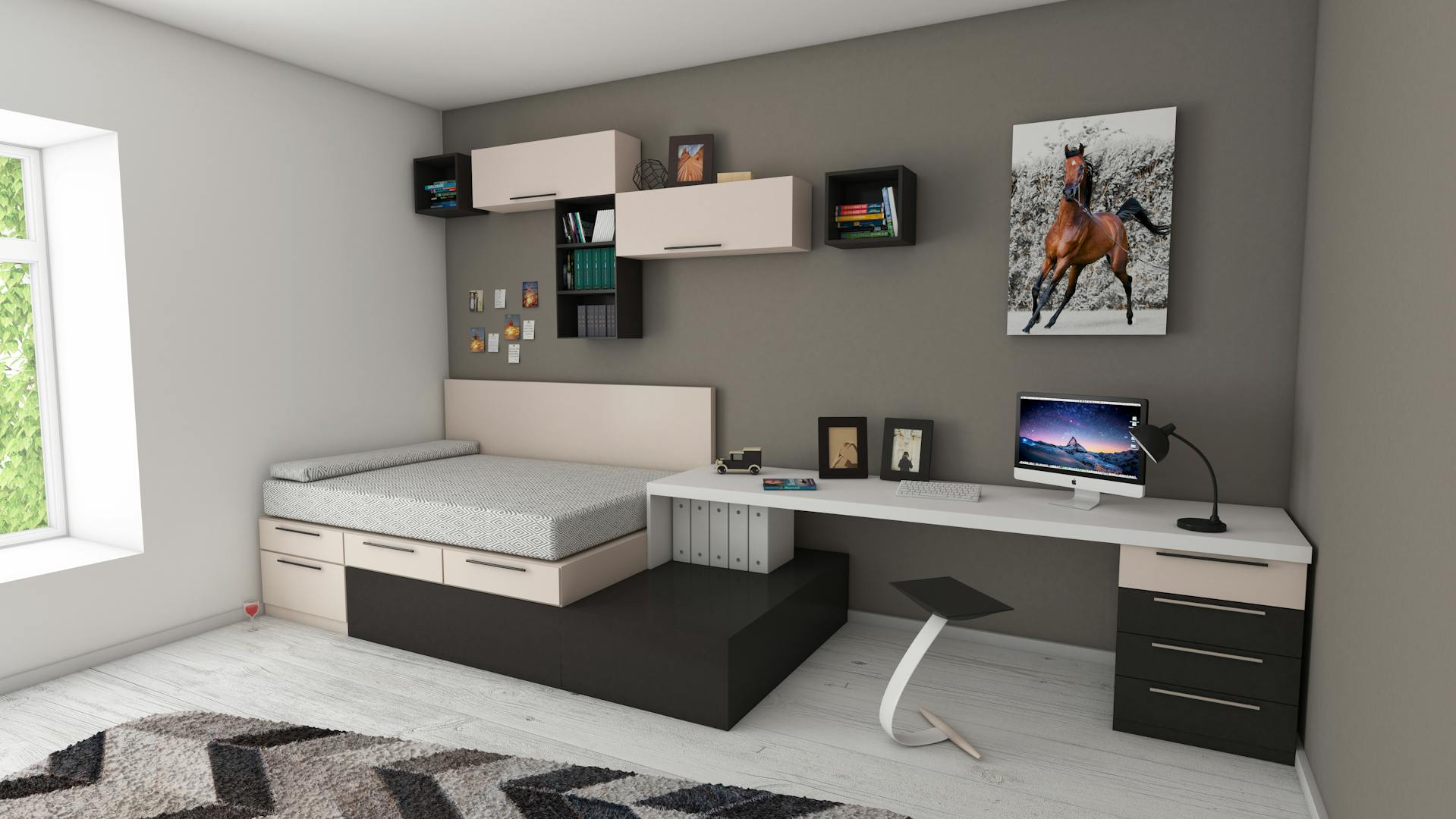
Multi-purpose items are great for reducing clutter, as they serve multiple functions in one item.
Consider investing in multi-purpose items whenever possible. For example, a bed with built-in storage can eliminate the need for a separate dresser, or a kitchen gadget that can perform multiple functions can replace several single-use items.
16. You’re Not Using a Wish List

Without a wish list, it’s easy to make impulse purchases that lead to clutter.
Using a wish list can help prevent this. Whenever you see something you want, instead of buying it right away, add it to your wish list. Then, wait a few days or weeks. If you still want the item after that time, consider buying it.
17. You’re Not Using a Filing System

Without a filing system, papers can quickly pile up and create clutter.
A simple filing system can help keep your documents organized and easy to find. Consider investing in a filing cabinet or even just some file folders to keep your papers in order.
18. You’re Not Breaking Down Big Tasks into Smaller Ones

Decluttering can be a big job, and it can be easy to get overwhelmed and give up.
Breaking down big tasks into smaller ones can make the job more manageable. Instead of trying to declutter your entire house in one day, focus on one room or even just one drawer at a time.
19. You’re Not Making Decluttering a Priority

Like anything else, if you don’t make decluttering a priority, it’s unlikely to happen.
Try to set aside regular time for decluttering. Even if it’s just a few minutes a day, this can make a big difference in keeping your home clutter-free.