Life can get messy, both literally and figuratively. Whether it’s a cluttered desk, an overflowing closet, or a to-do list that’s longer than a novel, disorganization can lead to stress, distraction, and reduced productivity. But fear not! There are ways to bring order to the chaos without feeling overwhelmed. Here are 19 easy and stress-free strategies to organize your life, your spaces, and your mind.
1. Start Small

When decluttering or organizing, it’s easy to get overwhelmed by the sheer volume of work in front of you. Instead of tackling everything at once, start small. Choose one drawer, one shelf, or one corner of a room and start there.
By focusing on a small, manageable area, you reduce the likelihood of feeling overwhelmed. It also gives you the satisfaction of seeing immediate results, which can motivate you to continue. For example, start by organizing your desk drawer. Once you’ve finished, you’ll have a clean, organized space that can boost your productivity and reduce stress.
2. Use Storage Boxes

Storage boxes are your best friends when it comes to organization. They not only help to declutter and tidy up spaces but also add an aesthetic appeal to your surroundings.
Invest in some attractive storage boxes that match your decor. Use these boxes to store items that are not in use. For example, you can use a box to store your winter clothes during summer. Or use smaller boxes to organize your stationery, makeup, or kitchen utensils. Remember, out of sight is out of mind. Stowing away items you don’t use regularly can create a cleaner, less cluttered environment.
3. Create a Daily To-Do List

To-do lists are a simple and effective way to organize your tasks and ensure that nothing important gets overlooked. However, a long, never-ending to-do list can be intimidating and cause stress. To avoid this, try creating a daily to-do list with a manageable number of tasks.
Each morning, or the night before, write down the tasks you want to accomplish the next day. Prioritize them based on their urgency and importance. This approach helps you focus on one day at a time, making your to-do list less daunting. It also gives you the satisfaction of crossing off tasks as you complete them, providing a sense of progress and accomplishment.
4. Use a Planner or Digital Calendar

In today’s fast-paced world, keeping track of appointments, deadlines, birthdays, and other important dates can be challenging. A planner or digital calendar can be a lifesaver in these situations.
Whether you prefer a traditional paper planner or a digital one, the key is to use it consistently. Write down important dates and appointments as soon as you learn about them. Set reminders for important deadlines. Review your calendar at the start of each week to get a sense of what’s coming up. This practice can help prevent last-minute surprises and reduce stress.
5. Declutter Regularly
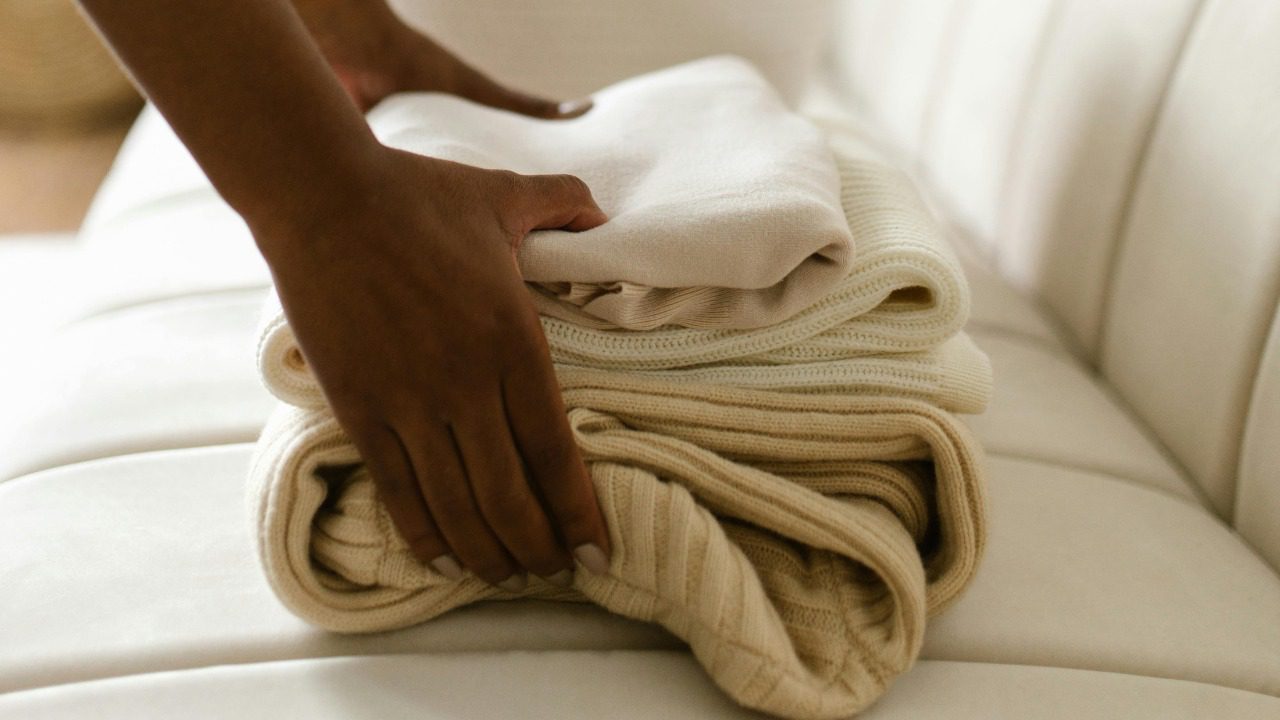
Decluttering is not a one-time job. To maintain an organized space, it’s important to declutter regularly. This could be once a week, once a month, or whatever frequency works for you.
Regular decluttering prevents items from accumulating and becoming overwhelming. It’s also a chance to reassess your belongings and decide what you really need and what you can let go of. For instance, as you declutter your closet, you might find clothes you haven’t worn in a year. This could be a sign that it’s time to donate or sell them.
6. Label Everything

Labels are a great way to keep things organized and easy to find. You can label storage boxes, folders, jars, and just about anything else.
With a label maker or even just a pen and sticky notes, you can create labels for your belongings. This makes it easy to find what you need when you need it, saving you time and reducing stress. For example, if you have a box labeled “Christmas Decorations,” you’ll know exactly where to look when December rolls around.
7. Use Multifunctional Furniture
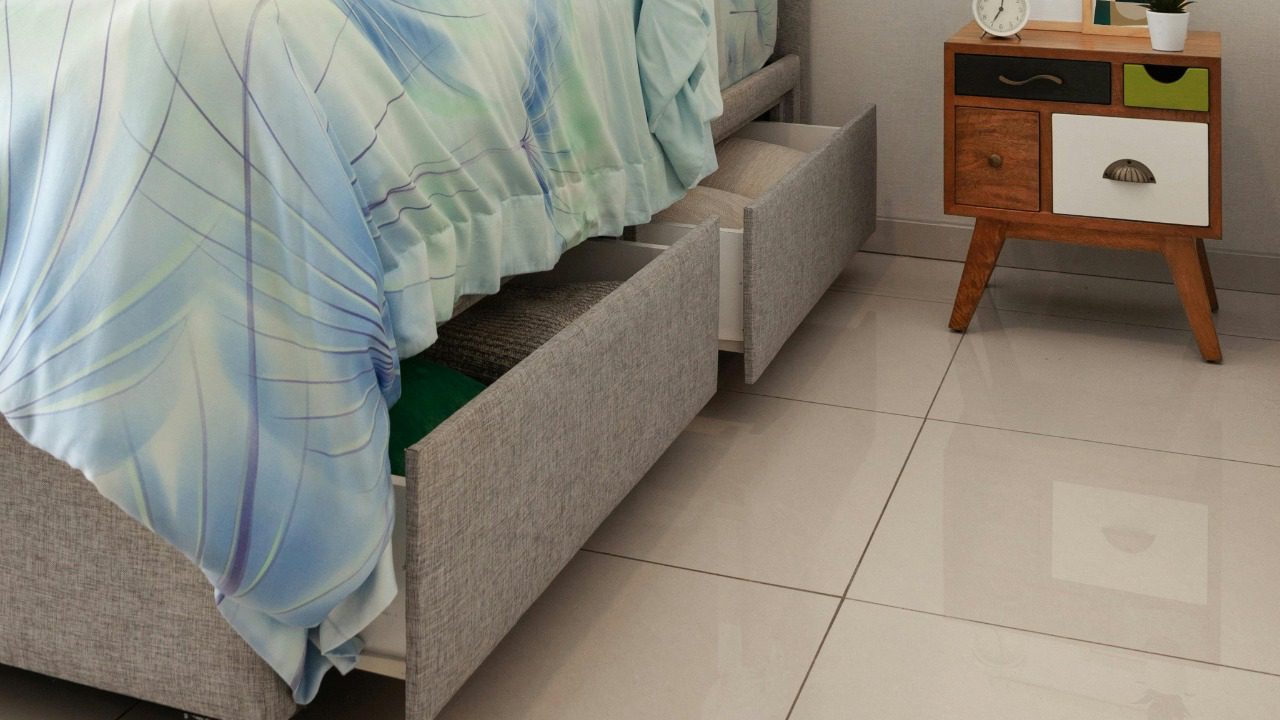
If you’re short on space, multifunctional furniture can be a game-changer. These pieces serve multiple purposes, helping you save space and stay organized.
For example, a bed with built-in drawers can provide storage for clothes or linens. A coffee table with shelves or compartments can store books, remotes, or other small items. By choosing furniture that doubles as storage, you can reduce clutter and make the most of your space.
8. Assign a Home for Every Item
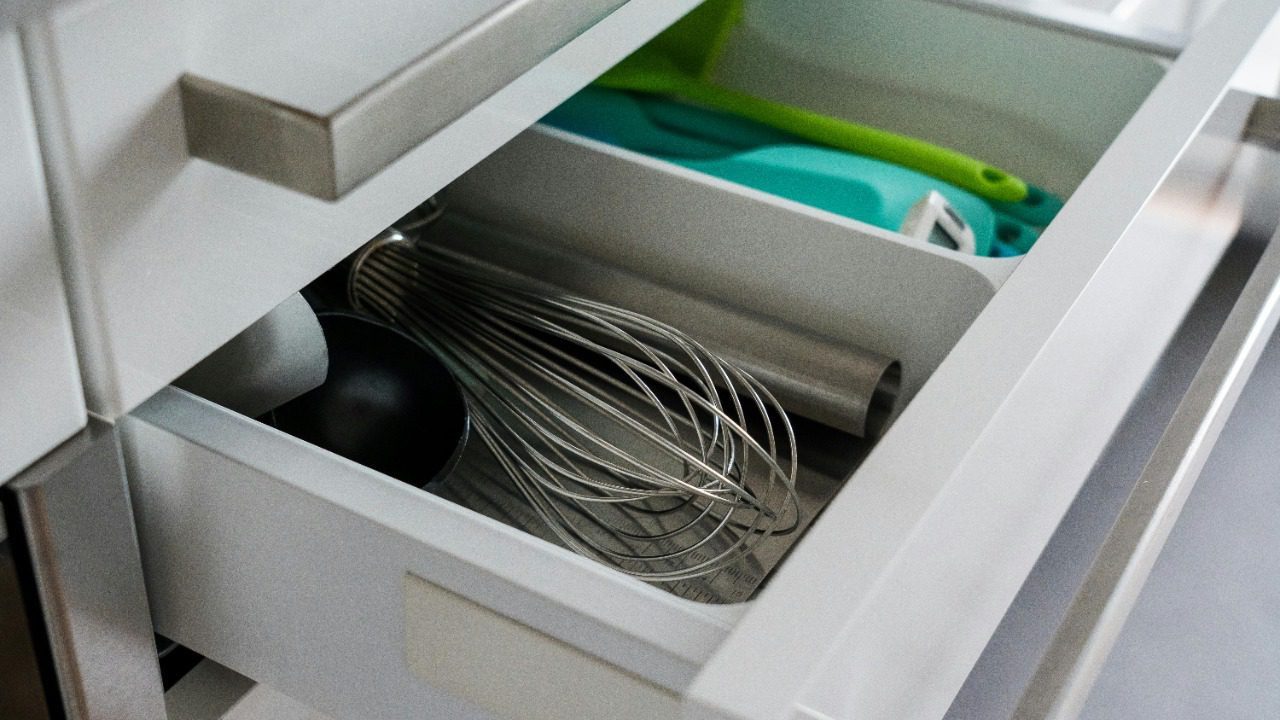
One of the keys to staying organized is to have a designated place for everything. When every item has a home, it’s easier to put things away and find them later.
Take the time to decide where each of your belongings should live. This could be as simple as deciding that keys always go on a hook by the door or that the remote control always goes on the coffee table. Once you’ve assigned a home for an item, make a habit of always returning it to its place.
9. Utilize Wall Space

When organizing, don’t forget about your vertical space. Walls can be used for storage, freeing up floor space and reducing clutter.
There are many ways to use wall space for storage. Install shelves to display books or decorations. Use hooks to hang coats, bags, or jewelry. Hang a pegboard in the kitchen to store pots and pans. By making good use of your wall space, you can create an organized and visually pleasing environment.
10. Keep a Donation Box

Charitable giving is a wonderful way to declutter and help others at the same time. Keep a donation box in a convenient location and add to it regularly.
Whenever you come across an item you no longer need or want, put it in the donation box. When the box is full, take it to a local charity shop or schedule a pickup. This habit can keep clutter at bay and make you feel good about helping others.
11. Use Apps and Tech Tools

In today’s digital age, there are countless apps and tools designed to help you stay organized. These can be particularly useful for managing tasks, schedules, and digital files.
Apps like Evernote, Google Keep, or Trello can help you track tasks and deadlines. Cloud storage services like Google Drive or Dropbox can keep your digital files organized and accessible from anywhere. Explore different tools and find ones that fit your needs and lifestyle.
12. Organize Your Digital Life

Just like physical spaces, digital spaces can become cluttered and disorganized. Regularly tidying up your digital life can reduce stress and increase productivity.
This might involve organizing your emails into folders, decluttering your desktop, or deleting old files and apps you no longer use. Just like with physical decluttering, start small. You might begin by clearing out your email inbox or organizing your desktop icons.
13. Make Use of Dead Space
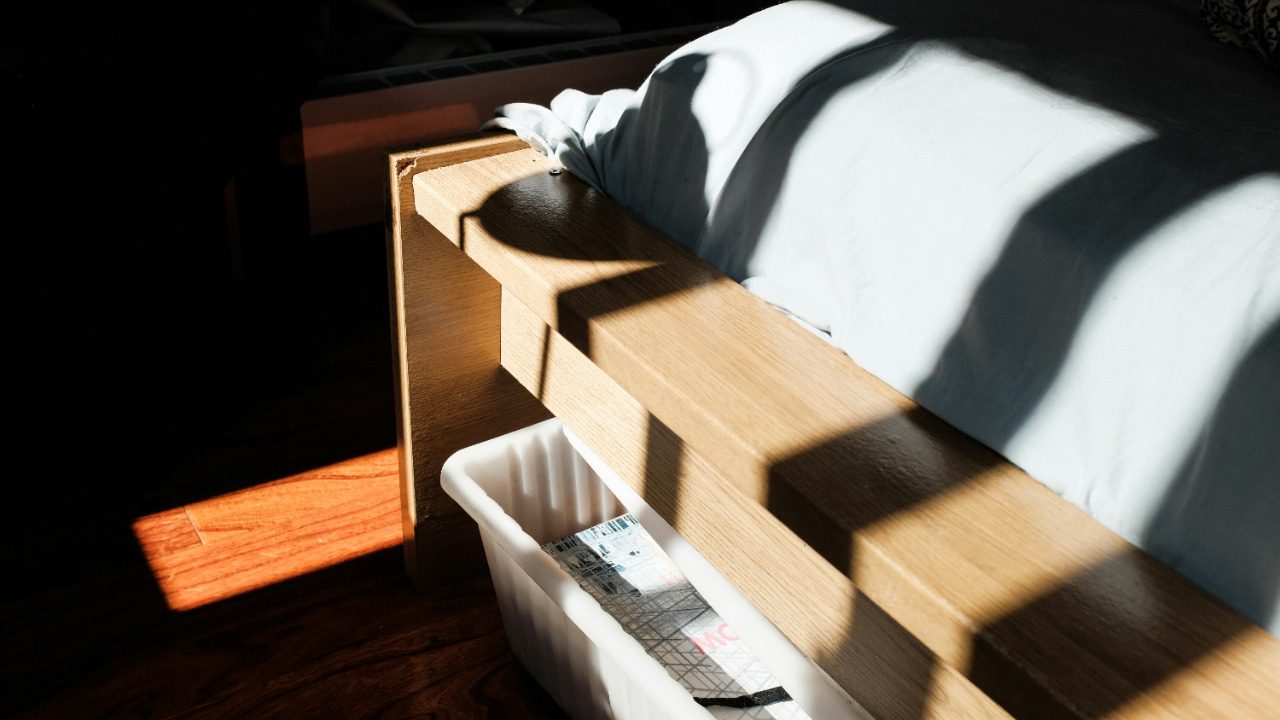
In any home or office, there are often underutilized spaces that can be used for storage or organization. These might include the backs of doors, under beds, or corners of rooms.
Consider how you might use these spaces to stay organized. For example, you could hang a shoe organizer on the back of a door to store cleaning supplies. Or you could use under-bed storage boxes for out-of-season clothing. By making use of dead space, you can maximize your storage and keep your living areas tidy.
14. Create a Routine

Routines can be a powerful tool for staying organized. By establishing and sticking to a routine, you can ensure that important tasks get done and that your spaces stay neat and tidy.
Your routine might involve doing a quick tidy-up each evening, spending 15 minutes a day decluttering, or doing a deep clean every weekend. Whatever your routine looks like, consistency is key. Over time, these tasks will become habits, making them feel less like chores and more like a normal part of your day.
15. Get Rid of Duplicates

If you find that you have duplicates of the same item, consider whether you really need both. In many cases, one is enough.
Getting rid of duplicates can free up space and reduce clutter. This might involve donating duplicate kitchen utensils, selling extra furniture, or recycling extra copies of documents. Remember, less is often more when it comes to organization.
16. Go Paperless

In our digital age, paper can often be unnecessary clutter. Going paperless can help reduce this clutter and make organization easier.
Consider signing up for electronic bills and statements. Scan important documents and store them digitally. Use note-taking apps instead of physical notebooks. Not only will going paperless help you stay organized, it’s also better for the environment.
17. Do a Little Each Day

Staying organized doesn’t have to involve large chunks of time. In fact, doing a little bit each day can often be more effective.
Try setting aside just 10 or 15 minutes a day for organization. This could involve tidying up a space, decluttering a drawer, or planning the next day’s tasks. By doing a small amount each day, you can make progress without feeling overwhelmed.
18. Use Baskets for Loose Items

Baskets can be a handy tool for corralling loose items and reducing clutter. They can also add a decorative element to your spaces.
Use baskets to store things like toys, scarves, or bathroom supplies. Choose baskets that fit your decor and the size of your items. By using baskets, you can keep your items organized and easy to find, while also adding a stylish touch to your space.
19. Ask for Help
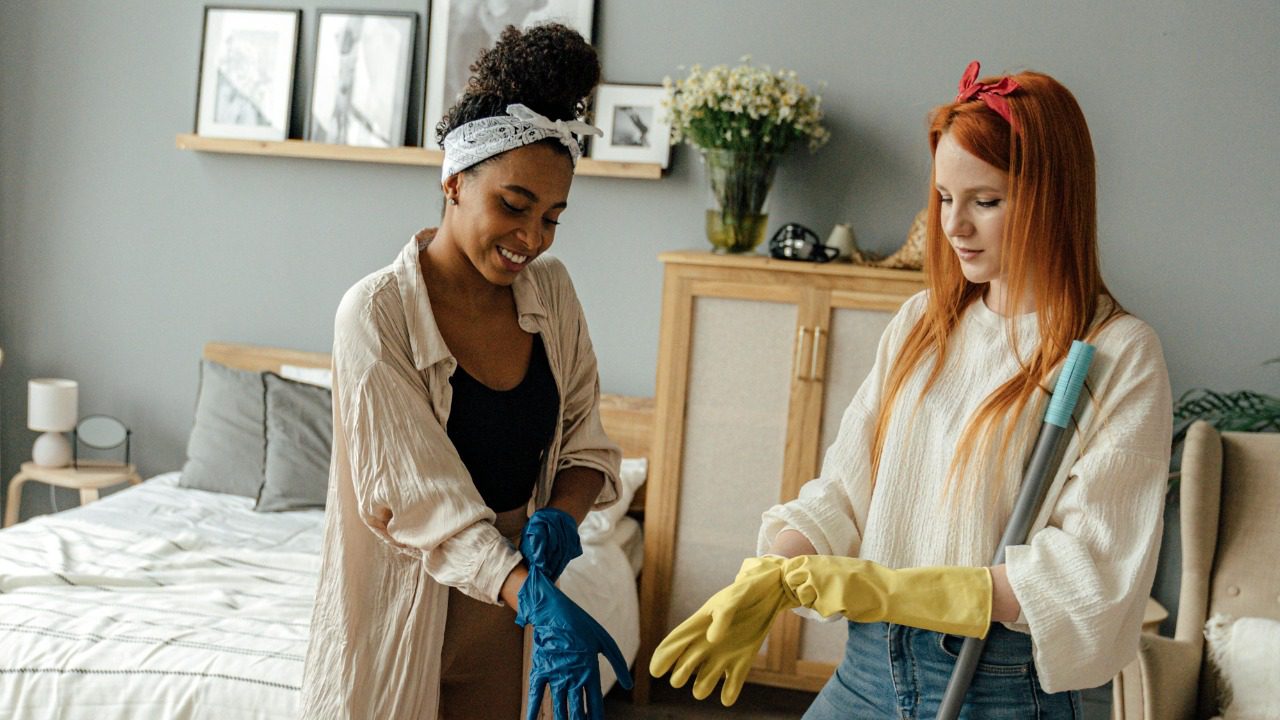
Finally, remember that you don’t have to do it all alone. If you’re feeling overwhelmed by the task of organizing, don’t hesitate to ask for help.
This could involve hiring a professional organizer, asking a friend or family member to lend a hand, or even just seeking advice online. Sometimes, a fresh perspective can make all the difference. Plus, having someone else involved can make the process more enjoyable and less stressful.