Over a full decade, from 2013 through 2022, 198 children age 18 and under died in school-transportation-related crashes — and according to National Highway Traffic Safety Administration data, most of them weren’t riding the bus at all. Only 18% of those child deaths involved a school bus occupant. The rest happened to kids who were pedestrians, kids riding in other vehicles, and a smaller number on bikes or personal devices like scooters — a breakdown that flips the usual back-to-school safety message almost entirely on its head.

The Number That Flips the Script
School-transportation-related crashes killed more than 1,000 people of all ages over that ten-year span, NHTSA’s data shows, with 198 of those deaths being children 18 and younger. The instinct in most households is to worry about the bus itself — the big yellow vehicle carrying dozens of kids at once feels like the obvious danger point. But NHTSA’s own breakdown of those 198 child deaths tells a different story: just 18%, or roughly 36 children, died as occupants riding inside a school bus.
Where the Other 82% Died
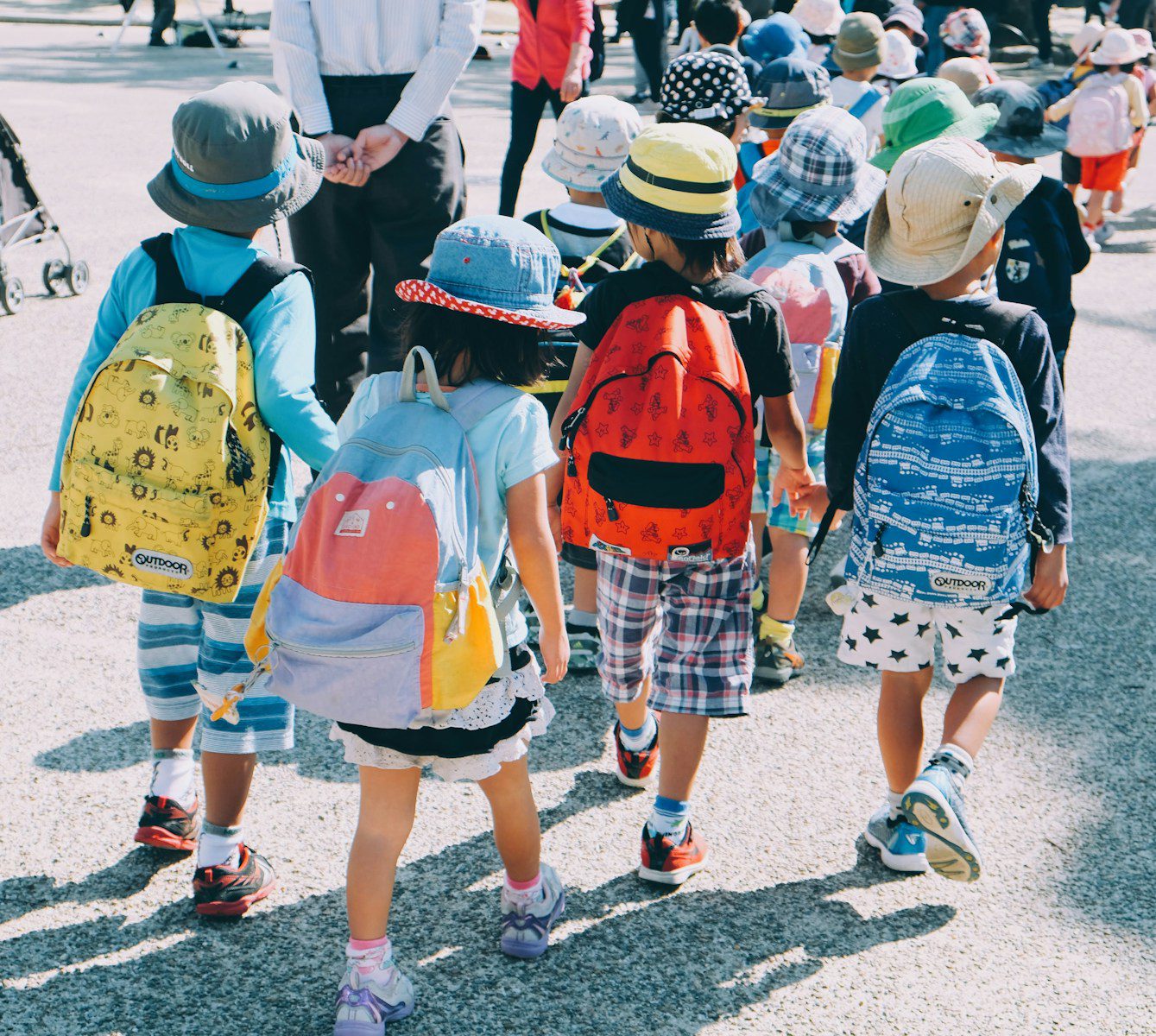
The two largest categories in NHTSA’s data aren’t about the bus ride at all. Forty percent of the child deaths — an estimated 79 children — were occupants of other vehicles involved in school-transportation-related crashes, meaning kids riding in a family car, not a bus, when a crash tied to the school commute happened. Another 38%, or roughly 75 children, were pedestrians. Bicyclists accounted for 3% of the deaths, and children using personal conveyances like skateboards or scooters made up about 1%. Combined, pedestrians and vehicle occupants outside the bus account for roughly four out of every five child deaths in the data set — nearly the exact inverse of where most parental anxiety about school transportation tends to focus.
Why “Watch for the Bus” Undersells the Actual Risk
None of this means school buses are unsafe — federal data has long shown that riding an actual school bus is one of the safest ways for a child to get to school, precisely because buses are built and regulated with that in mind. What NHTSA’s decade of data actually shows is that the danger isn’t concentrated on the bus ride itself; it’s concentrated in the minutes around it, and in the ordinary act of a family car making the same commute at the same congested hour as every school bus, crossing guard, and kid on foot in the neighborhood. A driver distracted or in a hurry near a school zone is a bigger statistical threat to a child than a bus rollover, based on the pattern in this data, even though the bus is what gets the safety-campaign attention.
What the Safety Guidance Actually Targets
NHTSA’s own back-to-school guidance reflects that reality more than the “watch for the bus” framing suggests. The agency’s recommendations focus heavily on driver behavior around pedestrians and other vehicles: obeying posted speed limits in school zones, yielding to pedestrians at crosswalks and intersections, and never passing a stopped school bus that has its lights flashing. Those instructions are aimed less at bus mechanics and more at the exact two categories — pedestrians and other-vehicle occupants — where the data shows the deaths are actually concentrated.
What Parents Can Actually Do Differently
Given where the risk really sits, the highest-leverage safety conversations for most families may have little to do with the bus at all. Practicing an actual walking or biking route with a child, rather than assuming they’ll figure out a crosswalk on their own, addresses the 38% pedestrian category directly. Slowing down and staying off the phone during the school-zone commute in a personal car addresses the 40% category of other-vehicle occupants — many of whom are, statistically, other families’ kids being driven to the same school. Both categories dwarf the bus-occupant share of these deaths, even though the bus remains the symbol most closely associated with school transportation risk.
The Pattern Underneath the Numbers
Ten years and 198 deaths is a large enough sample to say something with confidence: the danger in school transportation was never mainly about what happens inside the bus. It’s about the ordinary, unremarkable minutes before and after it — a crosswalk, a school-zone speed limit, a car full of siblings running late — where the vast majority of these deaths actually occurred. Reallocating some of the annual “watch for the bus” energy toward pedestrian safety and driver behavior around school zones isn’t a minor tweak to the message; based on NHTSA’s own numbers, it’s aimed at where four out of five of these deaths are actually happening.