Every mom knows the struggle of maintaining a neat and organized home. With kids running around, it can feel like a never-ending cycle of cleaning, only to turn around and find a new mess to tackle. Yet, decluttering is essential not just for the aesthetics of your home, but for your peace of mind as well.
Unfortunately, even with the best intentions, we often make mistakes that hinder our decluttering efforts. Let’s explore 20 common decluttering fails moms often make and how to avoid them.
1. Trying to Do Everything at Once

One of the most common mistakes moms make when decluttering is attempting to tackle everything at once. This approach can quickly lead to burnout and a sense of being overwhelmed. Instead of trying to declutter your entire house in one day, break it down into manageable tasks. For example, focus on one room or even one drawer or closet at a time. This method not only makes the task more manageable but also allows you to see progress, which can motivate you to keep going.
Decluttering is not a sprint, it’s a marathon. Take your time, pace yourself, and remember that it’s okay to take breaks. It’s better to declutter a small space thoroughly than to rush through a larger area and miss items that should have been culled.
2. Not Involving the Kids
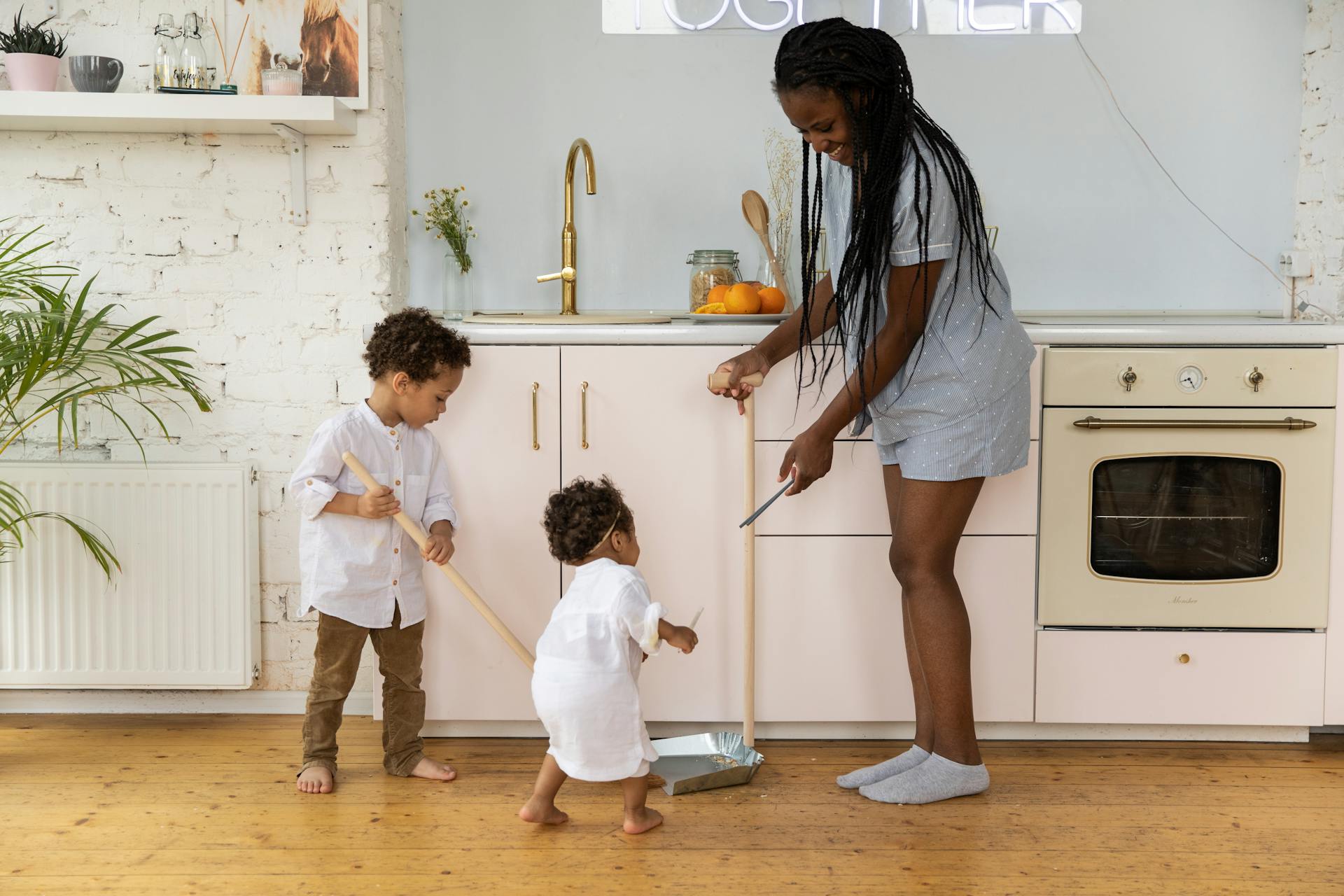
Another mistake moms often make is not involving their kids in the decluttering process. While it may seem easier to declutter while they are at school or sleeping, it’s important to teach them the importance of organization and decluttering. Plus, kids are more likely to keep their spaces clean if they played a role in decluttering and organizing.
Start small by involving them in decluttering their own rooms. Make it a game to see who can find the most toys they no longer play with, or clothes they’ve outgrown. This not only takes some of the burden off you, but it also teaches your kids essential life skills.
3. Holding Onto Items For ‘Just in Case’

This is a trap many of us fall into. We hold onto items we don’t need or use because we think we might need them ‘someday.’ Unfortunately, this mentality leads to clutter. A good rule of thumb is if you haven’t used the item in the past year, it’s time to let it go.
Of course, there are exceptions to this rule, such as seasonal items or keepsakes. But for the most part, try to adopt the mindset of only keeping what you use and love. This will help you declutter and maintain a more organized home.
4. Not Having a Plan

Decluttering without a plan is like going on a road trip without a map. It’s easy to get overwhelmed and lose your way. Before you begin decluttering, make a plan. Decide what areas you want to tackle, and in what order.
Having a plan also allows you to schedule decluttering sessions into your day. This way, you can ensure you have enough time to complete the task without feeling rushed. Remember, decluttering is not a race. It’s about making your home a more organized and peaceful space.
5. Buying Storage Solutions Before Decluttering

Many moms make the mistake of buying storage solutions before they start decluttering. While it may seem like a good idea to have bins and boxes ready to go, it can actually hinder your progress. You may end up filling these storage solutions with items you don’t need, just because you have the space.
Before you buy any storage solutions, declutter first. Once you know exactly what you’re keeping, you can buy storage solutions that fit your needs. This will save you money and prevent you from creating more clutter.
6. Not Having a Designated Place for Everything

One of the keys to maintaining a decluttered home is having a designated place for everything. When items don’t have a home, they end up cluttered around the house. Make sure every item in your home has a designated spot. This makes cleaning up easier and prevents clutter from building up.
If you find that an item doesn’t have a home, consider if it’s something you really need. If it is, find a place for it. If not, it may be time to let it go.
7. Letting Sentimentality Get in the Way

It’s easy to hold onto items because of sentimental value. However, this can quickly lead to clutter. While it’s okay to keep some sentimental items, try to limit what you hold onto. Remember, it’s the memories that are important, not the physical objects.
If you’re struggling to let go of sentimental items, consider taking a photo of them. This way, you can keep the memory without the clutter.
8. Not Decluttering Regularly

Decluttering is not a one-time event. It’s a continuous process. Make a habit of decluttering regularly. This could be once a week, once a month, or once a season. Find what works best for you and stick with it.
Regular decluttering not only helps to maintain a tidy home but also makes the task less daunting. Instead of facing a mountain of clutter, you’re dealing with a small pile.
9. Not Donating or Selling Unwanted Items Immediately

Once you’ve decided to get rid of an item, do so immediately. Don’t let unwanted items sit around your home. Donate them, sell them, or throw them away as soon as possible.
By getting rid of unwanted items immediately, you’re reducing the chance of them finding their way back into your home. This also helps to create a sense of accomplishment and motivates you to continue decluttering.
10. Not Prioritizing

When decluttering, it’s important to prioritize. Not all clutter is created equal. Focus on areas that are most important to you or cause you the most stress.
By prioritizing, you’re able to make a significant impact on your home’s clutter quickly. This can motivate you to continue decluttering and make the process less overwhelming.
11. Keeping Items That Don’t Fit or Are Out of Style

Many moms hold onto clothes that no longer fit or are out of style. While it’s tempting to keep these items in the hopes that you’ll wear them again, they’re likely just taking up space.
Be honest with yourself about what you will actually wear. If it doesn’t fit or you don’t feel good in it, let it go. Your wardrobe should be filled with items you love and feel good in.
12. Trying to Declutter When You’re Tired or Stressed

Decluttering requires mental energy. Trying to declutter when you’re tired or stressed can lead to poor decisions and frustration. Try to schedule your decluttering sessions for when you’re feeling energized and focused.
Remember, it’s okay to take breaks. If you’re feeling overwhelmed, step away and come back to it later.
13. Keeping Unfinished Projects

Many moms hold onto unfinished projects with the intention of completing them someday. However, these items often just take up space and add to the clutter.
Be honest with yourself about what projects you will actually complete. If you’ve been holding onto an unfinished project for years, it may be time to let it go.
14. Not Asking for Help

Decluttering can be a big job. Don’t be afraid to ask for help. Whether it’s from family members or professional organizers, getting help can make the process easier and more efficient.
Remember, it’s okay to ask for help. Decluttering can be a daunting task, but you don’t have to do it alone.
15. Not Setting Realistic Goals

When decluttering, it’s important to set realistic goals. While it would be nice to have a completely decluttered home in a day, that’s not likely to happen. Instead, set small, achievable goals. This can help keep you motivated and prevent you from feeling overwhelmed.
Remember, decluttering is a process. Take it one step at a time and celebrate small victories along the way.
16. Keeping Items Out of Guilt

Many moms hold onto items out of guilt. Maybe it was a gift from a loved one or an expensive purchase that you never use. However, keeping items out of guilt only adds to the clutter.
Remember, the value of an item is not determined by its price tag or who gave it to you. If it’s not adding value to your life, it’s okay to let it go.
17. Not Being Consistent

Consistency is key when decluttering. It’s not enough to declutter once and then forget about it. Make decluttering a regular part of your routine.
By being consistent, you can keep your home clutter-free and make decluttering a habit rather than a chore.
18. Not Teaching Kids to Declutter Their Own Spaces

While it’s important to involve kids in the decluttering process, it’s also important to teach them to declutter their own spaces. This not only lightens your load but also teaches them valuable skills.
Start by teaching them to put away their toys after playtime. As they get older, they can take on more responsibility for decluttering their own rooms.
19. Keeping Items That Are Broken or Missing Pieces

Many moms hold onto items that are broken or missing pieces with the intention of fixing them. However, these items often end up taking up space and adding to the clutter.
If an item is broken or missing pieces and you haven’t fixed it within a reasonable timeframe, it’s time to let it go.
20. Not Taking Before and After Photos

Taking before and after photos can be a great motivator when decluttering. It allows you to see your progress and keep track of what you’ve achieved.
Not only are these photos a great motivator, but they can also be a helpful reference. If you ever feel like your home is getting cluttered again, you can look back at these photos to see what a difference decluttering can make.