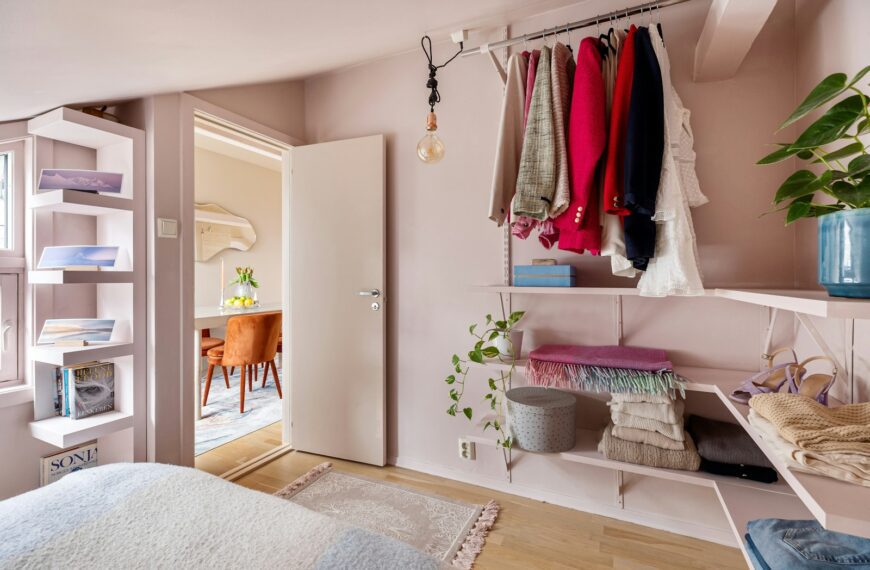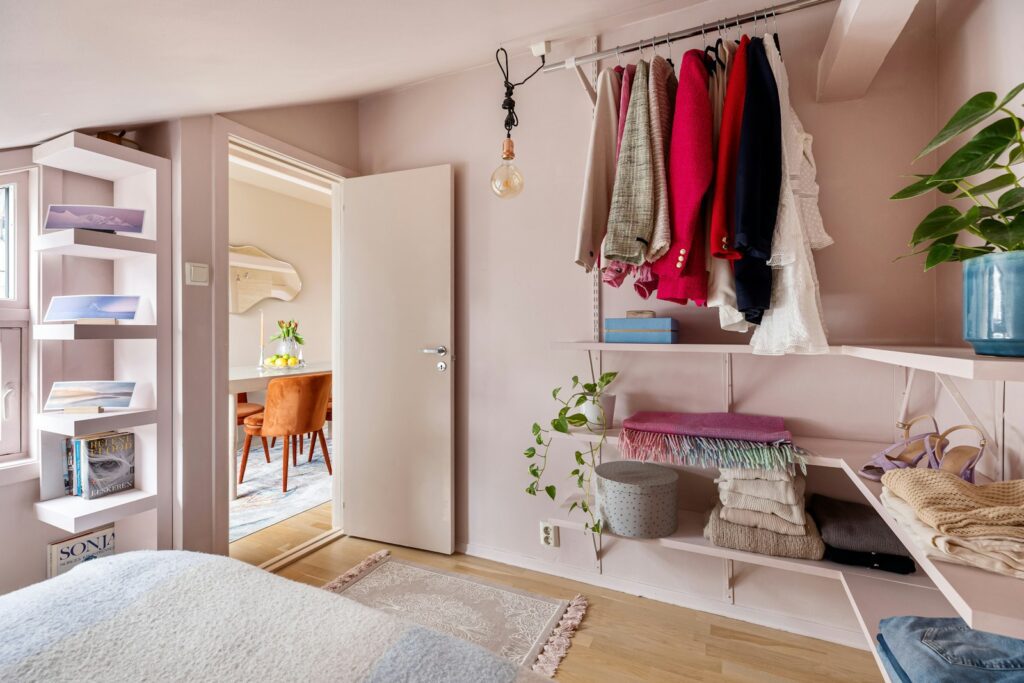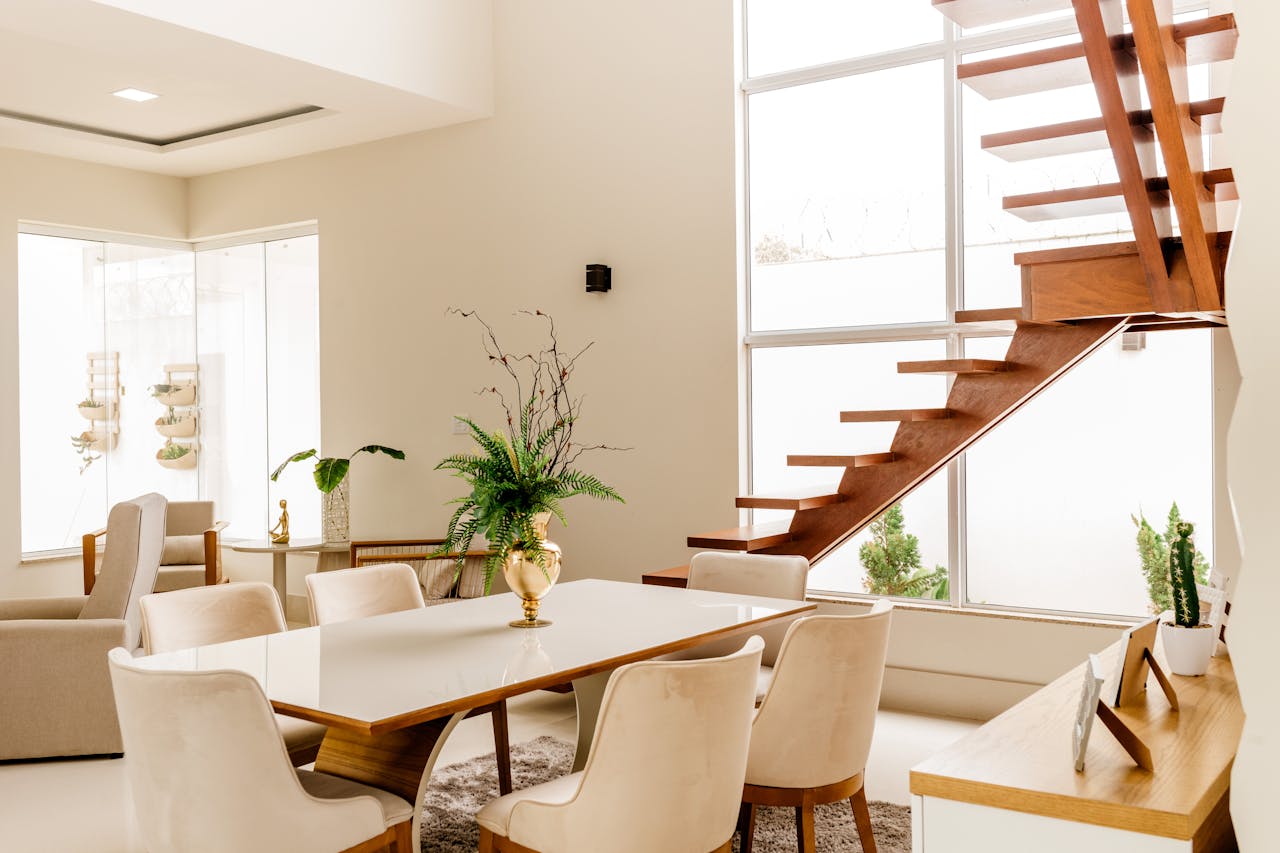
When a designer steps into a home, they notice details that most people might overlook. These observations help them understand the space’s flow, function, and style.
Knowing what designers look for can give you insight into how your home is perceived and how small changes might improve its overall feel. Paying attention to these elements can help you create a space that feels welcoming and well put together.
Lighting quality and placement

When you walk into a home, the lighting is one of the first things designers notice. Good lighting helps define the space and sets the mood.
You want a mix of natural light and well-placed fixtures. Avoid harsh overhead lights that create glare or shadows.
Task lighting is important too. It makes everyday activities easier and adds comfort. Proper lighting can make your home feel both welcoming and functional.
Room scent upon entry

When you walk into a home, the first thing you might notice is the scent. It sets the mood and can make the space feel welcoming or off-putting.
Designers pay close attention to this because smell is one of the strongest triggers for memory and emotion. A fresh, clean scent often signals good care.
If your home has a distinct or unpleasant odor, it can distract from the overall design. Using subtle fragrances or natural air circulation helps create a positive first impression.
Overall cleanliness and organization

When you keep your home clean and organized, it immediately makes a good impression. Designers quickly notice how tidy your spaces are and how well everything fits together.
Clutter can distract from your design choices. Keeping surfaces clear and items in their place helps your home feel inviting and calm.
A clean home also shows you care about your space. Small details like spotless floors and dust-free shelves don’t go unnoticed.
Wall color and texture
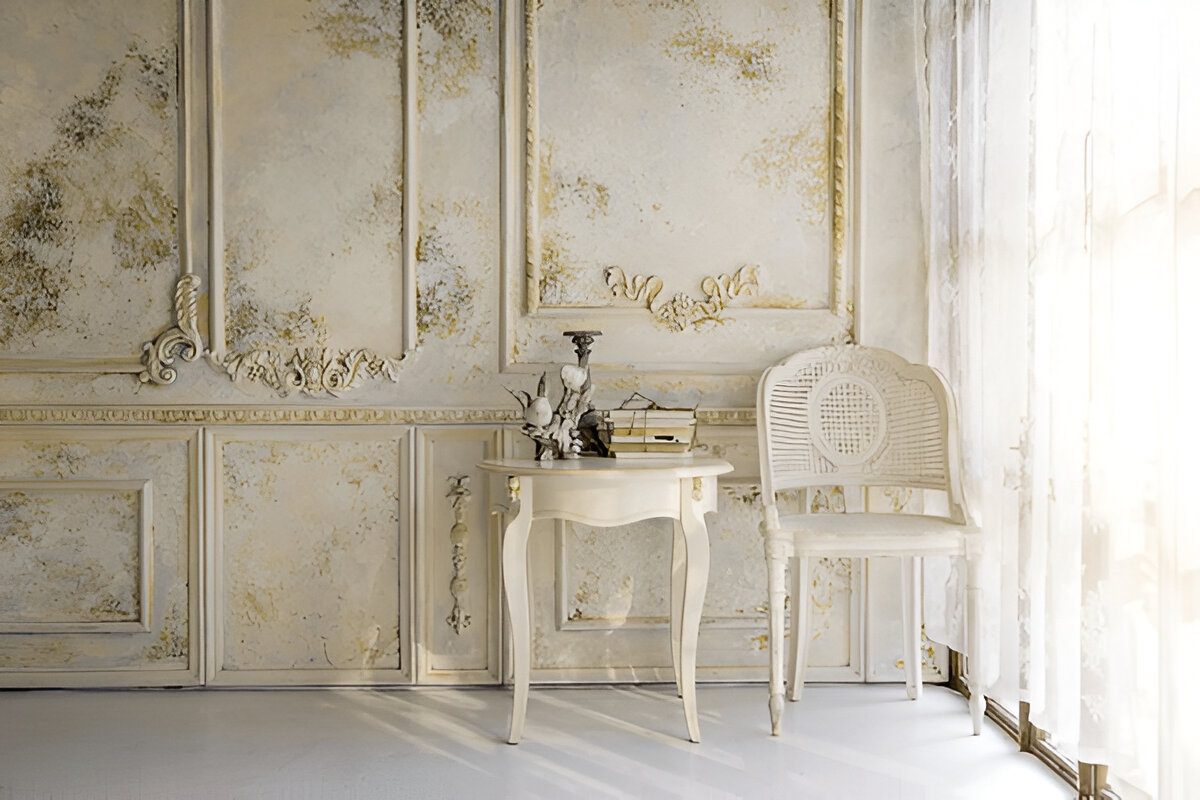
When designers walk into your home, the wall color is one of the first things they notice. It sets the mood for the entire space and reflects your personal style.
Texture also plays a key role. Smooth paint feels different than textured plaster or wallpaper, adding depth or softness.
Your choice in walls can make a room feel cozy, bright, or calm. It helps designers understand your taste right away.
Ceiling height and style
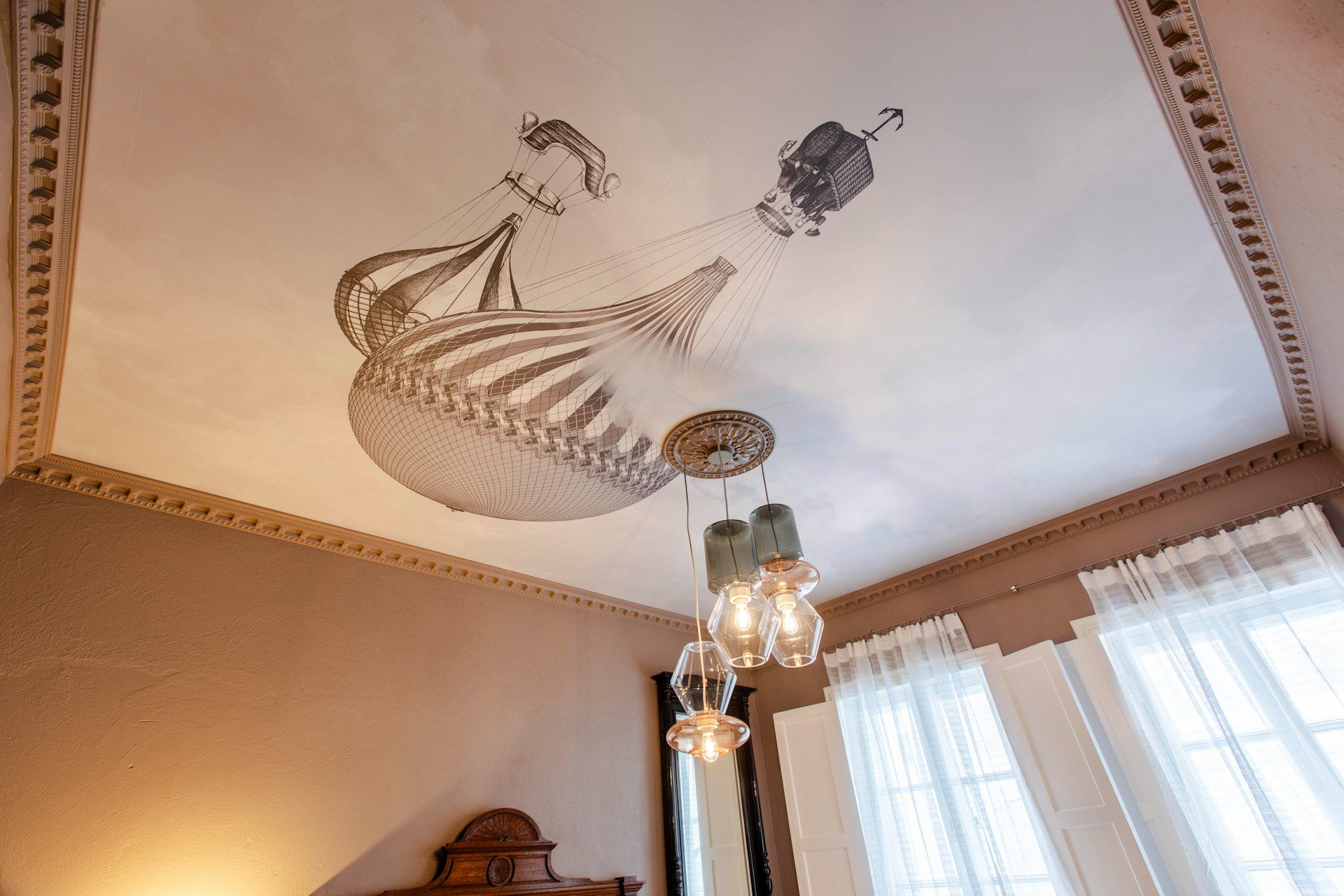
When you walk into a room, the height of the ceiling catches your eye. Higher ceilings can make your space feel open and airy.
The style of the ceiling matters too. Whether it’s flat, vaulted, or has decorative beams, it adds character to your home.
If your ceiling has outdated features like popcorn texture, updating it can instantly refresh the room’s look. Paying attention to these details helps you create a more inviting space.
Furniture arrangement and flow

Designers notice how your furniture is arranged and how easily you can move around the room. Clear pathways make a space feel open and inviting.
If your furniture blocks traffic flow, it can make the room feel cramped or awkward. Floating pieces away from walls often create a better balance.
They also look at how your seating encourages conversation and interaction. Thoughtful placement can make your home feel more comfortable and functional.
Statement art pieces
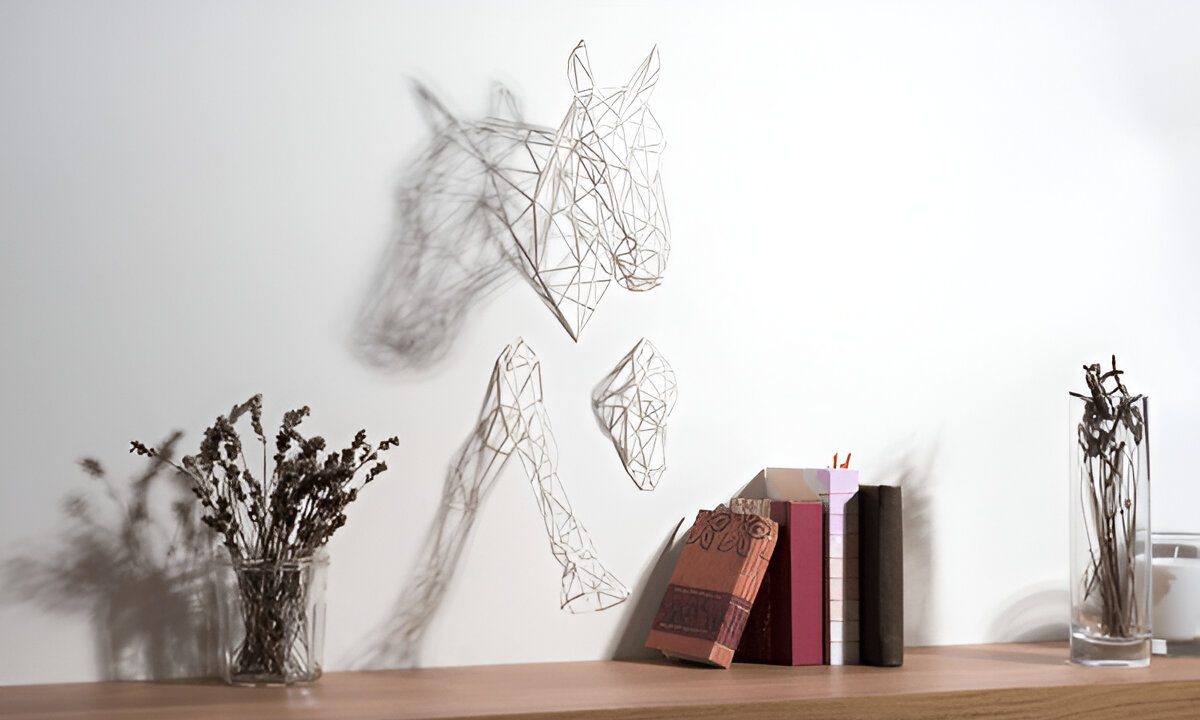
When you walk into a home, statement art pieces immediately catch your eye. They can set the tone for the entire space and show a bit of your personality.
Designers notice how the art complements the room’s colors and style. Bold or unique pieces often become a focal point, drawing attention and sparking conversation.
If your art feels placed thoughtfully, it tells designers you care about how your space feels overall.
Flooring material and condition

Designers often notice the type of flooring you have right away. Whether it’s hardwood, carpet, or tile, the material sets the tone of the room.
They also look at the condition of your floors. Worn or damaged flooring can suggest a space in need of care, while well-maintained floors create a polished feel.
Your choice of flooring shows your style and how you use your space. Durable floors are especially important in high-traffic areas.
Natural light availability

Designers notice how much natural light fills your home right away. It sets the mood and affects how colors and spaces feel.
If your home feels dark or gloomy, they’ll see it immediately. Natural light can make a room feel warm and inviting without much effort.
They also look at the direction windows face and how light moves throughout the day. This helps them understand how your space works in real life.
Window treatments style

When you walk into a home, window treatments catch your eye quickly. They set the tone for the room’s style and function. You might see light-filtering shades that let natural light softly fill the space.
Layering is also common. Sheer curtains combined with heavier drapes give you control over light and privacy. Patterns, textures, or clean lines in your window treatments say a lot about your personal taste right away.
Use of accent lighting

Designers notice how you use accent lighting to highlight key features in your home. It’s a simple way to draw attention to artwork, plants, or architectural details.
Accent lighting adds depth and interest without overwhelming the space.
If you’ve placed lights to focus on a special piece or cozy corner, it shows thoughtful design. It also creates a mood that invites you in.
Presence of clutter

When a designer steps into your home, clutter is one of the first things they’ll notice. It can make a space feel smaller and less inviting.
If you find yourself constantly reorganizing without really clearing things out, it might be clutter creep.
Small piles or too many items on surfaces can distract from your home’s best features. Keeping things tidy helps highlight your design choices.
Doorway and entryway decor
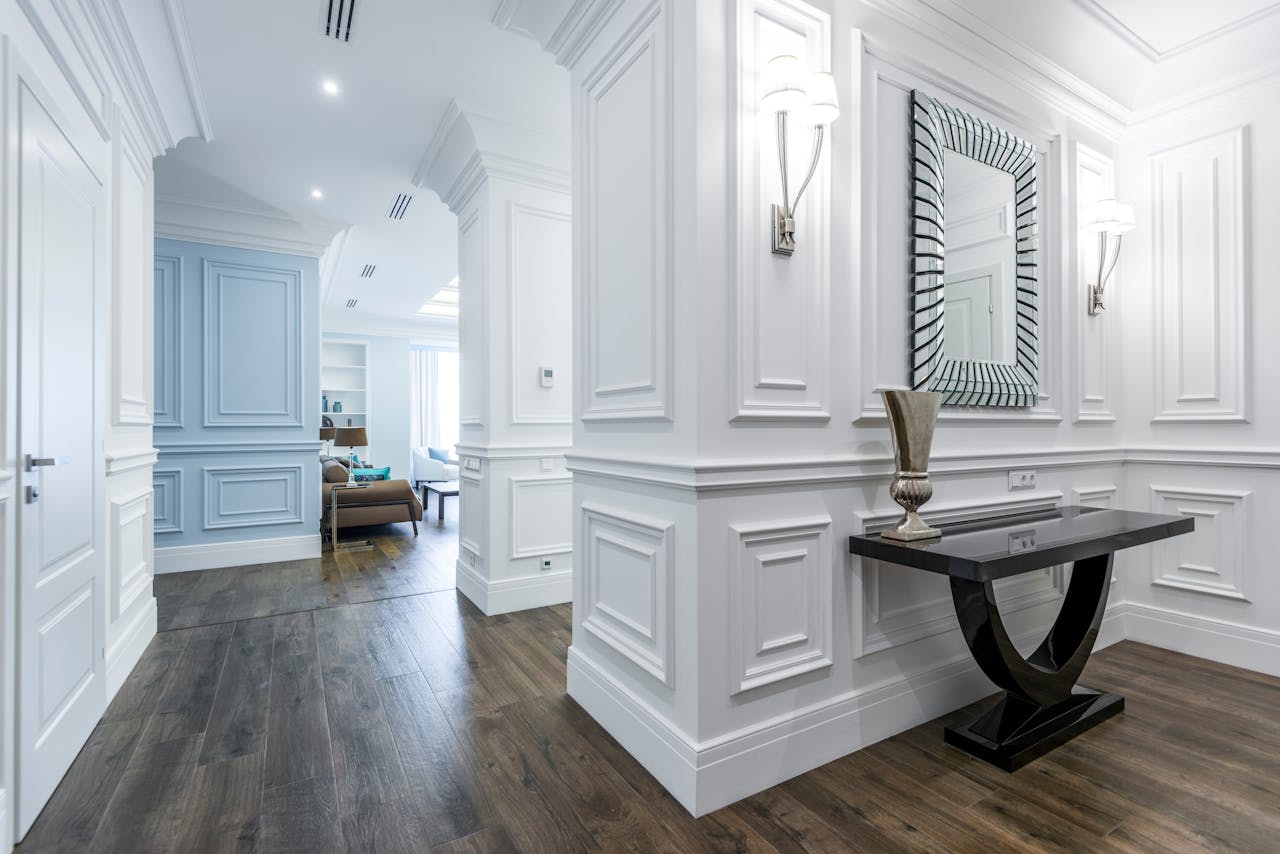
When you step into a home, designers immediately notice how the entryway is styled. Your choice of lighting, whether natural or artificial, sets the tone for the space.
Simple touches like flowers or plants can add warmth and invite a welcoming feeling.
The furniture and layout in your entryway show how functional and organized the space feels. Small details, like pillows or rugs, also catch the eye and contribute to the overall impression.
Sound levels and acoustics
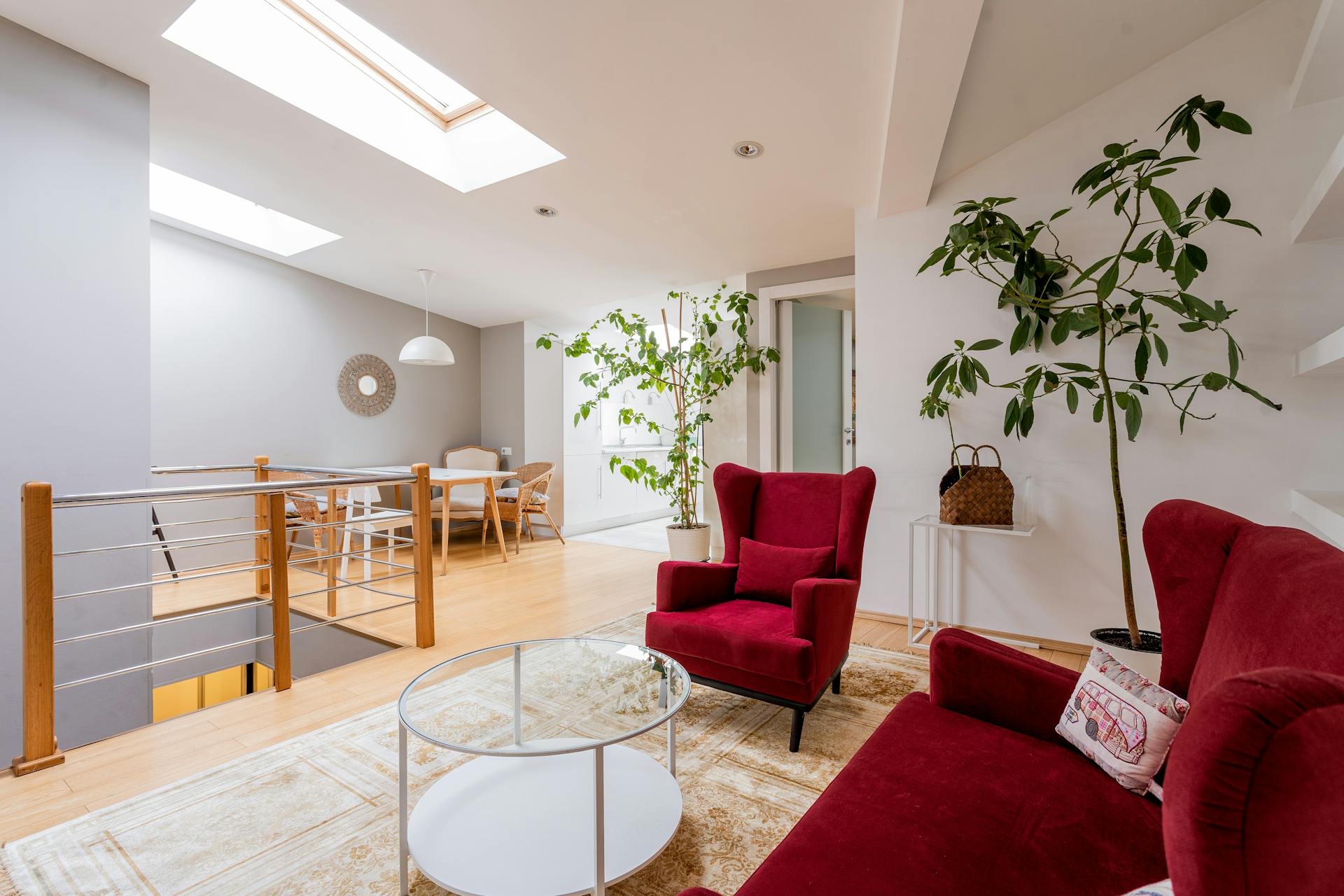
When you walk into a home, the sound around you tells a lot about the space. You might notice if it’s too echoey or if sounds feel cozy and soft.
Good acoustics can make your rooms feel more comfortable and inviting. Simple changes like adding rugs or soft furniture help reduce unpleasant noise.
If your home has harsh echoes or awkward quiet spots, acoustic design can improve the atmosphere. Paying attention to this can make your space more pleasant for everyone.
Functionality of the layout

When designers first enter your home, they quickly assess how the space flows. They look at whether rooms are arranged in a way that supports your daily activities.
If your layout feels cramped or awkward, it can affect how comfortable and practical your home feels. Designers notice if spaces are easy to move through or if furniture placement blocks natural pathways.
You might not realize how much layout impacts your everyday life. A functional design helps your home work better for you and those who live with you.
Quality and style of cabinetry

When designers enter your home, your kitchen cabinetry is one of the first things they notice. The quality of materials and craftsmanship speaks volumes about your space.
Your cabinet style also sets the tone for the entire kitchen. Whether you choose sleek, modern cabinets or classic, raised-panel designs, it reflects your personal taste.
Functionality is key, too. Designers look at how your cabinets work for you—for storage, ease of use, and flow within the kitchen.
Use of plants or greenery

Designers often notice how plants are used right away. Adding greenery can make your space feel more inviting and alive.
Plants also improve air quality, which is a subtle but important benefit.
When placed thoughtfully, greenery adds texture and color without overwhelming the room.
Even simple touches, like a vase with leafy fronds or a small potted plant by the door, catch a designer’s eye.
Your use of plants shows attention to detail and care in styling your home.
Temperature and comfort
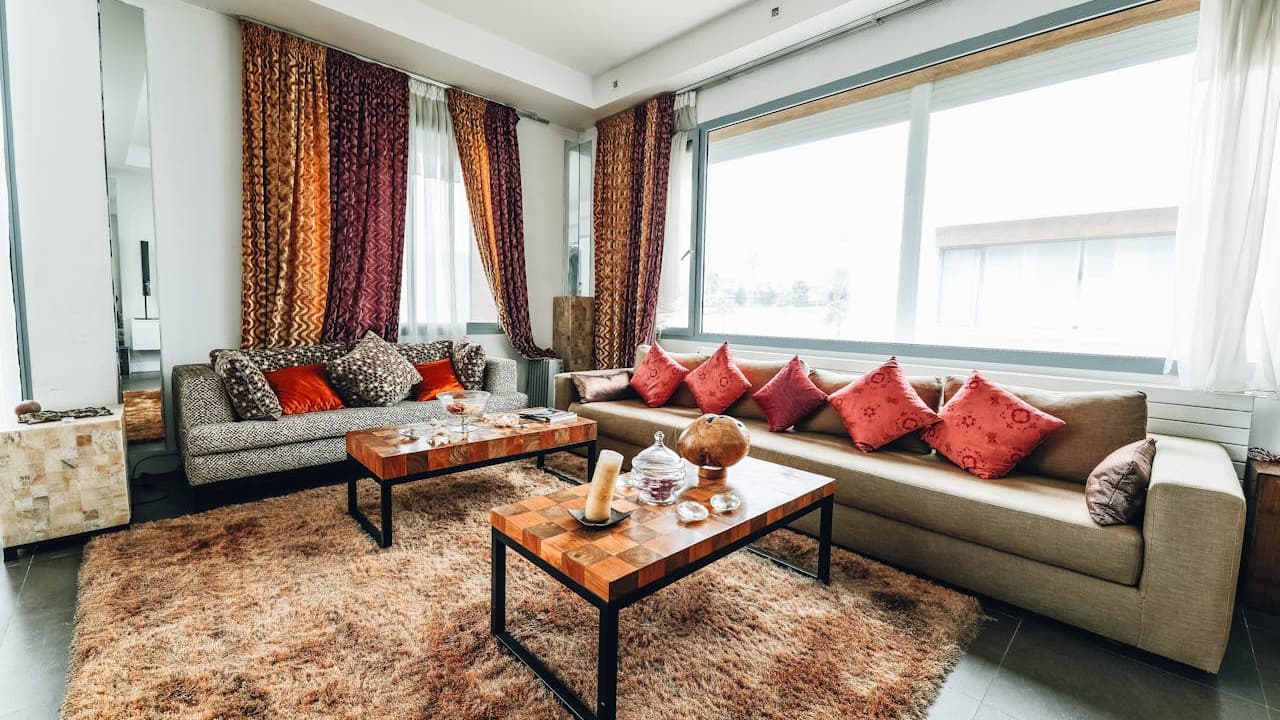
Designers notice how your home feels the moment you walk in. If your space is too warm or too cold, it can affect the overall vibe.
Comfort is key. They look at seating and how inviting it feels for you and your guests to relax.
A well-balanced temperature paired with cozy furnishings makes your home feel welcoming right away.
Ceiling treatments or moldings

When you enter a home, the ceiling often catches a designer’s eye. Details like crown moldings, coffered ceilings, or decorative medallions add character and depth to your space.
If your ceilings have popcorn texture or outdated finishes, designers may notice that first. Smooth, well-maintained ceilings create a cleaner, more modern feel.
Thoughtful ceiling treatments can elevate your room’s style. They show attention to detail and can even highlight lighting fixtures you choose.
Personality expressed through decor

When designers walk into your home, they quickly get a sense of who you are by looking at your decor. The colors, styles, and objects you choose tell a story about your tastes and interests.
Your space shows how much of yourself you’ve put into it. Whether it’s a collection of books, artwork, or unique furniture, these details reveal what matters most to you.
Small touches, like personal photos or handmade items, make your home feel genuine and lived-in. These elements help designers understand your personality without you saying a word.