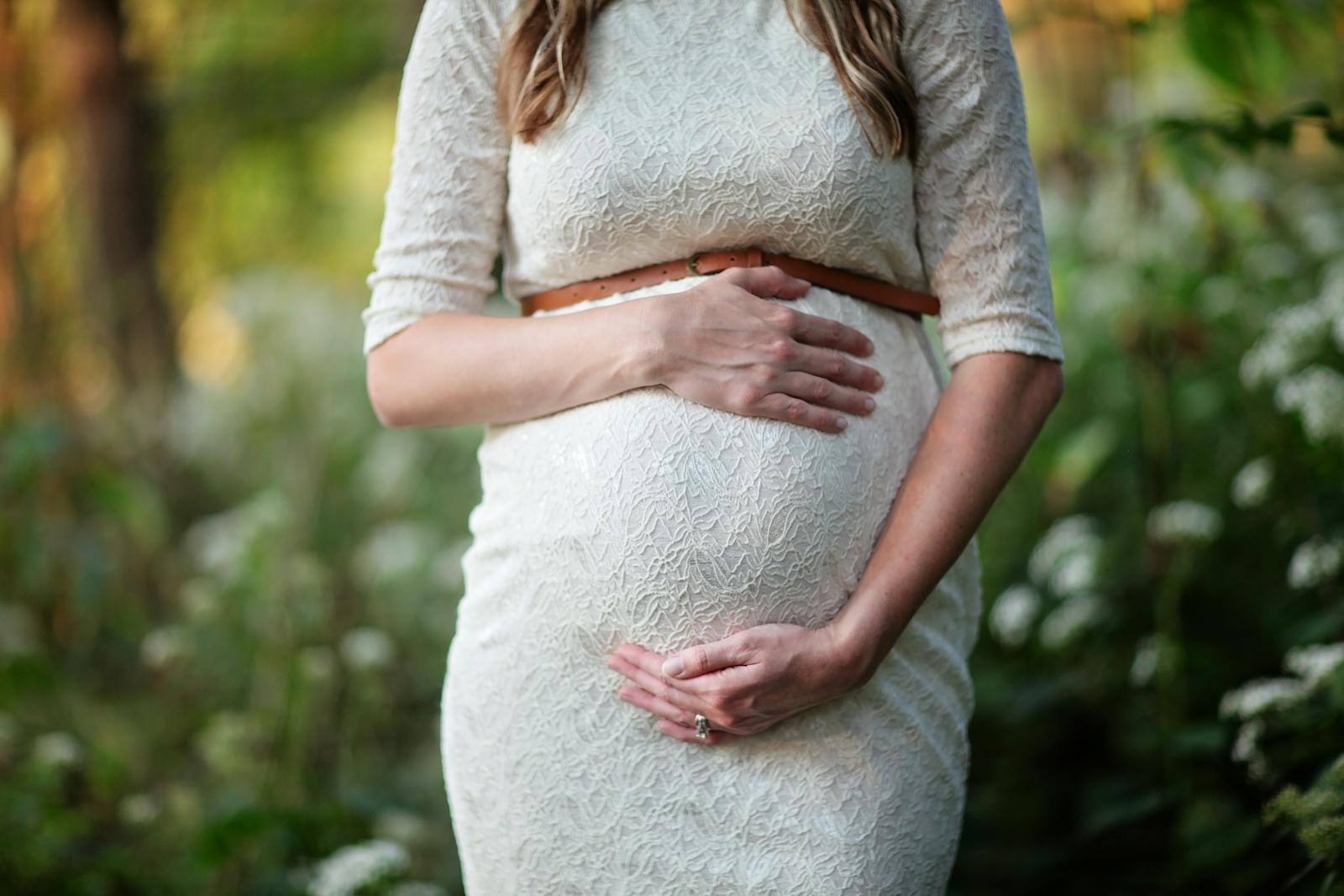
When 21-year-old Anna Otte started having sudden, intense pain, she thought she might need her appendix checked, not a delivery room. Just weeks before giving birth, she discovered she was already 36 weeks pregnant and, in her own words, “literally didn’t know.” Her story, which she later shared online, shows how a cryptic pregnancy can hide in plain sight inside an otherwise ordinary young adult life.

1) Anna Otte’s Background
Anna Otte is the 21-year-old woman at the center of this story, and that age is crucial to understanding why her experience hit so hard. At 21, she was focused on work, friends and everyday plans, not prenatal checkups or baby names. According to reporting on her case, she had no idea she was already well into a pregnancy. Her youth and sense of being generally healthy made pregnancy feel like something that would come with obvious signs.
Her age also shaped the stakes. A surprise pregnancy is disruptive at any stage of life, but for someone just starting out in adulthood, it can flip every plan at once. Anna’s story shows how a 21-year-old can be living what looks like a typical early-twenties routine and still miss something as major as carrying a baby almost to term.
2) Hometown Roots
Anna lives in Bünde, Germany, a small city that forms the backdrop to her shock discovery. Reports identify Bünde as her home base, with her daily life unfolding in a place where people tend to know one another and local hospitals are familiar landmarks. In coverage of her life in Bünde, the town is presented as the setting where she worked, socialized and assumed everything in her body was normal.
That local context matters because it shaped her support system once the news broke. Being rooted in Bünde meant her family, partner and medical care were all close by when she suddenly needed them. It also highlights how cryptic pregnancies are not just urban myths from faraway places, but can unfold quietly in ordinary German towns, catching both families and local doctors off guard.
3) Shocking Timeline
The most jaw-dropping detail is the timeline: Anna discovered her pregnancy at 36 weeks. According to accounts of that late discovery, she went through almost an entire pregnancy without realizing it. By the time doctors confirmed what was happening, she was only a few weeks away from giving birth. There was no long runway for prenatal classes, nursery shopping or slow emotional adjustment.
Finding out at 36 weeks meant decisions had to be made quickly and under pressure. For health professionals, it raised immediate questions about monitoring, delivery planning and the baby’s condition. For Anna and her partner, it compressed nine months of mental preparation into days. The timeline shows how cryptic pregnancies can turn what is usually a gradual journey into a sudden, high-stakes sprint.
4) Newborn’s Name
Out of the chaos came a very real person: a baby girl named Liya. Reports on the birth identify Liya as Anna’s daughter, arriving just after her mother learned she was pregnant. The name anchors the story in something tender and concrete, shifting it from a medical oddity to a family narrative. Even though the pregnancy was a shock, the choice of name suggests a quick pivot into embracing parenthood.
For readers, knowing Liya’s name makes the situation feel less abstract. It underlines that cryptic pregnancies do not end with a twist in a hospital corridor, but with a child who will grow up hearing how she almost arrived unannounced. The naming also signals how fast Anna and her partner had to move from disbelief to making deeply personal decisions about their new family.
5) Iconic Reaction Quote
Anna’s own words capture the disbelief better than any summary. Reflecting on the moment she realized she was pregnant at 36 weeks, she said, “I literally didn’t know.” That direct quote, reported in coverage of her reaction, has become the defining line of her story. It is blunt, almost defensive, and instantly relatable to anyone who has ever missed a health warning sign.
The quote matters because it pushes back against the common assumption that women must always “just know” when they are pregnant. By insisting she truly had no idea, Anna highlights how misleading that stereotype can be. Her words invite a more nuanced look at how symptoms, expectations and everyday busyness can combine to hide even something as major as a near-term pregnancy.
6) Absence of Symptoms
One of the key reasons Anna missed the pregnancy is that she experienced no typical symptoms like morning sickness. According to a summary of her symptoms, she did not have the nausea, vomiting or extreme fatigue that many people associate with early pregnancy. Without those classic signs, she had little reason to suspect anything beyond normal ups and downs.
This absence of symptoms is central to understanding cryptic pregnancies. When the usual red flags never appear, both the person and their doctors may overlook pregnancy as a possibility. Anna’s case shows how relying on a checklist of “typical” signs can leave some pregnancies undetected, especially in young, otherwise healthy women who are not actively trying to conceive.
7) Lifestyle Factor
Anna herself has linked her lack of obvious symptoms to her active lifestyle. In coverage of her explanation, she is described as believing that staying busy and physically active helped mask changes in her body. If she felt tired, she could chalk it up to work. If she had minor aches, they were easy to blame on a long day on her feet.
That interpretation highlights how lifestyle can blur the line between normal strain and pregnancy-related changes. For many young adults juggling jobs and social lives, exhaustion and minor discomforts are routine. Anna’s view that her activity level hid the pregnancy underscores a broader point: when people are constantly on the go, subtle bodily shifts can be easy to ignore until something dramatic forces a closer look.
8) Professional Life
Professionally, Anna works as a hairdresser, a job that keeps her on her feet and interacting with clients all day. Reports on her work life describe her in that role, which involves long hours, physical movement and a focus on other people’s appearance rather than her own health. In that environment, back pain or fatigue can feel like just part of the job.
Her role as a hairdresser also shaped how the story spread. Once she shared what had happened, clients and local contacts became part of the informal network reacting to the news. It shows how workplace culture and expectations can influence whether someone pauses to question their symptoms. In Anna’s case, the demands of salon work may have helped normalize sensations that, in another context, might have triggered a pregnancy test much earlier.
9) Misinterpreted Changes
Even when Anna noticed her belly growing, she did not jump to pregnancy as the explanation. According to reporting on her physical changes, she assumed she was simply gaining weight. That interpretation felt more plausible to her than being pregnant, especially without morning sickness or other strong signals. So instead of calling a doctor, she accepted the idea that her body was just changing a bit.
This misreading of a growing belly is a common thread in cryptic pregnancy stories. Weight gain can have many causes, from diet to stress, and young adults often see it as something to manage with lifestyle tweaks rather than medical tests. Anna’s assumption shows how easy it is to file away a visible change under “I should exercise more” instead of “I might be pregnant,” particularly when pregnancy is not on the mental radar.
10) Painful Trigger Event
The turning point came on October 10, 2023, when Anna felt sudden, severe pain that she could not ignore. Accounts of that day describe intense discomfort that pushed her to seek urgent help. Until then, she had managed to explain away subtle signs, but this was different. The pain was sharp enough to raise fears of something like appendicitis or another acute problem.
That specific date matters because it marks the moment her cryptic pregnancy stopped being hidden. It shows how, in some cases, only a crisis-level symptom forces the issue into the open. For healthcare providers, the timing also meant they had to move quickly from diagnosing the cause of the pain to managing a near-term pregnancy and planning a safe delivery for both mother and baby.
11) Hospital Destination
When the pain hit, Anna was rushed to St. Josef Hospital in Bünde, the local facility that became the stage for her shock diagnosis and delivery. Reports on her emergency trip identify St. Josef Hospital as the destination, underscoring how quickly events escalated from home discomfort to hospital urgency. Staff there had to piece together what was happening with limited background.
The choice of hospital is more than a geographic detail. It highlights how regional medical centers must be prepared for rare scenarios like cryptic pregnancies arriving in active labor or near-labor conditions. For Anna, being taken to a familiar local hospital likely made the experience slightly less overwhelming, but it also meant that a routine emergency intake suddenly turned into a full obstetric case with almost no warning.
12) Baby’s Birth Weight
When Liya arrived, she weighed 6 pounds 6 ounces, or 2.9 kg. That specific figure is reported in coverage of her birth weight, and it is an important indicator of how the baby fared despite the lack of prenatal care. A weight of 2.9 kg sits within a range that doctors generally see as healthy for a near-term newborn, which would have been a huge relief to everyone involved.
Knowing Liya’s exact weight helps ground the story in medical reality. It suggests that, even without months of planned monitoring, the pregnancy progressed in a way that allowed her to grow adequately. For health professionals, that outcome is encouraging, but it also underscores the element of luck. Not every cryptic pregnancy ends with a baby whose weight and condition look so reassuring on the delivery report.
13) Confirmation Method
The pregnancy itself was confirmed at the hospital via ultrasound, the standard imaging tool that finally revealed what was going on. According to a summary of the diagnostic step, doctors used ultrasound to show Anna that she was not dealing with a random abdominal issue but a nearly full-term baby. For someone who “literally didn’t know,” seeing that image would have been a jarring, undeniable moment.
Ultrasound’s role here highlights how crucial imaging is in emergency settings where symptoms are confusing. In cryptic pregnancies, where external signs are muted or misread, ultrasound can cut through uncertainty in minutes. For Anna, that scan transformed her status from a patient with unexplained pain to a mother about to deliver, forcing an immediate shift in both medical priorities and personal expectations.
14) Menstrual Irregularity
Another key piece of the puzzle is that Anna had irregular periods, which helped mask the pregnancy. Reporting on her cycle history notes that her menstruation was not predictable, so missed or light periods did not automatically set off alarm bells. For someone used to irregularity, the absence of a clear monthly pattern made it much easier to overlook one of the most common early signs of pregnancy.
This detail shows how individual biology can complicate detection. Many people with irregular cycles learn to treat fluctuations as normal, which can delay pregnancy recognition. In Anna’s case, that meant one of the main calendar-based clues simply was not reliable. For clinicians and patients alike, her experience is a reminder that menstrual irregularity can be a blind spot when assessing reproductive health changes.
15) Partner’s Shock
Anna was not the only one blindsided. Her partner, Tom, was also shocked by the news that she was 36 weeks pregnant. Accounts of his reaction describe genuine surprise, mirroring Anna’s disbelief. He had been living the same everyday life alongside her, with no expectation that they were about to become parents within days.
Tom’s shock underscores how cryptic pregnancies ripple through relationships. Partners often rely on shared observations and conversations about health, so if neither person suspects pregnancy, it can feel like the ground shifts overnight. His response also highlights the emotional load on support people, who must process their own feelings while stepping into a caregiving role for both mother and newborn almost instantly.
16) Relationship Duration
Tom is not a new presence in Anna’s life; he is her boyfriend of two years. That detail, reported in coverage of their relationship, shows that they had an established partnership before Liya’s surprise arrival. Two years together suggests shared routines, plans and expectations that did not include a baby arriving with only days of warning.
The length of their relationship matters because it shapes how they could respond to the shock. A long-term partner is more likely to be involved in decision-making, hospital visits and early caregiving. For Anna and Tom, those two years of history became the foundation they had to lean on when their lives suddenly expanded to include a third person. It illustrates how cryptic pregnancies can fast-track couples into parenthood, testing even solid relationships.
17) Delivery Procedure
Given the late discovery and the circumstances, Anna gave birth via emergency C-section. Reports on her delivery specify that doctors opted for a caesarean section, reflecting the need for quick, controlled intervention. With so little prenatal history available, a surgical birth allowed the medical team to manage risks more directly for both Anna and Liya.
The emergency C-section highlights how cryptic pregnancies can limit options. Without months of monitoring, there is less information about the baby’s position, growth patterns or potential complications, which can push clinicians toward more cautious, intervention-heavy approaches. For Anna, that meant waking up one day with severe pain and, not long after, undergoing major surgery she had not prepared for, physically or mentally.
18) Baby’s Health Status
Despite the whirlwind circumstances, Liya was healthy. Coverage of her condition notes that she arrived in good health, which is striking given the lack of prenatal care and the emergency nature of the birth. For Anna and Tom, that outcome turned a terrifying surprise into something they could celebrate more quickly.
Liya’s healthy status is a crucial part of why this story resonates. It shows that, while cryptic pregnancies carry real risks, they do not automatically end in tragedy. At the same time, her good health should not obscure the fact that many medical professionals would prefer to monitor such pregnancies closely. The positive result in this case underscores both the resilience of some pregnancies and the role of rapid, competent hospital care when a hidden pregnancy finally comes to light.
19) Social Media Share
After the shock settled, Anna decided to share her experience publicly on TikTok under the handle @annaotte_. Reports on her online post note that she used the platform to walk viewers through how she could reach 36 weeks without knowing she was pregnant. In short clips, she turned a deeply personal medical story into content that others could watch, comment on and relate to.
Her choice to go to TikTok reflects how younger adults increasingly process major life events in public, digital spaces. By posting under her own handle, she invited both support and scrutiny, but also helped demystify cryptic pregnancies for an audience that might otherwise dismiss them as urban legends. It shows how social media can turn a local hospital drama into a global conversation about reproductive health and bodily awareness.
20) Viral Reach
The response was huge. Anna’s story gained over 1 million views on social media, according to coverage of its reach. That level of attention pushed her experience far beyond Bünde, drawing in viewers who were shocked, curious or saw parts of their own health anxieties reflected in her narrative. The viral numbers show how strongly people react to the idea of a pregnancy that goes unnoticed until the final weeks.
Those million-plus views also have practical implications. Each person who watched and shared the clips helped spread awareness that cryptic pregnancies are real and documented, not just plot twists in TV dramas. For some viewers, Anna’s story may prompt earlier checkups or more careful tracking of symptoms. The viral reach turned her personal shock into a kind of informal public health message, even if that was not her original intention.
21) Rarity of Condition
Finally, Anna’s experience fits into a rare but recognized medical category. Cryptic pregnancies like hers occur in about 1 in 2,500 cases, according to reporting that cites that statistic. The figure shows that while such pregnancies are uncommon, they are not vanishingly rare. In a large population, many people may go through something similar without realizing it until very late.
That 1 in 2,500 estimate gives context to the shock her story generated online. It explains why so many viewers were stunned, yet also why medical professionals were not completely baffled. For healthcare systems, the statistic is a reminder to keep cryptic pregnancy on the diagnostic radar when symptoms do not quite add up. For individuals, it underscores that trusting your body is important, but so is checking in when something feels off, even if you cannot immediately name why.
More from Decluttering Mom: