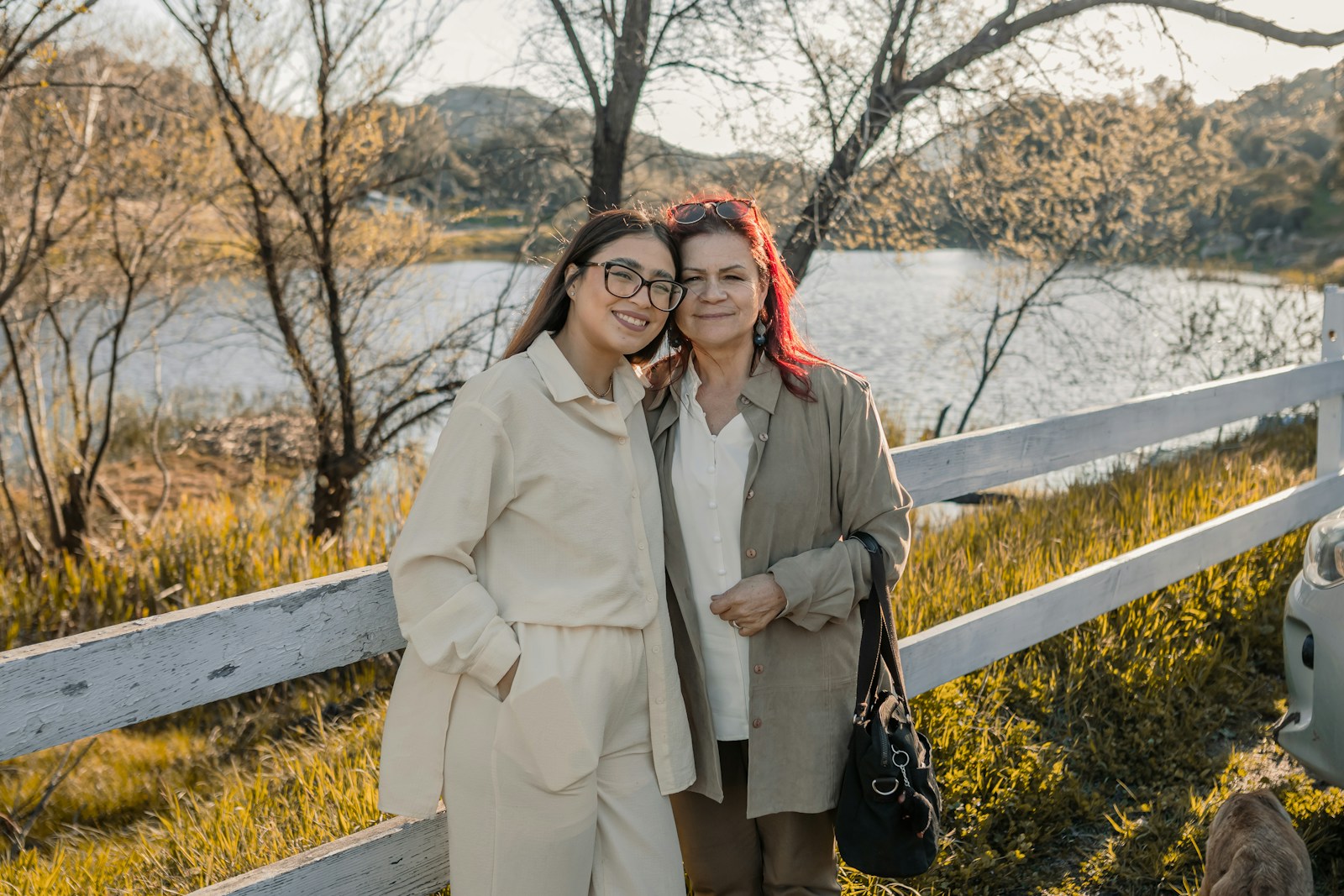
A 26-year-old grandmother has become an unlikely symbol of generational resilience after publicly praising her teenage daughter for raising a baby while still in 8th grade. The family’s story, shared through short social videos, has ignited debate over how society judges very young mothers and the relatives who stand beside them. At its center is a mother who insists that her daughter’s education, ambitions, and sense of self do not have to end because she had a child so early.
Viral pride in a teen balancing diapers and homework
The core of the story is simple and striking: a woman who became a grandmother at 26 is openly celebrating her teen daughter’s ability to juggle late-night feedings with middle school assignments. In clips that have circulated widely, she frames her daughter not as a cautionary tale but as a determined student who still shows up for 8th grade classes, even after sleepless nights with a newborn. The framing is deliberate, casting the girl as both a mother and a child who deserves support rather than stigma.
That message is encapsulated in a viral post often summarized as “Proud 26-Year-Old Grandmother Applauds Teen Daughter Juggling Motherhood and 8th Grade,” which has been shared and dissected across platforms. A related thread, tagged with “Proud 26-Year-Old Grandmother Applauds Teen Daughter Juggling Motherhood and 8th Grade Source, Shine My Crown,” amplifies the same narrative, underscoring how quickly a family’s private milestone can become a public flashpoint. Together, the posts have turned a single household’s reality into a broader conversation about what support for adolescent parents should look like.
“A baby don’t stop nothing”: a counter-message to fear
Running through the grandmother’s praise is a clear rejection of the idea that early pregnancy automatically ruins a young person’s future. In one widely shared clip, the phrase “A BABY DON’T STOP NOTHING” is used as a rallying cry, insisting that school, work, and personal growth can continue alongside parenting. The sentiment is not about minimizing the difficulty of raising a child in 8th grade, but about refusing to treat the girl’s life as permanently derailed.
That defiant optimism echoes a broader critique of how Society makes pregnancy look like a point of no return, especially for teenagers. In the video, the speaker argues that culture often frames having a baby as the end of personal dreams, when in reality it can coexist with education and ambition if adequate support is in place. The 26-year-old grandmother’s stance, praising her daughter’s persistence in 8th grade, fits squarely within that pushback, offering a lived example of a family trying to make “a baby don’t stop nothing” more than just a slogan.
Echoes of earlier headlines about grandmothers at 26
While the current viral story is unfolding on TikTok and Threads, the idea of a grandmother at 26 is not new. In the late 1990s, a woman in Britain drew national attention when her 12-year-old daughter gave birth, making her one of the country’s youngest grandmothers. At the time, the older woman, who lived in a council house, described her daughter as a normal youngster who enjoyed playing on her bike and watching television, details that underscored just how young the new mother really was. Officials in South Yorkshire confirmed that the grandmother had been 26 when her daughter delivered the baby, and that the identity of the father was not disclosed, turning the case into a flashpoint for debates about child protection and sex education.
Reporting from that period noted that the grandmother, who lives in a council house, had been unaware of the pregnancy until very late, and that a spokesman for South Yorkshire authorities confirmed her age at the time of birth. Another account described how Britain’s youngest grandmother has spoken of her shock when she learned that her 12-year-old daughter had given birth, explaining that nobody in the family had realised anything was amiss. Those earlier stories framed a 26-year-old grandmother as a symbol of social crisis, in sharp contrast to the current viral narrative that centers on pride and perseverance.
From scandal to support: how the framing has shifted
The comparison between the late 1990s coverage and today’s social clips reveals a striking shift in tone. In the British case, the focus fell heavily on shock, with the grandmother portrayed as stunned that her 12-year-old, still described as a child who liked simple pastimes, had become a parent. The language around that story emphasized Britain grappling with what it meant to have such a young grandmother, and it invited questions about how “nobody realised anything was amiss” before the birth. The underlying message was that something had gone badly wrong, and that the family’s situation was evidence of a wider social problem.
By contrast, the 26-year-old grandmother now going viral is choosing to foreground her daughter’s efforts rather than her own disbelief. Instead of centering secrecy or failure, she highlights the teen’s daily routine of attending 8th grade, caring for her baby, and trying to maintain some semblance of adolescence. The pride embedded in phrases like “Proud 26-Year-Old Grandmother Applauds Teen Daughter Juggling Motherhood and 8th Grade” reframes the story from scandal to support. Where the earlier British reporting leaned on institutional voices and official spokesmen, the current narrative is driven by the family itself, using social platforms to define their own image before anyone else can.
What the 26-year-old grandmother’s praise reveals about modern expectations
The grandmother’s decision to publicly celebrate her teen daughter’s balancing act exposes a tension at the heart of modern expectations for young parents. On one hand, there is widespread concern about children having children, a concern that animated the British case in which a 12-year-old’s pregnancy shocked both her family and the wider public. On the other, there is a growing recognition that once a baby is here, the most constructive response is not shame but support, including help with school, childcare, and mental health. The 26-year-old grandmother’s message that “a baby don’t stop nothing” is, in practice, a call for the resources and flexibility that make it possible for an 8th grader to keep learning while raising a child.
Her praise also challenges the idea that generational cycles of early parenthood are automatically a sign of failure. By presenting her daughter as a diligent student and attentive mother, she suggests that the story of a 26-year-old grandmother can be one of adaptation rather than collapse. The contrast with earlier narratives, in which a young grandmother in Britain was treated primarily as a symptom of national decline, highlights how much the framing matters. Whether the public sees a crisis or a family doing its best depends not only on the ages involved, but on who gets to tell the story and how willing society is to see young mothers as more than statistics.
More from Decluttering Mom: