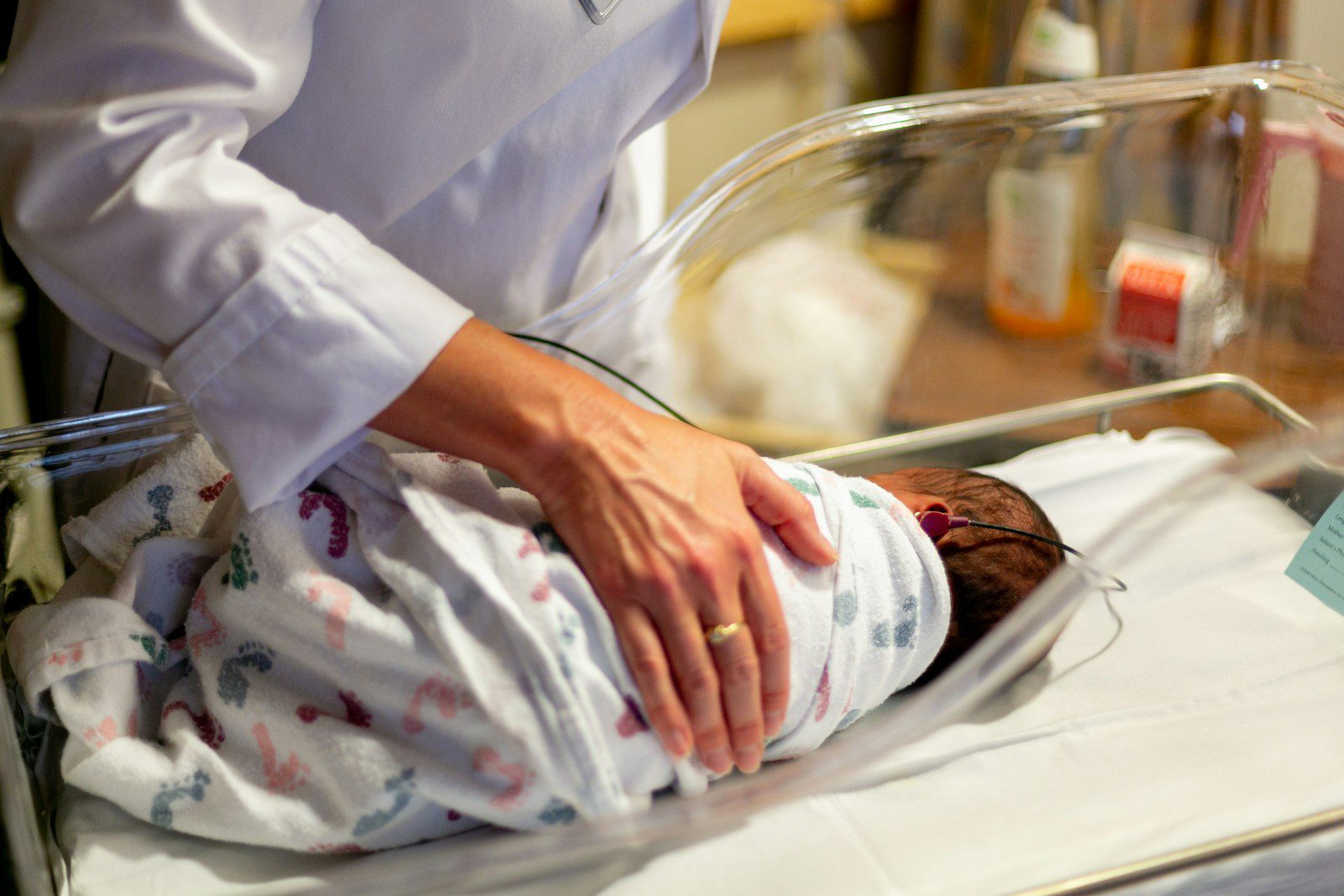
A three day old baby who should have been heading home in a car seat instead died in a hospital side room after a severe brain injury. His short life, and the decisions made around his care, now sit at the center of a growing argument about how maternity and neonatal units handle risk, staffing and basic monitoring.
The story is heartbreaking on its own, but it also echoes a wider pattern of families saying the system failed their children at the very moment it was supposed to be safest. From missed heart rate checks to chaotic delivery rooms and disputed decisions in intensive care, parents are pushing hospitals and regulators to explain how such basic safeguards slipped.
The night Sonny’s parents trusted the system
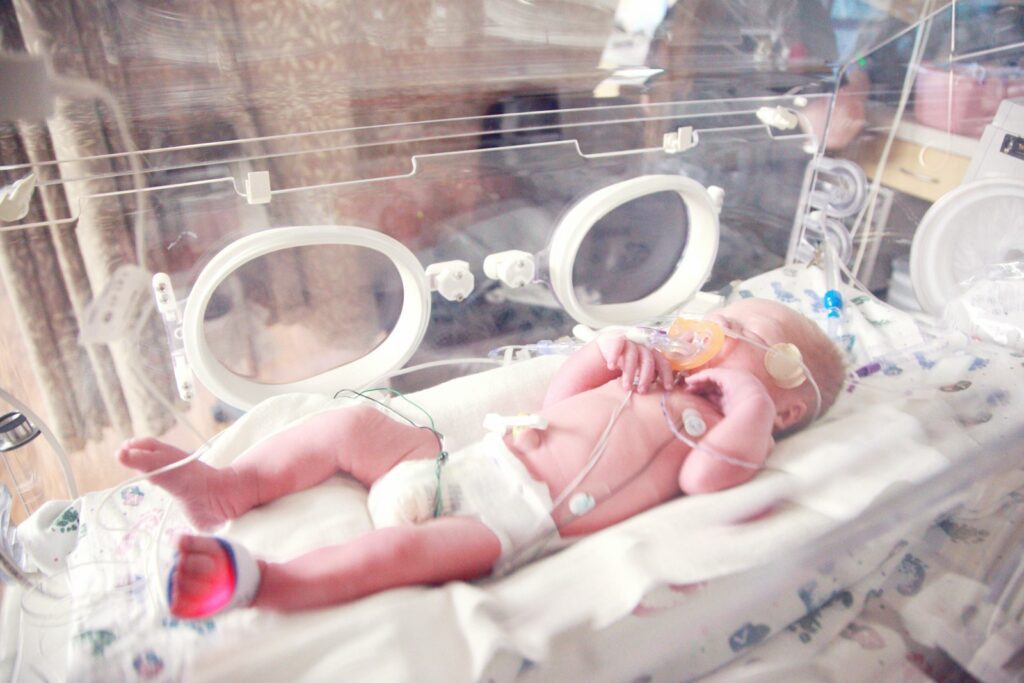
In north Wales, a Newborn boy named Sonny arrived after what his parents had been told was a straightforward birth at Ysbyty Gwynedd in Bangor. His mother Eve was exhausted, and staff let her sleep while routine checks were supposed to keep watch over her son. Instead, an internal report later found that crucial observations were skipped and that the baby’s deteriorating condition was not picked up until he had already suffered a severe brain injury linked to sepsis, according to accounts of the care at Ysbyty. By the time anyone realised how sick he was, the damage to his brain was described as catastrophic and he was only three days old.
Relatives have said the Family had expected the usual flurry of checks and charts that follow a Newborn, not a situation where a mother was left sleeping while her baby’s heart rate and breathing were assumed to be fine. Reporting on the case describes how Sonny’s parents, Eve and Thomas, later agreed to move him from a neo natal intensive care unit to palliative care once doctors explained that his brain injury was not survivable, a decision that played out in a quiet room away from the bustle of the main ward at Bangor.
Missed checks and a cascade of small failures
The detail that has stuck with many people is painfully simple, staff did not wake Eve for routine observations that might have caught Sonny’s infection earlier. Accounts of the night say Midwifery staff left her sleeping instead of listening to Sonny’s heart and checking his temperature, even though those basic checks could have flagged that something was wrong long before his condition collapsed, according to an internal review described in coverage of the chaotic shift. Medics later told the family that the infection had been brewing while his notes still showed reassuring numbers.
Several reports describe how staff recorded that Sonny’s heart rate and other observations were normal, even as his sepsis was silently advancing, a contradiction that has fuelled questions about how carefully those figures were actually checked at Ysbyty Gwynedd. One account notes that after 9am in another case, a baby named Pippa should have had her heart rate monitored every five minutes during a complicated labour, but that did not happen because midwives were tied up with another birth, a lapse that was later linked to her own fatal brain injury at After. In both stories, the pattern is the same, a series of small decisions and workload pressures that, stacked together, left the most vulnerable patient in the room effectively unwatched.
Families who say hospitals played “Russian roulette”
Sonny’s parents are not the only ones using stark language to describe what happened. In Warrington, a grieving father has accused a home birth service of playing Russian roulette with lives after his own baby died, arguing that the hospital’s set up left midwives stretched between multiple labours and unable to respond quickly when things went wrong at Warrington. A separate inquest report described how Hospital managers were warned about staffing and risk but still allowed a model of care that left families exposed when complications hit suddenly.
That same Russian roulette phrase has been echoed in coverage of Sonny’s case, where relatives say the hospital effectively gambled with his life by relying on paperwork and assumptions instead of waking his mother and checking his vital signs properly, a criticism repeated in accounts of the inquest at Cheshire Coroners. One story describes how Phil, speaking at Court and Jonny Humph, set out how the system treated their babies as routine cases right up until the moment everything collapsed. For Sonny’s family, that sense of being brushed off is sharpened by the fact that multiple outlets have now detailed how Newborn babies like Sonny and Pippa were left without the continuous monitoring that guidelines say should be non negotiable in high risk situations, including the failures logged in an internal NHS investigation into the Welsh unit.
Sepsis, brain injury and the brutal speed of newborn decline
Part of what makes these stories so hard to read is how quickly things can go from calm to catastrophic in a newborn. Sepsis in a tiny baby can escalate in a matter of hours, and once infection starts to cut off oxygen to the brain, the window to prevent permanent damage is brutally short, something doctors later explained to Sonny’s parents when they agreed to move him from intensive care to palliative support at palliative. In his case, the severe brain injury was already done by the time he reached a neo natal intensive care unit, and scans showed there was no realistic chance of recovery.
Coverage of the case has highlighted how Medics left Sonny’s mum Eve, 29, sleeping instead of waking her for checks, a detail that has become a shorthand for how the system underestimated the risk he was in at Medics. One report notes that Lindsay Dodgson wrote how staff failed to act even as subtle signs of infection emerged, with the piece flagged as updated between 10:42 and 10:53, figures that underline how every minute can matter when a baby’s brain is starved of oxygen, and how little slack there is for missed observations, especially when a Newborn is already flagged as vulnerable in his notes at Newborn.
Other parents, other wards, the same complaints
Zoom out from Bangor and Warrington and a pattern starts to appear. In Muskingum County, a father is suing Nationwide Children after his infant daughter, Ellieana Peyton, fell from a hospital crib while attached to monitoring cords, an incident that left her with injuries doctors later described as irreversible at Muskingum County. Court records say Ellieana had cords attached to her for monitoring, and those cords were also connected to a box in an assistant’s pocket, a set up that allegedly contributed to her fall and the struggle to create effective cardio output when staff tried to resuscitate her at Ellieana.
In Connecticut, another mother is suing over what she says was a preventable permanent brain injury to her baby after alleged negligence in a neonatal intensive care unit at Bridgeport Hospital. Legal filings argue that She was robbed of her health, her vigor, and her chance at a normal life when providers in the NICU at Bridgeport Hospital did not respond properly to warning signs, a claim that has been laid out in detail in coverage of the NICU. Another report, framed around Why her mother claims a hospital’s negligence led to it, sets out how the family believes the hospital failed to protect patients in its care, a criticism that echoes the language used by parents in Wales and Warrington who say their babies were badly let down at Why.
More from Decluttering Mom: