


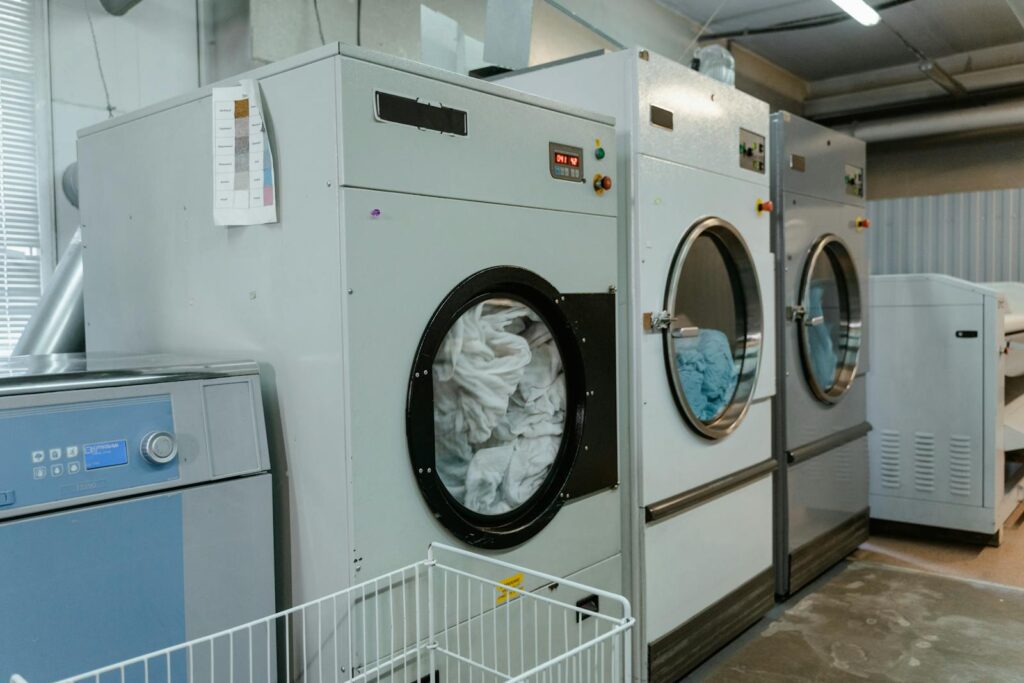
You risk a serious dryer fire when lint, poor materials, or a blocked, long run restricts airflow. Replace plastic or foil hoses, keep the duct short and straight, and clean the entire vent at least once a year to cut that risk.
They spot problem vents in basements, attics, and behind dryers where a crushed or unsupported duct, a clogged termination, or improper venting into a crawlspace quietly builds danger. This article breaks down the three critical mistakes that most often lead to fires and shows practical fixes you can use right away.
Follow clear, actionable advice to check your setup, decide when to call a pro, and prevent moisture and lint from turning into a home hazard.
The 3 Critical Dryer Vent Mistakes That Raise Fire Risk
These are common, avoidable problems that make dryers overheat, shorten appliance life, and raise the chance of a vent fire: failing to remove lint, using non‑rated vent tubing, and installing vents with excessive length, bends, or poor connections.
Letting Lint Accumulate: Why Cleaning Isn’t Optional

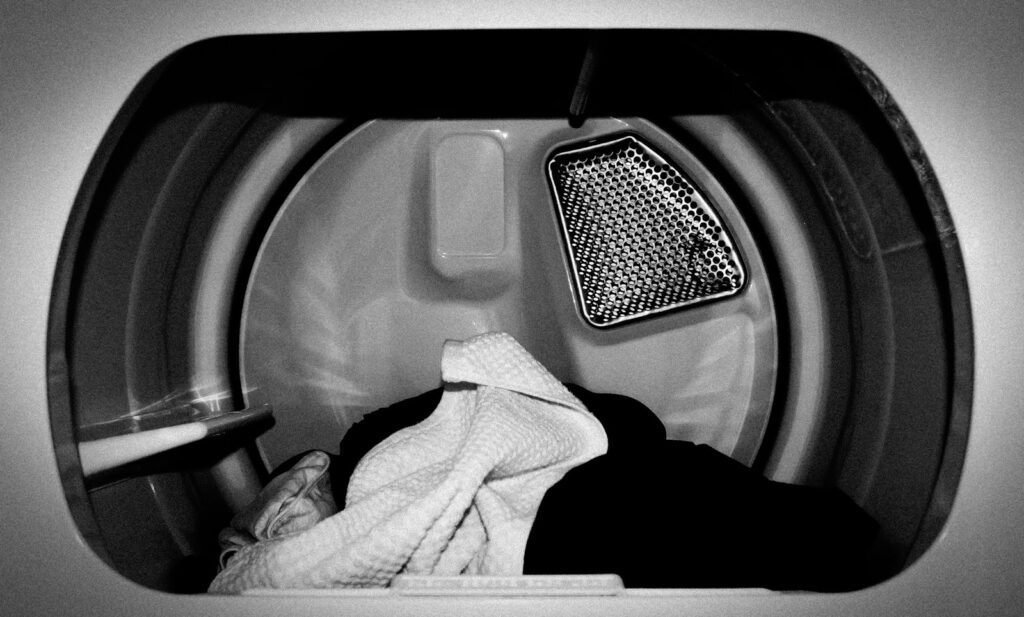
Lint collects at the lint trap and downstream inside the dryer vent where it reduces airflow. Restricted airflow raises internal dryer temperature; motors and heating elements run hotter and cycles take longer. If lint blocks 50–75% of the duct, heat can nearly double near the source and ignite fibers.
They should clean the lint trap after every load and inspect the exterior vent and behind the dryer at least once a year. Where lint deposits recur quickly, check for an undersized or long vent run and clean the duct using a brush kit or a professional service. Signs of trouble include clothes that are hot at cycle end, long drying times, and a warm exterior vent hood.
Using the Wrong Venting Materials: Metal vs. Plastic & Foil
Flexible plastic or accordion foil ducting restricts airflow and can melt or burn if a lint fire starts. Building codes and industry guidance favor smooth, rigid metal duct or approved semi‑rigid metal ducts to reduce lint traps and improve airflow. Metal resists tearing, does not sag as easily, and is less likely to support combustion.
They should use 4‑inch diameter rigid or listed semi‑rigid metal ducting with smooth interior runs. Avoid thin foil or plastic hoses, and replace any crushed or kinked sections. Secure joints with metal foil tape (not cloth tape) and mechanical fasteners placed so they don’t intrude into the airflow path.
Improper Vent Installation and Setup
Long runs, multiple 90° bends, and low horizontal sections collect lint and block cleaning access. Each bend increases resistance and encourages accumulation; long or convoluted routing can make routine inspection impossible. Vents that terminate under porches, through tight cavities, or with undersized openings create chronic clogging and higher fire risk.
They should keep vent runs as short and straight as possible, use wide sweeps for necessary turns, and slope horizontal sections slightly toward the exit. Install an exterior hood with a self‑closing damper and a removable cap for cleaning. Ensure the dryer exhaust and any booster fans are rated for dryer use and that the termination has a clear opening large enough to avoid frequent clogging; consider professional rerouting if access or run length is excessive.
Preventing Dryer Vent Fires: What Every Homeowner Should Do
Keep the lint trap clean after every load and inspect the exterior vent and duct path regularly. Schedule professional dryer vent cleaning when lint builds up inside the run or when clothes take longer to dry.
Routine Dryer Vent Maintenance and Professional Cleaning
They should clean the lint filter after every load and wipe the trap housing to remove hidden lint. A visual check of the dryer drum, seals, and the short transition duct behind the machine should happen monthly.
They should hire a professional dryer vent cleaning service at least once a year, or more often for heavy use, long vent runs, or multi-family units. A technician will disassemble the dryer transition, brush and vacuum the entire duct run, and inspect the exterior termination and backdraft damper. For gas dryers, a pro can also check combustion air and the vent for obstructions that might cause carbon monoxide issues.
Keep receipts and notes from services. That helps document maintenance for resale or insurance and shows compliance with local building codes.
Checking Vent Path, Length, and Termination
They should trace the dryer vent from the back of the dryer to the outside to confirm it vents directly outdoors and doesn’t dump into an attic, crawlspace, or garage. The vent run should use rigid or semi-rigid metal ducting; flex foil or plastic accordion hoses must be replaced.
Measure the total vent length including elbows; long vent runs and multiple bends reduce effective length and trap lint. If the run exceeds the dryer manufacturer’s recommended effective length, they should shorten it or install a UL-listed inline booster fan and get a professional install. Exterior termination must be a hood with a damper that opens freely; a blocked exterior vent or a stuck flap causes lint buildup and backpressure. Avoid screens over the hood that trap lint.
Spotting and Responding to Warning Signs
They should watch for clothes taking longer to dry, a dryer that’s hot to the touch, or the laundry area feeling unusually warm; these are signs of restricted airflow. Also check for visible lint around the dryer, a musty smell, or a lint-covered exterior hood.
If they detect slow drying or overheating, they should stop using the dryer until they clean the lint trap, vacuum the transition duct, and inspect the exterior hood. If problems persist or if they smell gas or suspect carbon monoxide, they must shut off the gas dryer, ventilate the area, and call a licensed technician immediately. For any clogged exterior vent or suspected internal blockage, arrange a professional dryer vent cleaning service rather than relying only on DIY brushes.
More from Decluttering Mom: