Ever walk into a store and wonder why a simple coffee mug costs more than a fancy dinner? You’re not alone. Pricing can often feel like a puzzle, one that sometimes doesn’t make a lick of sense. Whether you’re a bargain hunter or just someone who’s curious about the economy, it turns out there are quite a few everyday items that experts say are routinely mispriced across the country. Let’s chat about four of them.
1. Coffee: Not Just a Morning Pick-Me-Up
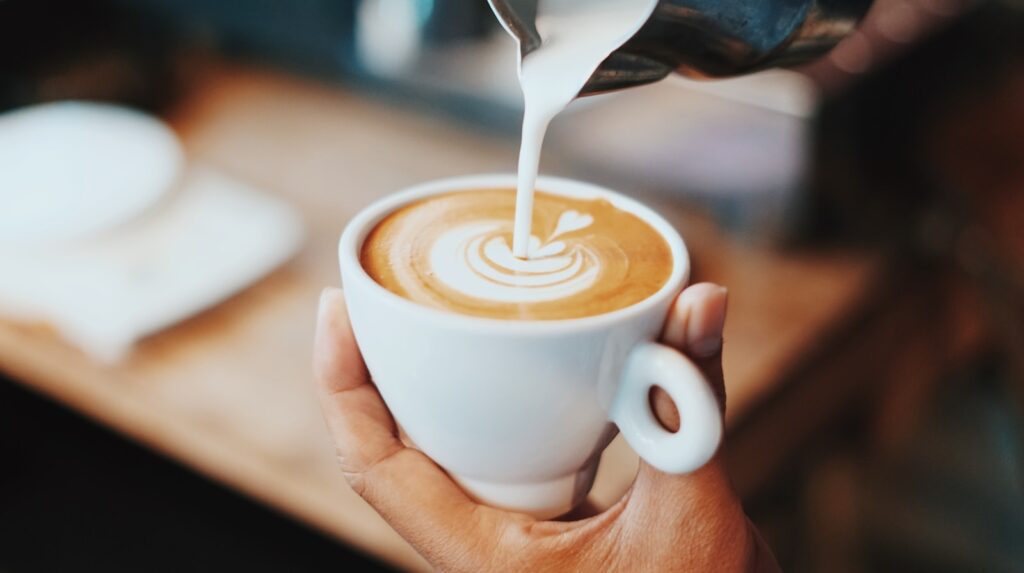
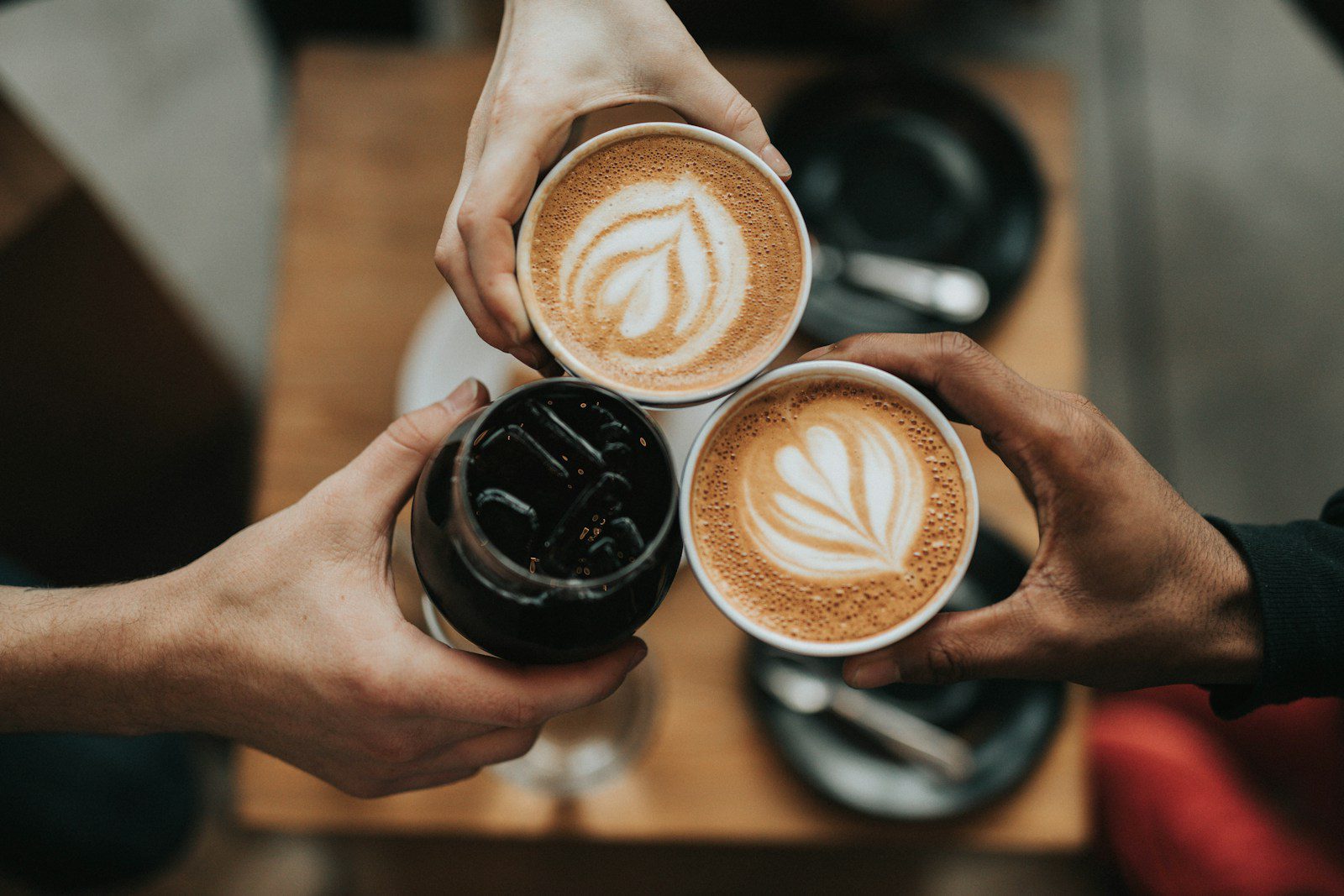
If you’re anything like me, coffee is the fuel that powers your day. But get this: experts estimate that the price of coffee varies wildly from region to region, and not always based on quality. In some places, a cup of joe can set you back over five bucks, while in others, you might snag one for just a dollar.
Why the discrepancy? Well, it boils down to local demand and the cost of living. In urban areas where rent is sky-high, coffee shops often hike prices to keep up. Meanwhile, in smaller towns, you might find that same cup at a fraction of the price. So, next time you’re traveling, remember: that morning caffeine fix might be a steal in one place and a splurge in another!
2. Bottled Water: Liquid Gold?
Ah, bottled water—the quintessential symbol of overpriced convenience. It’s almost comical how much we’re willing to pay for something that flows freely from our taps. In some cities, a single bottle can cost you over $3, while in others, it’s practically given away at convenience stores.
Experts suggest that this wild pricing is fueled by marketing more than anything else. Companies brand their water like it’s a luxury item, often labeling it as “spring” or “artesian,” which sounds fancy but doesn’t always mean it’s better for you. A good tip? Invest in a reusable water bottle and a good filter. Your wallet—and the planet—will thank you!
3. Office Supplies: The Cost of Productivity
When you think of office supplies, you probably picture staplers, sticky notes, and printer paper. But did you know that these basic items can have price tags that range dramatically, depending on where you shop? It’s true! A pack of printer paper can be as low as $3 in one store and soar to $10 in another.
The reason? Retailers often play the supply-and-demand game, especially at the beginning of the school year or when tax season rolls around. And let’s not forget about online shopping—sometimes, you’ll find that buying in bulk can save you serious cash. So next time you stock up for the office or your home workspace, do a little price comparison first. Your budget will be grateful!
4. Clothing: Fashion’s Price Tag Paradox
Clothing is perhaps the biggest offender when it comes to mispricing. A simple T-shirt can range from $5 at a discount store to over $100 at a high-end boutique. It’s baffling, right? You’re essentially paying for a brand name more than the fabric itself in many cases.
Fashion experts say this inconsistency comes from the branding and marketing strategies employed by retailers. High-end brands create a sense of exclusivity, which is why you’ll see prices skyrocket. But you don’t have to break the bank to look good. Thrift shops, online marketplaces, and even swapping clothes with friends can yield some fantastic finds without the hefty price tag. Plus, it’s a great way to add a unique touch to your wardrobe!
Wrapping It Up: The Price Is Right (or Not)
So there you have it—four common objects that are often mispriced across the country. It’s funny how something as mundane as a cup of coffee or a pack of printer paper can reveal so much about our economy and consumer culture. The next time you’re out shopping, keep these insights in mind.
Being a savvy shopper doesn’t just save you money; it also makes for a fun little experiment in understanding what drives prices. Plus, you’ll probably have some interesting stories to share over coffee with friends. Who knew pricing could be such a conversation starter? Happy hunting!
More from Decluttering Mom: