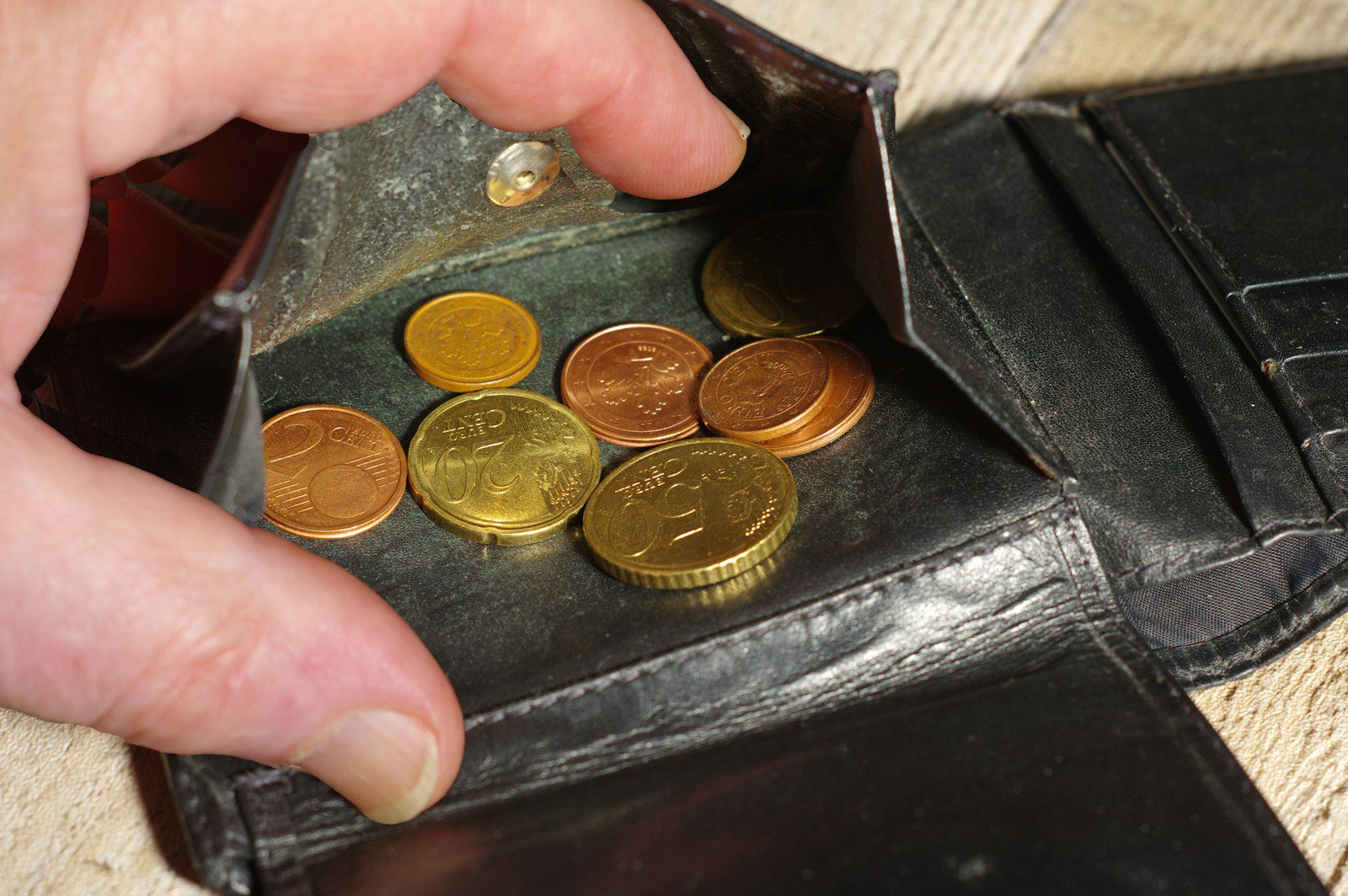
You just found an old coin, and your pulse quickens — it could be worth something, but one slip can erase that value. Stay calm and deliberate: the right choices now protect whatever value the coin might hold.
This article walks you through what to avoid after a discovery so you don’t unintentionally damage, devalue, or undersell the piece. Expect clear, practical guidance that helps you handle the coin, assess unusual features, and decide when to call in experts.
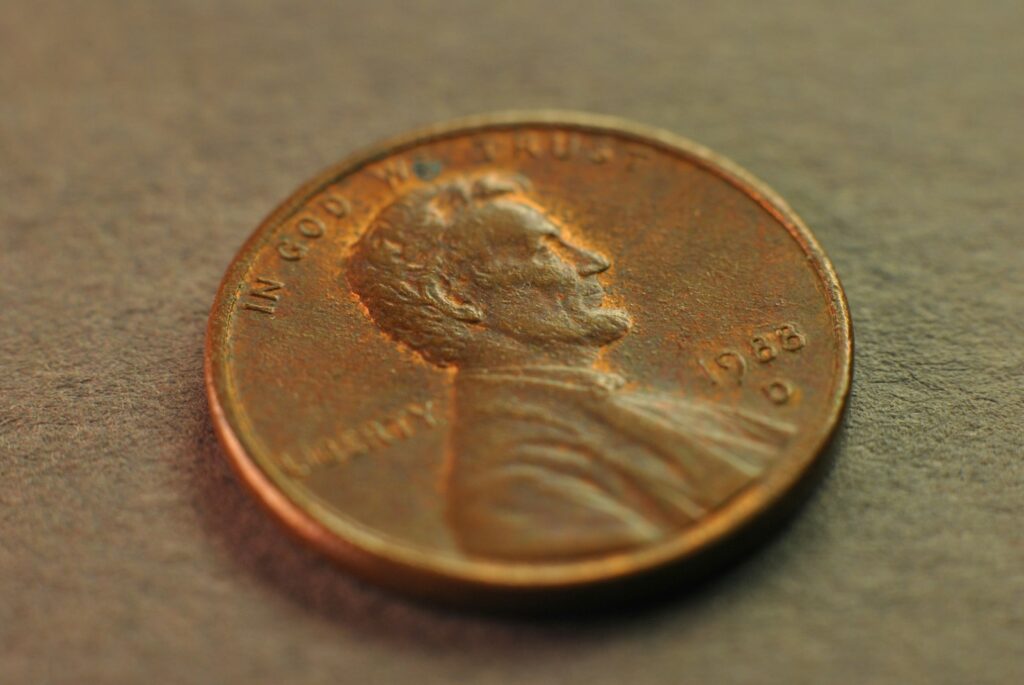
Cleaning the coin and wiping away its natural patina
You might think scrubbing a coin will reveal its true beauty, but cleaning often removes the original patina that collectors value.
Patina records age and authenticity; removing it can cut a coin’s market value and historical appeal.
If a coin might be valuable, avoid home cleaning and get a professional opinion.
For low-value finds, gentle rinsing with distilled water is safer than abrasive chemicals or brushes.
Consider documenting the coin’s condition with photos before any attempt to clean.
Handling the coin by touching its face instead of edges
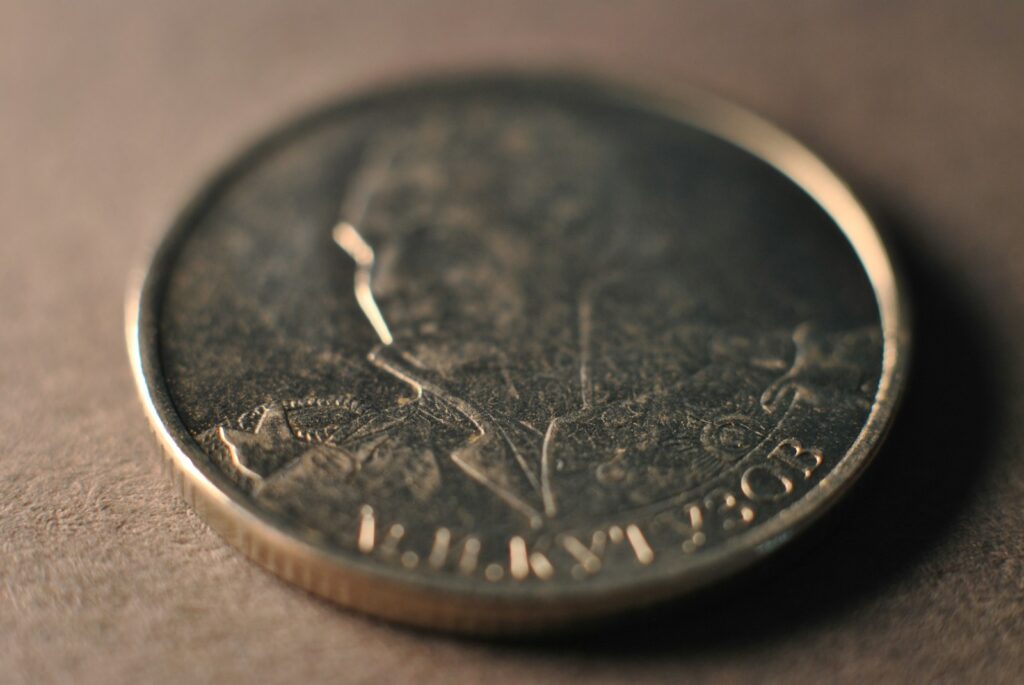
Touching the face of a coin leaves oils and dirt that can dull details and reduce value.
Hold the coin by its edges or use clean, lint-free gloves to prevent fingerprints.
Even washed hands can transfer residue, so minimize direct contact.
If the coin already shows marks, avoid cleaning it yourself; improper cleaning causes more harm.
For handling tips and care rules, see guidance on proper coin handling from a trusted collector site (https://www.usmoneyreserve.com/news/executive-insights/rules-proper-coin-handling/).
Rushing to sell without a professional appraisal
If you grab the first buyer who shows interest, you could lose hundreds or thousands of dollars.
A quick online guess isn’t the same as a certified appraisal; experts check authenticity, rarity, and market trends.
A pro appraisal gives documentation buyers and auction houses trust.
It also protects you from scams and undervaluation.
Look for a credentialed numismatist or appraiser and get a written report before accepting any offer.
Ignoring potential mint errors that add value
You might assume an old coin is worth only face value and toss it aside.
Mint errors—like doubled dies, off-center strikes, or clipped planchets—can raise a coin’s value significantly if genuine.
Don’t clean or file the coin; damage destroys collectible value.
Compare your find to guides or check examples of common errors, such as doubled dies and off-center strikes, to spot matches.
If you suspect an error, photograph the coin and get a professional opinion before selling or altering it.
More from Decluttering Mom: