When you’re looking to price old items, understanding their true value is key. Some objects might seem straightforward, but without proper research, you could miss important details that affect their worth. Knowing what to look for and how to evaluate these pieces helps you set a fair and competitive price.
Researching your items not only builds confidence but also helps you avoid common pricing mistakes. By learning about the market, rarity, and condition of your items, you’ll be better prepared whether you’re selling, insuring, or simply curious about their value.
Vintage wristwatches, especially brands like Rolex and Omega
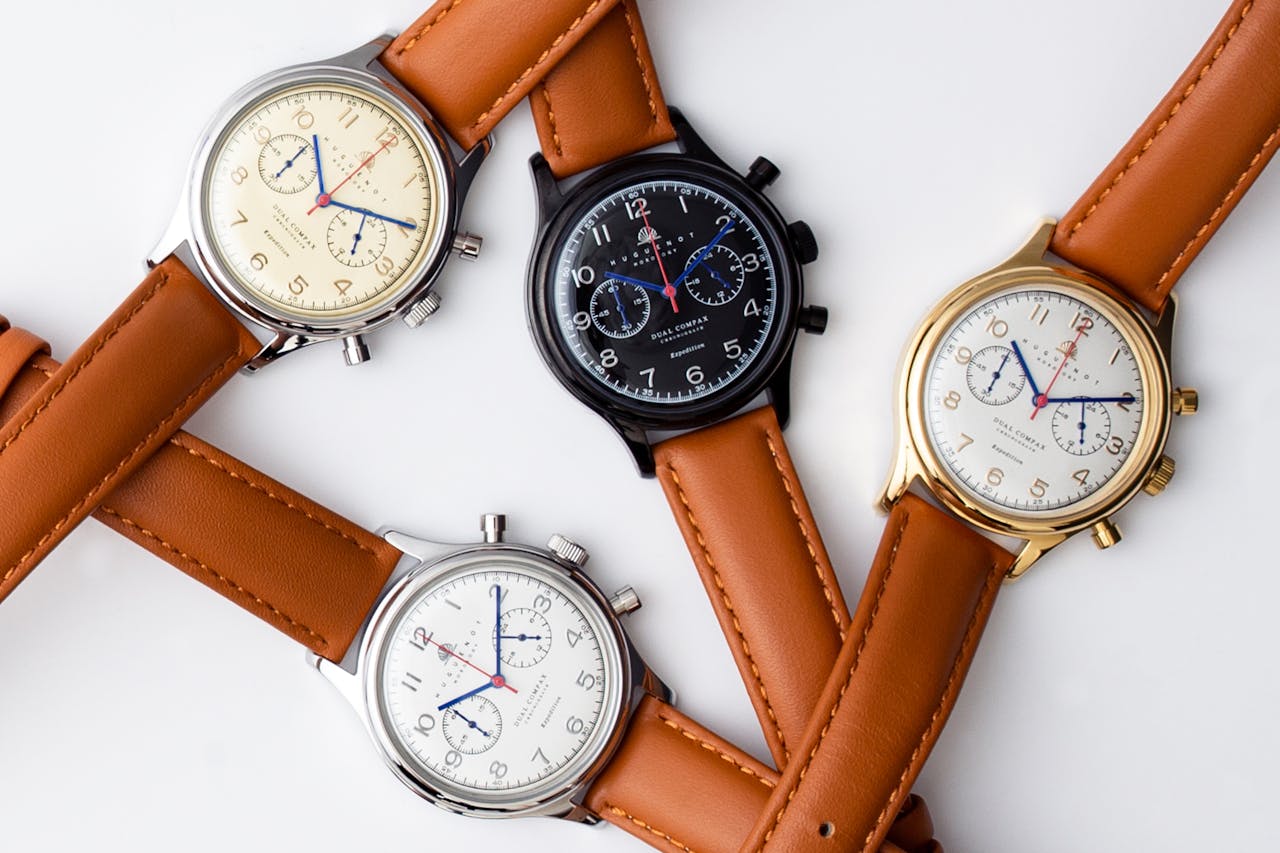
When pricing vintage wristwatches, you should do careful research. Brands like Rolex and Omega are well-known for holding or increasing value over time.
You’ll find that the condition and rarity of the watch play a big role in its price. Limited editions or models with historical significance tend to attract collectors.
Keep in mind that some vintage watches might need repairs or parts that are hard to find. Make sure you understand the watch’s history and authenticity before setting a price.
Mid-century modern furniture pieces by designers like Eames
When you come across mid-century modern furniture, makers like Charles and Ray Eames are key names to know. Their pieces, like the Eames Lounge Chair, mix comfort with style in a way that has stood the test of time.
You should check for authenticity, as original designs from the 1950s and 60s can be valuable. Look for quality materials like rosewood and molded plywood, which are common in these classics.
If you find a genuine Eames piece, it could be worth a good amount. But remember, condition and provenance matter a lot when pricing these items.
Early 20th-century porcelain such as Fajalauza ceramics
If you come across early 20th-century porcelain, Fajalauza ceramics are worth a closer look. These pieces originated in Granada, Spain, and reflect centuries-old ceramic traditions.
Fajalauza ceramics often feature hand-painted designs and a variety of colored glazes. They were used for practical items like bowls and water jugs, as well as decorative tiles.
When pricing, keep in mind their historical roots and craftsmanship. Some pieces may have signs of use or small chips, which can affect value but also show authenticity.
Regency-era mirrors with ornate frames
When you come across a Regency-era mirror, look closely at its frame. These often feature elegant carvings, turned legs, and gilt details that show skilled craftsmanship.
You’ll find that the ornate style reflects the tastes of the early 19th century. Collectors today appreciate their charm and the way they add sophistication to a room.
If you’re pricing one, check the condition carefully. Small damages or wear can affect value, but a well-preserved mirror will be more sought after.