


Many skills that previous generations, like Boomers, learned as part of everyday life are now fading away. These old-school abilities helped them navigate daily challenges without relying on modern technology.
Understanding these lost skills can show you practical ways to be more independent and resourceful today. Exploring them gives a fresh perspective on what life was like before smartphones and apps became central to how we solve problems.
Handwriting with cursive and proper penmanship
You might notice that boomers were often taught cursive as a fundamental skill. Writing letters with flowing, connected strokes was common in schools and seen as a sign of good discipline.
Learning cursive took patience and practice, but it helped make handwriting clear and personal. Today, fewer people learn this skill regularly, which means you might miss out on the benefits of neat, fluid writing.
Practicing proper penmanship can still improve your handwriting, making notes and signatures more elegant. It also engages your brain differently than typing, which can be a useful boost for memory and focus.
Balancing a physical checkbook accurately
Balancing a physical checkbook taught you to keep close track of every expense and deposit. You would write down each transaction and update your balance as you went along. This habit helped you stay aware of your spending in real time.
Each month, you compared your records to your bank statement. This process demanded patience and attention to detail to make sure everything matched perfectly. It was about discipline, not just math.
Though it seems outdated now, balancing your checkbook gave you a clear picture of your finances without relying on technology. It built a valuable skill for managing money carefully.
Using a rotary phone and memorizing numbers
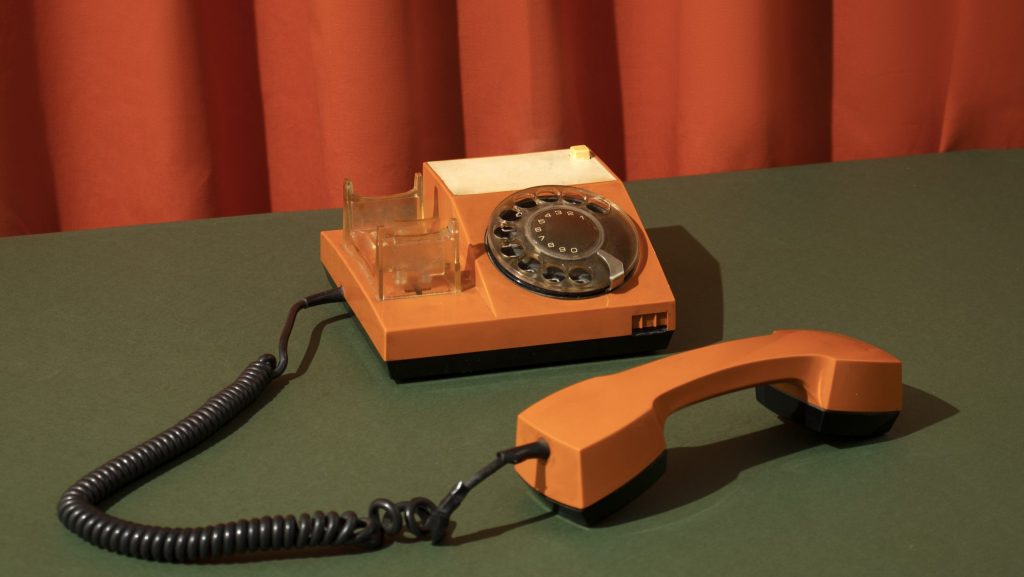
When you used a rotary phone, dialing took time and patience. You had to spin the dial for each number, which helped build finger dexterity.
You couldn’t rely on contacts or speed dial, so remembering phone numbers was important. You probably memorized family, friends, and emergency numbers by heart.
This skill relied on your memory and focus, which is less common today. Using a rotary phone was a simple but engaging way to connect, unlike the instant taps on smartphones now.
Basic home repairs like fixing a leaky faucet
You might remember when fixing a leaky faucet was a common skill. It’s a simple task that saves water and prevents damage. Knowing how to do it can keep small problems from becoming big ones.
You just need a few basic tools like a wrench and replacement washers. Turning off the water supply first is key. Then, you can replace worn parts to stop the drip quickly.
Learning this kind of repair helps you avoid calling a plumber for minor issues. It’s a handy skill that makes maintaining your home a little easier.