People love to roast older folks for griping about “kids these days,” but some of the stuff boomers complain about is genuinely rough. The viral idea of “Things Boomers Get Made Fun Of For Complaining About But Actually Are Pretty Terrible To Be Honest” lands because, underneath the jokes, the numbers back them up. On housing, education, and even basic independence, the gap between what boomers had and what younger adults face is wider than most punchlines admit.
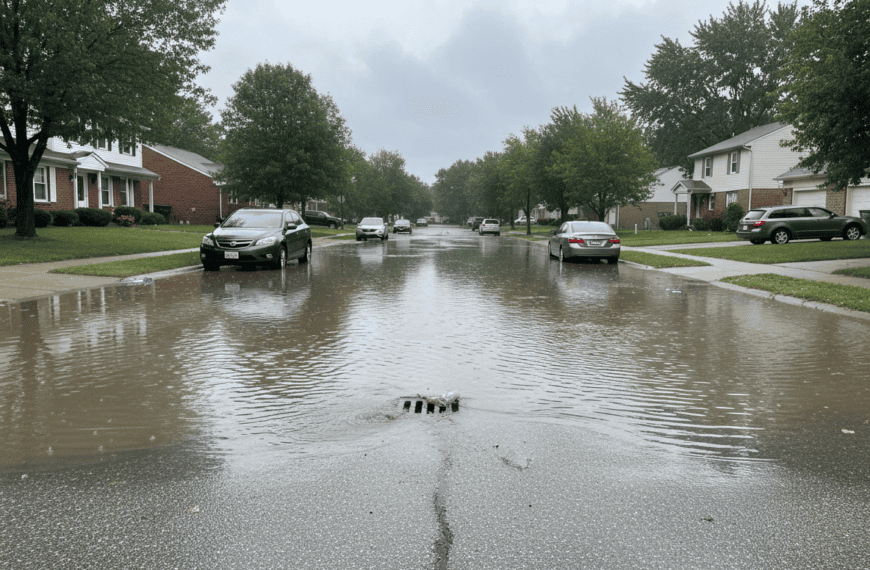
1) Skyrocketing Home Prices That Make Buying a House Feel Impossible
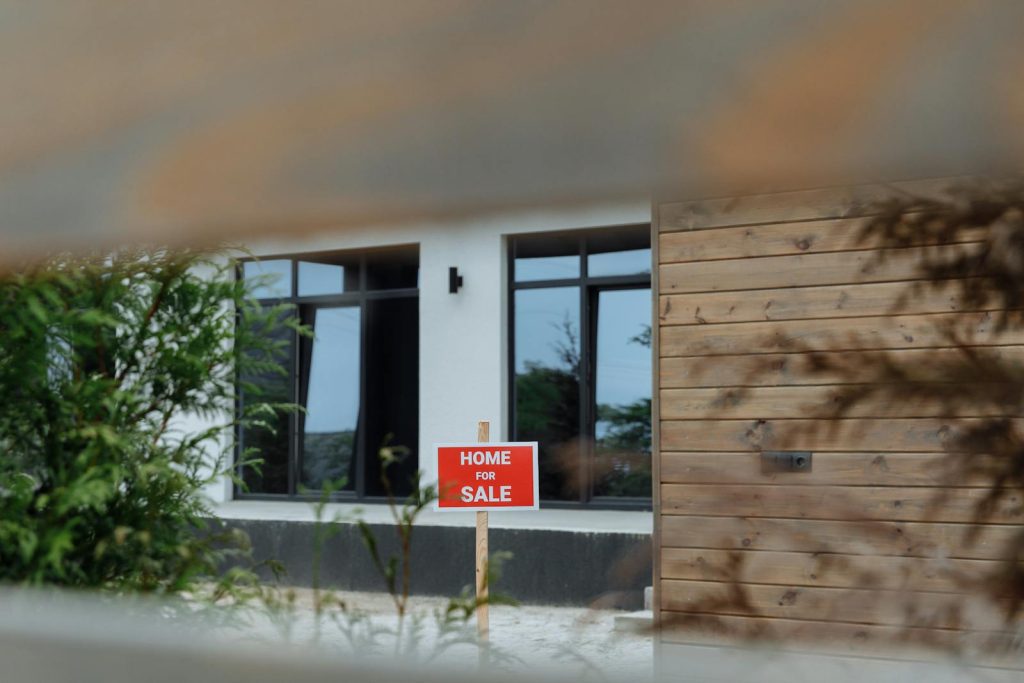
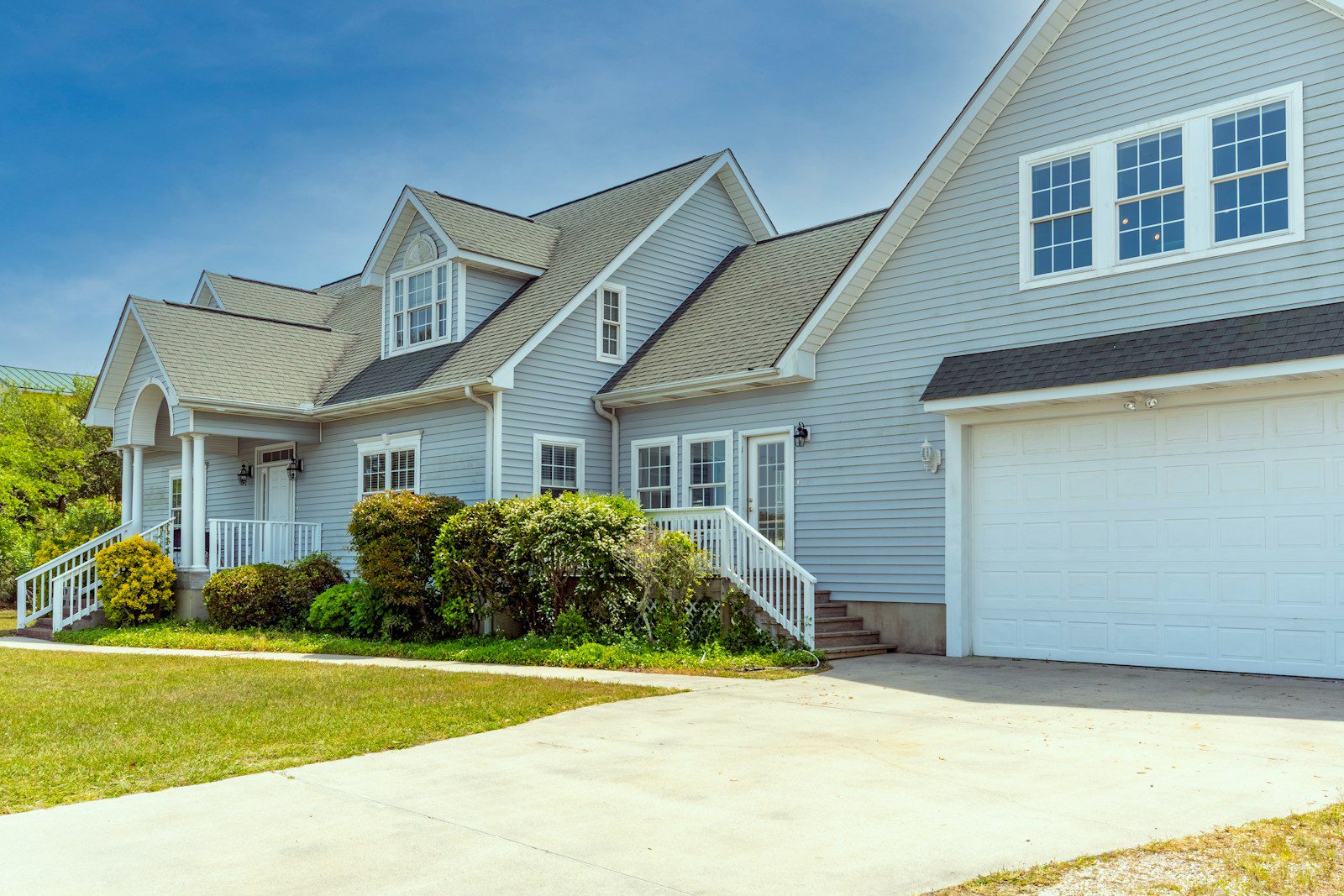
Skyrocketing home prices are the classic boomer sore spot, and the data shows why they deserve more sympathy than eye rolls. The Federal Reserve reports that median home prices for first-time buyers have risen 150% since 1980 after inflation, turning a starter home into a long shot for many younger workers. Back when boomers were buying in the 1970s, U.S. Census Bureau figures cited in a Washington Post analysis show median prices around $23,000, roughly $120,000 in today’s dollars.
That gap is not just a trivia fact, it shapes entire life paths. With prices so much higher relative to incomes, younger buyers delay marriage, kids, and even career moves because they are stuck chasing down payments. When boomers complain that the housing ladder has been pulled up behind them, they are pointing at a structural shift that locks out teachers, nurses, and service workers, not just people who spend too much on streaming apps.
2) Young Adults Stuck Living at Home Longer Than Ever
Another favorite target is boomers grumbling that “kids never move out,” but the numbers show the situation is less about laziness and more about math. A Pew Research Center study found that 52% of 18- to 29-year-olds lived with their parents in 2020, the highest share since the Great Depression. By contrast, only 12% of boomers at the same age did so in 1970, a gap highlighted in The Atlantic.
Economist Richard Reeves put it bluntly, saying that “Boomers entered adulthood during an era of wage growth and affordable education,” which meant moving out was a realistic default, not a luxury. Today’s young adults are juggling higher rents, student debt, and unstable work, so multigenerational living becomes a survival strategy. When boomers complain that the family home feels crowded, they are also, in a way, calling out an economy that no longer supports early independence.
3) College Costs That Have Exploded Beyond Reason
College costs are another area where boomer complaints sound cranky until the receipts come out. According to Bureau of Labor Statistics data, tuition has jumped 213% from 1980 to 2023 even after adjusting for inflation. A Forbes report, drawing on College Board figures, notes that boomer students in the 1960s and 1970s often paid about $358 per year at public universities, roughly $3,000 in today’s dollars.
That kind of pricing meant a summer job at a place like Sears or a local factory could realistically cover tuition and books. Now, even full-time work at a coffee shop or big-box store barely dents a semester bill, so students lean on loans that follow them for decades. When boomers argue that higher education has turned into a debt trap, they are not exaggerating, they are comparing a once-manageable bill to a system that can delay homeownership, family plans, and retirement savings.
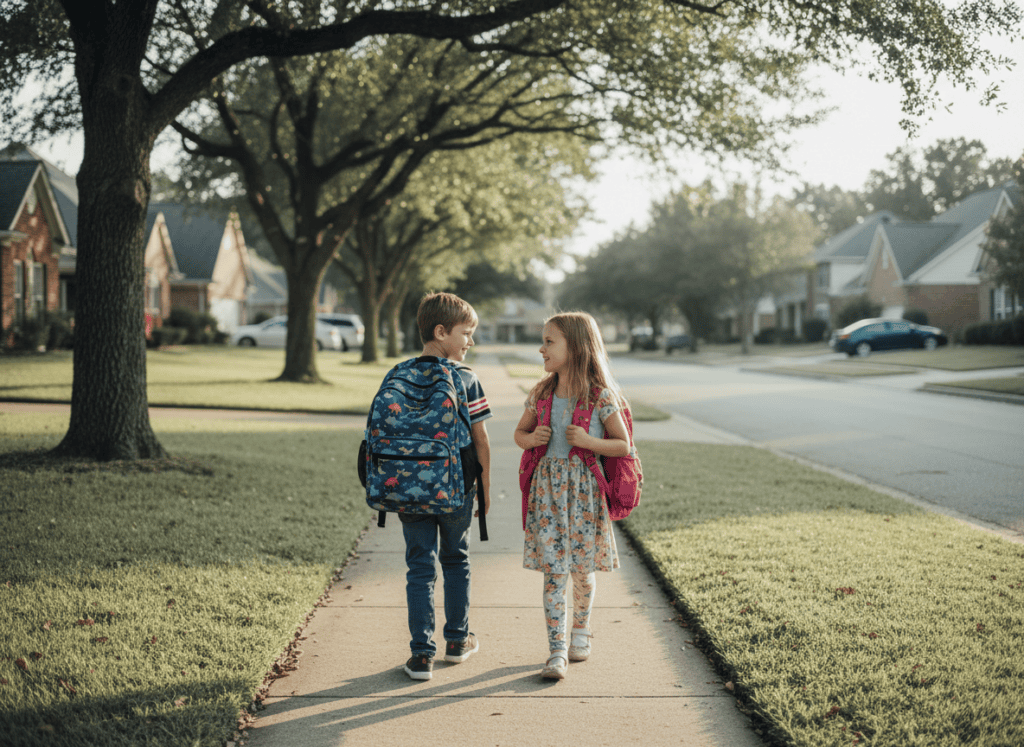
4) Declining Quality in Public Schools and Overcrowded Classrooms
Public schools are another topic where boomer complaints get dismissed as nostalgia, yet current parents and teachers often agree with them. A Gallup poll found that 70% of Americans believe public education quality has declined since the 1970s. Many boomers remember class sizes of 20 to 25 students, compared with today’s averages closer to 30, a shift described in Education Week interviews.
Education historian Diane Ravitch noted that “In the boomer era, schools were funded at levels that allowed for arts, music, and recess without cuts,” which meant kids had more than test prep and crowded cafeterias. Now, budget squeezes and staffing shortages leave teachers stretched thin and enrichment programs on the chopping block. When boomers complain that schools feel more stressed and less humane, they are echoing concerns that affect every family trying to get a decent education out of an under-resourced system.
Supporting sources: 4 Things Boomers Get Made Fun Of For Complaining …, 4 things boomers get made fun of for complaining about …, 8 phrases boomers use that make them sound ungrateful ….
More from Decluttering Mom: