The 1950s brought a wave of new products that quickly became a part of everyday life. Some of these items seemed like great ideas at the time but ended up causing problems or just not working out. You might be surprised to learn that several popular products from that decade were actually pulled off the market.
If you’ve ever wondered which 1950s products didn’t stand the test of time and why they disappeared, this article will give you a quick look. It’s interesting to see how changing safety standards and consumer preferences shaped what stayed around and what got tossed.
Lawn Dart Games
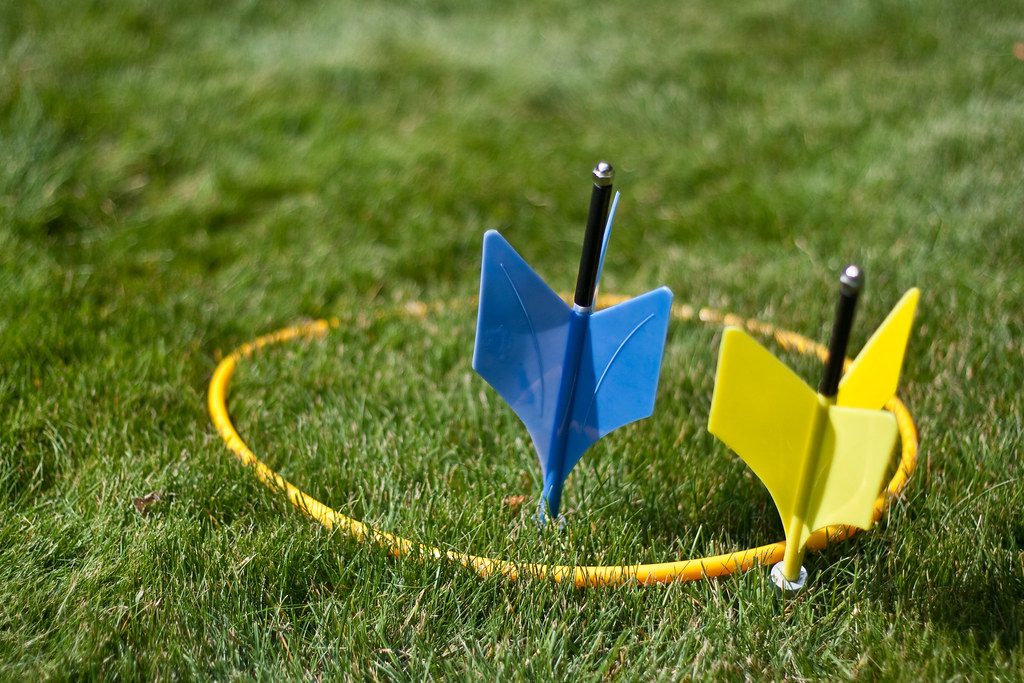
If you ever played lawn darts, you know they were a popular backyard game in the ’50s. The goal was simple: toss heavy darts into a circle on the ground. It sounds fun, but the darts had sharp metal tips, which made the game risky.
You might be surprised to learn these darts caused thousands of injuries. By the late ’80s, after some serious accidents, they were banned in the U.S. Even stores moved them away from toy sections to sporting goods, but kids still found ways to play. Today, lawn darts are mostly remembered as a dangerous blast from the past.
Radium Water Toothpaste
You might be surprised to learn that in the 1950s, some toothpastes contained radium. It was marketed as a way to brighten your smile and improve dental health.
Back then, people believed radiation had health benefits, so radium was added to things like toothpaste to attract buyers. But as the dangers of radiation became clear, these products were quickly taken off shelves.
Using radium toothpaste wasn’t safe, and long-term exposure could cause serious harm. Luckily, today’s toothpaste focuses on cleaning and protecting your teeth without any radioactive ingredients.
Carter’s Little Liver Pills
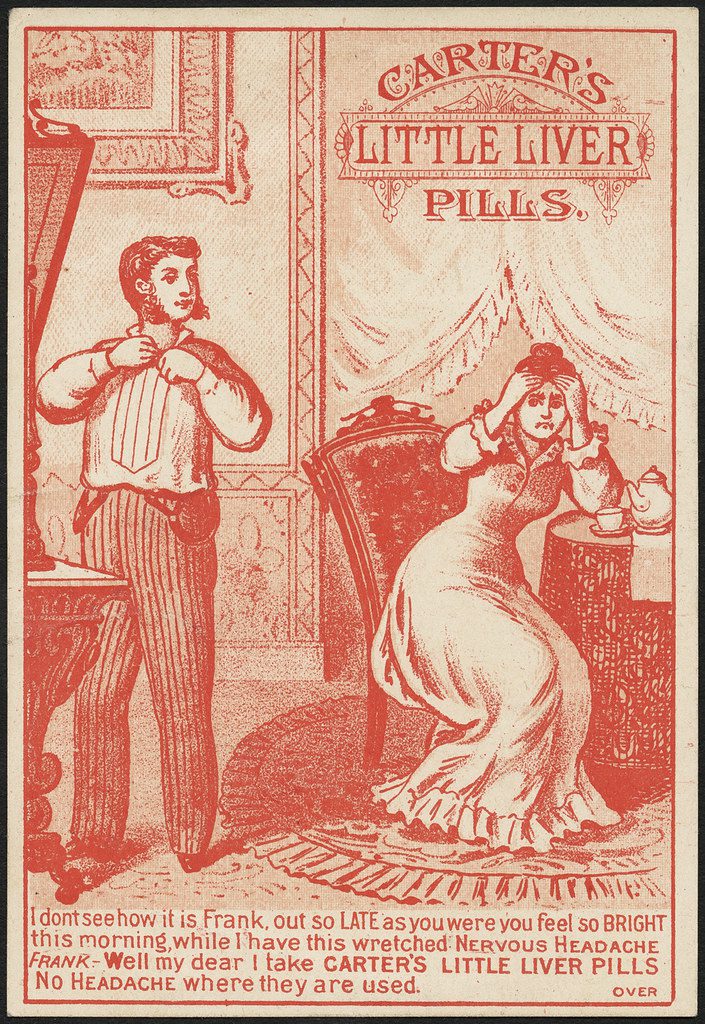
You might have heard of Carter’s Little Liver Pills back in the day. They were marketed as a cure for things like headaches and constipation, but their name was a bit misleading.
At one point, the Federal Trade Commission stepped in and told the makers to drop “liver” from the name since the pills didn’t actually affect your liver. Instead, they mainly worked as a laxative.
The original formula included ingredients like aloe and podophyllum, but concerns over toxicity eventually led to the product being taken off the market. Today, you can think of them as a snapshot of old-time medicine and marketing.
Candy Cigarettes
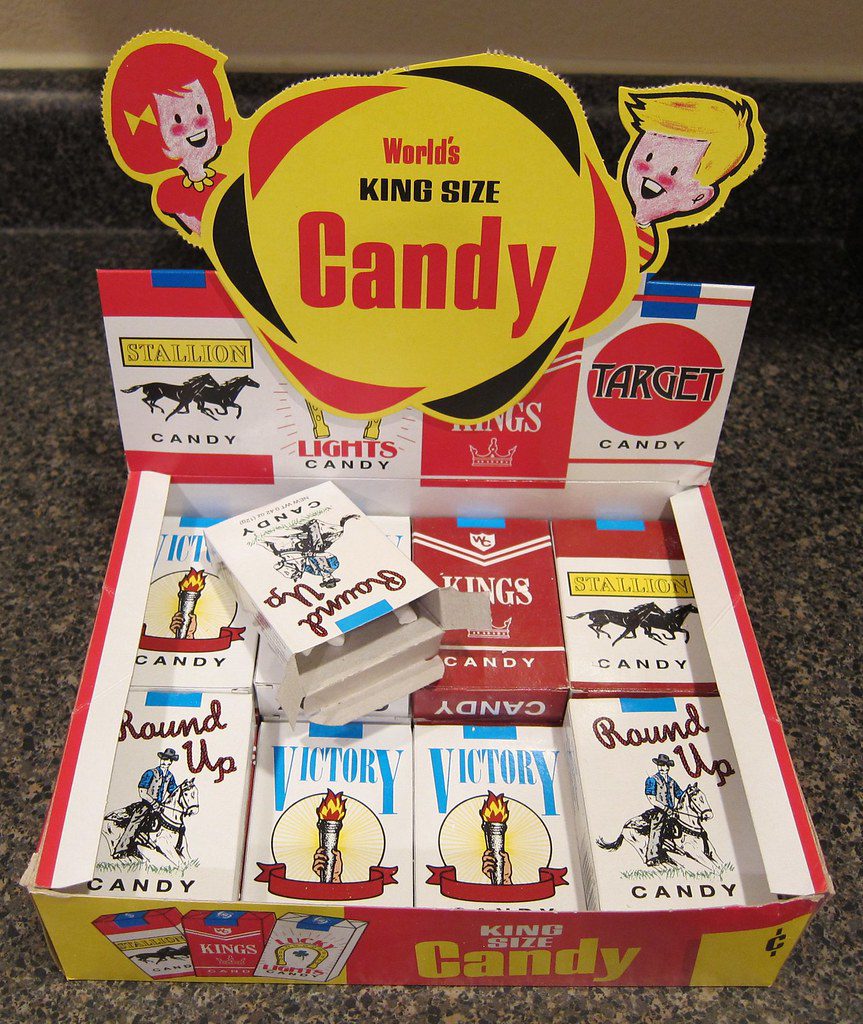
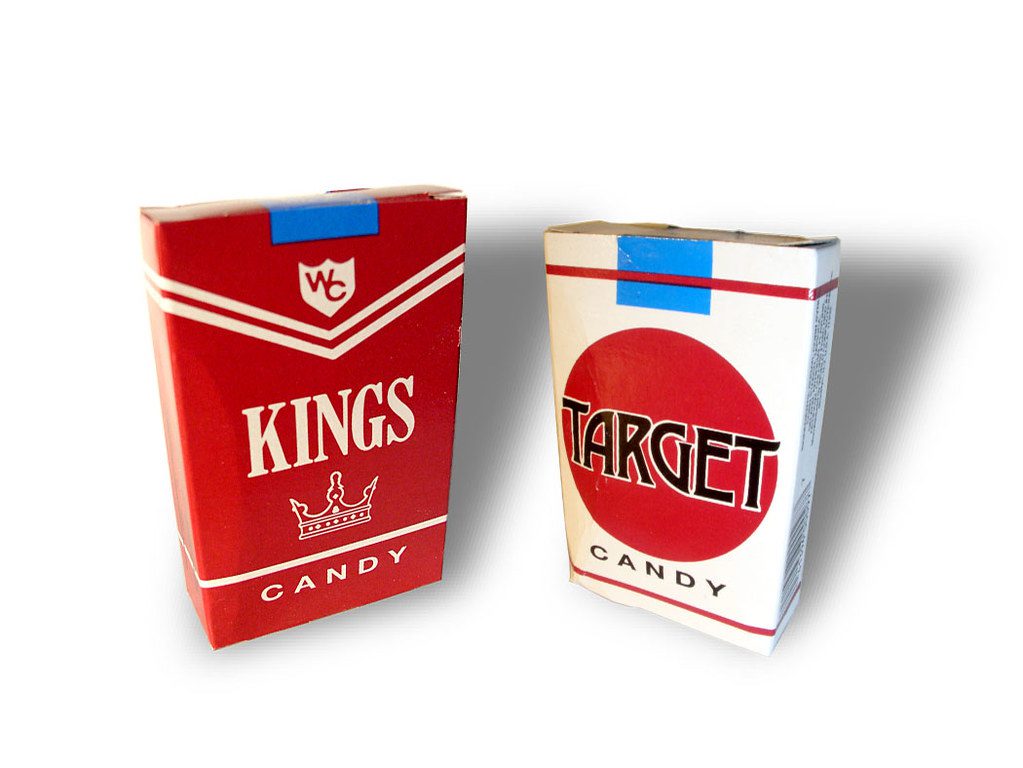
You probably remember candy cigarettes looking just like the real thing. Back in the ’50s, they were super popular and even used real cigarette brand designs.
At the time, no one worried much about smoking’s health effects, so these sweets didn’t raise many eyebrows.
But as awareness grew about smoking risks, candy cigarettes started getting a bad rap. By 2009, they were banned by the FDA because they could encourage kids to think smoking was cool.
Today, you might still find candy sticks that resemble cigarettes, but full-on candy cigarettes are mostly gone from shelves.
Rejuvenique Facial Toning Mask
If you’re looking for a strange piece of beauty history, the Rejuvenique Facial Toning Mask is a wild one. It was marketed in the late ’90s as a device that used electric shocks to tone your facial muscles.
You’d strap it on for about 15 minutes, hoping to tighten your skin. The mask ran on a 9-volt battery and looked more like a torture device than a beauty tool.
Many people found the experience uncomfortable, and it didn’t last long on the market. Today, it’s mostly remembered as a quirky failure in skincare tech.