


You probably still have boxes of items you once thought would pay off later — stuffed toys, knickknacks, or decorative plates — and it’s time to know whether they’re clutter or cash. This article shows which once-hot collectibles now struggle to find buyers so you can decide what to keep, sell, or toss.
Flip through each short section to see why certain trends lost value, which pieces might still surprise you, and practical next steps for clearing space or listing items for sale.
Beanie Babies
You probably remember lining up for Beanie Babies in the 90s, hoping one would be worth a fortune someday. Most turned out to be common and low-value, though a few rare Ty errors still fetch high prices.
Check your tags and condition carefully; mint-condition, correctly tagged rares matter most. For a quick guide to which specific Beanie Babies can be valuable, see this list of most valuable Beanie Babies.
Longaberger Baskets

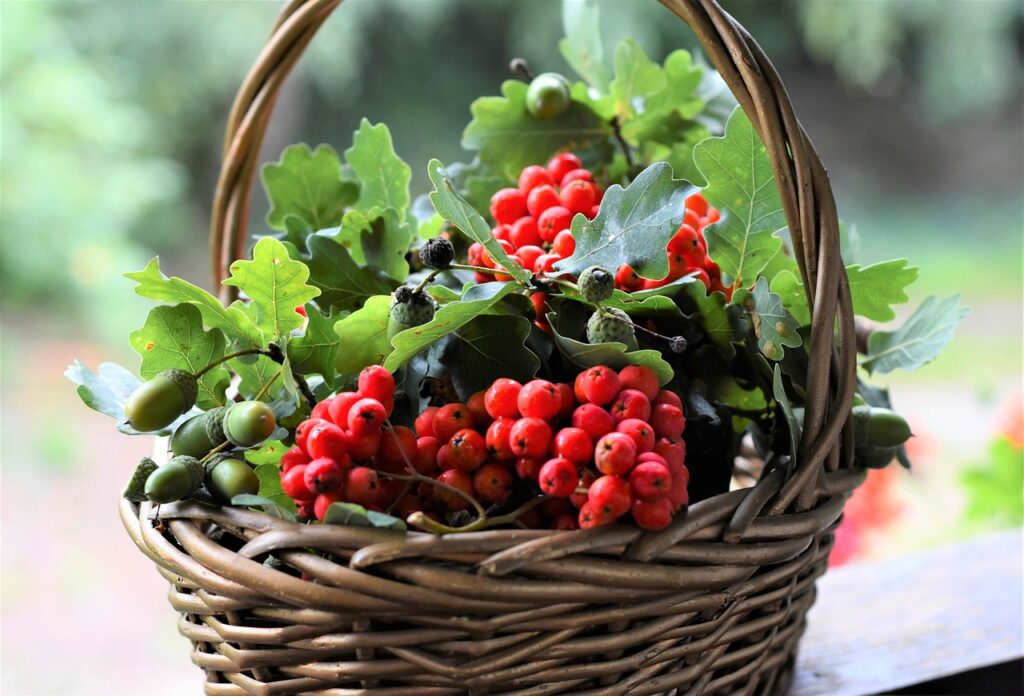
You probably grew up spotting Longaberger baskets at garage sales and thrift stores. Once highly sought after, many now sit unsold because production was large and tastes shifted.
Check for maker signatures and limited editions before you assume value. Rare pieces can still sell, but most common baskets fetch only modest prices.
See a guide on identifying collectible patterns and marks for more detail: Longaberger identification tips (https://antiquesknowhow.com/longaberger-baskets/).
Big-eyed Figurines from the 80s and 90s
You probably remember those oversized-eyed ceramic girls and anime-style figures that flooded thrift stores. They once seemed destined to be valuable keepsakes, but demand cratered as tastes shifted and production rose.
Collectors now favor rarer lines or mint-condition pieces, so common big-eyed items often sit unsold. If you own one, check specialized listings like vintage Big Eye Figurine sales before assuming it’s worth much.
Porcelain Collectible Plates
You probably inherited or picked up decorative porcelain plates thinking they’d appreciate.
Many turn out to be common mass-produced pieces with low market demand, especially those from 1970s–90s gift programs.
Condition, maker marks, limited editions, and artist signatures still matter, so check backs for stamps and crazing.
If you want to sell, photograph details and try niche collectors before pricing them like antiques.
For identification help and value ranges, consult guides on valuable vintage plates.
Old Costume Jewelry
You probably inherited sparkly brooches and rhinestone necklaces that looked valuable at a garage sale.
Many mid-20th-century pieces were mass-produced, so condition, maker, and original packaging matter more than age.
Learn to spot collectible names like Miriam Haskell or Eisenberg and check for hallmarks or construction details.
If you just have generic clip-on earrings or plated chains, buyers often pass unless a specialist recognizes the maker.
Check dressers against guides like this vintage costume jewelry value guide.
More from Decluttering Mom: