


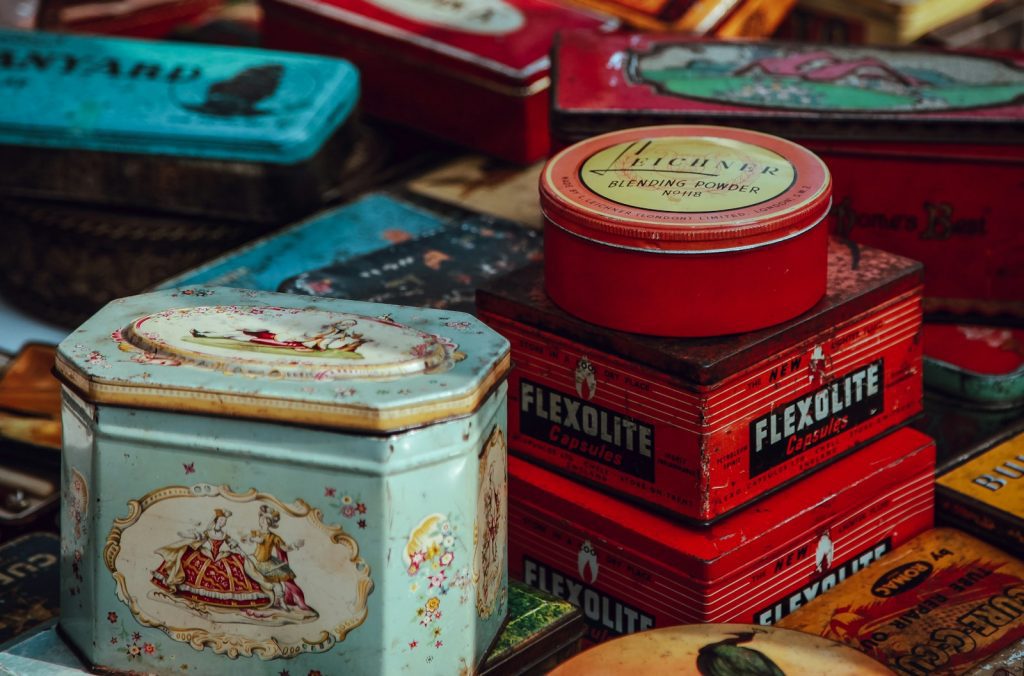
I’ve often wondered how to tell if a vintage item I find is actually valuable or just a cool piece to decorate my home. The truth is, spotting something truly valuable isn’t just about age or how nice it looks. The key is checking for authentic details like maker’s marks, quality of materials, and the condition of the item, which together reveal its true worth. When I started learning about vintage items, I realized that understanding the story behind an item—its rarity, craftsmanship, and market demand—can make all the difference. Even subtle clues like handmade details or original finishes can hint at real value. This blend of detective work and knowledge makes finding valuable vintage treasures much more exciting.
Whether you’re an experienced collector or just curious about that old piece in your attic, knowing what to look for helps you avoid overpaying for fakes or missing out on hidden gems. I’ll share tips that make it easier to separate the truly valuable from the charming but less valuable items, so you can shop and collect with confidence. For more detailed guidance on identifying authentic antiques, check out this guide on how to identify authentic antiques and collectibles.

Key Signs of Value in Vintage and Antique Items
When I look at vintage or antique items, I focus on specific details that reveal their true worth. These include age, authenticity marks, the materials and craftsmanship involved, and how the item has held up over time. Each factor helps me separate valuable pieces from the ordinary ones.
Understanding Age: Vintage vs. Antique
One of the first things I check is the age of the item. Antiques are usually defined as being at least 100 years old, while vintage items are generally between 20 and 99 years old. Age alone doesn’t guarantee value, but it sets a baseline.
To pinpoint age, I look into design styles and manufacturing methods from different eras. Provenance or ownership history can confirm authenticity and period. Sometimes, tools like UV light reveal newer paints or repairs, helping me avoid overvalued restorations.
Importance of Maker’s Marks and Signatures
Maker’s marks, signatures, or hallmarks are like a fingerprint for an item. I always turn over or inspect every part to find these stamps, often hidden on the back or underside.
A well-known maker’s mark can significantly increase value. Even faint or worn marks can be identified through careful comparison with trusted databases. Signatures from artisans or brands that produced limited runs make a piece more collectible and sought after.
Identifying Authentic Materials and Construction
Materials tell a story about quality and period. I use simple tests, like a magnet for silver, or a close look at wood grain or metal oxidation, to assess authenticity.
Handcrafted details such as uneven stitching or hand-cut dovetail joints indicate pre-industrial craftsmanship. These traits usually mean an item was made before mass production, which often adds to its value. Synthetic or machine-made elements often point to newer, less valuable items.
Assessing Condition and Wear Patterns
Condition matters a lot to me, but I don’t expect perfection. Genuine wear patterns, like subtle chips, fading, or aging, confirm that an item is genuinely old.
I watch out for signs of poor restoration or over-cleaning, which can reduce value. However, professional restoration is sometimes beneficial. Each scratch or worn spot can either add charm or lower appeal, depending on how it affects the item’s integrity and originality.
How to Authenticate Craftsmanship and Originality
Knowing how to spot authentic craftsmanship and original details is essential to understand a vintage item’s true value. By carefully examining construction methods, natural aging, and identifying marks, you can separate genuine pieces from reproductions and gain confidence in your assessments.
Detecting Handcraftsmanship and Joinery Techniques
When I look closely at vintage furniture, the joinery is a key place to start. Hand-cut dovetail joints are a strong sign of quality craftsmanship, especially in drawer corners. These joints usually have slight irregularities, showing they were made by hand.
Traditional joinery methods like mortise and tenon or finger joints also reveal a piece’s authenticity. I use a magnifying glass to check for tight fits and clean cuts in joints. Poor craftsmanship often shows obvious glue, staples, or cheap screws, which I watch out for.
Good joinery doesn’t just look solid—it feels seamless. I always check lesser-seen areas, like undersides or drawer sides, since honest constructions hide their joints well.
Spotting Patina, Oxidation, and Natural Aging
Patina is one of my favorite signs of authenticity. It’s the subtle color changes and surface texture vintage items develop over time. Genuine patina looks natural—darker shades where light rarely hits, and smooth wear on edges or handles.
Oxidation on metal parts can also tell me a lot. Brass or bronze hardware with a soft, even oxidation is a clue these pieces have aged naturally. I carefully compare wear on buttons, hinges, and pulls against the wood’s aging patterns.
Fake aging usually appears uneven or forced, with random scratches or discoloration that don’t make sense for how the item would normally be used. To spot this, I examine the item in different light and from all angles.
Recognizing Hallmarks and Country of Origin
One of the best ways I verify originality is by finding hallmarks or maker’s marks. These often hide inside drawers, under furniture, or on the back panels. A hallmark can be a stamped symbol, a metal tag, or even a handwritten signature.
Knowing the country of origin helps too. It tells me about the likely craftsmanship style and materials used. For instance, some countries favored specific wood types or decorative details.
If a hallmark is faint, I use a magnifying glass to read it clearly. Even if a piece isn’t marked, understanding common marks from respected regions helps me identify authenticity by comparison.
Distinguishing Valuable Pieces from Reproductions
Knowing how to separate genuinely valuable vintage items from reproductions can save you a lot of trouble and money. It often comes down to spotting signs of modern manufacturing, understanding rarity, and recognizing style cues from specific periods or categories.
Identifying Modern Reproductions and Artificial Distressing
One of the biggest challenges is detecting modern reproductions that have been artificially aged to look vintage. These pieces might show uniform wear or distressing that looks too perfect or evenly applied. For example, a chair with scratches in areas people rarely touch could be a red flag.
Pay close attention to materials. Modern reproductions often use particle board or MDF instead of solid wood. Look under tables, inside drawers, or on the back of furniture to peek for these clues. Synthetic fabrics in upholstered pieces, especially if labeled “vintage,” might mean it’s a reproduction.
Hardware matters too. Screws, nails, and handles from older pieces often show irregularities and wear consistent with age. Machine-made joints in newer pieces often look too precise. Spotting these details builds confidence in knowing what’s truly vintage.
Evaluating Rarity and Limited Production
Rarity is a key factor in value. Items mass-produced for long periods, even if old, might not be valuable compared to limited run or one-of-a-kind pieces. Production numbers, especially for collectibles like glassware or fine jewelry, can help determine this.
Research is essential here. Knowing which brands or makers produced limited editions or exclusive runs allows me to spot rare finds. Solid gold or silver antiques usually hold more value than similar pieces made from cheaper alloys.
Also, unique features like unusual colors, design quirks, or artist marks can increase rarity. These subtle differences often mean an item wasn’t part of a common batch, adding to its collectible appeal.
Spotting Style Cues: Mid-century Modern, Fine Jewelry, and More
Certain styles and periods are highly sought after, like mid-century modern furniture or vintage fine jewelry. These have distinct design traits I look for—clean lines, tapered legs, and minimalist hardware for mid-century modern pieces, for example.
In fine jewelry, the metal type, gemstones, and craftsmanship indicate age and value. Handmade settings and hallmarks are particularly telling. Synthetic gems or poorly finished details often point to less valuable modern pieces or reproductions.
When I inspect any item, understanding its characteristic style helps me judge if it’s authentic or a reproduction inspired by a popular era. This knowledge sharpens my eye and helps avoid paying full price for something that isn’t truly vintage. For more detailed information on distinguishing between new and old items, you can check this guide on antique reproductions vs genuine antiques.
Research, Appraisal, and Market Trends
When I want to understand the true value of a vintage item, I focus on its history, expert evaluations, and current market interest. These elements help me build a clear picture of worth beyond just the item’s appearance or age.
The Role of Provenance in Value
Provenance is like the biography of a vintage item. Knowing where it came from, who owned it, and its historical significance can add real value. For example, a piece with documented ties to a famous maker or event often commands a higher price.
I always try to gather any certificates, receipts, or records of ownership. This helps confirm authenticity and can explain why a specific item is rare. Without provenance, even something that looks valuable may be worth much less.
Researching provenance isn’t just about history—it’s about trust. Buyers and appraisers often want reassurance that an antique or collectible really is what it claims to be. You can learn more about researching provenance from detailed guides like this post on how to research the provenance of vintage items.
Consulting Price Guides and Professional Appraisers
Price guides and professional appraisals are essential tools I rely on to understand market value. Online guides list past sale prices and trends, which give me a benchmark for similar vintage items or antiques.
When an item is especially rare or has complicated details, I seek out a certified appraiser. Professionals offer expertise that can catch things I might miss, like subtle flaws or signs of restoration. Their unbiased evaluation can also support insurance or resale efforts.
I recommend using price data from reputable sites like WorthPoint or auction records from eBay Sold Listings to make more informed decisions. Always cross-check multiple sources to avoid over- or undervaluing your find.
Monitoring Demand and Market Value
Keeping an eye on what’s popular right now helps me understand if my vintage item has strong buyer interest. For example, mid-century modern furniture and vintage jewelry are currently in demand, which can boost value.
I monitor auction results and collector forums to see how prices change over time. This helps me spot trends and decide when to sell or hold onto pieces.
Sometimes, an item’s demand fluctuates with changing tastes, so staying informed means I’m less likely to miss opportunities or get stuck with something harder to sell. You can explore current interest in collectibles and antiques by visiting community discussions on CoinTalk and PCGS Forums.