Tackling home repairs yourself can feel rewarding and cost-effective, but not every fix is as straightforward as it seems. Sometimes, what looks like a simple project can actually cross legal lines, leading to fines or other penalties.
Knowing which DIY fixes might get you into trouble helps you avoid unexpected costs and headaches down the road. Before grabbing your tools, it pays to understand the risks involved with certain home improvements.
Unpermitted electrical rewiring

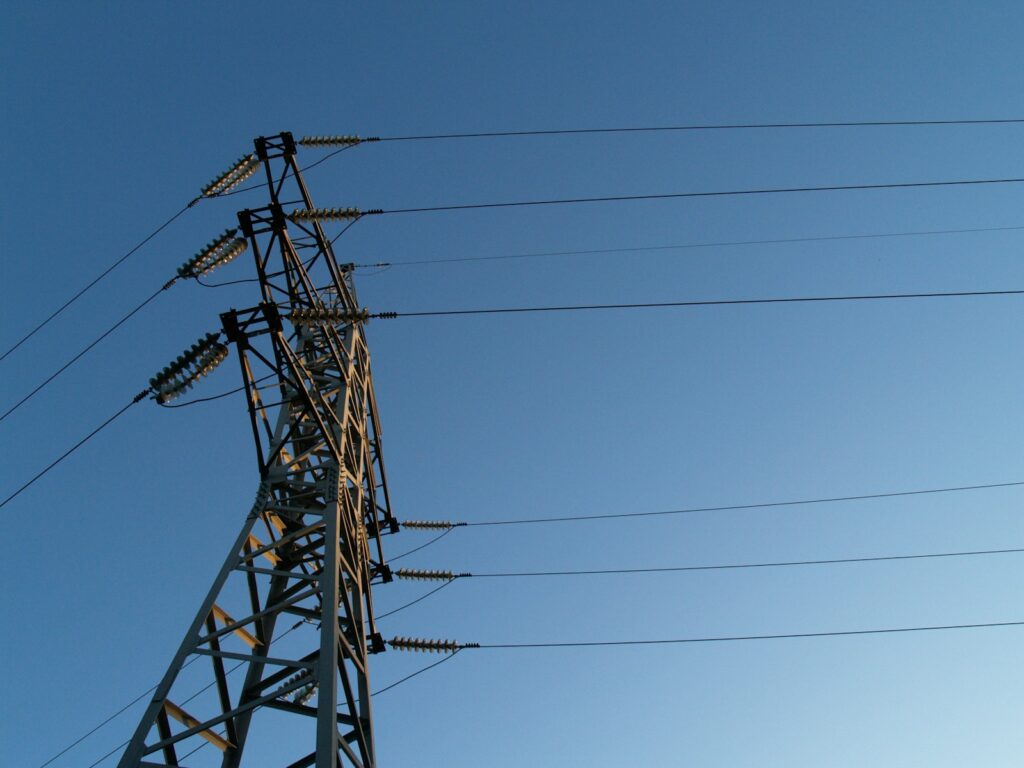
If you try to rewire parts of your home without getting a permit, you could face fines. Electrical work needs to follow strict safety codes to avoid fire risks and other hazards.
Even simple tasks like swapping outlets usually require approval. Without a permit, no one checks if the work is safe or up to code.
Doing electrical rewiring yourself without permission might not only endanger your home but also cause trouble with your insurance if something goes wrong. It’s usually better to hire a licensed professional and avoid the risk.
DIY gas line repairs
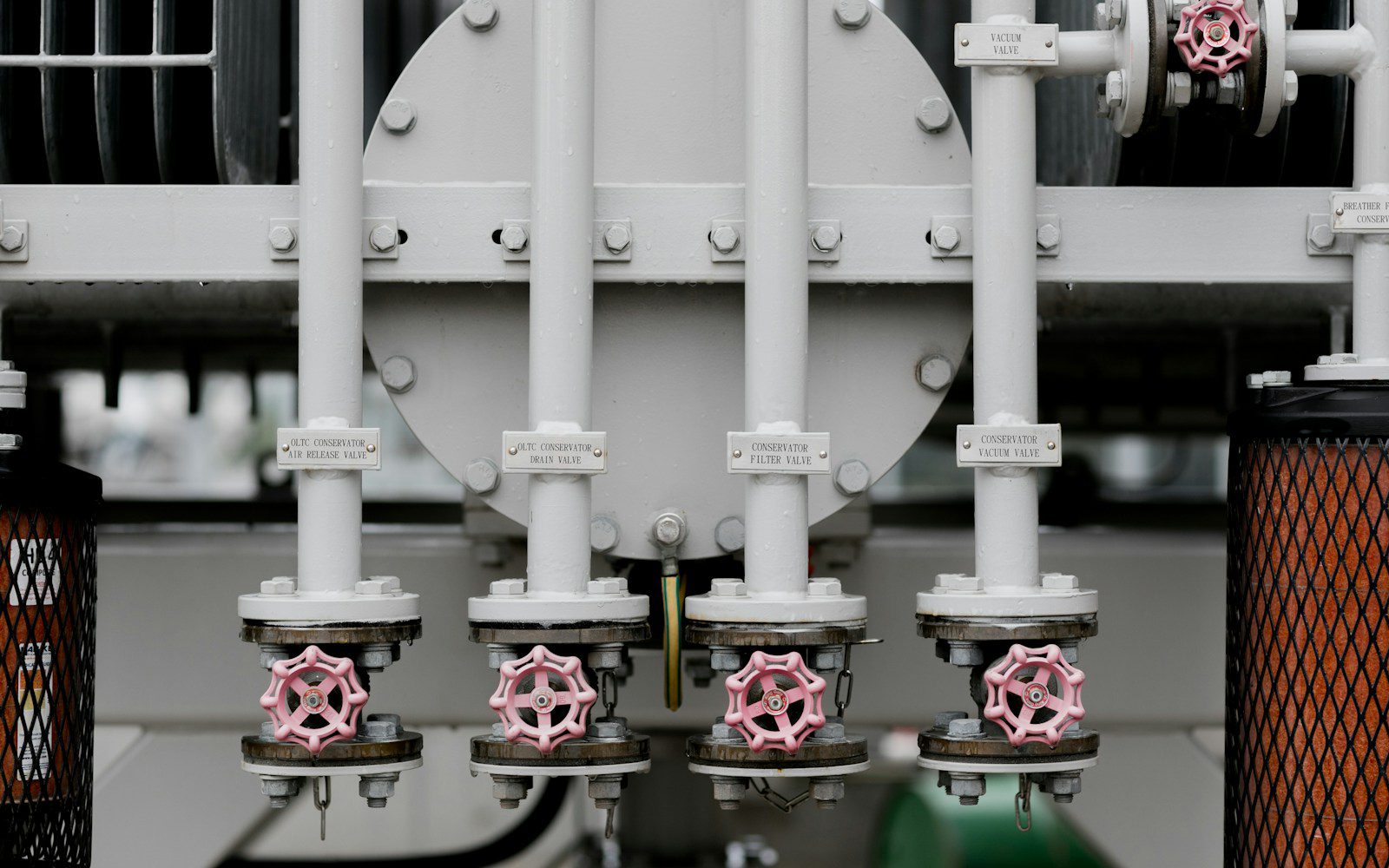
Fixing your gas line yourself might seem like a quick way to save money. But gas lines are tricky and dangerous if not handled correctly.
If you try a DIY fix, you could miss a small leak or use the wrong materials. This can lead to fines, safety risks, or bigger problems later.
Most local laws require gas line repairs to be done by licensed professionals. They have the tools and knowledge to do it safely and pass inspections.
So, it’s best to call a pro for any gas line issues. This keeps you safe and avoids potential legal trouble.
Building a fence over six feet without a permit
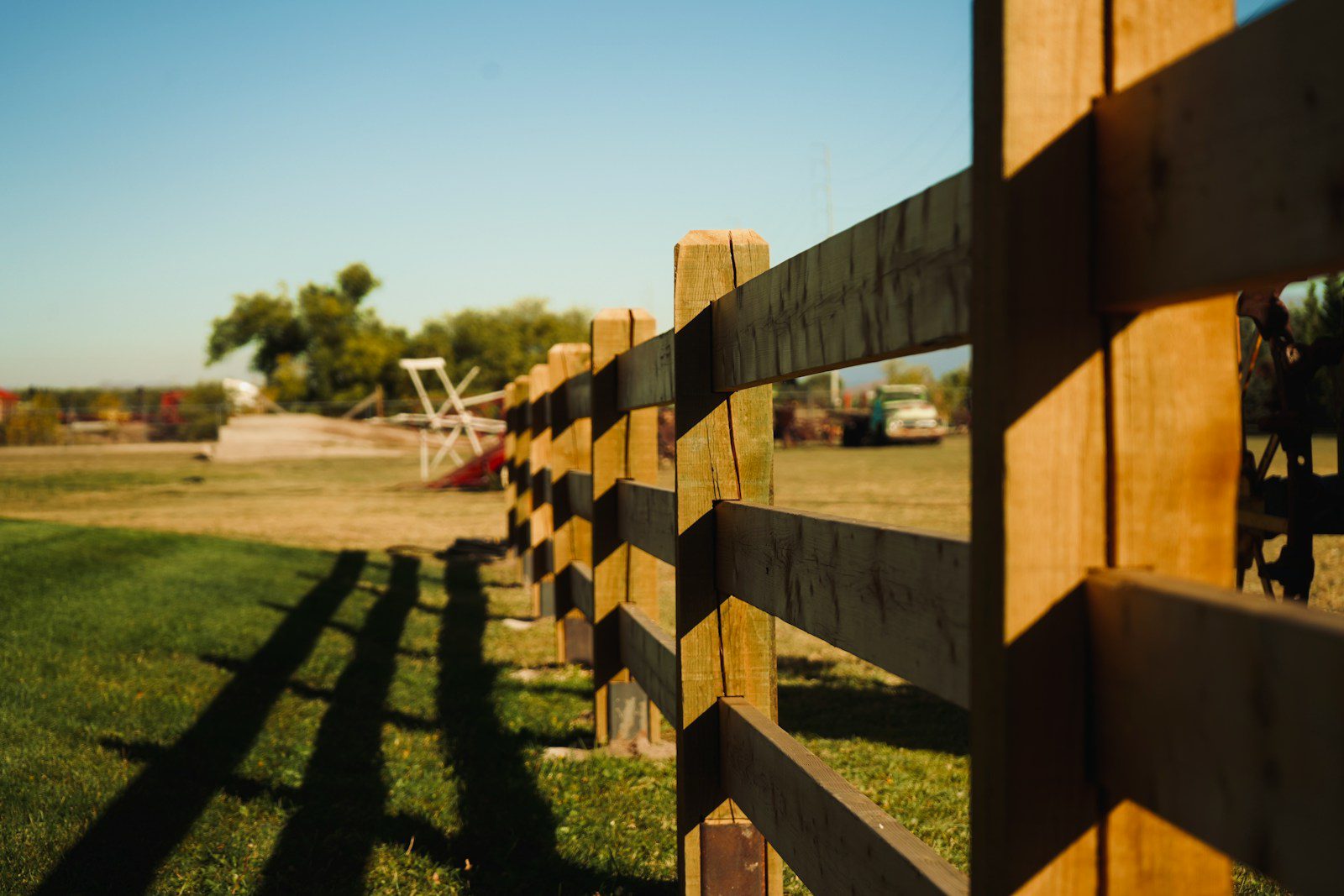
If you decide to build a fence taller than six feet without getting a permit, you’re likely breaking local rules. Many places have height limits for fences, and anything over six feet usually needs official approval.
Skipping the permit can lead to fines or even having to tear down the fence. Plus, you might have to pay fees to get the permit after the fact.
It’s a good idea to check your area’s rules before you start. That way, you avoid headaches and keep your fence project hassle-free.
Major foundation structural fixes
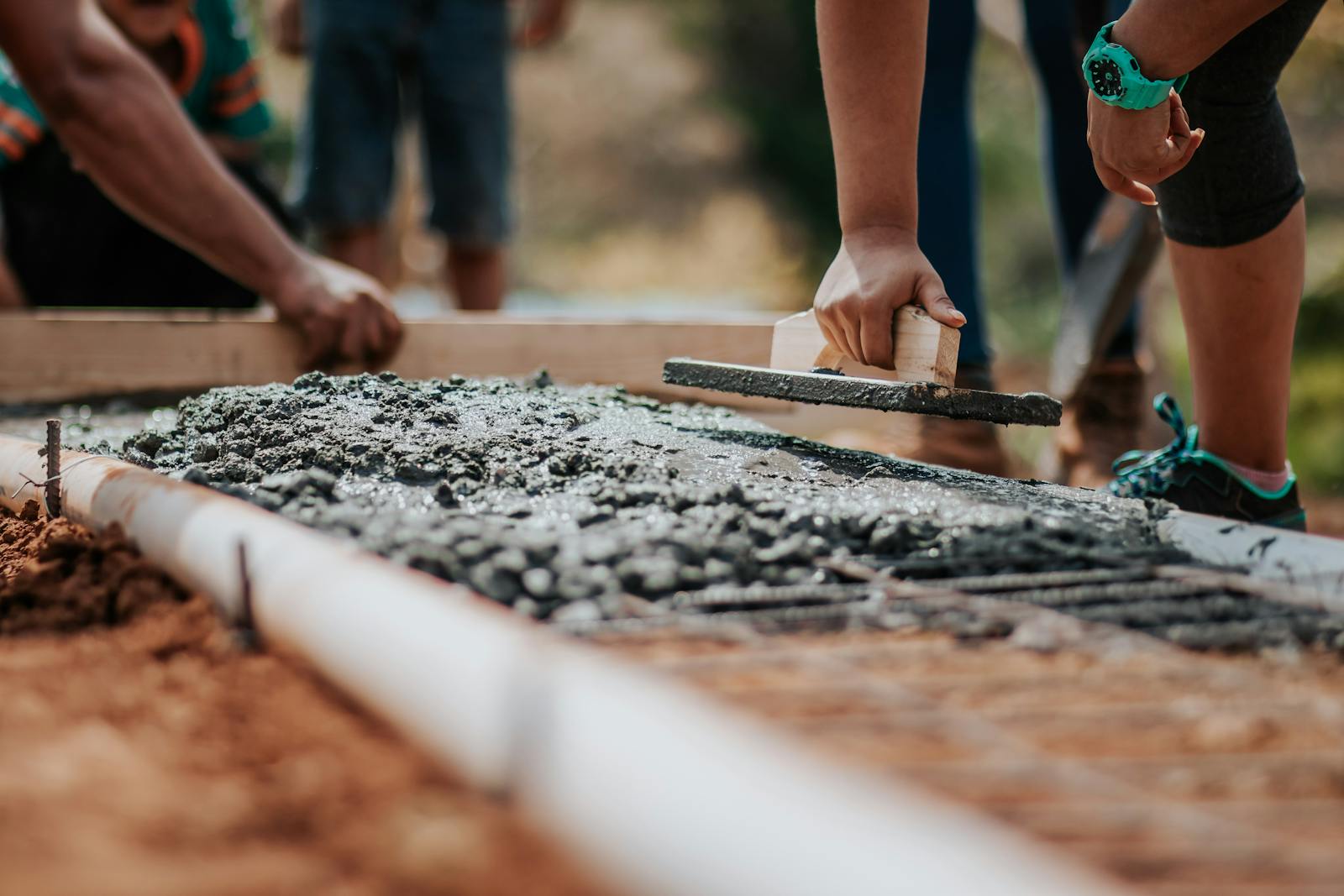
If you’re dealing with major foundation issues like large cracks, bowing walls, or severe settling, DIY is not the way to go. These problems require professional tools and expertise to fix safely and legally.
Trying to handle big structural repairs yourself could lead to fines or code violations. Permits are often required for foundation work, and improper repairs can make things worse.
It’s best to call a licensed contractor for major foundation fixes. They’ll ensure the job meets local building codes and keeps your home safe for the long run.
Replacing a water heater without paperwork
If you replace your water heater yourself without getting the required permits or inspections, you could face fines. Many local laws require paperwork to ensure the installation is safe and up to code.
Skipping this step might save time upfront, but it risks unsafe plumbing or electrical work. Inspectors need to verify everything meets safety standards, especially with gas or electric connections.
Always check your local regulations before starting. Doing it without proper paperwork could lead to costly penalties or having to redo the job later. Getting approval keeps your home safe and avoids legal trouble.