


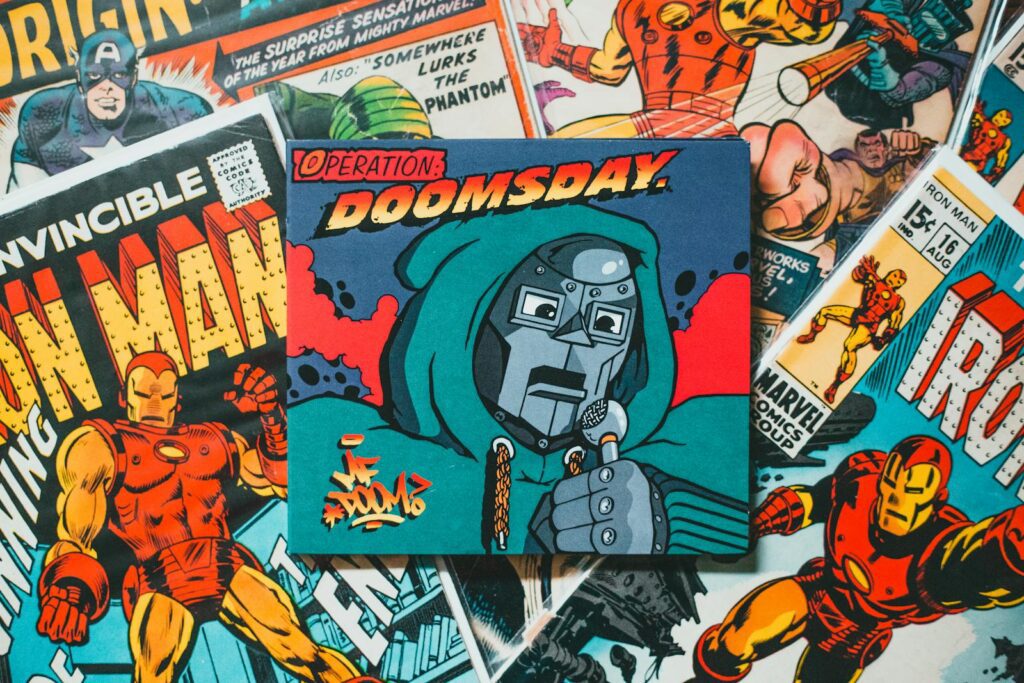
You stroll through stalls full of odds and ends and feel the thrill that something ordinary might hide real value. You can uncover items like old glassware, comics, records, paintings, or coins that sell for far more than their price tags suggest.
This article shows how to spot those possibilities and why tiny details—condition, signature, rarity, or mint state—change an item’s worth. Keep your eyes sharp and your questions ready; a great find may be closer than you think.
Depression Glass Pieces
You might pass over colorful glassware at a flea market, but some Depression-era pieces sell for serious money. Look for rare colors like cobalt or certain patterns with crisp mold lines and minimal chips.
Check for subtle manufacturing marks, small bubbles, or straw lines—these often indicate authenticity. Use pattern guides and the identification tips in this Depression glass ID guide to spot valuable finds.
Vintage Comic Books

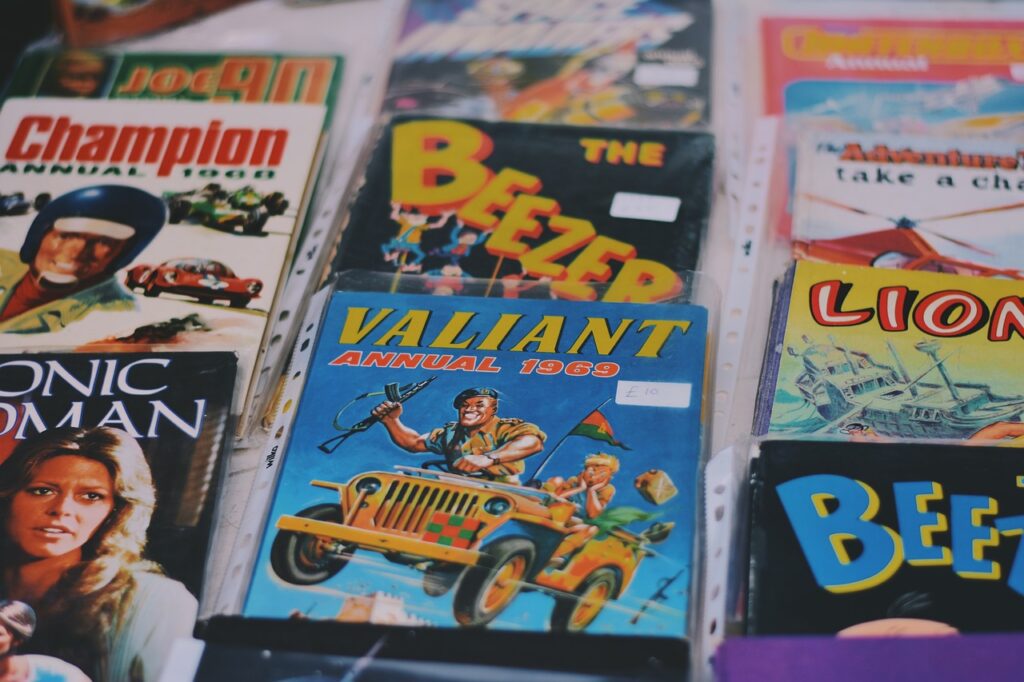
You might pass a bulging box of old comics without a second look.
Key issues, first appearances, or early runs can be worth significantly more than cover price if they’re rare and in good condition.
Look for famous first appearances or well-preserved Golden and Silver Age issues.
Use online price guides and consider professional grading before selling to confirm value.
Check condition carefully—pages, spine, and cover matter.
Small details can change a comic from common to collectible.
Signed Vinyl Records
If you spot a record with a signature, check the back and inner sleeve for matching handwriting or a certificate.
Signatures from major artists or full-band autographs can raise a record’s value, but condition and provenance matter as much as the autograph.
Look up examples of rare signed pressings and comparable sales before you buy or sell; verified sales data helps set realistic prices.
If a signature looks suspicious, compare it to known exemplars or consult a buyer who specializes in records.
Original Oil Paintings
You might overlook an old oil painting at a stall, but some are original works worth checking closely. Look for signed corners, textured brushstrokes, and canvas or wood panels rather than thin paper prints.
Ask the seller about provenance and inspect the back for labels, stamps, or old gallery markings. If something feels promising, take clear photos and compare signatures or styles online before you buy.
Consider a quick appraisal from a dealer or auction house for paintings that show age and quality.
Rare Coins in Mint Condition
You can find coins that look ordinary but fetch high prices if they survived in mint state. Look for sharp details, no wear, and original luster — graders pay premiums for those traits.
Bring a loupe or phone macro lens to inspect edges and fields closely. Even common dates can jump in value when graded MS/PR-65 or higher, so don’t dismiss shiny coins.
Learn basic mint marks and key dates before buying. A quick check can turn a pocket find into a profitable flip or a keeper for your collection.
More from Decluttering Mom: