


Plastic containers are super common in kitchens because they’re lightweight and convenient for storing food. But not everything should go in them, since certain foods can react badly with plastic, affecting both the taste and safety of your meals.
Avoiding specific foods in plastic containers helps keep your food fresh and reduces potential health risks. Knowing which foods to steer clear of can make a big difference in how well your leftovers or meal prep days turn out.

Hot foods (cool before storing)
When you have hot food, it’s best to let it cool down before putting it in a plastic container. Heat can cause chemicals from the plastic to leach into your food, which isn’t ideal.
Also, storing hot food directly in plastic can affect the container’s integrity and your food’s taste. Try using glass or metal containers if you need to store food while it’s still warm.
Cooling your food first helps keep it fresh and safe. It’s a simple step that makes a difference for both your health and your leftovers.
Raw meats (risk of contamination)
When you store raw meats in plastic containers, juices can easily leak and spread bacteria. This creates a risk of contaminating other foods in your fridge.
It’s best to keep raw meat in sealed, airtight containers on the bottom shelf. Glass containers work well because they don’t absorb odors and are easier to clean than plastic.
Avoid storing raw meats with ready-to-eat foods like salads or leftovers. Keeping them separate helps prevent cross-contamination and keeps your food safer.
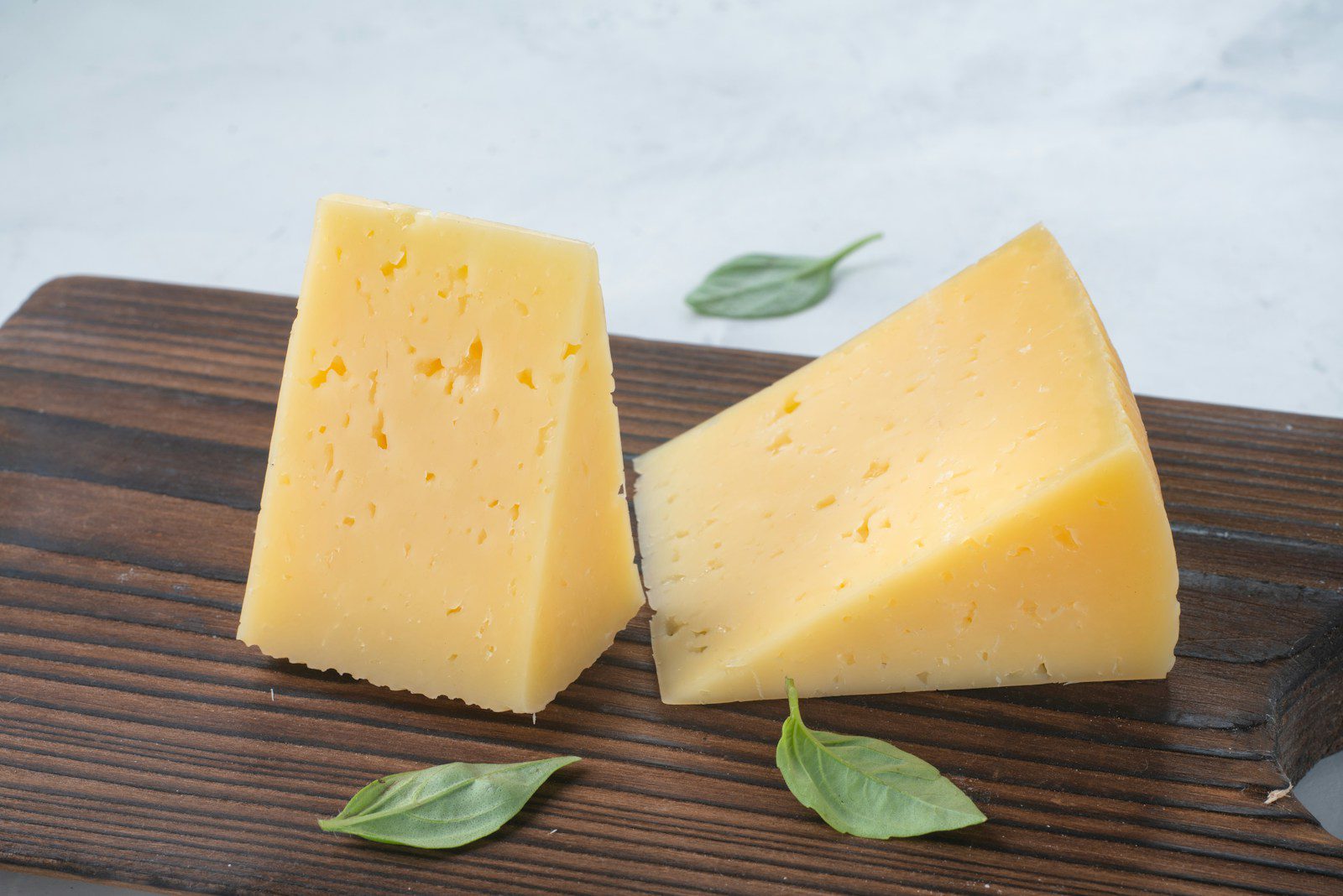
Cheese (affects flavor and texture)
If you store cheese in plastic containers, it can trap moisture, making your cheese sweat and turn rubbery. This changes the texture, and not in a good way.
Plastic also lets your cheese pick up odors from other foods, which can mess with its natural flavor. Using wax paper, parchment, or a breathable container helps keep your cheese fresh and tasty.
Tomatoes (can leach chemicals)
Tomatoes are pretty acidic, which can cause plastic containers to break down over time. When you store tomatoes or tomato-based sauces in plastic, chemicals from the container can slowly leach into your food.
This doesn’t just affect flavor. The acid can also create tiny scratches inside the container where bacteria can hide. For better taste and safety, try using glass or stainless steel instead of plastic when storing tomatoes.
Carbonated drinks (pressure buildup)
When you store carbonated drinks in plastic containers, the bubbles release gas that creates pressure inside. This buildup can cause the container to warp or even leak.
You might notice the lid bulging or the plastic feeling stretched. That pressure makes plastic a poor choice for fizzy drinks.
Glass bottles or cans are better since they handle pressure well and keep your drink fresh longer without risking spills.