Tackling home repairs yourself can save money and feel rewarding. But not every DIY job is risk-free when it comes to your homeowner’s insurance. Sometimes a well-meaning fix can actually cause problems with your coverage.
If you’re not careful, certain home repairs can void your insurance, leaving you unprotected if something goes wrong. Knowing which fixes to avoid or handle with caution can help you keep your coverage intact and avoid costly surprises.
DIY electrical repairs without a licensed electrician
You can handle small electrical fixes like changing outlet covers or resetting a tripped breaker without a license. These jobs are usually safe and won’t risk your insurance if done correctly.
However, anything involving electrical panel upgrades or rewiring needs a professional. Messing with high-voltage components can cause serious damage and void your insurance if the work isn’t up to code.
If you notice frequent breaker trips, burned wires, or broken fixtures, it’s best to call an electrician. Trying to fix these issues yourself could lead to bigger problems and may not be covered by your policy.
Installing a trampoline without notifying your insurer
If you add a trampoline to your yard and don’t tell your insurance company, you could run into trouble. Many insurers require notification because trampolines increase the risk of injury.
Not telling them might lead to denied claims or even policy cancellation. Your premiums could also go up once they find out.
Some insurers will cover trampolines but may ask for safety measures like nets or padding. It’s best to check with your provider before setting one up to avoid surprises.
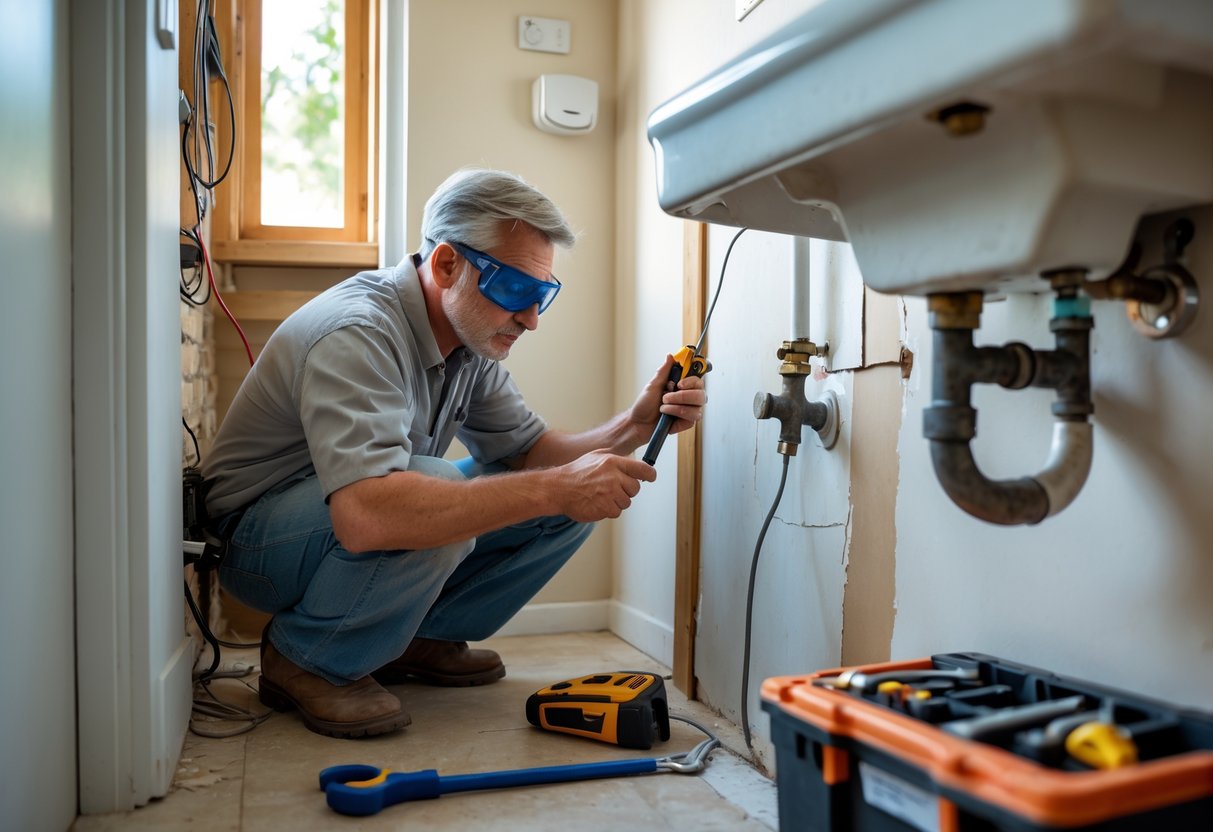
Unpermitted plumbing work like replacing pipes yourself
If you decide to replace pipes or move plumbing lines on your own, you might be skipping crucial permits. Most cities require you to get official approval before doing major plumbing work.
Without permits, your insurance might not cover any damage that results from your DIY job. Mistakes like leaks or water damage happen more often than you think when plumbing isn’t done correctly.
Also, when it’s time to sell your house, unpermitted plumbing can cause headaches during inspections. It’s usually safer to hire a licensed plumber to avoid risks and keep your insurance valid.
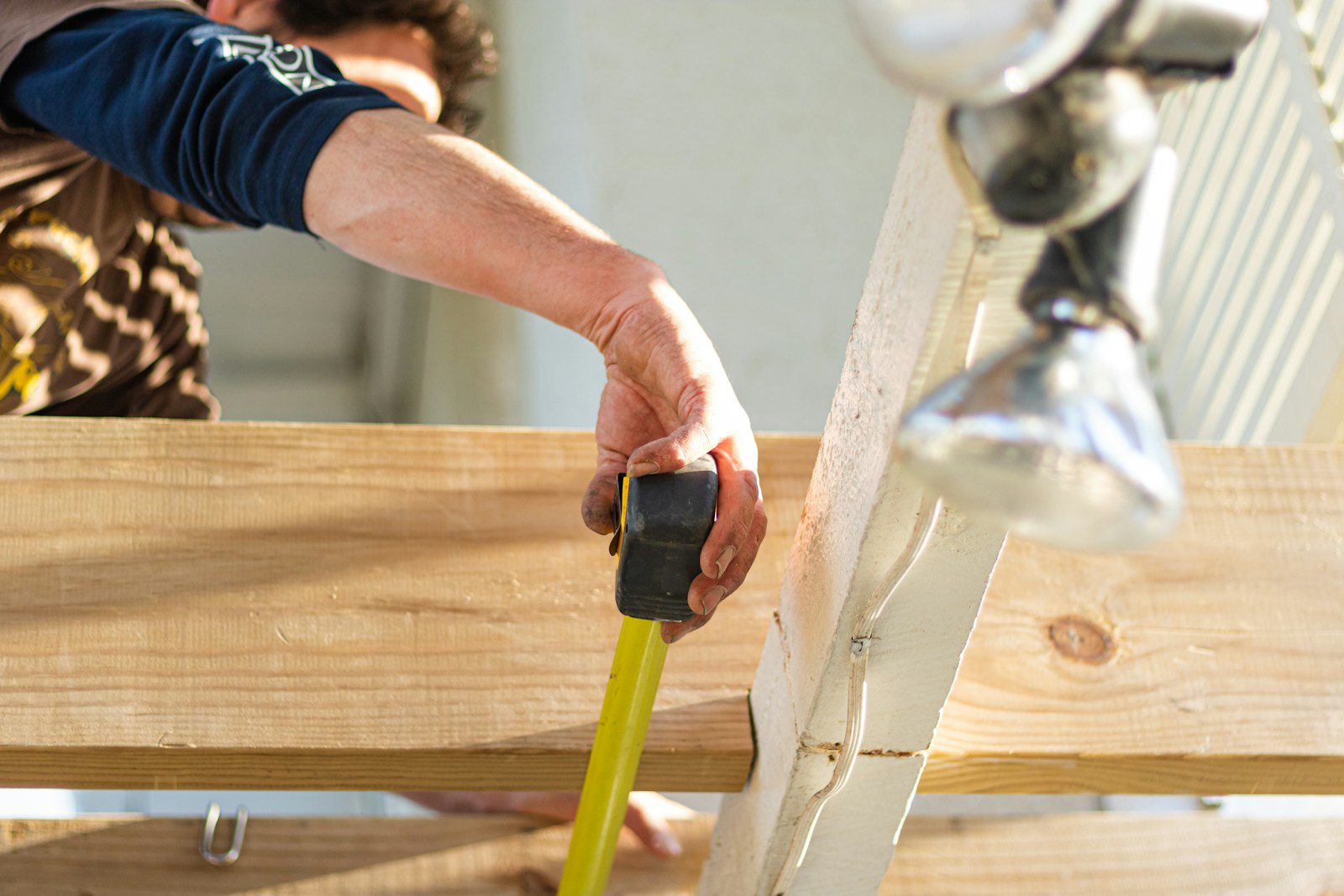
Building a deck without proper permits or inspections
If you build a deck without getting the right permits, your insurance could deny any related claims. This means if the deck causes damage or collapses, you might have to cover repairs yourself.
Skipping inspections also means the deck might not meet local safety codes. That can cause headaches when selling your home or dealing with liability issues.
Small decks might not need permits, but they usually can’t be attached to your house or have railings. Always check your local rules before starting.
Ignoring excessive clutter or hoarding that blocks exits
If you let clutter pile up so much that it blocks your exits, you’re putting your home at risk. Insurance companies might see this as a safety hazard and could deny claims if a fire or emergency happens.
Having clear pathways is important not just for you but also for first responders. When hoarding crosses into unsafe territory, it affects both your safety and your coverage.
Even if you think it’s just “stuff,” insurance sees blocked exits as a real threat. Staying on top of clutter helps keep your home safer and your insurance valid.