


You might not realize it, but small habits in your home can quietly add up to wasted money over time. These everyday actions can create hidden costs that chip away at your budget without you noticing.
Understanding which home habits drain your money helps you take control and save more in the long run. By becoming aware of these common habits, you can find simple ways to improve your spending and make your home more efficient.
Leaving electronics on standby draining phantom power
When you leave devices plugged in but turned off, they can still use electricity. This is called phantom power or standby power. It might seem small, but all those little watts add up over time.
Your TV, microwave, and chargers often draw power even when not in use. Unplugging devices or using smart power strips can help reduce this hidden energy drain.
By cutting standby power, you save money on your electric bill and help lower your household’s energy waste. Small changes can make a noticeable difference without much effort.
Ignoring leaky faucets increasing water bills
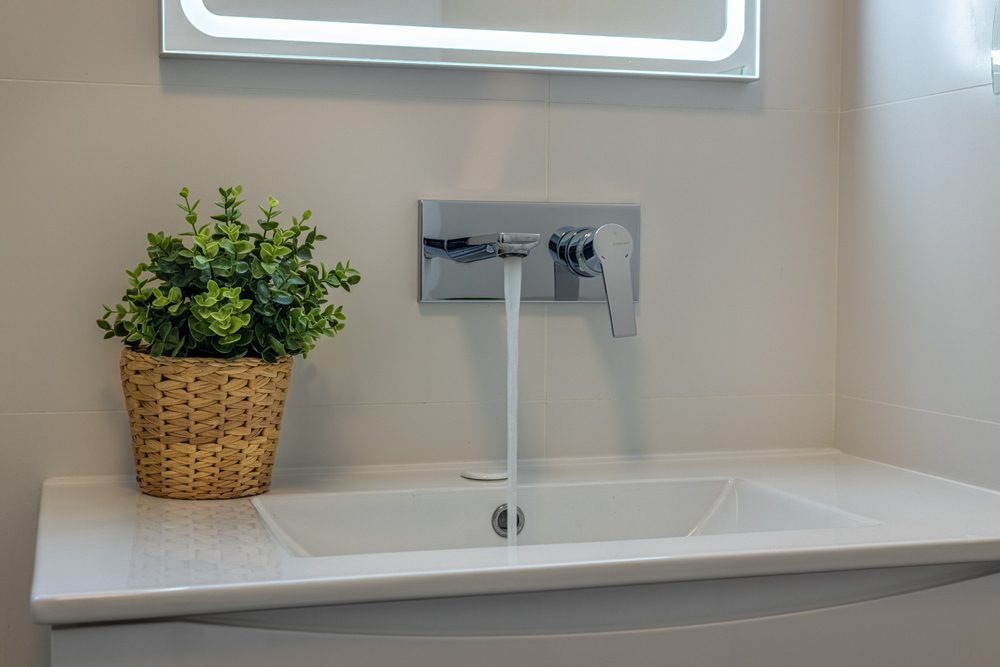
If you ignore a leaky faucet, you could be wasting a surprising amount of water. Even a slow drip adds up over time, which means higher water bills without you noticing.
That steady drip is like money slowly leaking out of your wallet. Fixing leaks quickly helps you save both water and cash.
Besides the extra cost, untreated leaks can lead to water damage or mold growth, creating bigger problems for your home. Keep an eye on any drips and address them as soon as you spot them.
Overusing heating or cooling without adjusting thermostats
If you keep your thermostat set to the same temperature all day, you might be wasting energy. Heating or cooling an empty house uses more power than necessary.
Adjust your thermostat when you’re away or asleep. Lowering or raising it by several degrees for a few hours can save on your energy bills.
Using a programmable or smart thermostat can make these changes easier. It helps ensure your system isn’t working harder than it needs to while still keeping you comfortable.
Using outdated light bulbs instead of LEDs
If you’re still using incandescent bulbs, you’re likely wasting a lot of money. These bulbs convert about 90% of their energy into heat, not light. That means your electricity bill is higher than it needs to be.
Switching to LED bulbs can cut your energy use by up to 80-90%. They also last much longer, so you won’t have to replace them as often. Over time, this saves you money on both energy and replacements.
Making the change is one of the easiest ways to lower your bills and reduce wasted energy at home.
Skipping regular appliance maintenance reducing efficiency
When you skip regular maintenance, your appliances start working harder than they need to. Dust, dirt, and worn parts can slow things down and make your energy bills rise.
Simple tasks like cleaning filters or checking vents can keep your appliances running smoothly. Over time, this small effort saves you money by preventing costly repairs and reducing energy use.
By making maintenance a habit, you help your appliances last longer and perform better. This keeps your home running efficiently without extra expenses.