Meal planning today looks very different from the way Baby Boomers approached it. While you might rely on quick meals or apps, Boomers developed habits rooted in home-cooked meals, pantry staples, and making the most of what they have.
These meal planning tricks can help you save time, reduce waste, and create more satisfying meals without extra hassle. Understanding their approach can bring some old-school wisdom to your kitchen routine you didn’t know you were missing.
Batch cooking meals to save time during the week
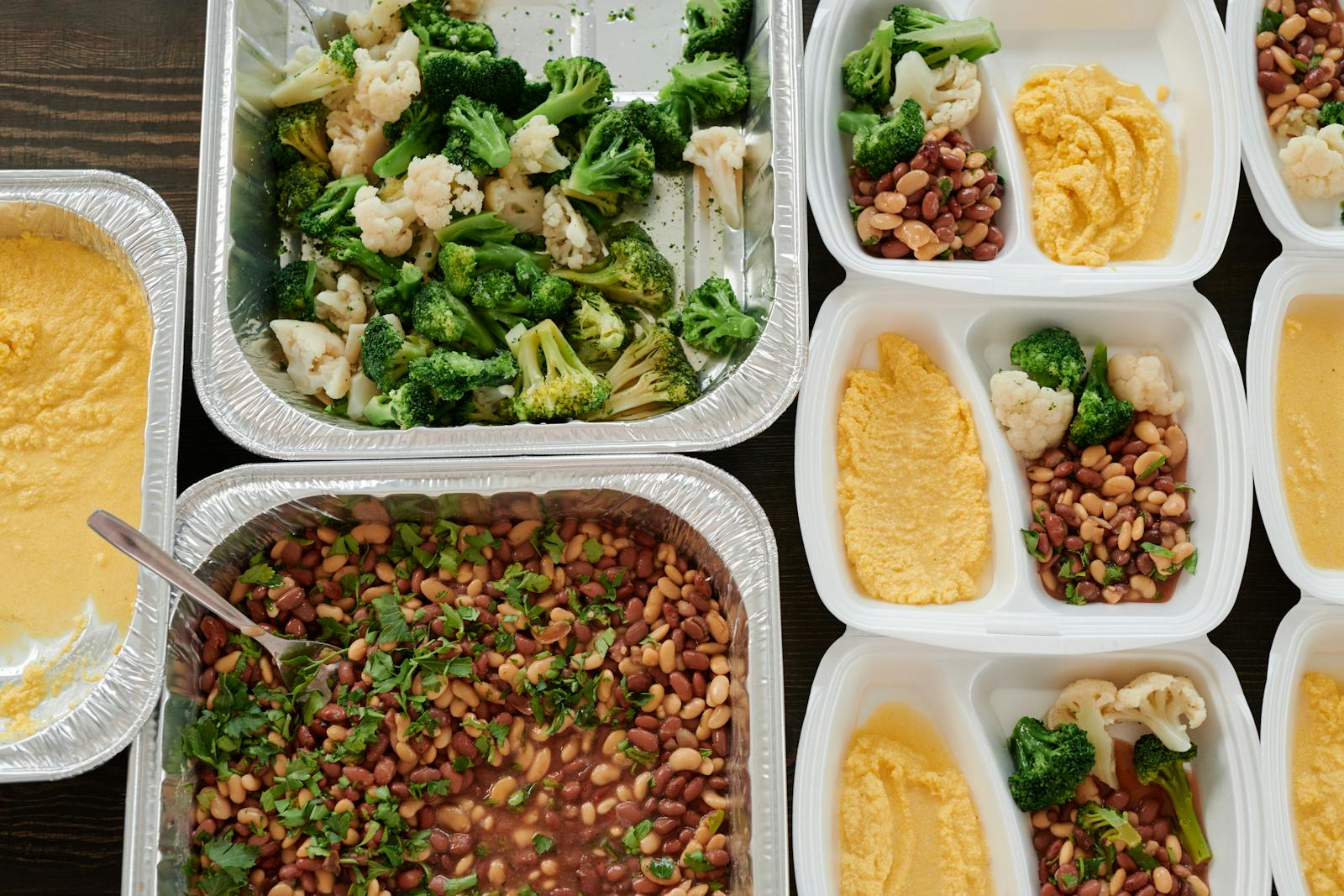
Batch cooking means preparing large portions of meals ahead of time. You spend a few hours cooking once, then enjoy ready-to-eat meals throughout the week. This saves you from daily meal prep and last-minute cooking stress.
You can mix and match meals by using different recipes and ingredients. It helps cut down on food waste and keeps your grocery bills in check. Plus, reheating a batch-cooked meal takes just minutes, freeing up time for other things.
Using tried-and-true pantry staples like canned soups and frozen veggies
You probably have canned soups and frozen veggies tucked away, but boomers use these staples in smart ways you might not know. They combine them with fresh or dried ingredients to create quick, satisfying meals without extra trips to the store.
Canned soups aren’t just for a simple warm-up. You can use them as a base for casseroles, sauces, or even mix in pasta and beans for a hearty dish. Frozen veggies add color, nutrients, and texture without the prep time fresh ones need.
This approach makes meal planning easier and keeps your kitchen stocked with ready-to-go ingredients. It’s about making the most of what you already have and cutting down on kitchen stress.
Planning meals around affordable, versatile proteins like ground beef or chicken thighs
You can save a lot by focusing your meals on proteins like ground beef or chicken thighs. These options are usually cheaper than cuts like chicken breasts but still pack good flavor and nutrition.
Both ground beef and chicken thighs are flexible. You can use them in everything from simple stir-fries to slow-cooked dishes, which helps you avoid boring meals.
Buying these proteins in bulk or on sale lets you prep meals ahead of time. This makes your week simpler and keeps your grocery budget in check.
Making casseroles that stretch leftovers into multiple dinners
You can turn small amounts of leftovers into full meals by layering them in a casserole. It’s an easy way to use up what’s in your fridge without extra trips to the store.
Casseroles often taste better the next day, so making one means you’re set for at least two dinners. Plus, they’re simple to reheat, saving you time when you’re busy.
By combining leftovers with pantry staples like pasta, rice, or canned goods, you get a hearty dish that keeps well. This method helps reduce food waste and makes your meals more economical.
Keeping detailed handwritten shopping lists to avoid impulse buys
You might think digital lists are easier, but many boomers swear by handwritten shopping lists. Writing things down helps you focus on what you really need. It’s a simple way to keep your shopping trip on track.
When you plan meals in advance, you can create a list based exactly on those recipes. This prevents random impulse buys that add up. Plus, having a clear list keeps you moving through the store without getting distracted by flashy deals or snacks at the checkout.