You probably grew up with certain rules that seemed totally normal at the time. These were the guidelines your parents or caregivers set to help you behave, stay safe, or fit in. But not all of those rules were harmless—some quietly shaped you in ways you might not even realize.
Understanding which childhood rules may have been harmful is important because it helps you recognize how they could still affect you today. Looking back at these “normal” rules can shine a light on patterns that influenced your feelings, behaviors, or relationships without you noticing.
The “Be Seen, Not Heard” rule that stifled kids’ voices
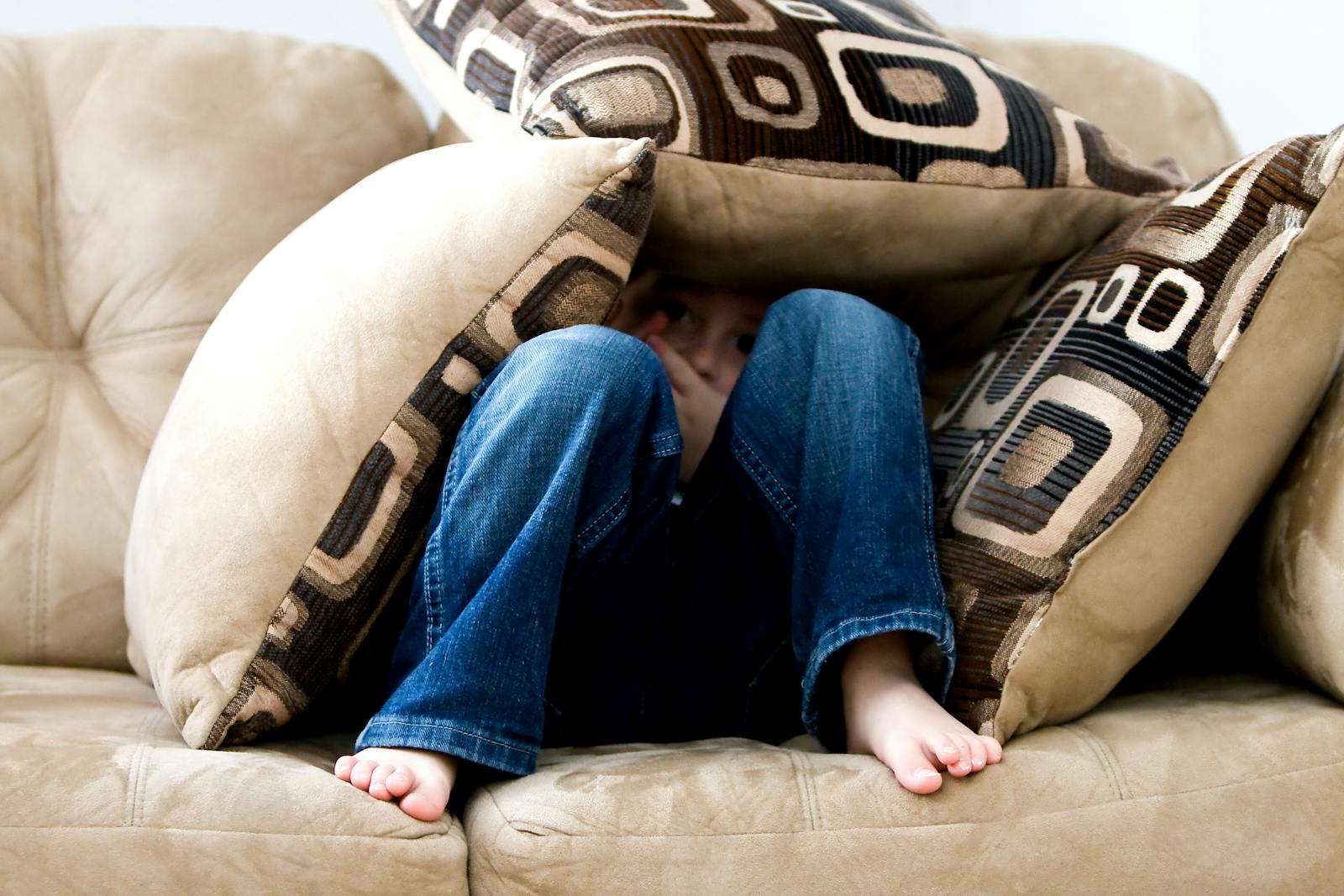
You probably heard the phrase “Be seen, not heard” growing up or from older generations. This rule meant you were expected to stay quiet and not share your thoughts out loud.
It might have seemed normal at the time, but it often made kids feel like their opinions didn’t matter. When you’re told to keep quiet, it can be harder to develop confidence in speaking up.
This rule also discouraged asking questions or expressing emotions. So even though it was considered polite or respectful, it quietly limited how kids learned to communicate and assert themselves.
Telling kids to always “be good” to earn love
When you tell your child they have to “be good” to get love, it can create a lot of pressure. Your kid might start to believe love is conditional, based on their behavior.
This can make them anxious about making mistakes or expressing real feelings. They could hide when they’re upset or angry just to stay “good.”
Instead, showing love regardless of behavior helps your child feel safe. They learn they’re worthy even when they mess up, which is important for healthy growth.
Parents enforcing strict silence around emotions
You might have grown up with the unspoken rule that showing feelings was a no-go. Maybe your parents told you to keep quiet about sadness or anger, thinking it was best to be strong or polite.
But when emotions are pushed aside like that, you learn to hide parts of yourself. It can make it harder to understand your feelings or talk about them later on.
Silencing emotions teaches you to bottle things up, which might seem normal, but over time, it can create stress or confusion about what you’re really feeling.
Using fear-based discipline like threats or harsh punishishments
Using fear to discipline your child might seem effective at the moment. It may stop behavior quickly, but it often doesn’t teach long-term self-control or understanding.
Threats and harsh punishments can make kids anxious or confused instead of helping them learn. Your child might follow rules out of fear, not because they understand why those rules matter.
When you use fear, your child may struggle with trust and feel less safe sharing their feelings. Gradual teaching and patience usually work better to build healthy habits and relationships.
Making kids feel responsible for adults’ feelings
When you were a kid, you might have been told to watch your behavior because it upset the adults around you. This can make you feel like your emotions and actions directly control how others feel, which is a heavy burden.
Carrying this responsibility can make it hard to understand where your feelings end and others’ begin. It can lead to anxiety and stress because you might constantly try to fix or prevent adults’ emotions.
This “rule” can also stop you from expressing your true feelings. You might avoid speaking up to keep the peace, even if it hurts you inside.