Food regulations have changed a lot over time, affecting what we can and can’t eat today. Many foods that were once common might not meet the safety or ethical standards we follow now. These changes aim to protect our health and the environment.
We’re going to explore five popular foods from the past that wouldn’t be allowed under today’s rules. Understanding these shifts helps us appreciate the reasons behind modern food laws and why some tasty treats have disappeared from our tables.

Absinthe
Absinthe was once banned in the United States because of concerns about its wormwood ingredient, which was thought to cause harmful effects. The ban started in 1912, making it illegal to sell or produce the original version.
Today, the rules have changed. Since 2007, absinthe is legal as long as it meets strict regulations on thujone, the chemical found in wormwood. These limits make modern absinthe safe and different from the old versions we once knew.
Raw milk
Raw milk is milk that hasn’t been pasteurized, meaning it hasn’t gone through the heating process that kills harmful bacteria. While some people enjoy raw milk for its natural taste and potential health benefits, it carries a higher risk of illnesses like E. coli and Salmonella.
In many places, raw milk sales are restricted or illegal because of these safety concerns. Still, some states allow its sale under strict regulations, balancing safety with personal choice.
We should always handle raw milk carefully and be aware of the risks before choosing to consume it.
Fugu (pufferfish) without licensed preparation
We know fugu is a unique delicacy, but it comes with serious risks. The pufferfish contains tetrodotoxin, a toxin much deadlier than cyanide.
Because of this, only licensed chefs who have undergone years of training can prepare it safely. Preparing fugu without a license is illegal and highly dangerous.
Most cases of poisoning happen when untrained people try to prepare it at home. For us, it’s best to enjoy fugu where experts serve it—it’s a thrilling experience without risking safety.
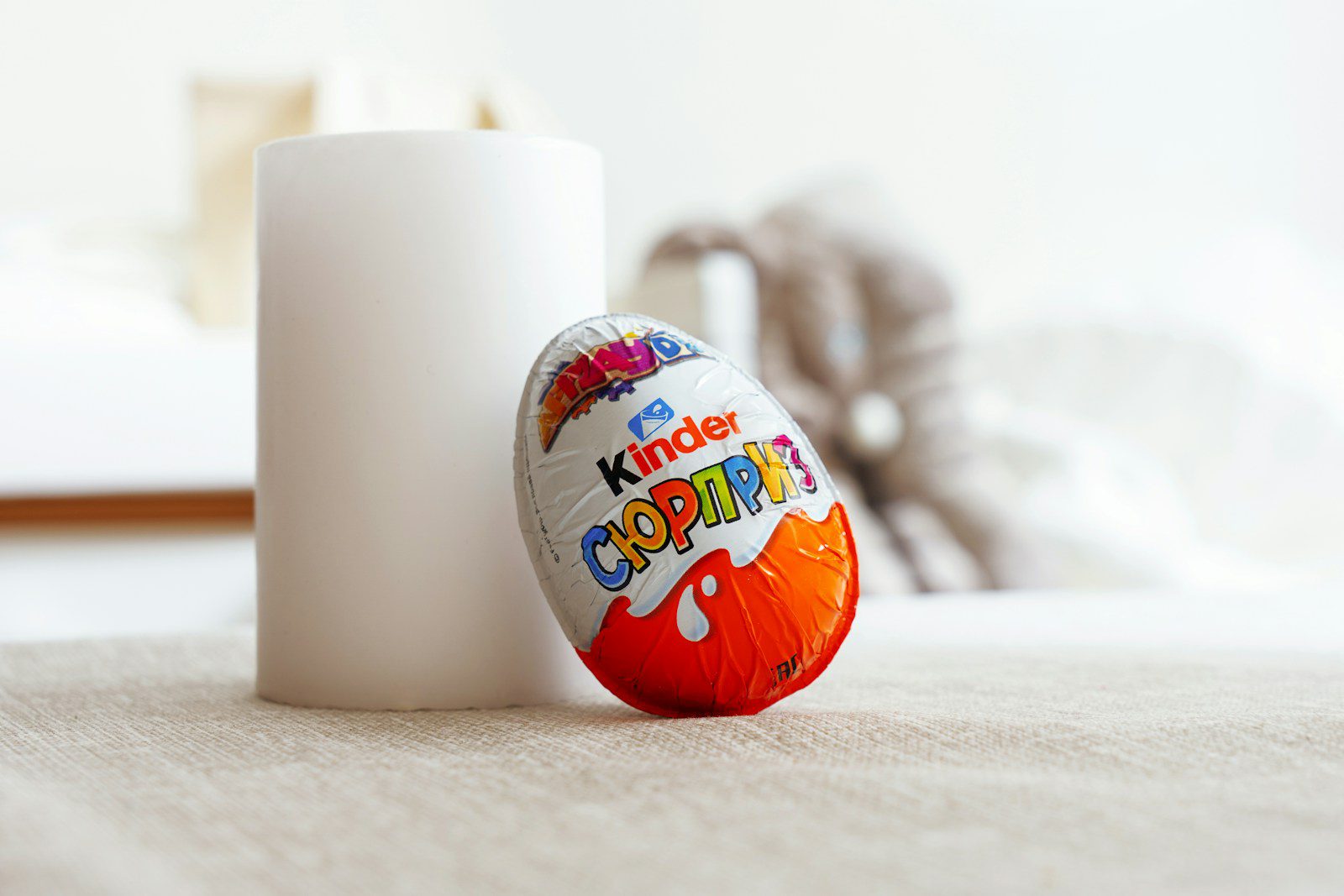
Kinder Surprise chocolate eggs
We all know Kinder Surprise eggs as a fun treat that combines chocolate with a hidden toy inside. However, these eggs are actually illegal to sell in the U.S.
This is because of a food safety law that bans any non-edible object inside candy. The small plastic toy inside the chocolate egg is considered a choking hazard.
Even though many kids love the surprise aspect, the law prioritizes safety. Instead, we have alternatives like Kinder Joy, which separates the toy from the chocolate, making it allowed here.
Haggis (containing sheep lungs)
Haggis is a traditional Scottish dish that many of us enjoy hearing about. However, it contains sheep lungs, which are banned in the United States. The USDA has kept this ban since 1971 because lungs can carry harmful fluids.
Because of this, we can’t legally import or sell authentic haggis with lungs in the U.S. Some people make lung-free versions at home, but true haggis purists say it’s just not the same. It’s one of those cultural foods that shows how food safety rules change what we can eat.