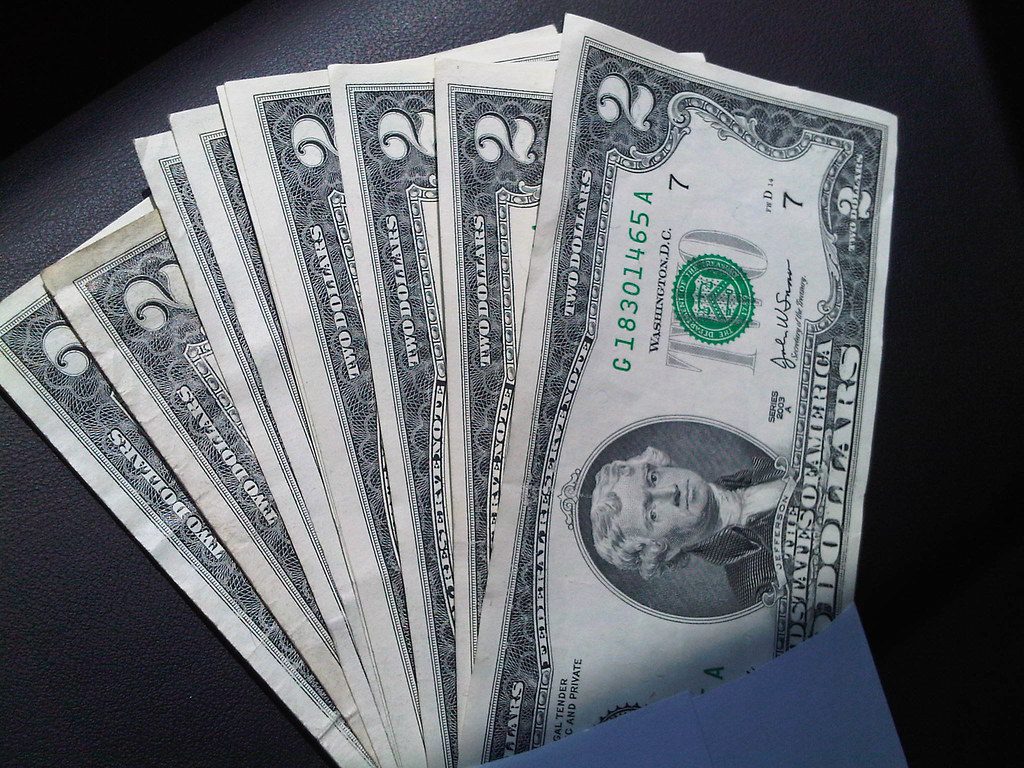
You probably treat cash the same way you treat loose change, but not all bills deserve the same fate. Keep a rare $2 bill out of circulation if you want to protect its potential collectible or resale value.
This article will walk you through practical reasons to pause before you hand that note over—covering rarity, how value can jump for certain prints, awkward moments when merchants don’t recognize them, limited bank availability, and the opportunity cost of spending a collectible.
$2 bills are way rarer than you think, making them cool collectibles.
You don’t see $2 bills often because far fewer are in circulation than other denominations.
That scarcity boosts interest from collectors and casual fans alike.
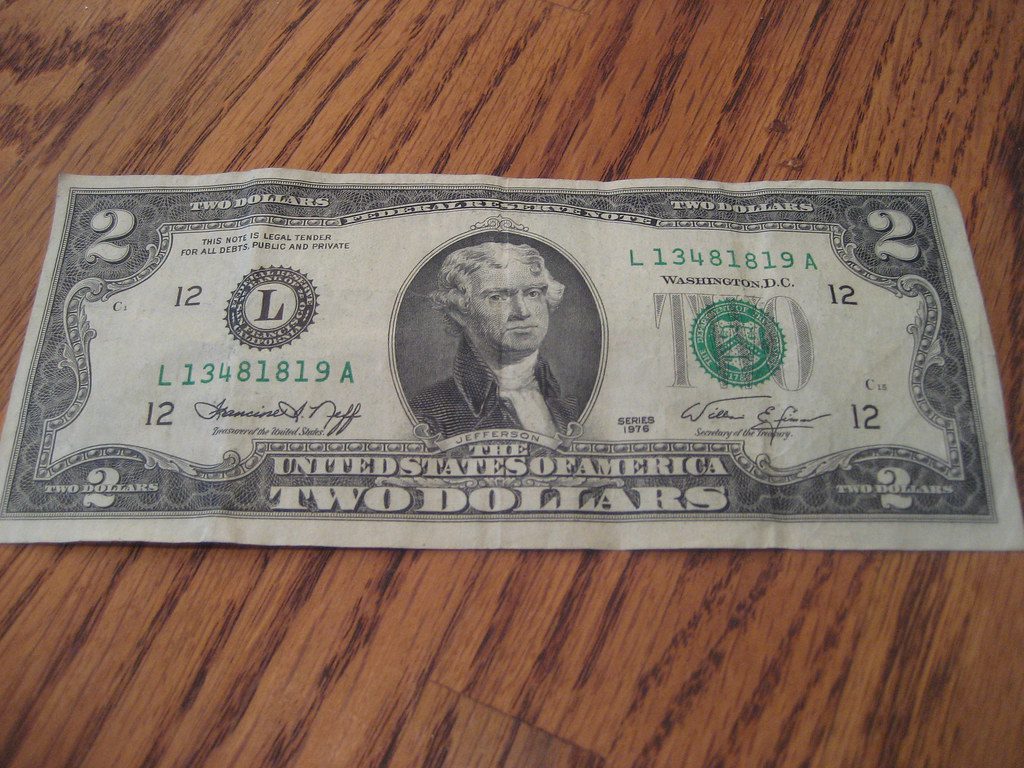
Some serial numbers and print runs are especially uncommon, so a crisp or star-note can catch attention.
Check details like print date and serial number before you spend one.
Some $2 bills can be worth hundreds or even thousands, especially older prints.
You might think every $2 bill is just two dollars, but certain older series and rare print runs command much higher prices. Condition, year, and unique features like star notes or printing errors drive collector value.
If you find a 1928, 1953, or 1963 bill in excellent condition, it could be worth far more than face value. Check detailed value guides and auction listings before spending or discarding one.
Most people don’t recognize $2 bills, which can cause awkward moments when you try to spend them.
When you pull a $2 bill from your wallet, expect hesitation from cashiers and customers. Many people haven’t seen one in years and will stop to inspect it.
That pause can slow the line and put you on the spot. Some clerks may even ask for a manager or refuse if they worry it’s counterfeit.
If you want smooth transactions, stick with bills that everyone recognizes. For more on why tellers discourage requests, see this bank teller explanation.
Banks often don’t stock $2 bills regularly, so they can be tough to replace if you lose one.
Don’t expect your local branch to have $2 bills on hand; many banks don’t stock them routinely and order them only on request.
If you lose a rare $2 bill, replacing it can be a hassle because the bank may need to order more from the Federal Reserve.
That delay means your lost bill could be gone for weeks, and you’ll likely end up dealing with phone calls or special requests to get another one.
Check with your bank before spending a rare $2 bill so you avoid needing a difficult replacement.
Spending $2 bills means missing out on potential future value increases.
If you spend a rare $2 bill now, you give up the chance it could grow in collectible value later. Some notes — like old series, star notes, or error bills — can become worth far more than face value as they become scarcer over time.
Holding lets you wait for better market conditions or a buyer who values specific serial numbers or condition. Check guides like this $2 bill value chart before deciding.
More from Decluttering Mom: